Requirement review
What is checked: Target style, size range, measurement chart, and measurement method.
Buyer decision: Confirm which points are critical and how they should be measured.
Measurement inspection confirms whether a garment matches the approved spec, sample, and size chart before bulk order release. For yoga apparel, the review usually focuses on waistband height, rise, inseam, body length, bust width, strap length, sleeve length, and other points that affect how the garment fits and moves. If you already have a tech pack or measurement chart, send it with your reference sample notes. If you are still defining the size run, compare your chart with the activewear size chart guide and align it with your color and size grading plan.
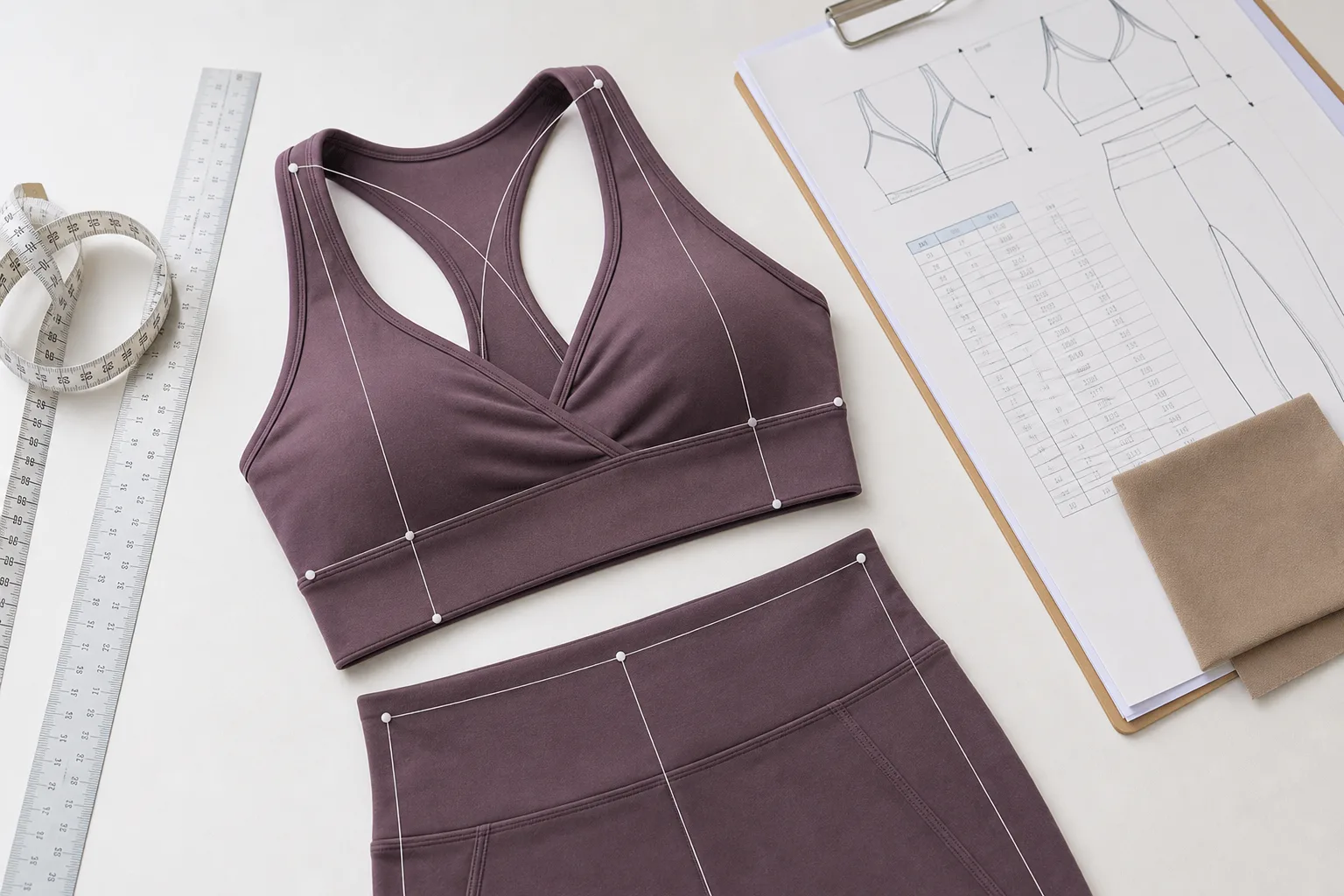
Make workflow, quality checkpoints, material preparation, and delivery variables easy to understand.
Key garment points, such as waist, hip, chest, length, rise, sleeve length, and opening widths.
Measurement control works best when it happens at several approval points instead of waiting until finished.
Waistband width and height.
Approving a sample by appearance only and skipping the measurement sheet.
A style can look correct in photos and still create problems later if the critical points are not defined early. Clear measurement rules reduce rework and help the order move with fewer disputes during approval.
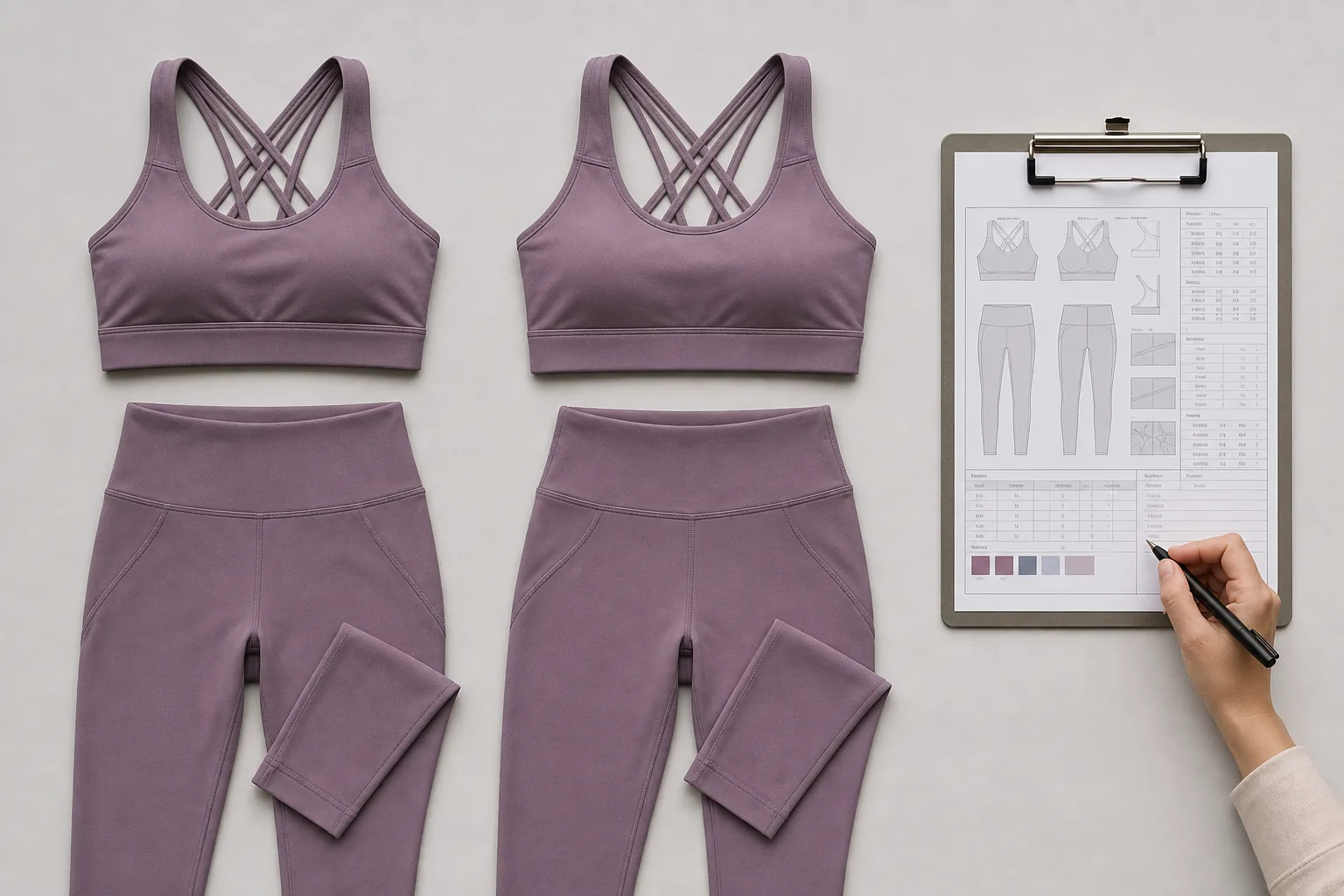
Measurement inspection is not only a ruler check. It compares the garment against approved documentation and the approved sample so the same style stays aligned from sampling to bulk production. For yoga and activewear styles, the most useful review points are the ones that affect wear comfort, movement range, and product consistency across sizes.
Material readiness, workmanship, inspection, and packing.
Measurement method, such as flat, relaxed, stretched, half circumference, or full circumference, depending on.
Understand.
Material readiness, workmanship, inspection, and packing.
Branding or construction features that change fit, such as elastic width, gusset shape, lining, or cup.
Measurement control works best when it happens at several approval points instead of waiting until finished goods are packed. The sequence below shows how most teams lock measurements before bulk release. Across these stages, the goal is the same: keep the approved fit direction consistent while avoiding late changes that can affect quantity allocation, grading, or packing.
What is checked: Target style, size range, measurement chart, and measurement method.
Buyer decision: Confirm which points are critical and how they should be measured.
What is checked: Fit sample dimensions, proportions, and construction details.
Buyer decision: Approve the base sample or request a revision.
What is checked: Final chart, grading logic, and approved tolerances.
Buyer decision: Lock the measurement standard before bulk production starts.
What is checked: First bulk pieces, size spread, and finished garment measurements.
Buyer decision: Confirm whether the order stays within the approved range.
These points matter because stretch fabrics can look similar on a hanger but fit very differently when worn. If the waistband, rise, or inseam drifts, the garment can feel like a different style even when the fabric is unchanged. These dimensions influence coverage, movement comfort, and how the style sits during stretching, layering, and repeated wear. For coordinated programs, many sourcing teams need the set to look balanced across sizes rather than only passing a single measurement point.
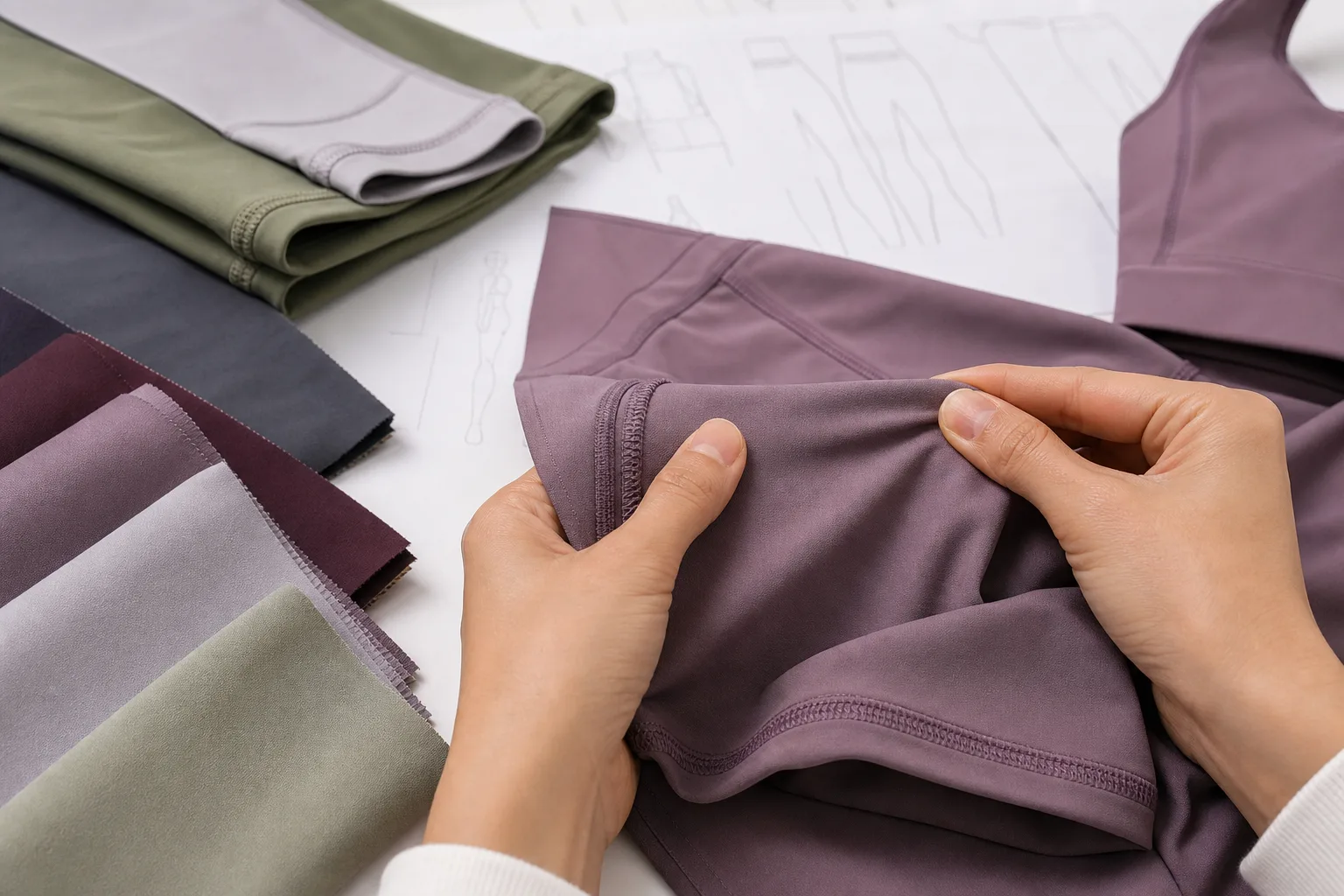
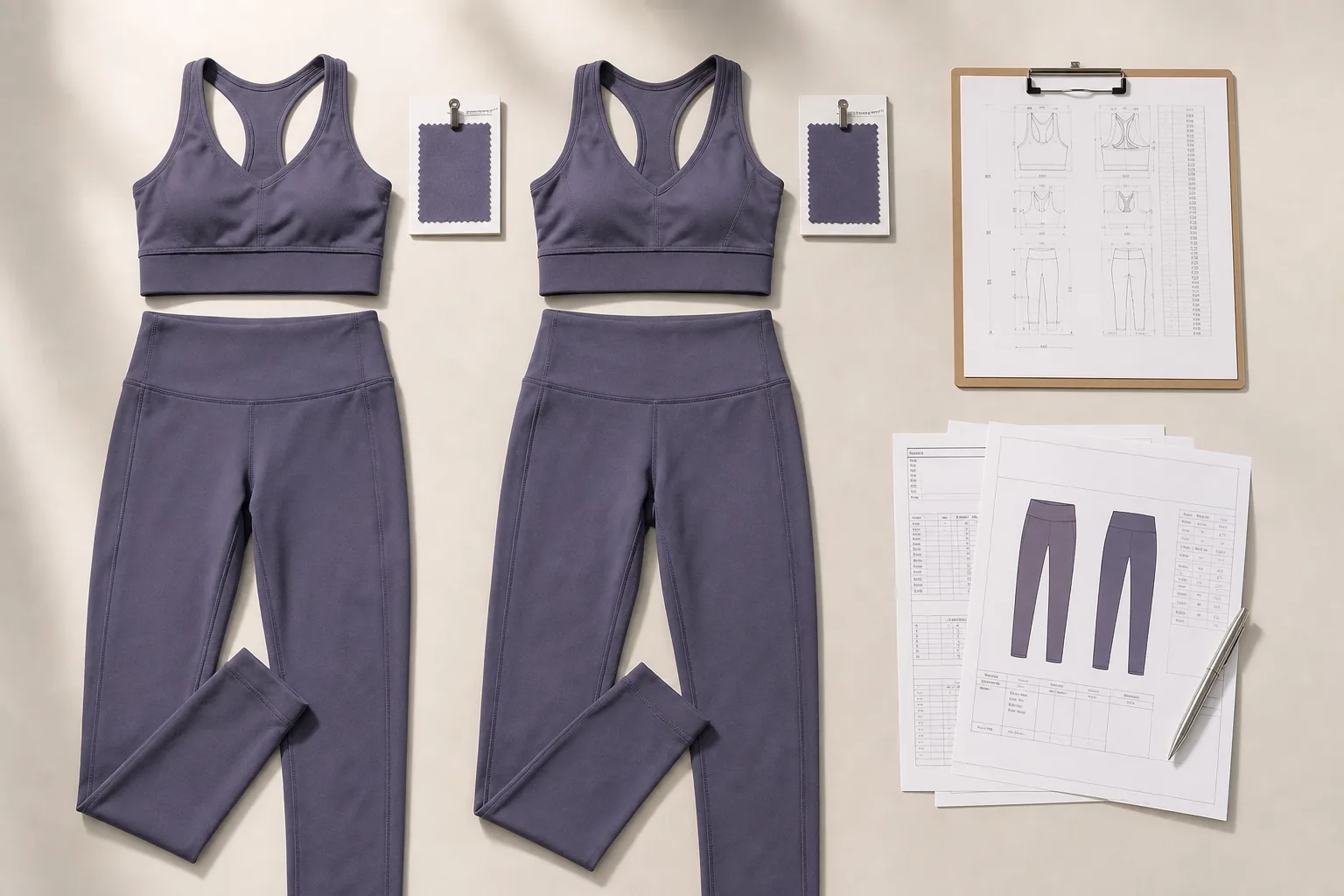
Send the information that helps the factory read the style the same way you do. The more complete the measurement reference, the more accurate the project quotation and approval process will be. Reference MOQ starts from 300 pieces. The final MOQ and size or color allocation depend on the product, fabric, construction, branding, and packaging.
Ninghow Yoga can support measurement review alongside pattern making, sample development, size grading, and bulk production planning. When the project requires a deeper quality review. The measurement check can be aligned with quality control so sample approval. In-line checks. And final inspection follow the same measurement standard.
If the size chart is still being refined. It is usually better to confirm the grading logic first. Then move into sample revision and bulk approval. Third-party inspection can also be coordinated when required for the project.
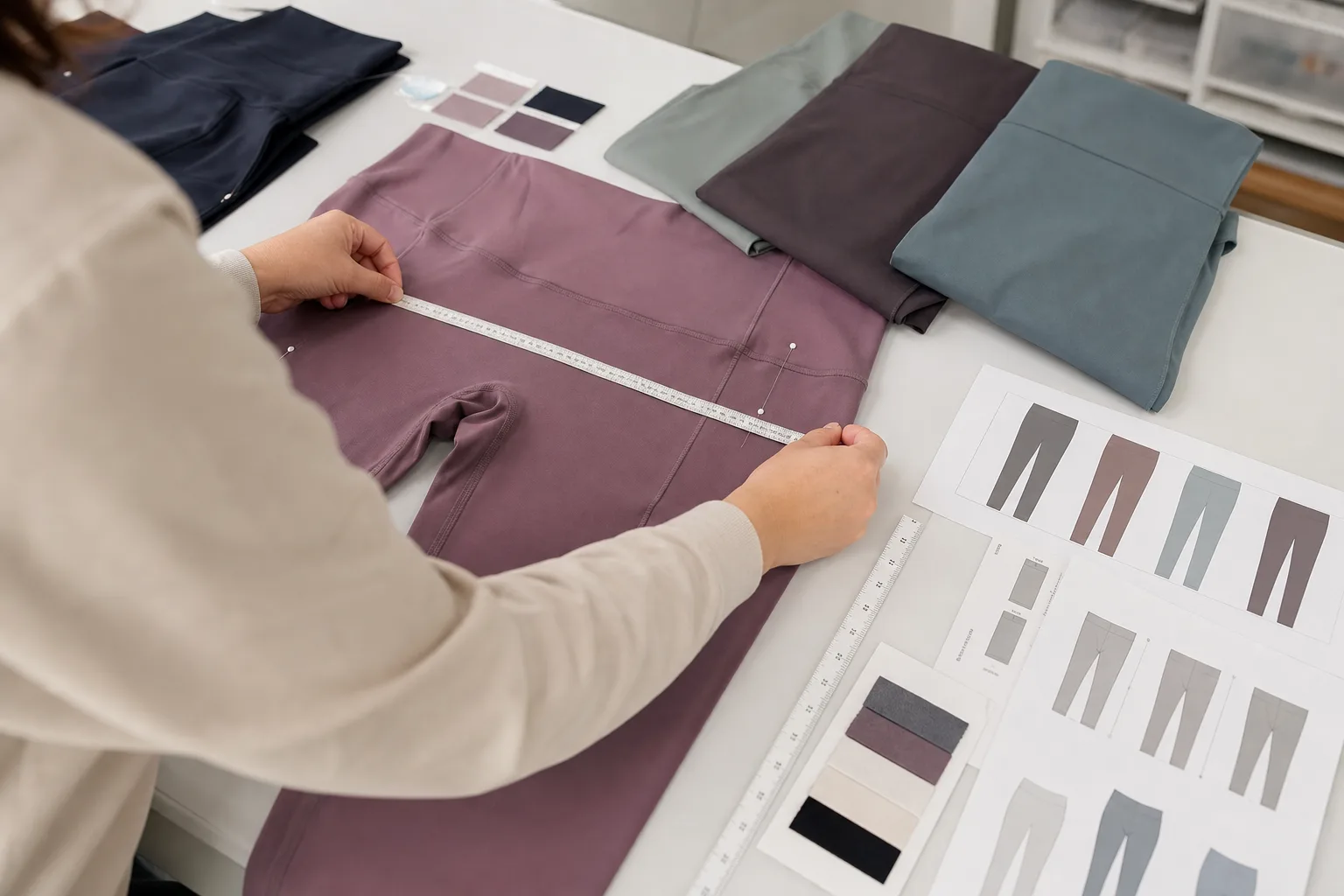
Keep the project conversation practical with clear expectations around sampling, production and quotation inputs.
It is the check that compares a sample or bulk garment against the approved measurement chart, sample, and tolerance range before the order moves forward.
Waistband height, rise, inseam, hip width, thigh width, and leg opening are usually the most important points, but the final list depends on the style and fabric.
Yes, a reference garment can help define the measurement direction, but a chart or spec sheet is still better for a more accurate review and quotation.
It should happen at sample approval, pre-production approval, and again during in-line or final inspection so the approved chart stays consistent through bulk production.
Yes, size grading can be reviewed together with the measurement chart so the full size range follows the approved fit direction.
Yes, third-party inspection can be coordinated when the project requires it, subject to the buyer’s inspection plan and project details.
Send the project stage, confirmed materials, expected quantity, packing needs, and target shipping window so the team can discuss production feasibility.