Fabrics
What buyers usually compare: Soft touch, cool touch, or smoother finish.
Why it affects the order: Changes comfort in heated studio use.
Hot yoga clothing is written for a specific buyer scenario, so the copy centers on use case, order logic, and commercial fit rather than generic factory language. Ninghow Yoga supports hot yoga clothing projects that need breathable fabric choices, movement-friendly fit, and clear branding details for retail or studio programs. Compare construction, fabric, sizing, and private label options before you request a project-specific quotation.
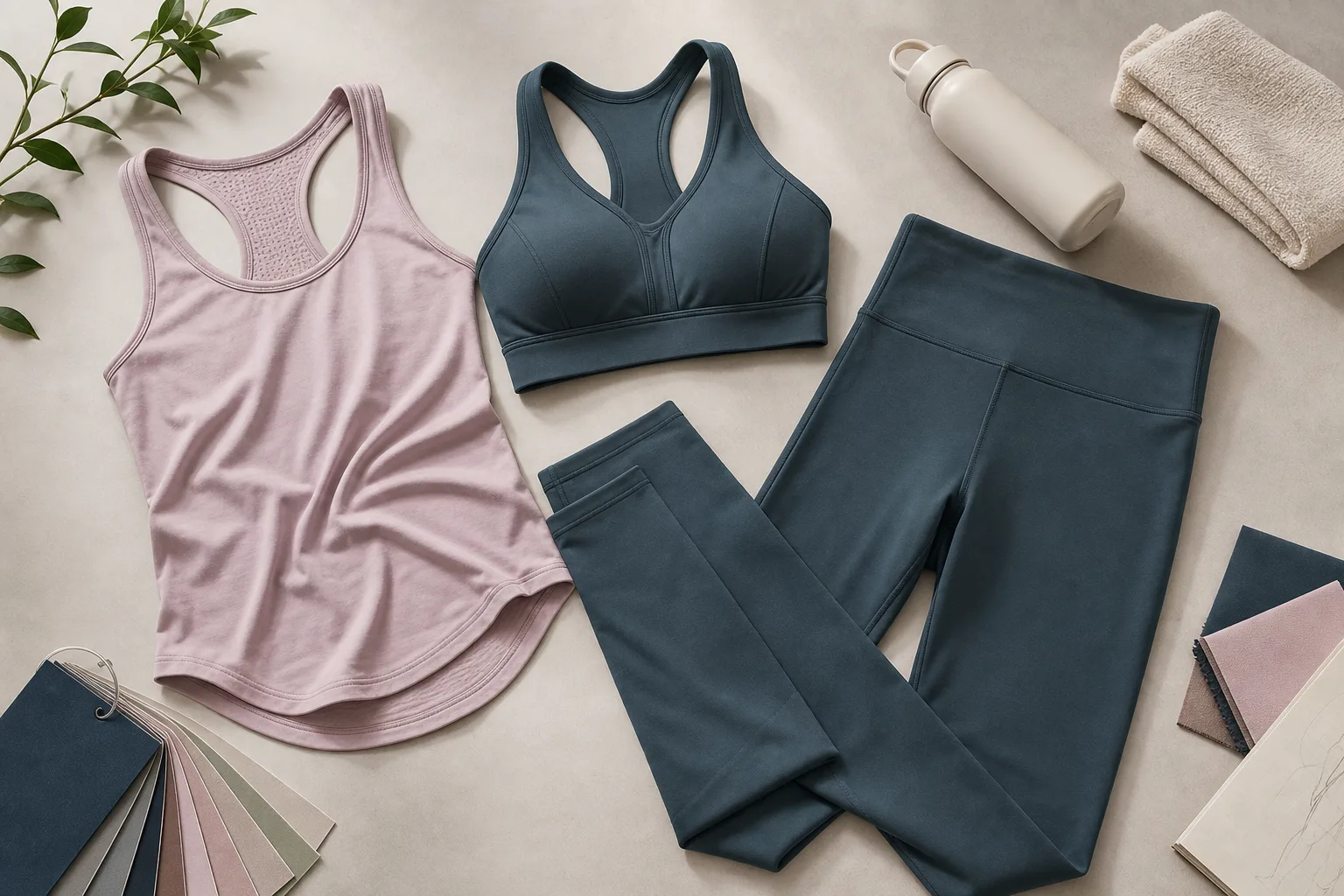
Match your order model, launch timing, and sourcing maturity with a practical production route.
Heat and sweat management.
Fabric composition: nylon-spandex, polyester-spandex, or other performance blends depending on hand feel and.
Fitted movement and coverage.
Yoga studios and Pilates studios building retail assortments.
Hot yoga clothing is usually chosen for warm studio conditions, repeated movement, and close-body fit. Buyers often look for garments that manage moisture well, keep their shape during stretching, and stay comfortable when the session becomes more intense. If you are comparing fabric options first, review fabric sourcing and seamless yoga wear before sampling.
Heat and sweat management affects product mix, MOQ expectations, packaging details, and brief preparation.
Repeated bends, holds, and transitions helps sourcing teams choose consultation, samples, quotation, or.
Coverage that stays in place during movement connects the buyer scenario with the most practical sourcing step.
Seams and hems that reduce distraction during practice affects product mix, MOQ expectations, packaging.
Fit consistency across size runs and repeat orders helps sourcing teams choose consultation, samples,.
Hot yoga programs may include more than one garment type. Some buyers source a full set for a studio retail range, while others start with one key item and expand after sample approval. Compare garment directions on the Products hub before choosing the first sample round.
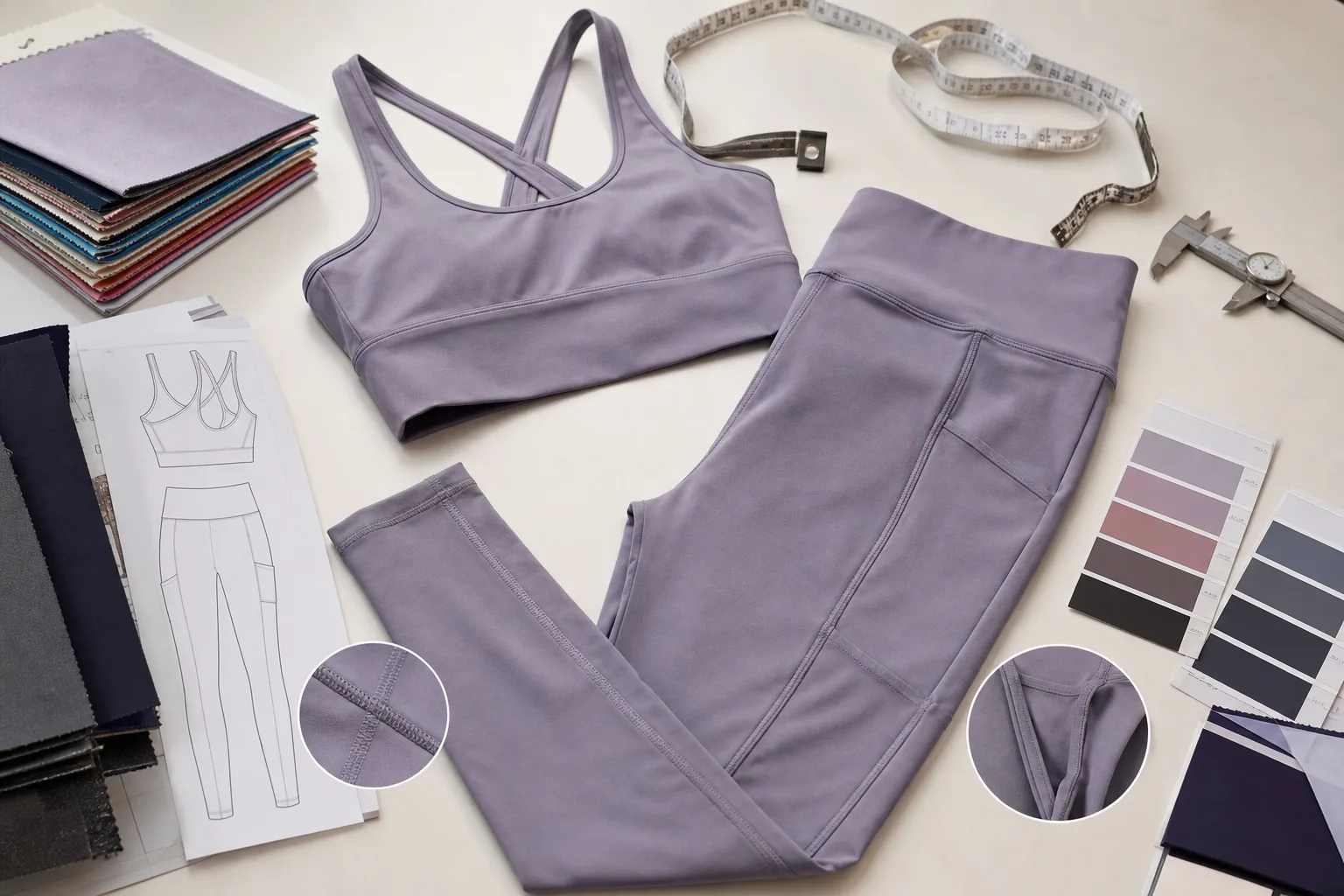
For hot yoga clothing, the best result usually comes from matching the fabric and construction to the intended wear style. A lightweight fabric can feel cooler, while a more supportive fabric can help garments keep their shape through repeated movement. To compare fabric behavior before sampling, request fabric swatches and review the yoga legging fabric guide.
What buyers usually compare: Soft touch, cool touch, or smoother finish.
Why it affects the order: Changes comfort in heated studio use.
What buyers usually compare: How well the garment returns after stretch.
Why it affects the order: Influences fit after repeated movement.
What buyers usually compare: Coverage during squat, stretch, and bend.
Why it affects the order: Helps reduce approval risk.
What buyers usually compare: Panel lines and contact points.
Why it affects the order: Affects wear comfort and visual clean-up.
Hot yoga clothing is often sourced by buyers who need a clear balance between function and presentation. The same garment may be used in studio retail, e-commerce listings, instructor uniforms, or brand collections for warm-weather training markets. If your project is still at concept stage, review ODM activewear development before deciding whether to move into sampling.
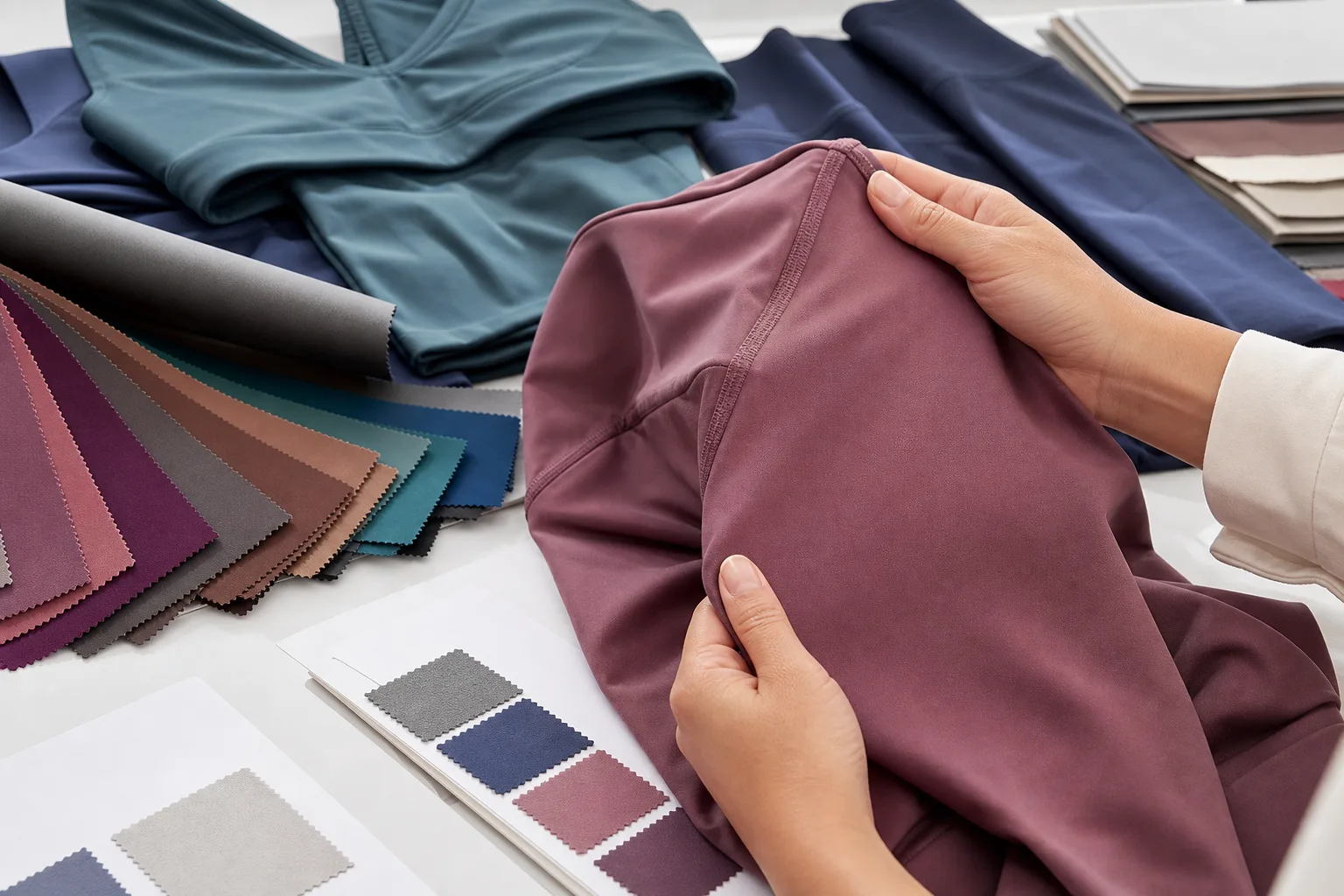
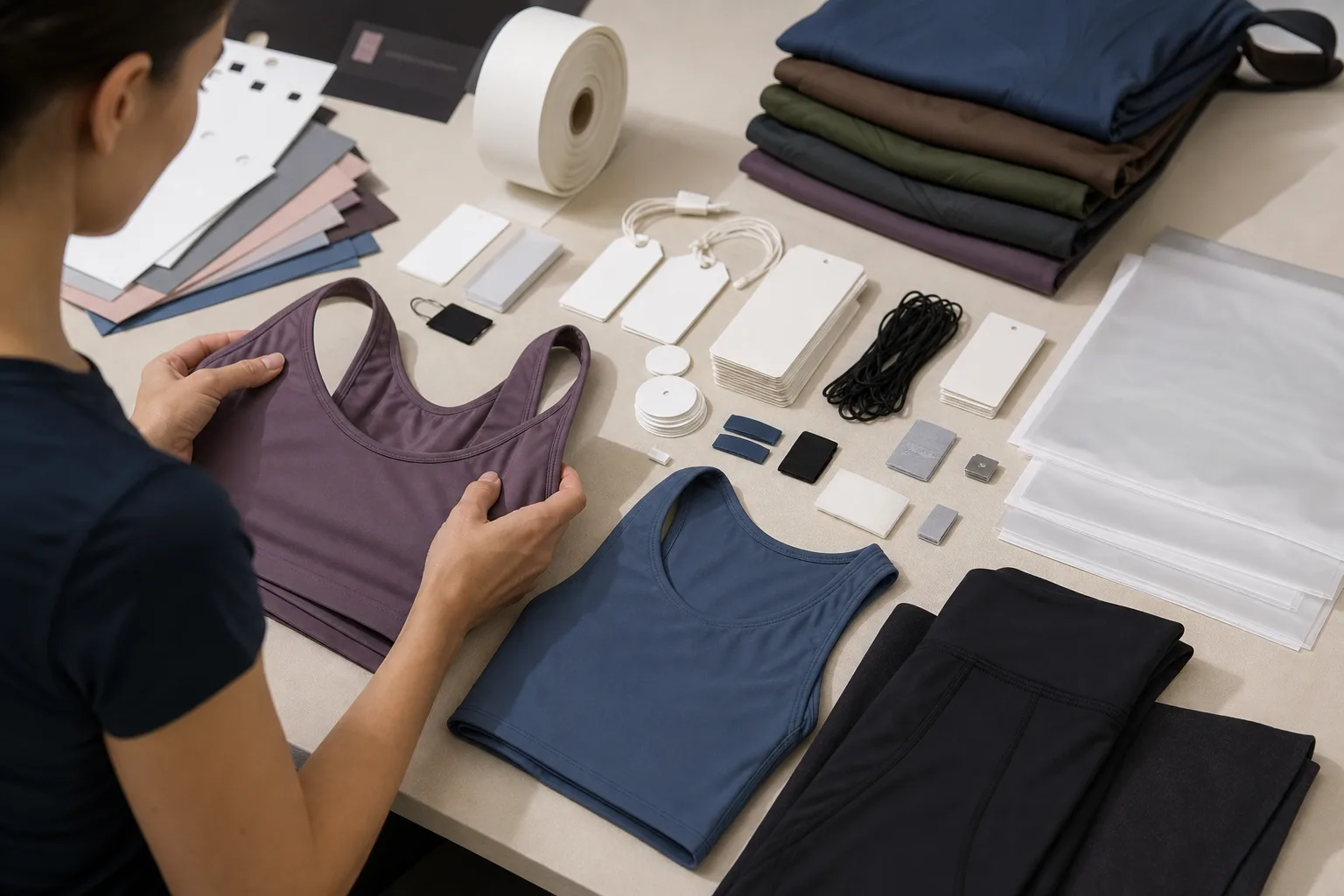
A more accurate quotation is easier when the request includes the product direction, preferred fit, and branding details. You do not need every detail finalized, but the clearer the reference, the easier it is to match fabric and construction. When the concept is not yet final, Get OEM/ODM Consultation can help define the next step before a sample is requested.
Hot yoga clothing projects often move from fabric review to sample approval before bulk planning. Timing depends on specification completeness, fabric availability, construction detail, logo method, and revision requirements. For buyers comparing launch quantities across colors and sizes, Colors & Size Grading is useful before final quotation review.
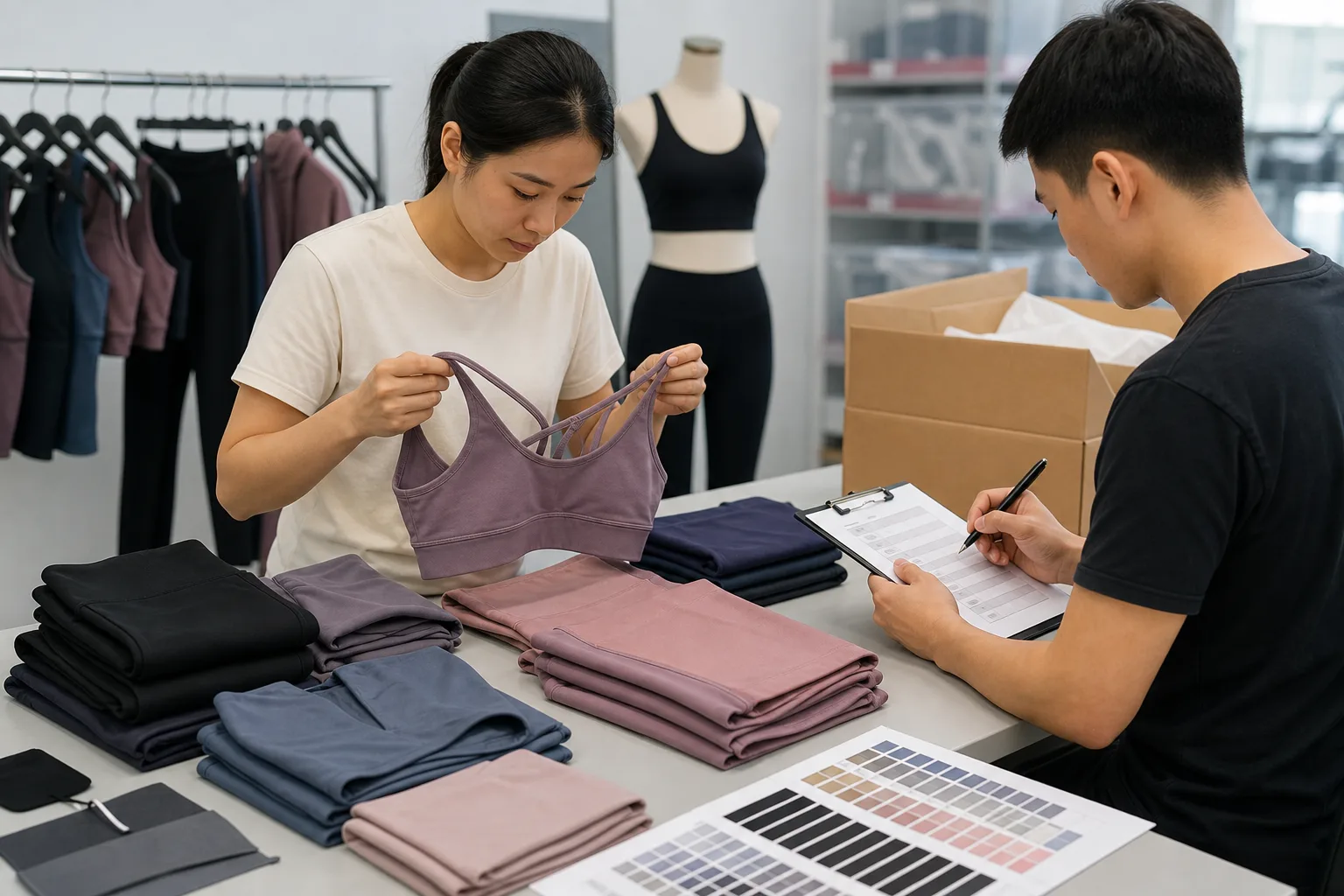
The process is easier to manage when buyers know what to confirm before the next stage.
Across sample approval, bulk production, and final packing, buyers need clear checkpoints for fabric, fit, workmanship, branding, and packaging. For hot yoga clothing, the most useful checks usually relate to how the garment performs in movement and how it presents on a retail shelf. Review the quality control process and measurement inspection details if your buyer team needs defined release points.
Send your reference styles, fabric preference, size range, estimated quantity, and branding notes. If you already have a tech pack, you can move directly to quotation review. If not, sample and consultation routes are available first. Request a Quote or Upload Your Tech Pack
Keep the project conversation practical with clear expectations around sampling, production and quotation inputs.
Product type, reference images, fabric preference, size range, color plan, logo method, label or packaging notes, and estimated quantity usually help produce a more accurate quotation.
Yes. Fabric swatches can help compare hand feel, recovery, and opacity before you confirm the sample direction.
Reference MOQ starts from 300 pieces. The final MOQ and size or color allocation depend on the product, fabric, construction, branding, and packaging.
Standard samples are around 5–7 days and complex samples are around 7–10 days, depending on specification completeness, fabric availability, and revision needs.
Yes. Logo application, labels, trims, and packaging can be arranged according to the approved project requirements.
AQL-based inspection and third-party inspection support may be arranged when required, subject to the project plan.
Tell us whether you are building a brand launch, studio retail program, e-commerce assortment, or wholesale order so the team can suggest a practical path.