Complete specification
Useful inputs: Tech pack, measurement chart, construction notes, logo details, size range.
Next step: Upload Your Tech Pack.
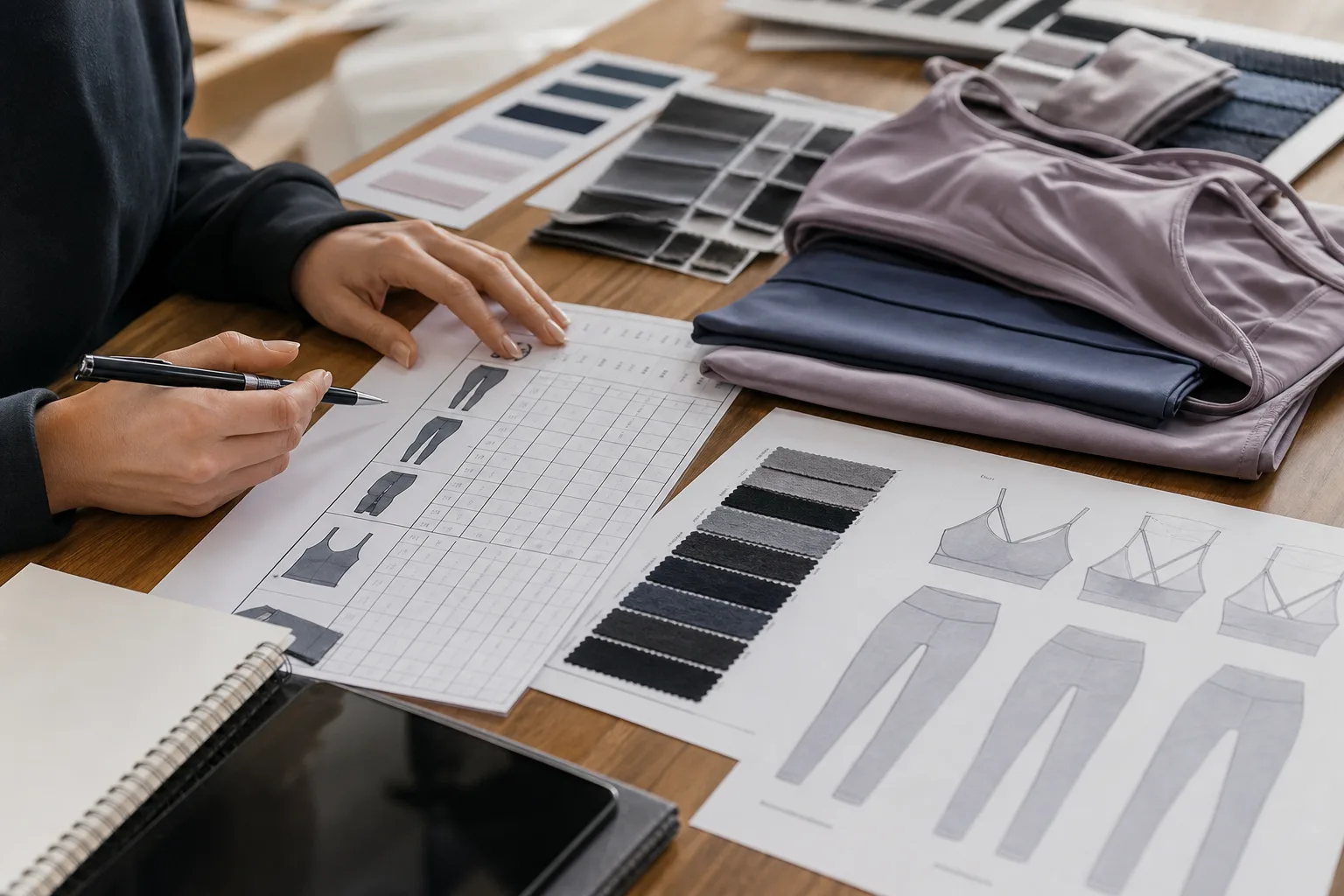
Pattern making explains one customization workflow so buyers know what input is needed, what gets confirmed, and what affects approval speed. It turns a style idea into production-ready garment pieces with defined measurements, balance, and construction logic for yoga apparel and activewear. The pattern affects how the garment fits against the body, how stretch fabric behaves in motion, and how consistently the style can be sampled, graded, and prepared for bulk production. If you already have measurements, sketches, or a tech pack, pattern work can move directly into development review. If the product direction is still being refined, a consultation can help confirm fit intent, fabric behavior, and construction details before sampling begins.
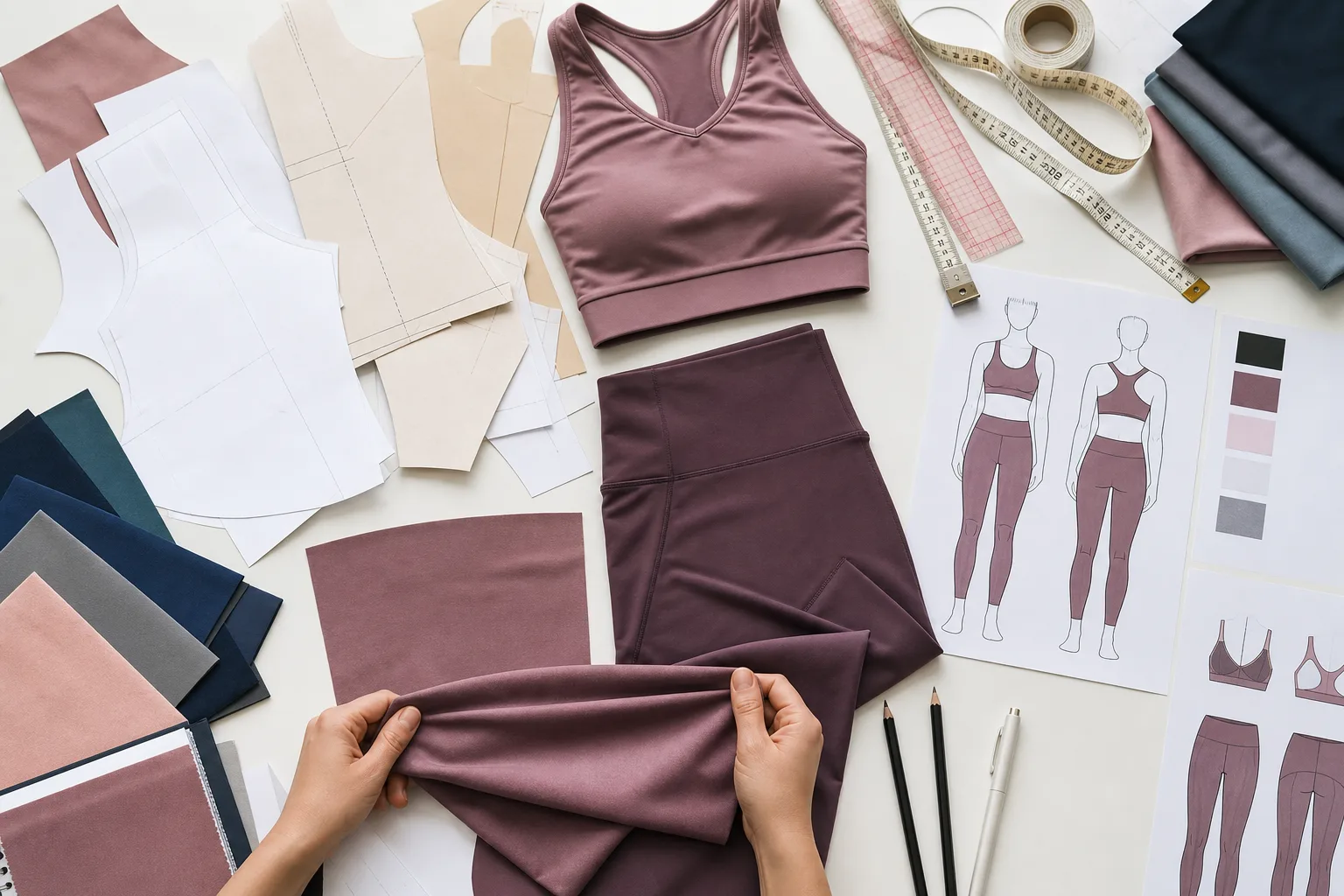
Separate confirmed details from development needs, required files, and sample references.
Leggings, bras, tops, shorts, sets, and other yoga apparel categories.
Leggings need waistband balance, rise planning, gusset shape, and seam placement that work during bending and.
Product and fit details: product type, intended fit, key measurements, size range, and target wearer profile.
Yoga and activewear projects.
In activewear, pattern making is more than drawing garment panels. It connects product shape, stretch direction, seam placement, and measurement logic so the sample can be reviewed against real fit requirements. For many projects, the quality of the pattern determines whether later sample comments are clear and manageable or repeated across multiple revisions.
Leggings, bras, tops, shorts, sets, and other yoga apparel categories early so sampling, branding, pricing, and.
Interpretation of buyer tech packs, reference garments, sketches, or marked-up photos separates confirmed.
Panels, gussets, waistbands, necklines, straps, pockets, and support areas affects files, references, trims,.
Sampling and later colors and size grading early so sampling, branding, pricing, and bulk production can move.
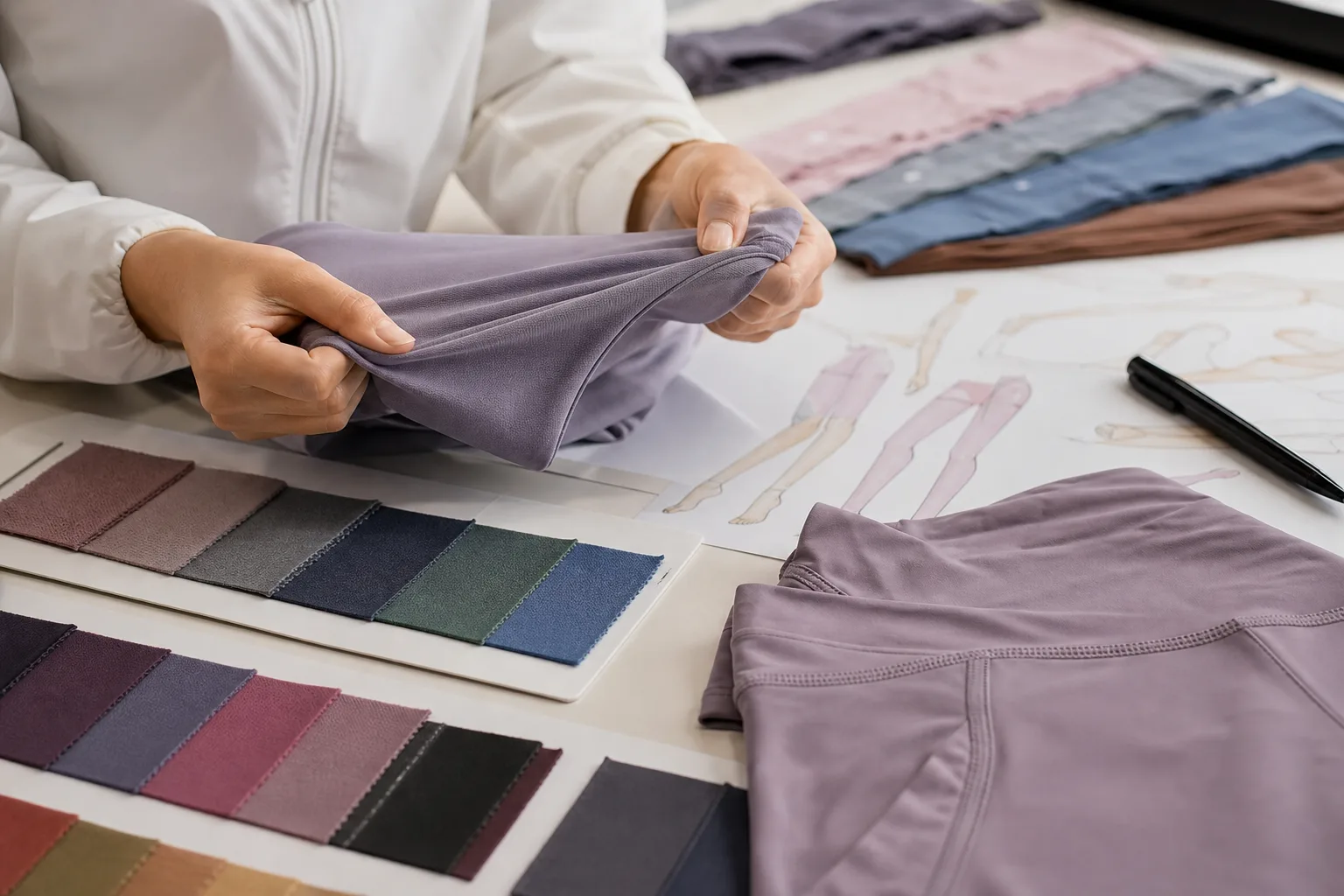
Adjustment planning when the selected fabric has different stretch, recovery, thickness, or hand feel separates.
Early pattern choices can reduce avoidable revisions later. These are some of the most important review points for yoga and activewear projects. A very tight fit may look correct in flat measurements but still feel restrictive once sewn in the chosen fabric. The pattern should reflect the intended wear experience, not only the visual silhouette. Contour lines, side seams, gussets, and support seams affect both fit and stitching complexity. This matters for projects moving into cut-and-sew activewear production, where sewing sequence and panel accuracy influence workmanship review. A pattern that looks acceptable in one sample size may still create fit problems in larger or smaller sizes. Grade planning should be considered early if the collection will launch with a full size range. Pattern orientation should align with the fabric’s performance direction. A mismatch can change recovery, shape retention, and how the garment moves during wear.
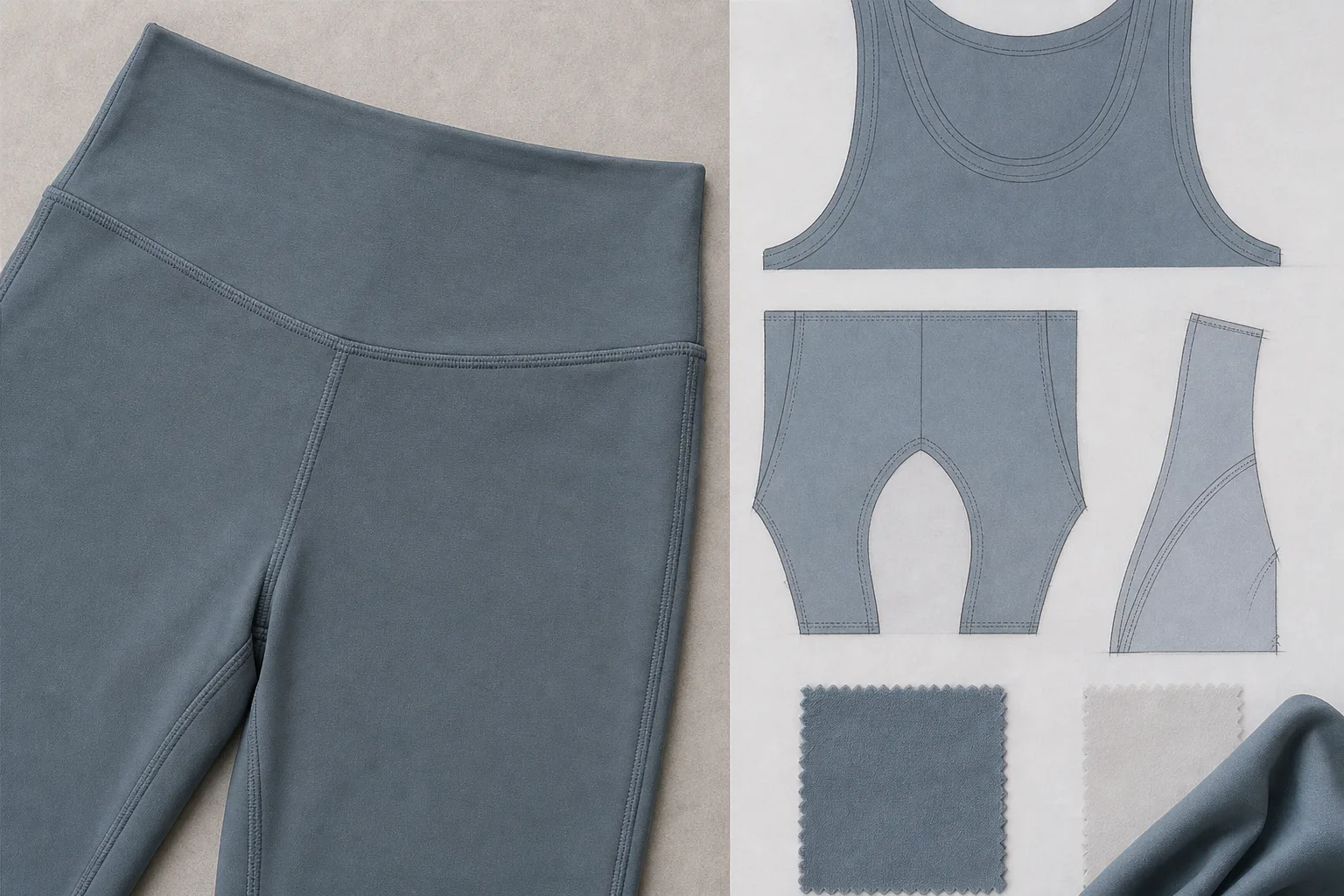
Pattern work moves faster when the fit direction is clear. Not every project starts with a complete tech pack, but the development team needs enough information to understand the intended garment shape and measurement priorities. Useful submission details often include:
Useful inputs: Tech pack, measurement chart, construction notes, logo details, size range.
Next step: Upload Your Tech Pack.
Useful inputs: Reference sample, product photos, marked comments, target fabric feel, estimated quantity.
Next step: Request Samples.
Useful inputs: Style direction, target market, use case, preferred silhouette, branding goals.
Next step: Get OEM/ODM Consultation.
Stretch garments do not behave like woven products. The same measurement can fit very differently depending on fabric weight, elasticity, recovery, and how the garment is intended to sit on the body.
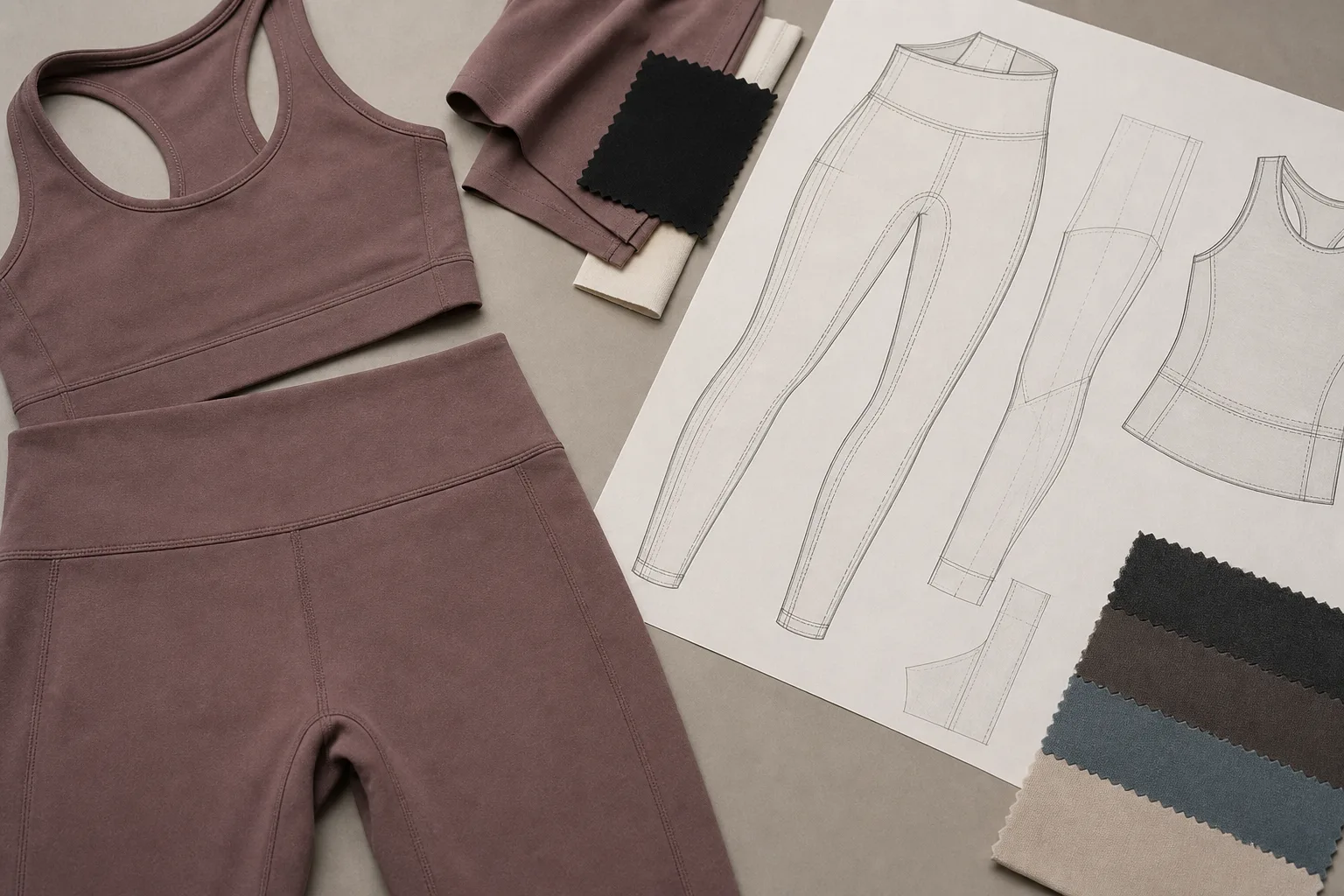
Pattern making is one approval stage within a larger development flow. Once the pattern direction is confirmed, the project can move into sample development for fit review, measurement checks, and construction evaluation. Standard sample timing is often around 5-7 days, while more complex styles may take around 7-10 days. Final timing depends on specification completeness, fabric availability, construction difficulty, logo method, and revision requirements.
When the development direction is not fully defined, it is usually better to clarify fit priorities first than to force immediate sample approval.
Keep the project conversation practical with clear expectations around sampling, production and quotation inputs.
The most useful inputs are a tech pack, measurement chart, reference garment, style sketches, construction notes, target fabric direction, size range, and branding details. If some items are not ready, reference images and fit comments can still help define the first development step.
Yes, pattern development may begin from reference samples, photos, sketches, or concept notes, but the more complete the specification is, the easier it is to reduce revisions. If the style is still being defined, an OEM or ODM consultation is usually the better starting point.
Pattern making establishes the base style direction, while grading prepares the approved style for additional sizes. Grading requirements depend on the product type, fit strategy, and target size range.
Standard samples are often around 5-7 days, and more complex samples may take around 7-10 days. Final timing depends on specification completeness, fabric availability, construction complexity, logo method, and revision needs.
Reference MOQ starts from 300 pieces. The final MOQ and size or color allocation depend on the product, fabric, construction, branding, and packaging.
Common causes include unclear fit intent, late fabric changes, incomplete measurement charts, missing construction notes, and approving appearance without checking movement-related areas such as waistbands, gussets, necklines, or underbands.
Share references, technical files, fabric direction, branding needs, target quantity, and launch timing so Ninghow Yoga can suggest the right route.