Eco-friendly yoga apparel for B2B collections
Eco-friendly yoga apparel focuses on product-level sourcing decisions such as fit, fabric behavior, construction details, and collection use. Ninghow Yoga supports eco-friendly yoga apparel projects with fabric selection, sample development, construction planning, branding, and bulk production. Your team can compare lower-impact material options, define fit and finish requirements, and prepare a more accurate quotation for your market and order plan.
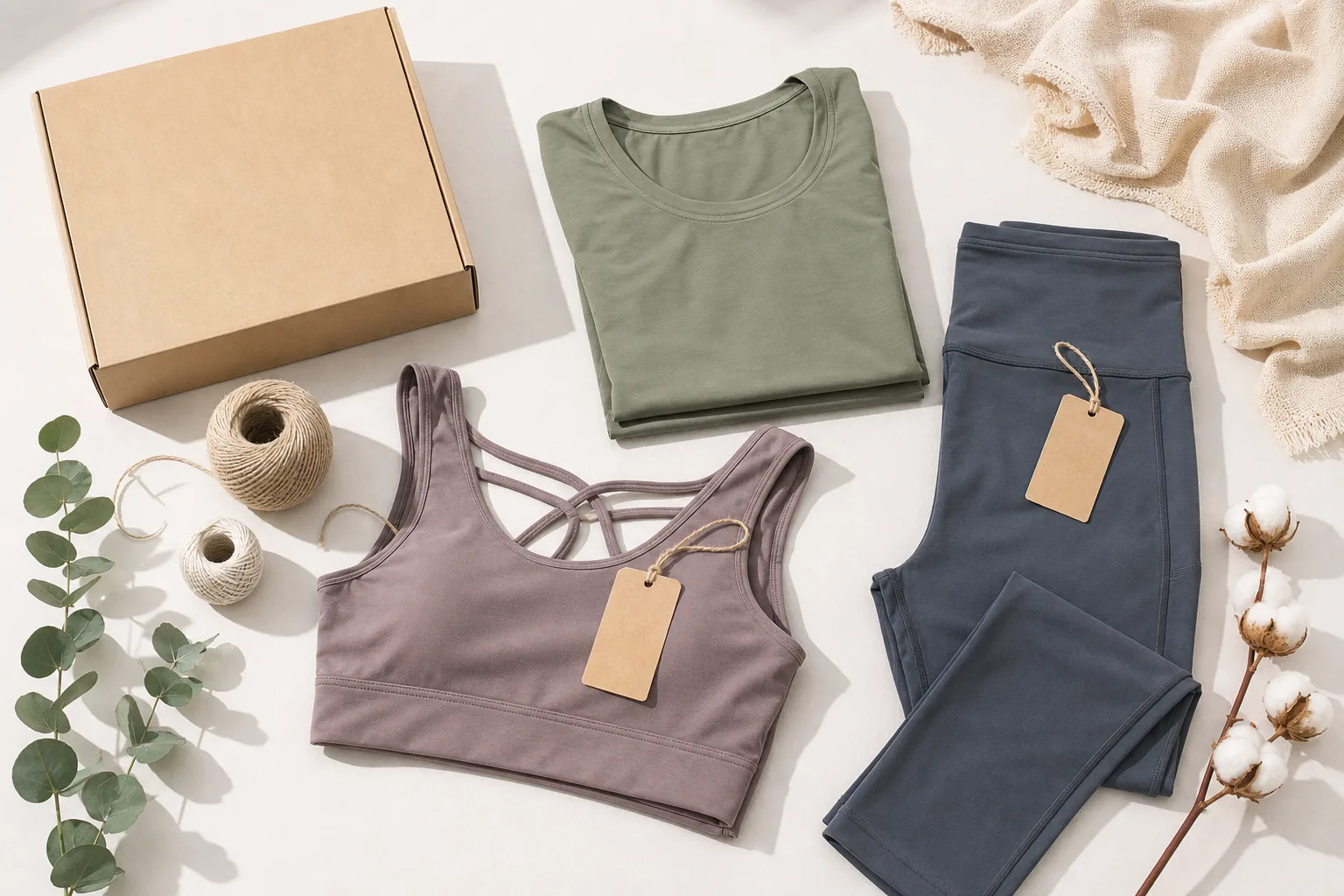
Category comparison
Compare garment types, fabric behavior, construction needs, and development inputs before requesting samples.
What eco-friendly usually
Lower-impact fibers or recycled content where suitable.
Fabrics
Fiber content and source documentation.
Products
This product direction can be applied across several yoga apparel categories. Brands often use one material.
Planning
Launch a sustainability-led activewear collection.
What eco-friendly yoga apparel usually includes
Eco-friendly yoga apparel refers to yoga garments developed with lower-impact material choices and responsible product decisions. The exact direction can vary by brand and market, but it often focuses on fabric source, durability, packaging, and the overall product lifecycle. For buyers comparing material routes, see recycled fabric activewear when the project is centered on recycled nylon, recycled polyester, or blended performance fabrics.
01
Fabrics
Lower-impact fibers or recycled content where suitable affects sample requirements, fabric choice, fit.
02
Fabrics
Stretch, recovery, and comfort with buyer decisions around construction, size range, colorways, and production.
03
Construction
Sourcing teams can prepare clearer references when durable construction that supports repeated wear and washing.
04
Fabrics
Packaging choices that reduce unnecessary material use belongs in fabric checks, sample comments, and quotation.
05
Packaging
Retail or e-commerce affects sample requirements, fabric choice, fit approval, and launch planning.
Product scope for eco-conscious collections
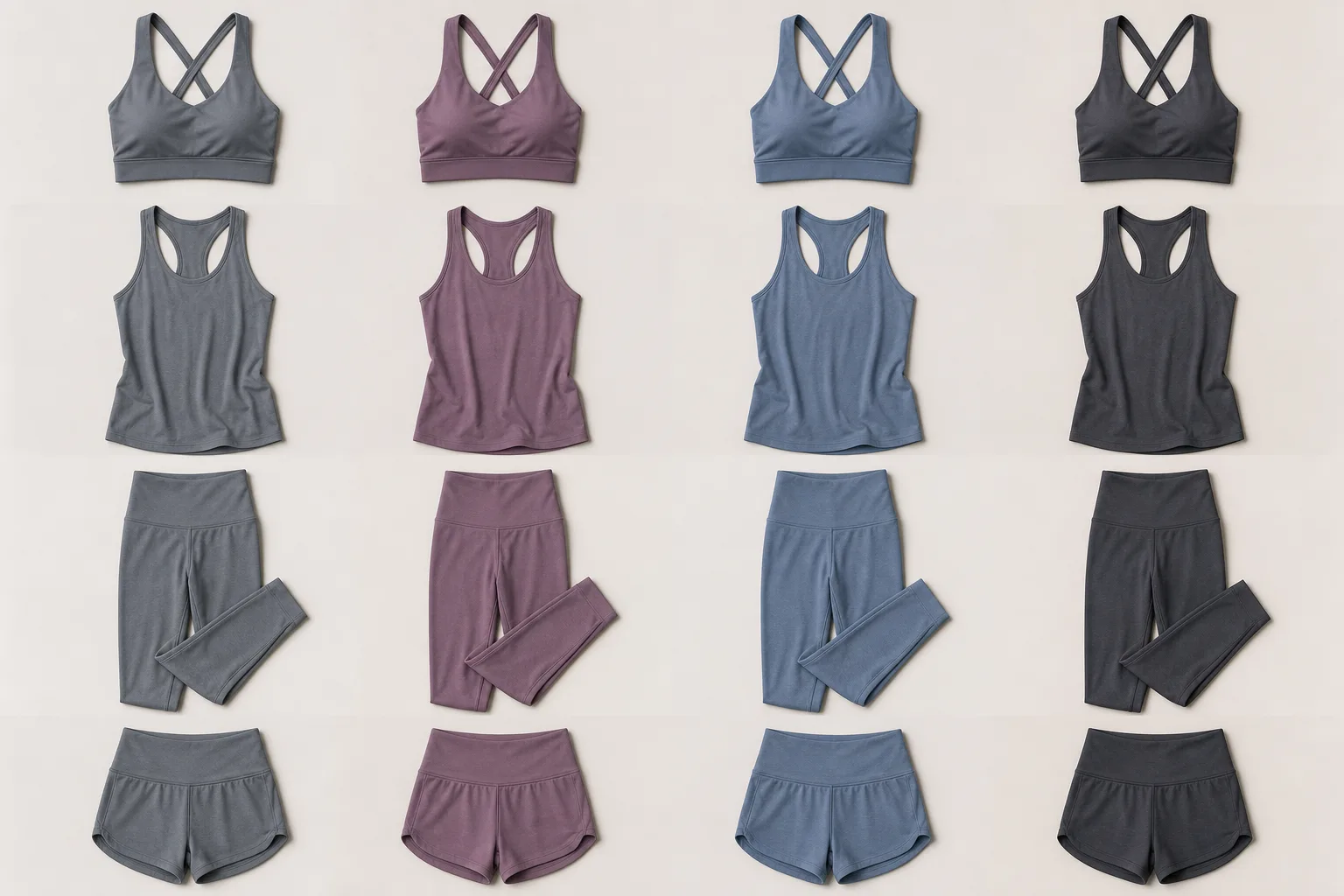
This product direction can be applied across several yoga apparel categories. Brands often use one material story across a capsule collection, then adjust construction and fit by garment type. Buyers planning a broader product mix can compare categories on Products before requesting samples.
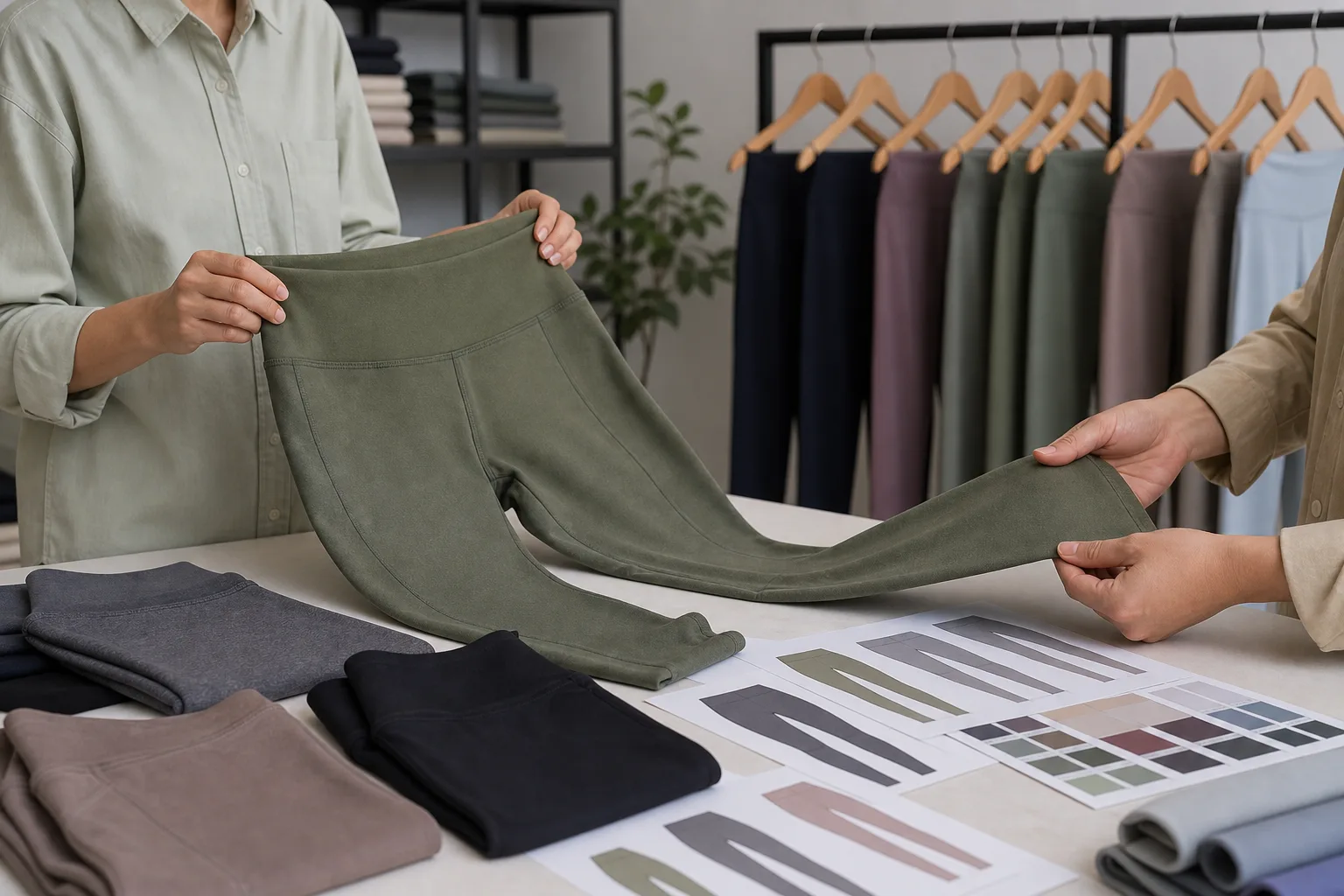
Planning
This product direction can be applied across several yoga apparel categories. brands often use one material.
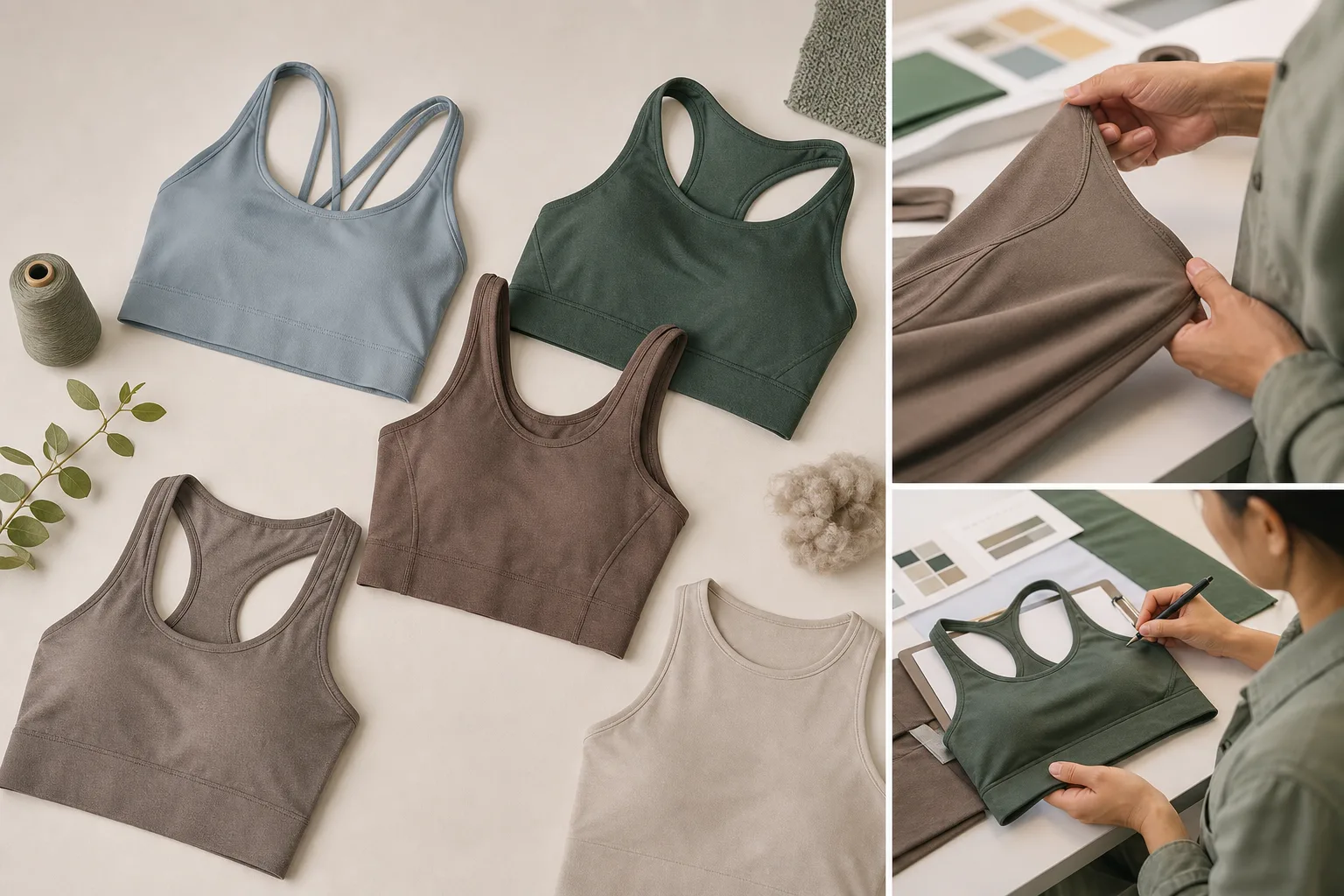
Sourcing
Connect product typetypical buyer focusselection notes with buyer decisions around construction, size range,.
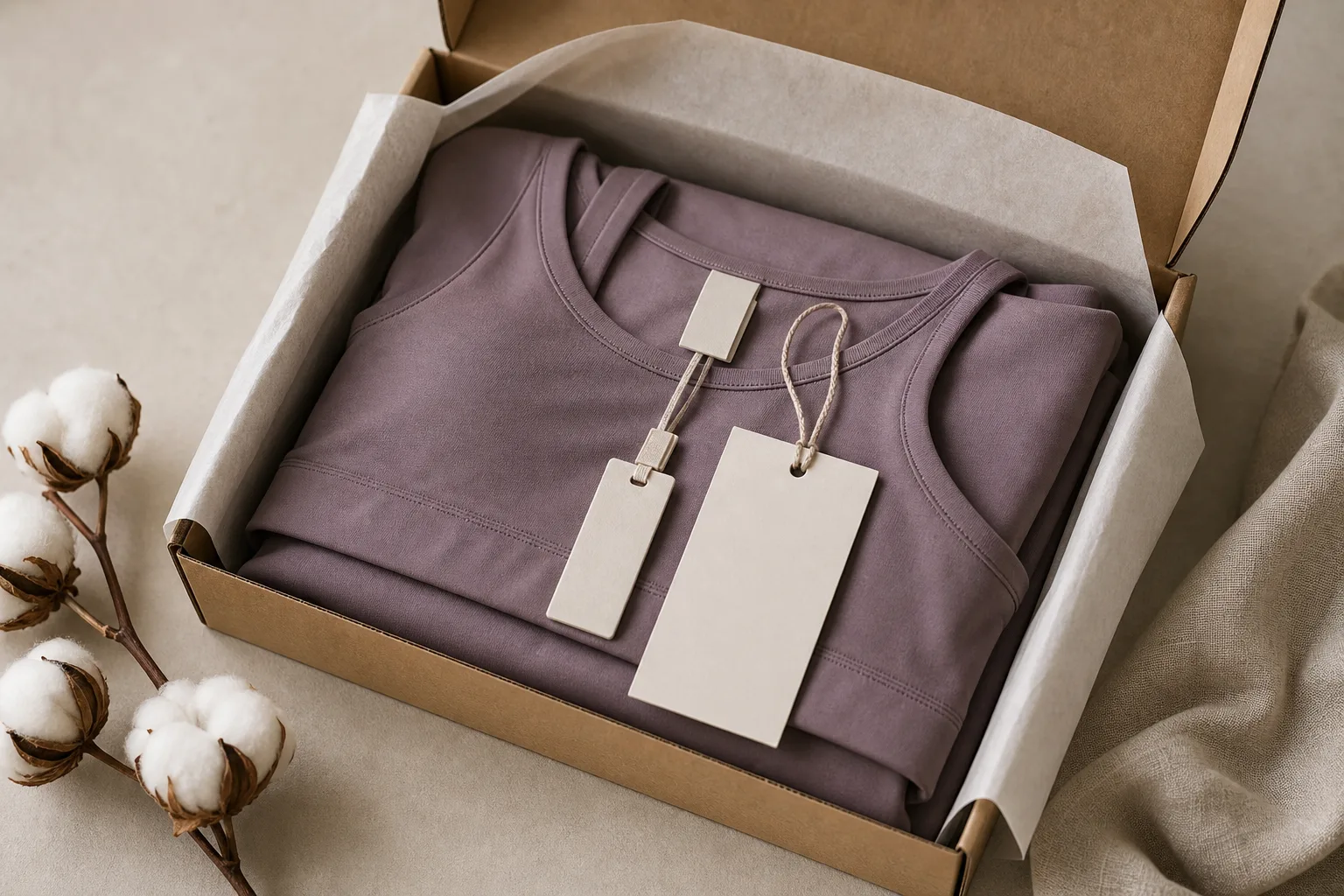
Fabrics
Studio wear and repeat movement becomes part of a custom yoga apparel program.
MOQ, timing, and production planning
Reference MOQ starts from 300 pieces. The final MOQ and size or color allocation depend on the product, fabric, construction, branding, and packaging. This is especially important for eco-friendly yoga apparel because material selection and custom finishes can affect order planning. Reference bulk production time is around 20–35 days. Approvals and material readiness. But the final schedule depends on product complexity. Order quantity. Branding. And the current production schedule.
- Material availability may change the final allocation
- More colors or sizes can affect the quantity split
- Custom packaging can influence cost and lead time
- Sample approval should come before bulk commitment
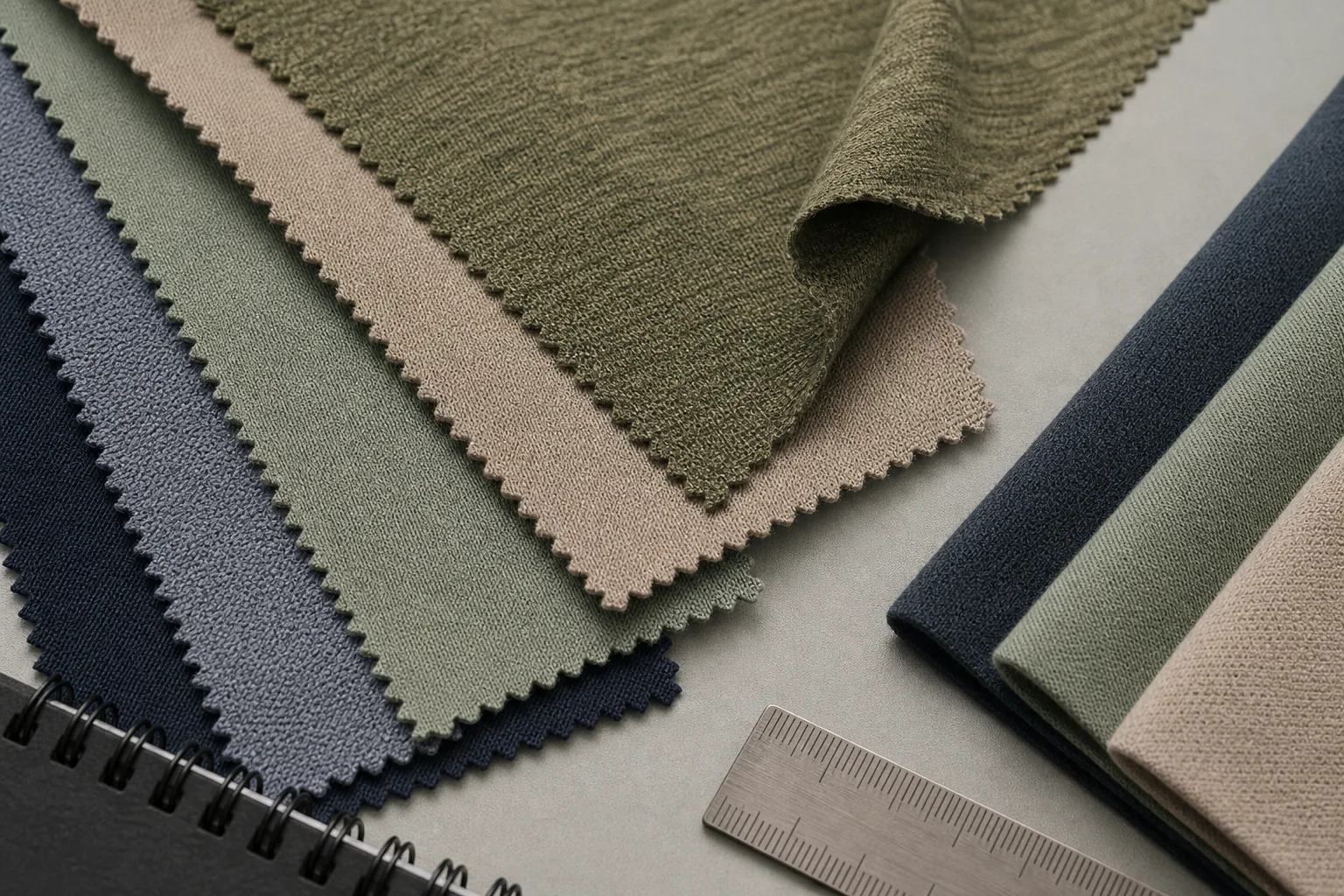
When buyers choose an eco-friendly direction
Brands, studios, and retailers usually request this product direction when the collection needs a clearer responsible-sourcing story without giving up wear performance. The most common projects include retail launch capsules, studio merchandise, subscription programs, and e-commerce ranges. For broader market planning, Sustainable Yoga Collections can help align the product direction with the intended channel.
- Launch a sustainability-led activewear collection
- Refresh an existing line with lower-impact fabric options
- Match product messaging with customer expectations on materials
- Create packaging and labeling that support a cleaner presentation
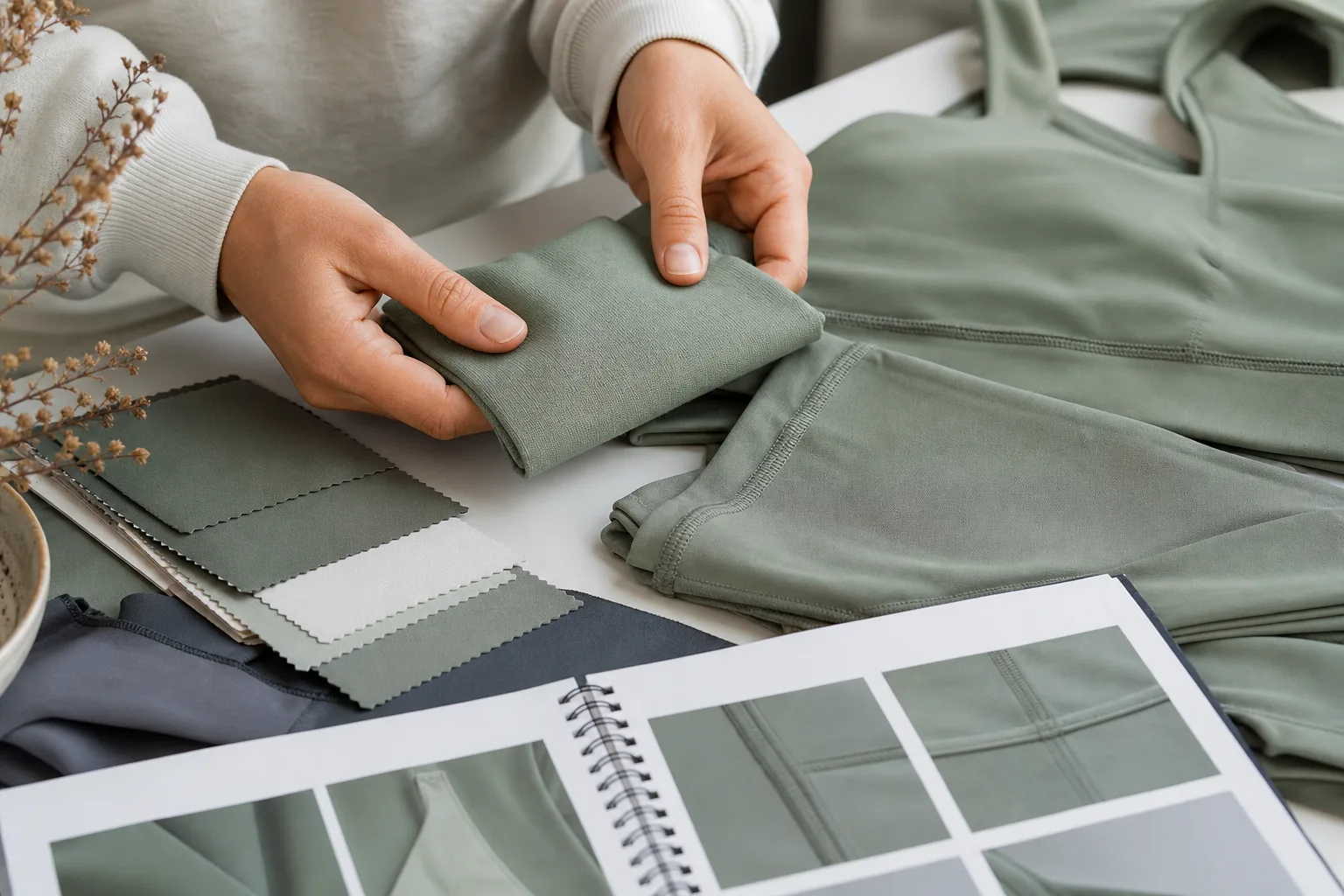
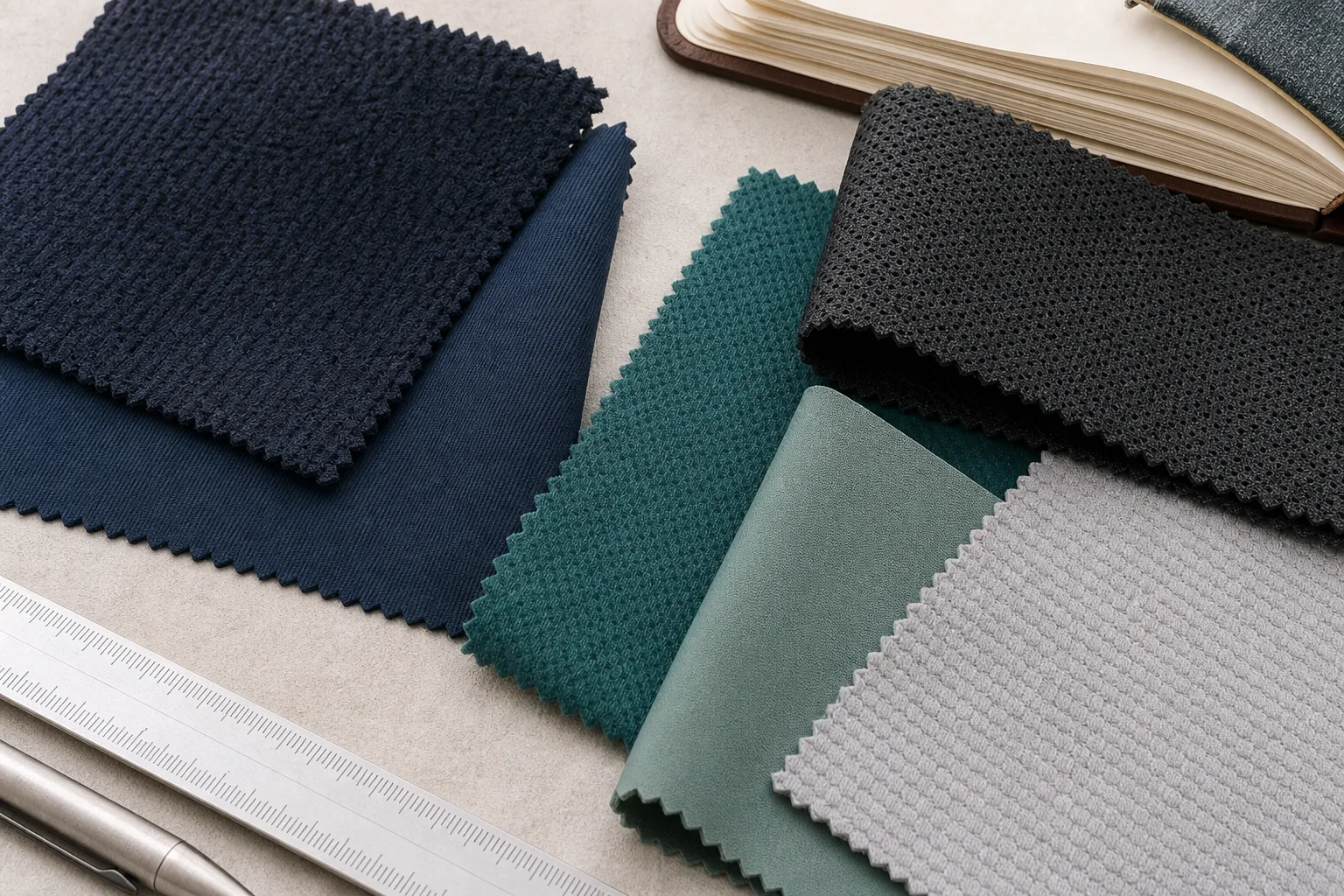
What to confirm before sampling
A sample is easier to evaluate when the buyer defines the project inputs clearly. That helps reduce revisions and makes the quotation more precise. Standard samples are usually around 5–7 days and complex samples around 7–10 days, subject to specification completeness, fabric availability, construction details, and revision requirements.
If you already have a full spec pack, you can Upload Your Tech Pack for quotation review.
- Product type and reference images
- Fabric preference or swatch request
- Target fit, size range, and grading needs
- Branding method, labels, and packaging direction
- Estimated quantity and shipping market
Quality checkpoints for lower-impact collections
Eco-friendly positioning still needs practical product checks. Buyers usually review both the material story and the garment performance before release. Relevant certification and testing requirements should be confirmed for each product and destination market. Third-party testing or document review can be coordinated when required, and certification logos should only be displayed after manual verification. See Certifications & Compliance for the project review process.
- Fabric hand feel and recovery
- Color consistency across sizes and SKUs
- Measurement accuracy after sample approval
- Seam comfort and construction finish
- Label placement and packaging presentation
Continue with the most relevant sourcing path
Compare related service, product, and contact options when you are ready to move forward.
Answers buyers usually need before starting
Keep the project conversation practical with clear expectations around sampling, production and quotation inputs.
What makes eco-friendly yoga apparel different from standard yoga apparel?
It usually focuses on lower-impact material choices, more durable product planning, and packaging decisions that support a cleaner presentation. The final direction depends on the fabric, construction, and branding requirements.
Can I request eco-friendly yoga apparel with my own logo and labels?
Yes. Logo application, labels, and packaging can be arranged according to the approved project requirements. The exact method depends on the garment type and material.
What details should I send for an eco-friendly yoga apparel quotation?
Product type, reference images, fabric preference, size range, color range, estimated quantity, branding needs, and shipping destination are useful starting points.
Can I request fabric swatches before sampling?
Yes. Swatches are helpful when you want to compare hand feel, stretch recovery, color, and fabric direction before approving a sample.
What is the reference MOQ for eco-friendly yoga apparel?
Reference MOQ starts from 300 pieces. The final MOQ and size or color allocation depend on the product, fabric, construction, branding, and packaging.
How long does sampling usually take?
Standard samples are around 5–7 days and complex samples around 7–10 days, subject to specification completeness, fabric availability, and revision requirements.
Prepare a product brief for sample discussion.
Send the product type, reference styles, fabric preference, size range, target quantity, and branding needs so Ninghow Yoga can confirm sample feasibility.