Yoga apparel products for custom and private label development
Products focuses on product-level sourcing decisions such as fit, fabric behavior, construction details, and collection use. Ninghow Yoga organizes yoga apparel products for buyers who need to compare garment types, construction methods, and collection directions before sampling or bulk planning. Review core categories, compare fitted and relaxed silhouettes, and move forward with fabric swatches, sample requests, or a project-specific quotation based on current product information.
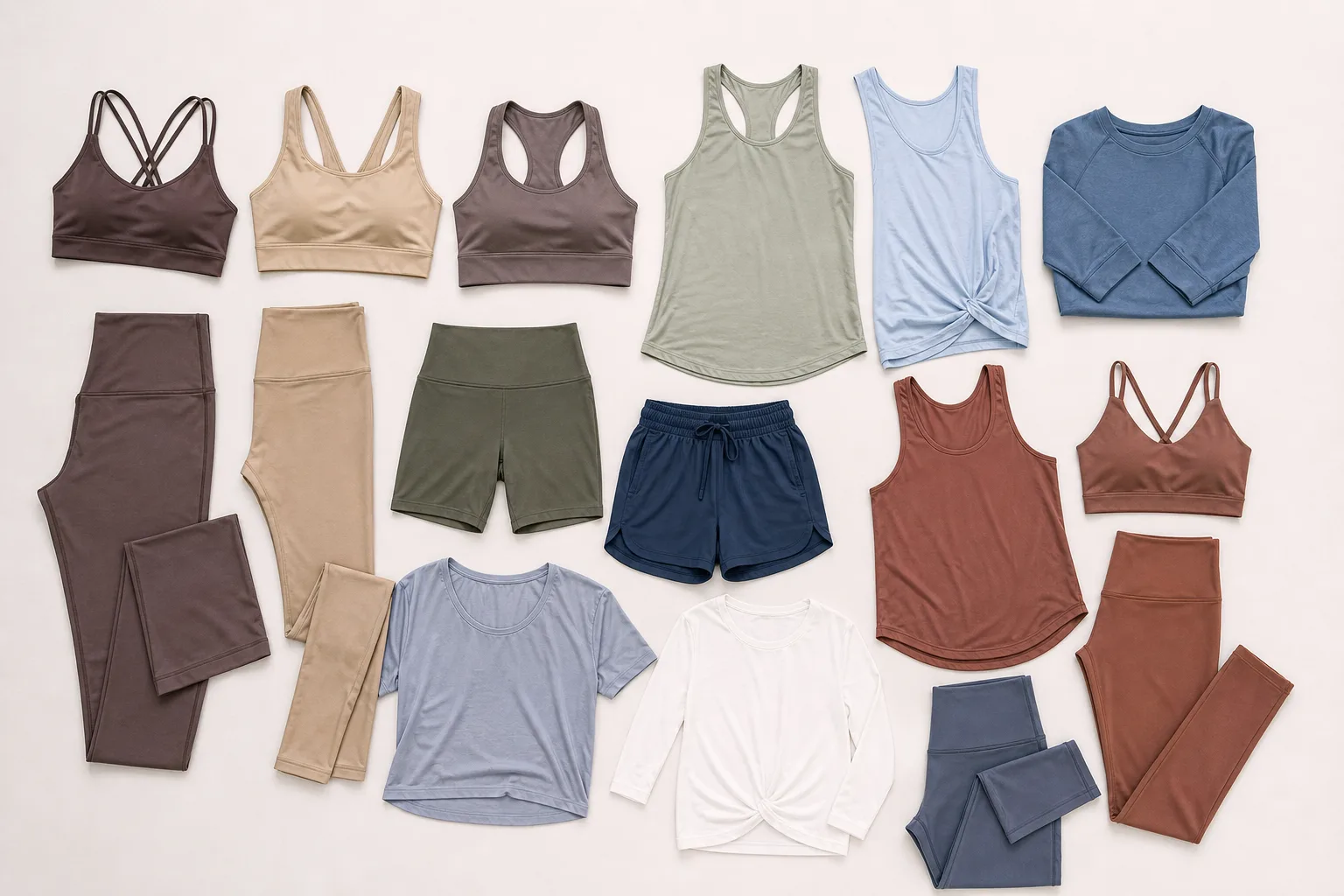
Category comparison
Compare garment types, fabric behavior, construction needs, and development inputs before requesting samples.
Products
Yoga apparel buying usually starts with movement type, fit expectation, and price structure. A studio-focused.
Use these comparisons
If the collection depends on fitted lower-body styles, begin with custom yoga leggings and compare against yoga.
Planning
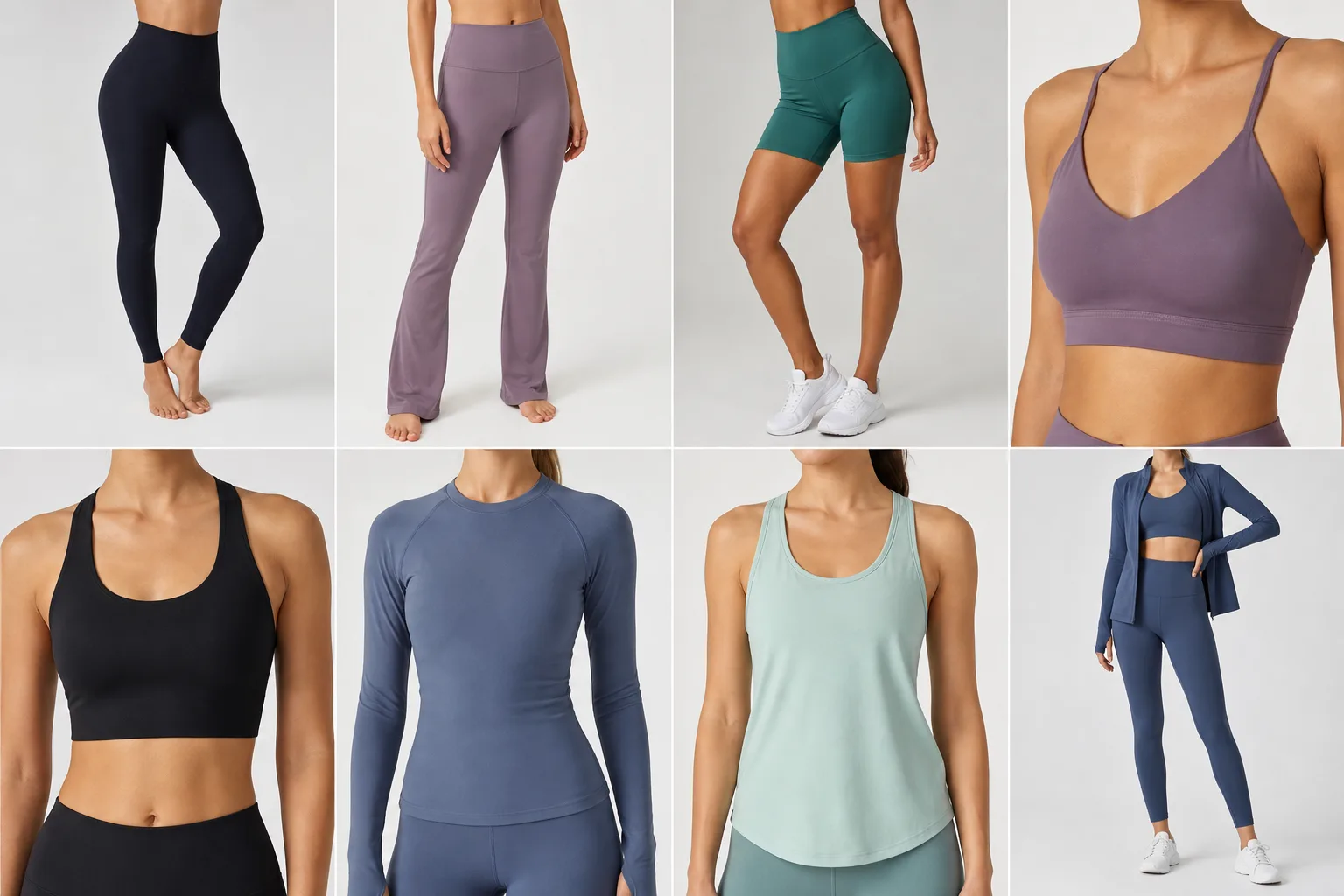
Define the garment type clearly: legging, pant, short, bra, top, tank, or set.
Products
Product category and reference images.
Approve the product direction before requesting development samples
Sample revisions usually increase when buyers approve a style image without confirming the construction details behind it. A more controlled start comes from aligning on the product decisions that matter most for the chosen category.
- Define the garment type clearly: legging, pant, short, bra, top, tank, or set.
- Confirm fit direction: compressive, second-skin, regular, flared, cropped, or relaxed.
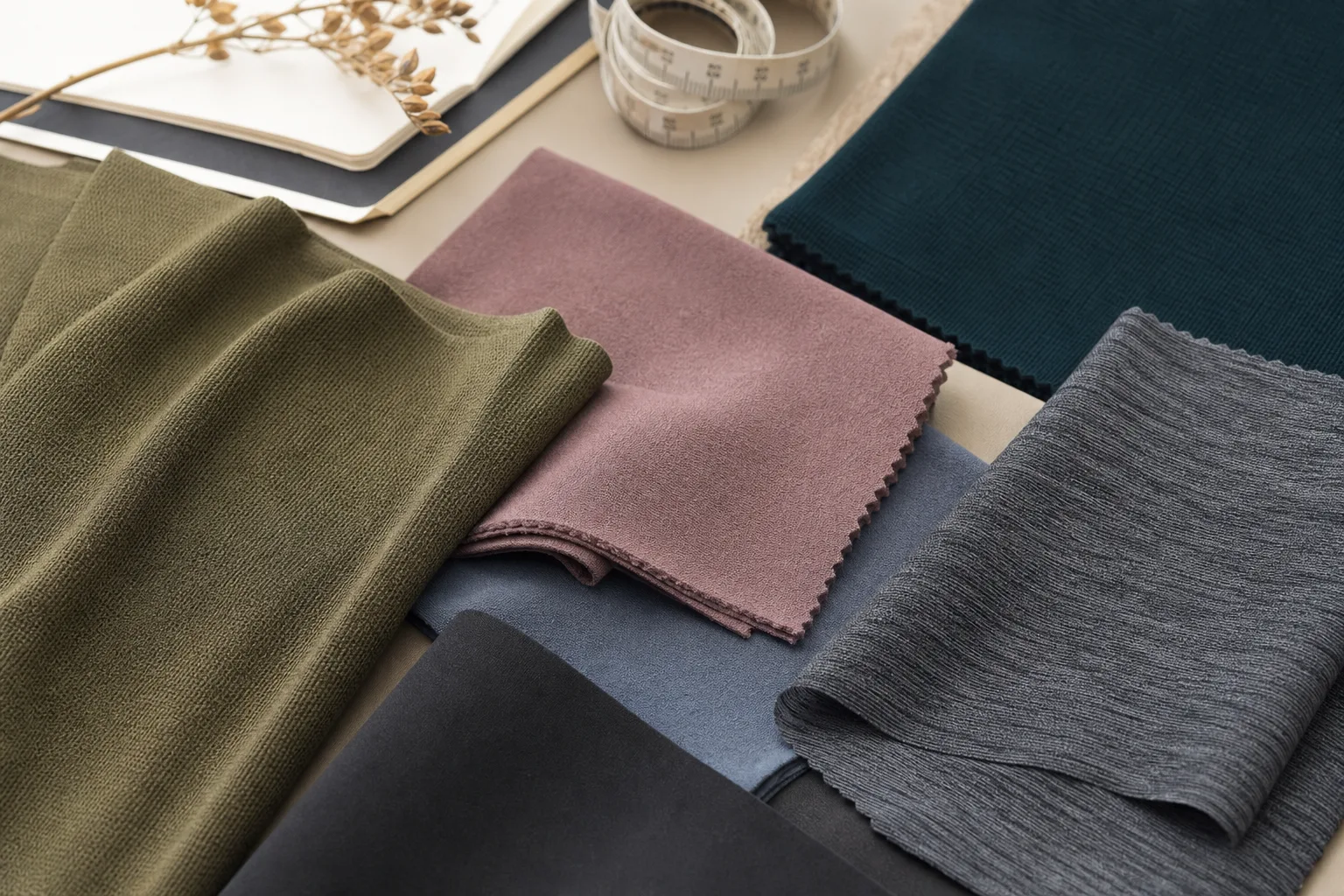
- List fabric expectations: composition preference, hand feel, weight range, opacity requirement, and recovery level.
- Mark visible construction points: waistband height, gusset type, neckline, strap width, sleeve length, pocket placement, or hem finish.
- Prepare branding direction: logo method, label type, care label content, and packaging standard.
- Check whether the project needs OEM execution or more development guidance through OEM yoga apparel or ODM activewear development.
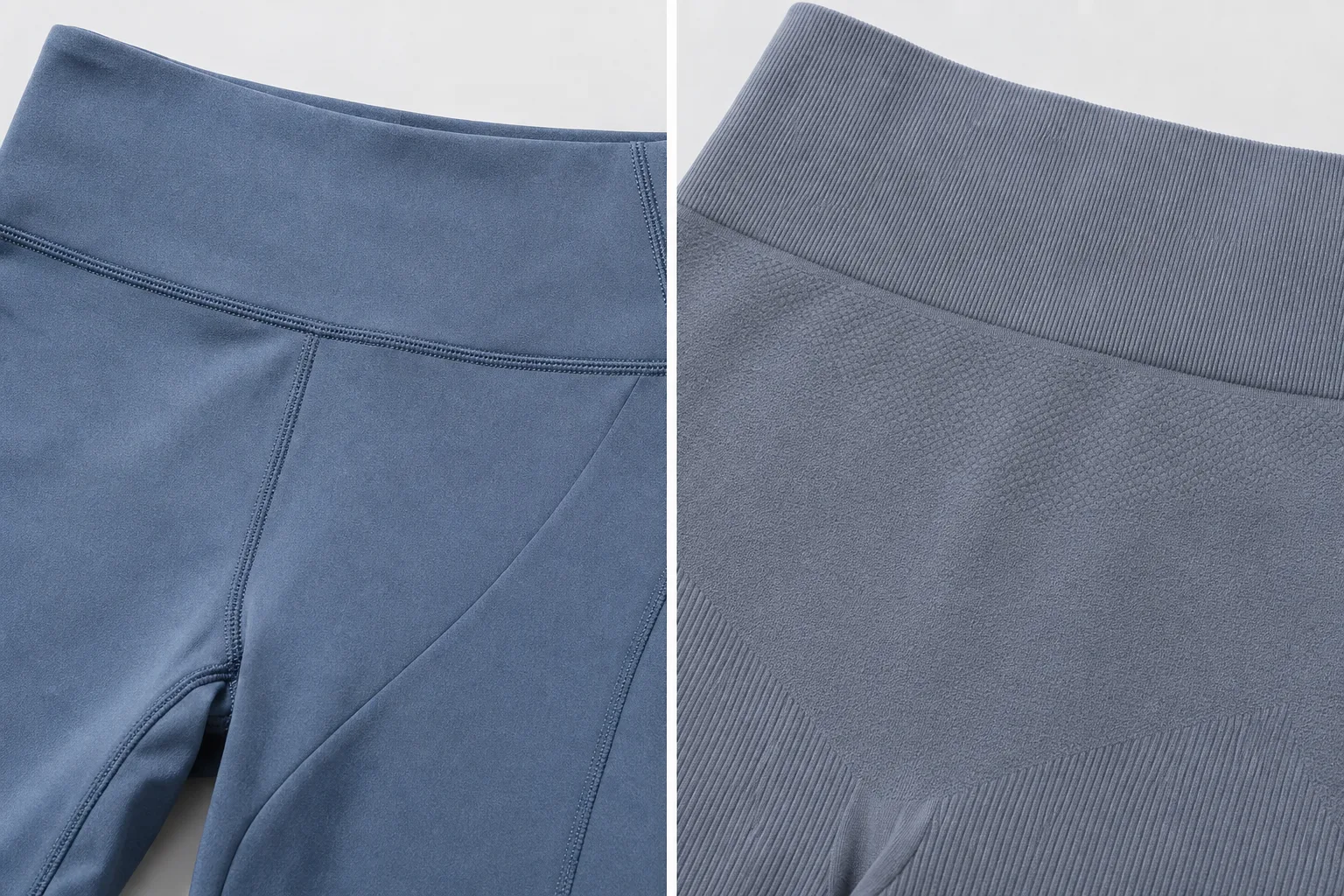
Compare cut-and-sew and seamless product routes before development starts
Construction affects appearance, fit definition, minimum order planning, and the way branding is applied. Two products may look similar online but require different development paths once fabric, shaping, and packaging are confirmed.
01
Products
Leggings, pants, shorts, bras, tops, and sets with defined seam lines affects sample requirements, fabric.
02
Construction
Connect allows more control over panel shape, gusset design, pocket construction, and mixed fabric use with.
03
Sourcing
Sourcing teams can prepare clearer references when useful when a buyer has a detailed tech pack or a clear.
04
Construction
Confirm cut-and-sew activewear options when seam placement and silhouette details matter belongs in fabric.
05
Sampling
Body-close fit, lighter seam presence, and engineered texture zones affects sample requirements, fabric choice,.
06
Fabrics
Collections that focus on stretch comfort, sculpted surface design, and simplified paneling with buyer.
Different buying situations usually start with different product mixes
Not every buyer should source the same product range first. The right opening assortment depends on sales channel, development budget, and how much product testing is needed before launch or reorder planning.
- Often start with leggings, yoga bras, and one or two tops.
- May need early fit testing across core sizes and repeatable color planning.
- Can compare yoga apparel brand sourcing routes before deciding the first SKU mix.
- Usually need strong visual differentiation between product groups.
- Often prioritize waistband profile, fabric finish, set matching, and packaging presentation.
- Can review e-commerce activewear brand requirements when planning product depth and sample presentation.
- May need broader size runs, simpler replenishment structure, or channel-specific packaging.
- Often compare yoga sets, leggings, tanks, and accessories-ready packaging concepts.
Send product details in groups for a clearer review
Buyers do not need to submit every detail at once, but more complete information usually leads to a more accurate sample plan or quotation review. If the collection concept is still being defined, start with Get OEM/ODM Consultation. If you already have references and want to compare garment execution, use Request Samples. If fabric choice is still open, begin with Request Fabric Swatches. Buyers with confirmed product details, quantity, branding, and delivery requirements can move to Request a Quote.
- Product category and reference images
- Tech pack or measurement chart, if available
- Fabric preference or target hand feel
- Size range and intended fit direction
- Logo artwork and preferred application method
- Main label, care label, hangtag, and package requirements
- Any set packing or retailer-ready folding requests
- Estimated quantity by style
Answers buyers usually need before starting
Keep the project conversation practical with clear expectations around sampling, production and quotation inputs.
How should I choose the first yoga apparel products for a new collection?
Most buyers start with the styles that define the collection visually and commercially, such as leggings, bras, tops, or sets. The right starting mix depends on your sales channel, target wearer, price range, and how many SKUs you want to test before bulk planning.
Can I request samples for several product categories at the same time?
Yes, but it is usually better to prioritize the most important categories first. Sampling too many different styles at once can slow approvals if fit direction, fabric choice, and branding details are still changing.
What is the MOQ for yoga apparel products?
Reference MOQ starts from 300 pieces. The final MOQ and size or color allocation depend on the product, fabric, construction, branding, and packaging.
What information helps compare products before asking for a quotation?
Useful information includes product type, reference images, tech pack or measurements if available, fabric preference, size range, logo method, packaging needs, estimated quantity, and shipping destination. These details help reduce back-and-forth during review.
Should I choose fabric before requesting a sample?
If you already know the target hand feel, stretch, and opacity requirement, fabric selection should be discussed early. If not, requesting swatches first can help narrow the sample direction and reduce later changes.
How do I decide between OEM and ODM for yoga apparel products?
OEM usually fits projects with a clear tech pack, measurements, and product specifications. ODM is often more suitable when you have a concept, reference styles, or a market direction but still need development support before finalizing the product details.
Prepare a product brief for sample discussion.
Send the product type, reference styles, fabric preference, size range, target quantity, and branding needs so Ninghow Yoga can confirm sample feasibility.