Fabrics
Why it matters: Changes stretch recovery, hand feel, opacity, and the intended use case.
Ninghow Yoga supports OEM yoga apparel projects for brands that already have a tech pack, reference sample, or defined product direction. We review fabric, fit, measurements, branding, and packaging from sample development through bulk production, so each approval point is clear and the order moves forward.
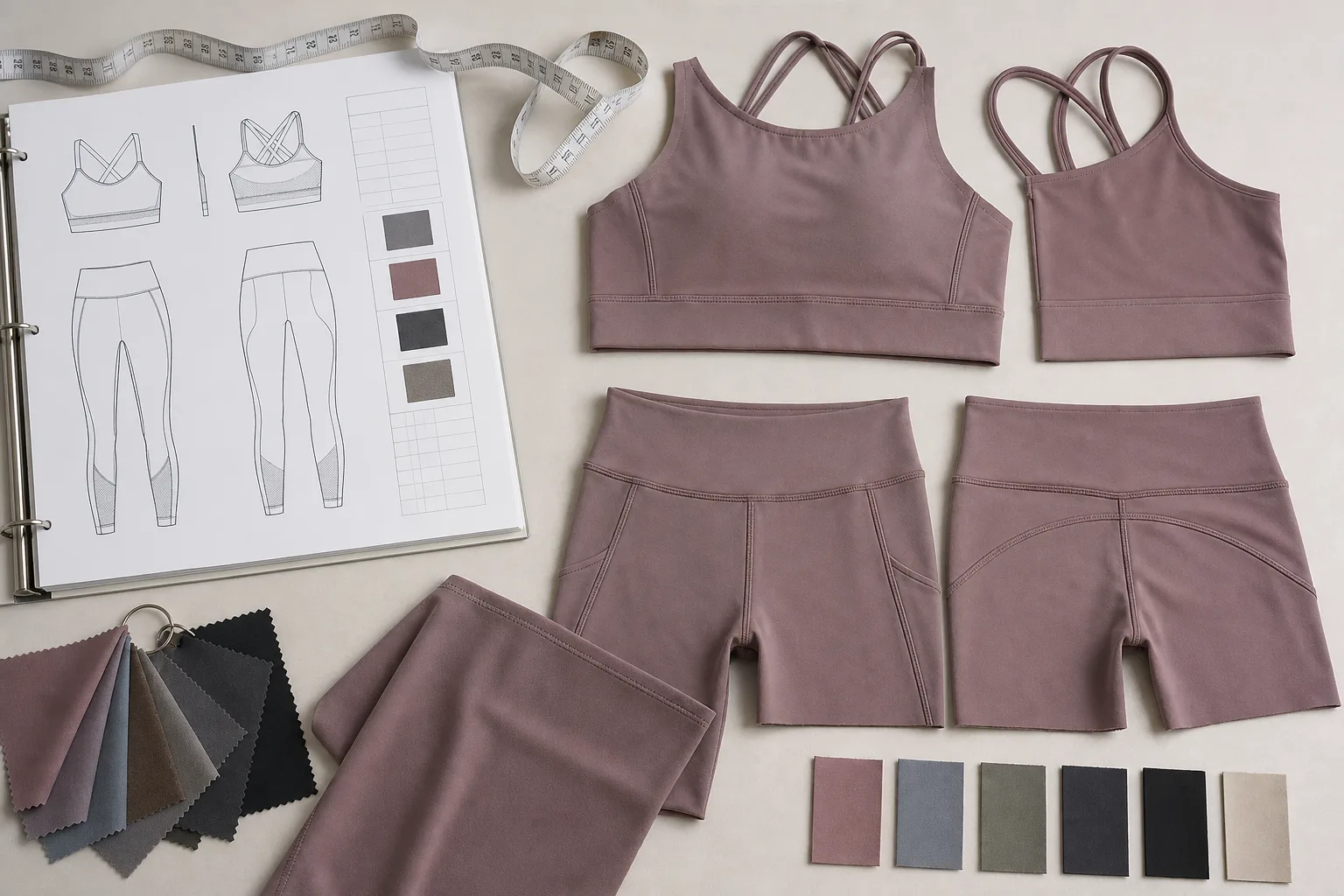
Separate confirmed details from development needs, required files, and sample references.
Buyer-provided measurements, images, or tech packs.
Garment type, such as leggings, bras, tops, sets, or shorts.
OEM yoga apparel is not only about copying a style. Small decisions can change how the garment fits, feels, and.
Turn an idea or reference style into a product plan.
A more accurate quotation starts with the right project inputs. You do not need a perfect file set to begin, but the more complete the brief, the easier it is to price materials, construction, and branding correctly. When the spec is not yet complete, tech pack support can help organize measurements, construction notes, and artwork before quotation review.
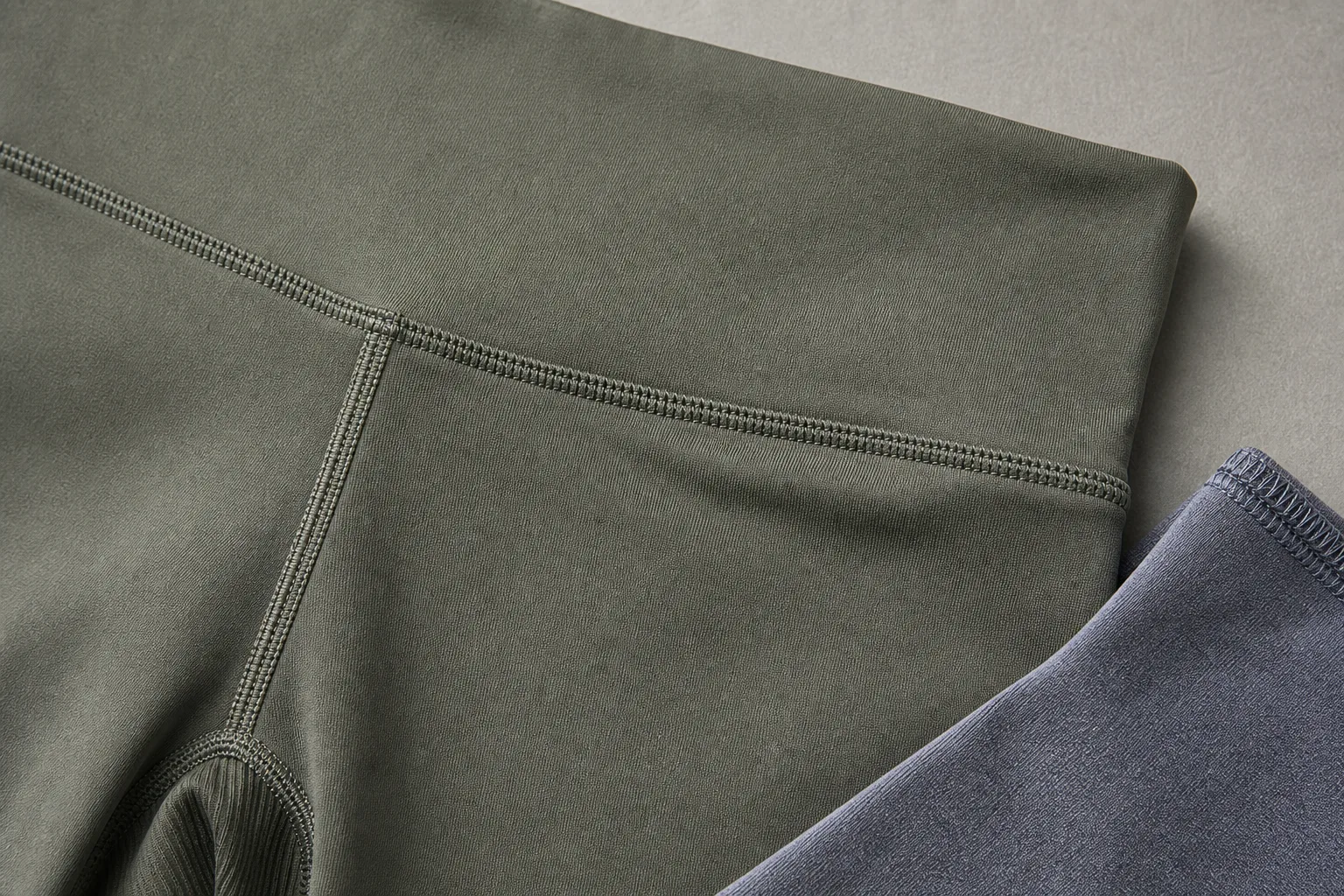
OEM means the buyer provides the product direction and Ninghow Yoga executes the garment against agreed specifications. That can include cut-and-sew production, size grading, labels, packaging, and production coordination after sample approval. If your idea is still being shaped, compare OEM and ODM routes with ODM activewear development before you lock the brief.
Buyer-provided measurements, images, or tech packs early so sampling, branding, pricing, and bulk production.
The approved specification separates confirmed details from decisions that still need development support.
Logo, label, and packaging application based on project requirements affects files, references, trims,.
Confirm sample development before bulk production release early so sampling, branding, pricing, and bulk.
Order follow-up through production and shipment coordination separates confirmed details from decisions that.
OEM yoga apparel is not only about copying a style. Small decisions can change how the garment fits, feels, and performs in movement. If measurements need refinement, pattern making helps translate the approved fit into production-ready patterns. If you are comparing materials, fabric sourcing can narrow the options by stretch, recovery, opacity, and hand feel.
Why it matters: Changes stretch recovery, hand feel, opacity, and the intended use case.
Why it matters: Shapes stability, comfort, and the way the garment sits on the body.
Why it matters: Affects movement, visual finish, and comfort in high-contact areas.
Why it matters: Influences appearance, production steps, and sample approval timing.
Why it matters: Determines fit consistency across the range and the final size allocation plan.
OEM works best when the product direction is already defined. ODM is better when the buyer wants development support to turn an idea or reference style into a product plan. When the brief is concept-only, move to ODM activewear development rather than forcing an OEM quote. When the product is already defined, OEM keeps the approval process more direct.
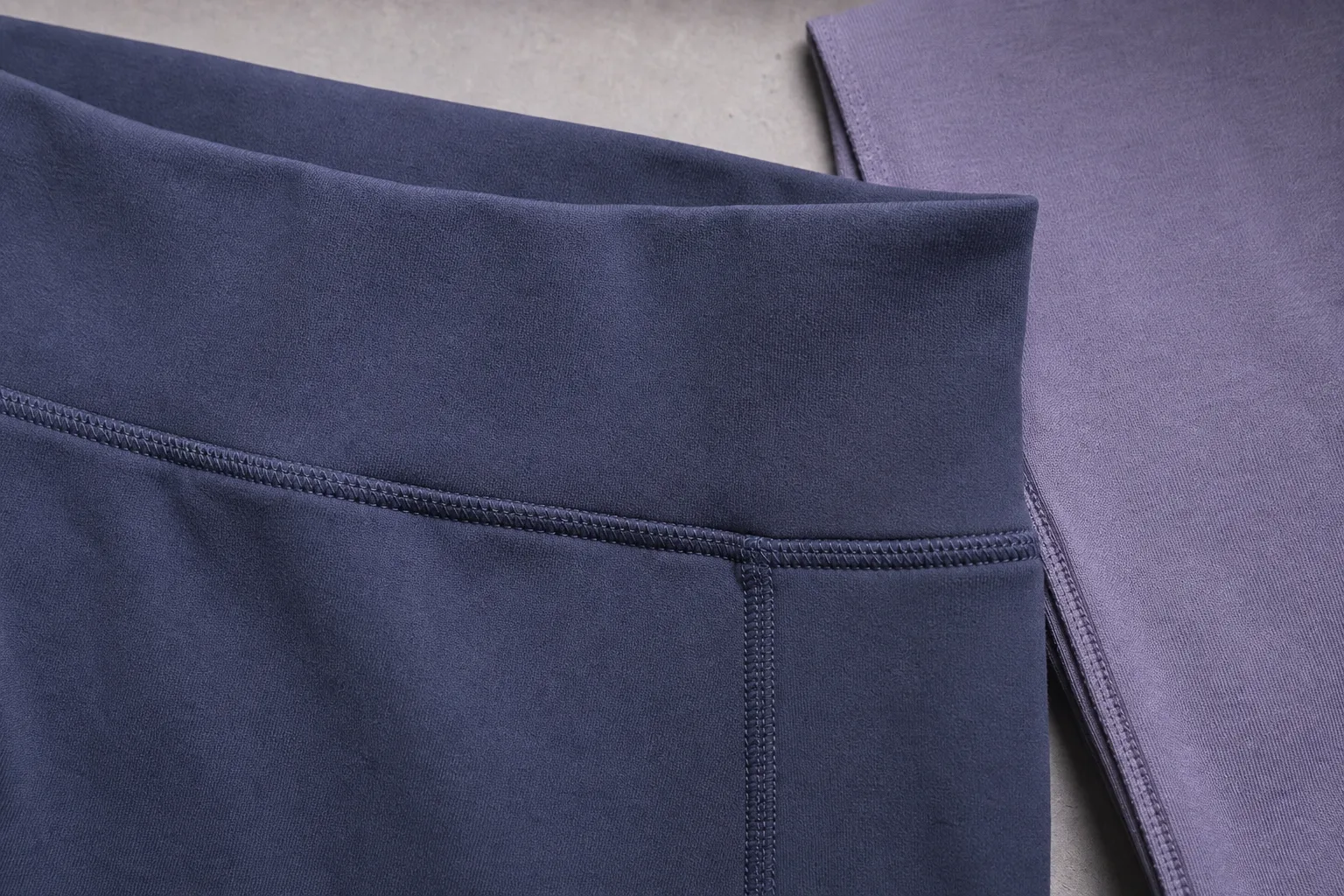
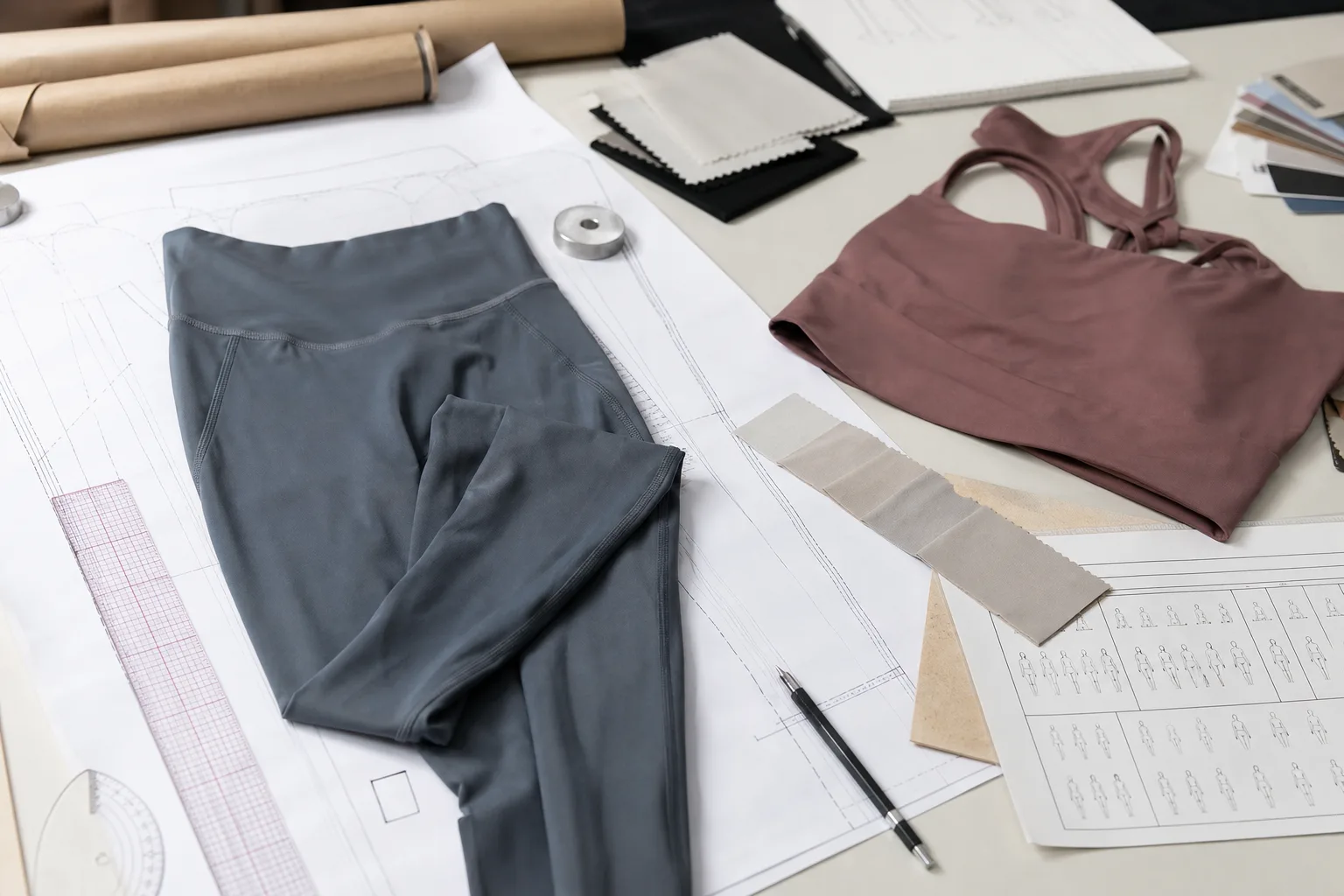
Sample approval and bulk planning should follow the agreed spec, not a generic development calendar. For fit-sensitive items, request sample development first, then confirm fabric and branding details before bulk release.
OEM projects work best when quality checks are built into the handoff between sampling and production. Review the broader process on quality control when you need production-stage inspection language for your internal team or buyer approval. If your shipment plan is already known, confirm the route and trade term while you prepare the order documents. Trade terms may include EXW, FOB, CIF, and DDP when confirmed for the project.
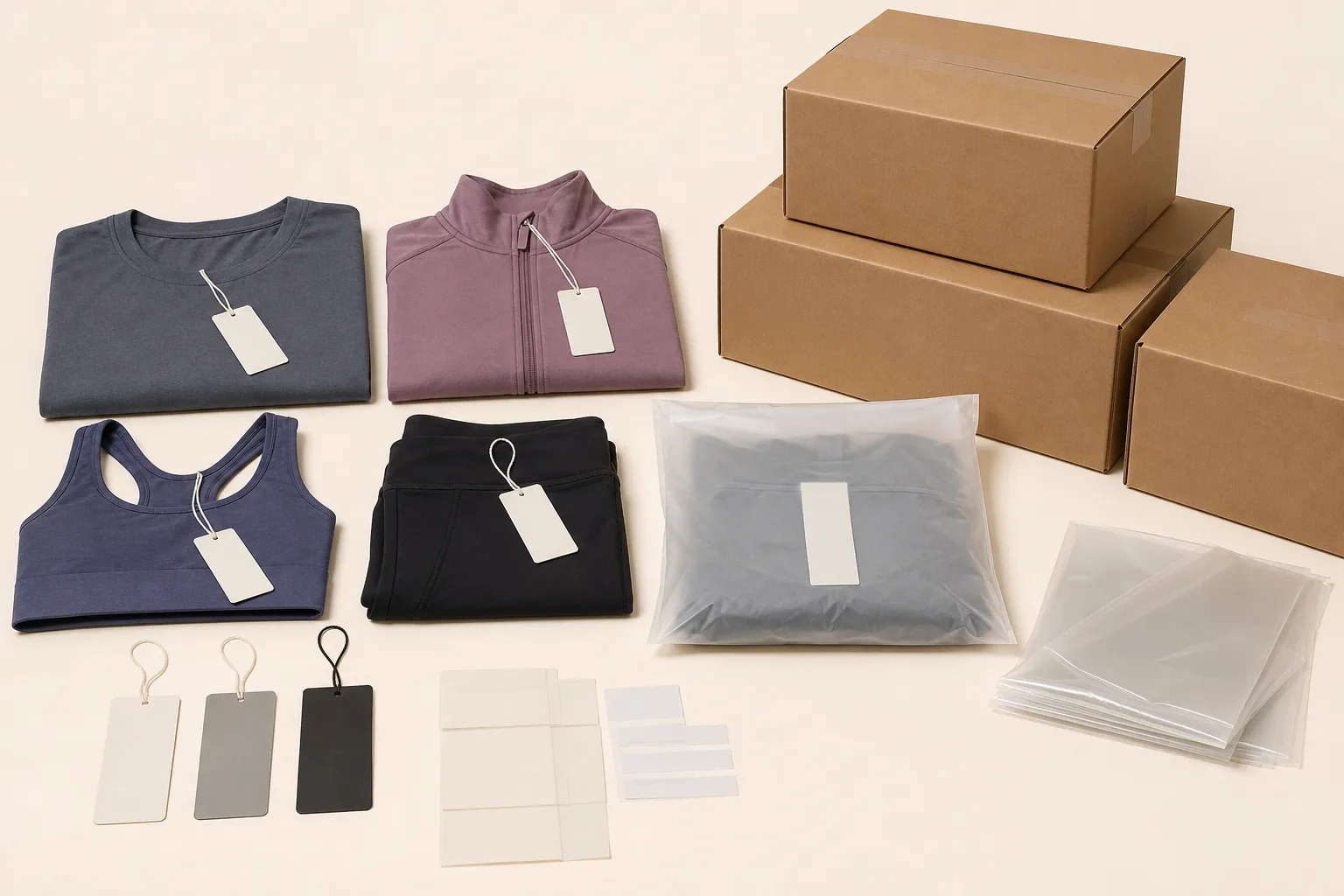
Compare related service, product, and contact options when you are ready to move forward.
Keep the project conversation practical with clear expectations around sampling, production and quotation inputs.
Share the garment type, reference images or a sample, measurements or a tech pack, fabric preference, logo artwork, size range, quantity, packaging direction, and destination. More complete information usually leads to a more project-specific quotation.
Reference MOQ starts from 300 pieces. The final MOQ and size or color allocation depend on the product, fabric, construction, branding, and packaging.
Standard samples are around 5-7 days and complex samples are around 7-10 days. Timing depends on specification clarity, material availability, construction details, and revision needs.
Yes. OEM projects are built around buyer-provided specifications, which can include a tech pack, measurements, and a reference sample. If the file set is incomplete, tech pack support can help organize the project before sampling.
Confirm fabric review, measurement review, workmanship checks, logo and label placement, and packaging review. AQL-based inspection support and third-party inspection support may be arranged when required.
EXW, FOB, CIF, and DDP may be supported when confirmed for the project. The best option depends on the shipment plan, destination, and the commercial agreement for the order.
Share references, technical files, fabric direction, branding needs, target quantity, and launch timing so Ninghow Yoga can suggest the right route.