Belly-panel height
What buyers review: Coverage level, edge finish, appearance under tops.
Why it matters: Supports the intended maternity fit direction and product presentation.
Maternity yoga wear requires product-level sourcing decisions across fit, fabric behavior, construction details, and collection use. It is more than a standard size extension. Buyers usually need a defined maternity fit strategy, soft stretch fabric with reliable recovery, and construction details that support comfort, coverage, and freedom of movement. Ninghow Yoga supports custom and private label maternity yoga wear development based on approved specifications, sample review, and bulk production planning.
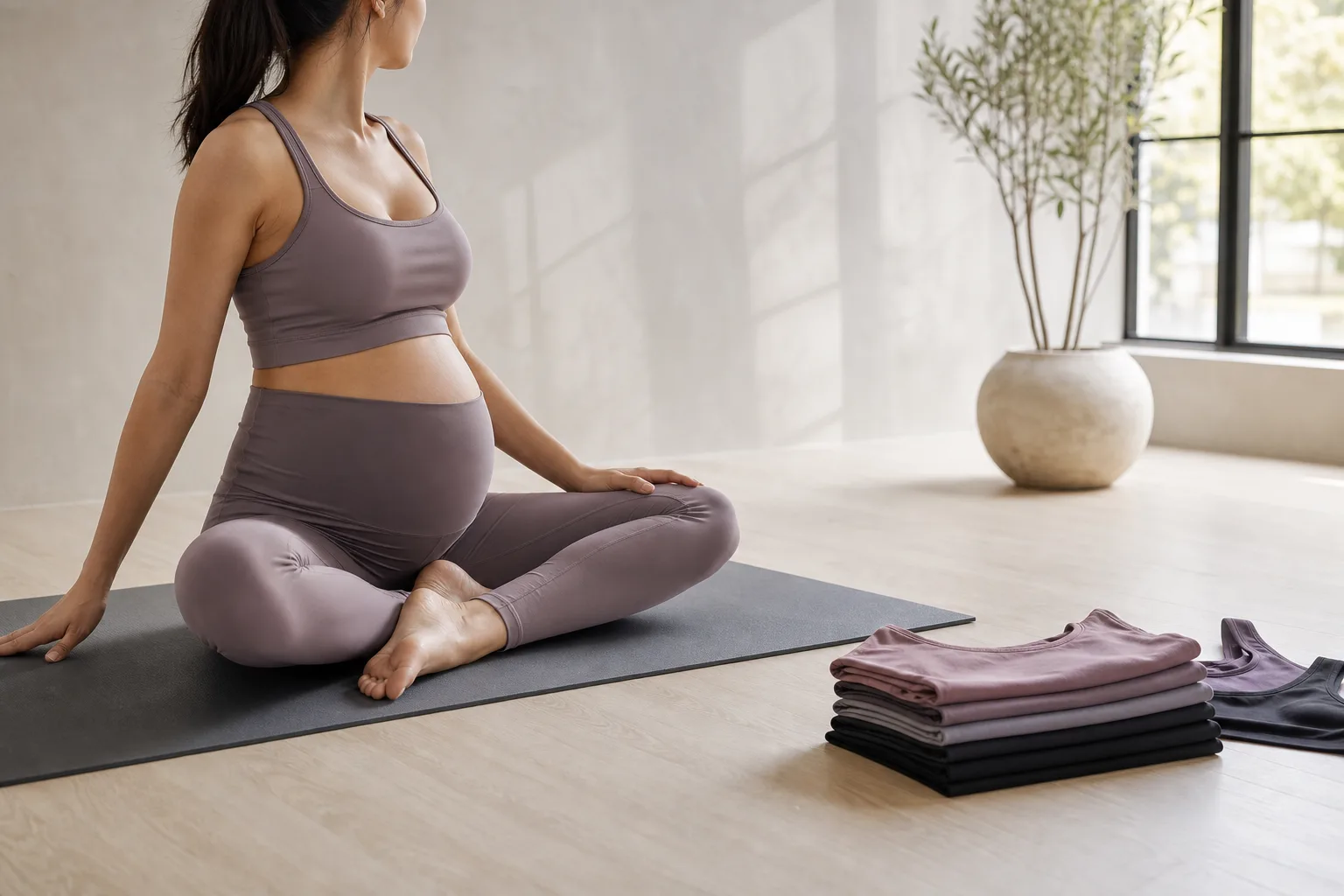
Compare garment types, fabric behavior, construction needs, and development inputs before requesting samples.
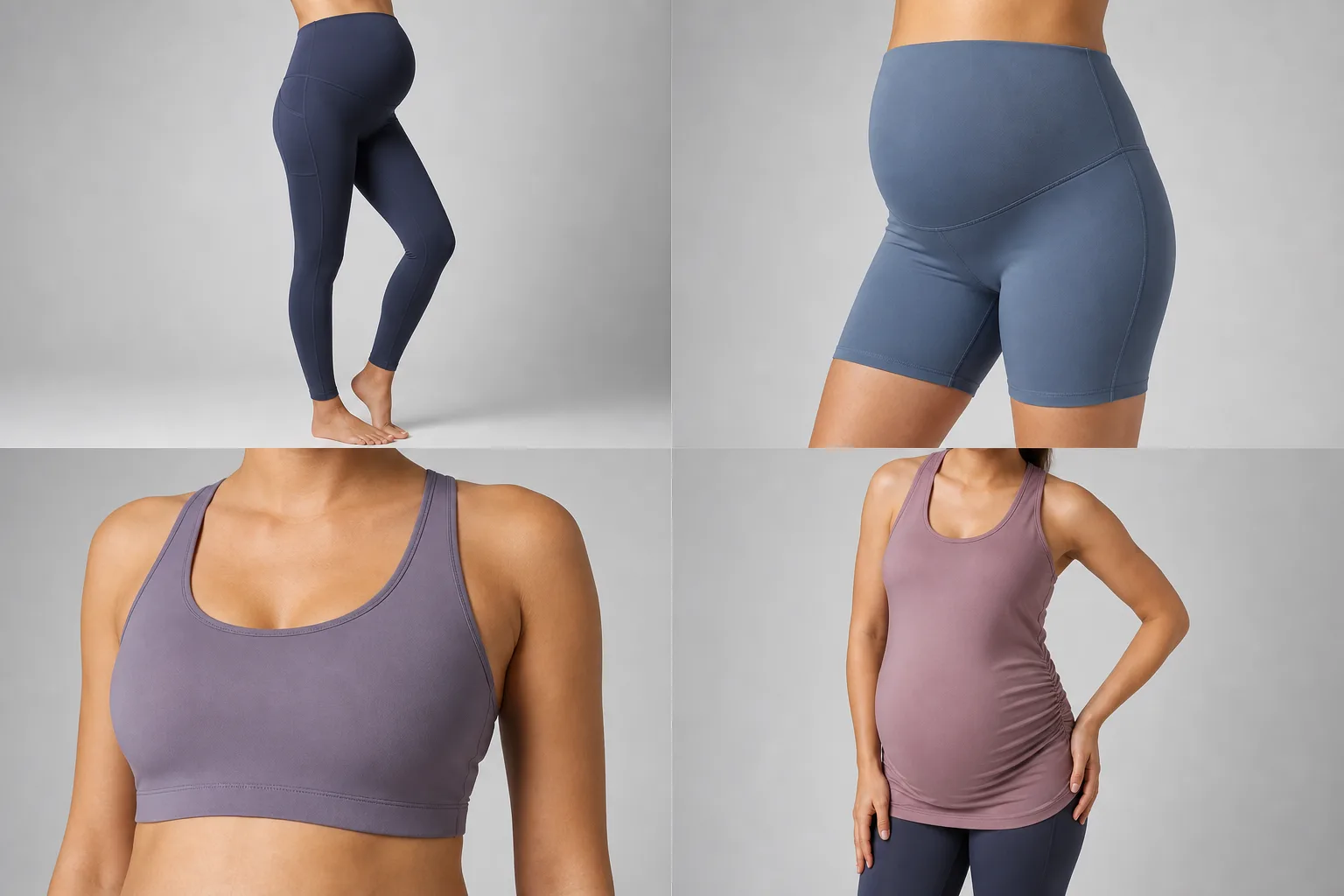
Leggings with full belly panel, crossover panel, or lower curved waistband.
Full panel: higher coverage and a cleaner front look when the buyer wants more fabric over the upper front area.
How the garment fits against the body.
The intended market and size range.
Maternity yoga wear is activewear developed for an intended maternity fit profile rather than a standard women’s fit block. The key difference is how the garment adapts in the waist and rise area. Keeping the rest of the style aligned with the buyer’s fabric. Coverage. And branding requirements.
Common product directions include leggings. Shorts. Bras. Tanks. Tops. And matching sets. For many collections. The main sourcing decision is not only the garment type. But also how the fit should change across the front rise. Back rise. Waistband shape. And belly-panel height. If your line includes several categories, it helps to define the broader women’s yoga apparel range first, then isolate which styles need maternity-specific grading and construction.
Leggings with full belly panel, crossover panel, or lower curved waistband affects sample requirements, fabric.
Connect yoga shorts with maternity waistband adaptation and opacity confirm with buyer decisions around.
Sourcing teams can prepare clearer references when soft bras and tanks coordinated with the maternity bottom.
Easier fit matching across size ranges belongs in fabric checks, sample comments, and quotation inputs.
Sample review for maternity yoga wear should focus on fit definition and construction behavior, not only appearance. A sample can look acceptable on a hanger while still needing revision in panel height, front rise balance, seam position, or fabric recovery. For projects that need pattern or fit refinement, buyers often combine pattern making with sample development before confirming bulk-ready specifications.
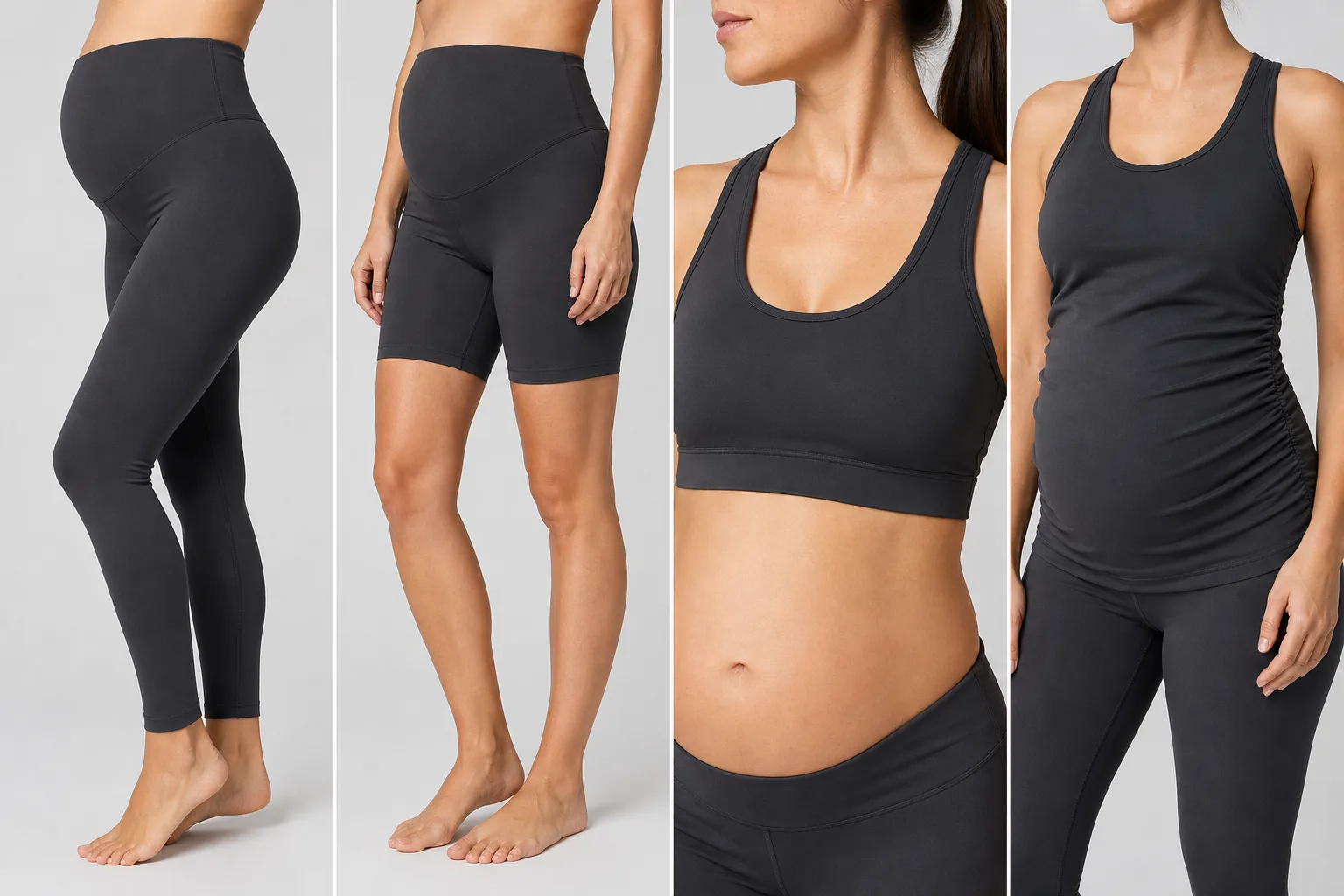
Confirm the intended wearer profile and fit direction affects sample requirements, fabric choice, fit approval,.
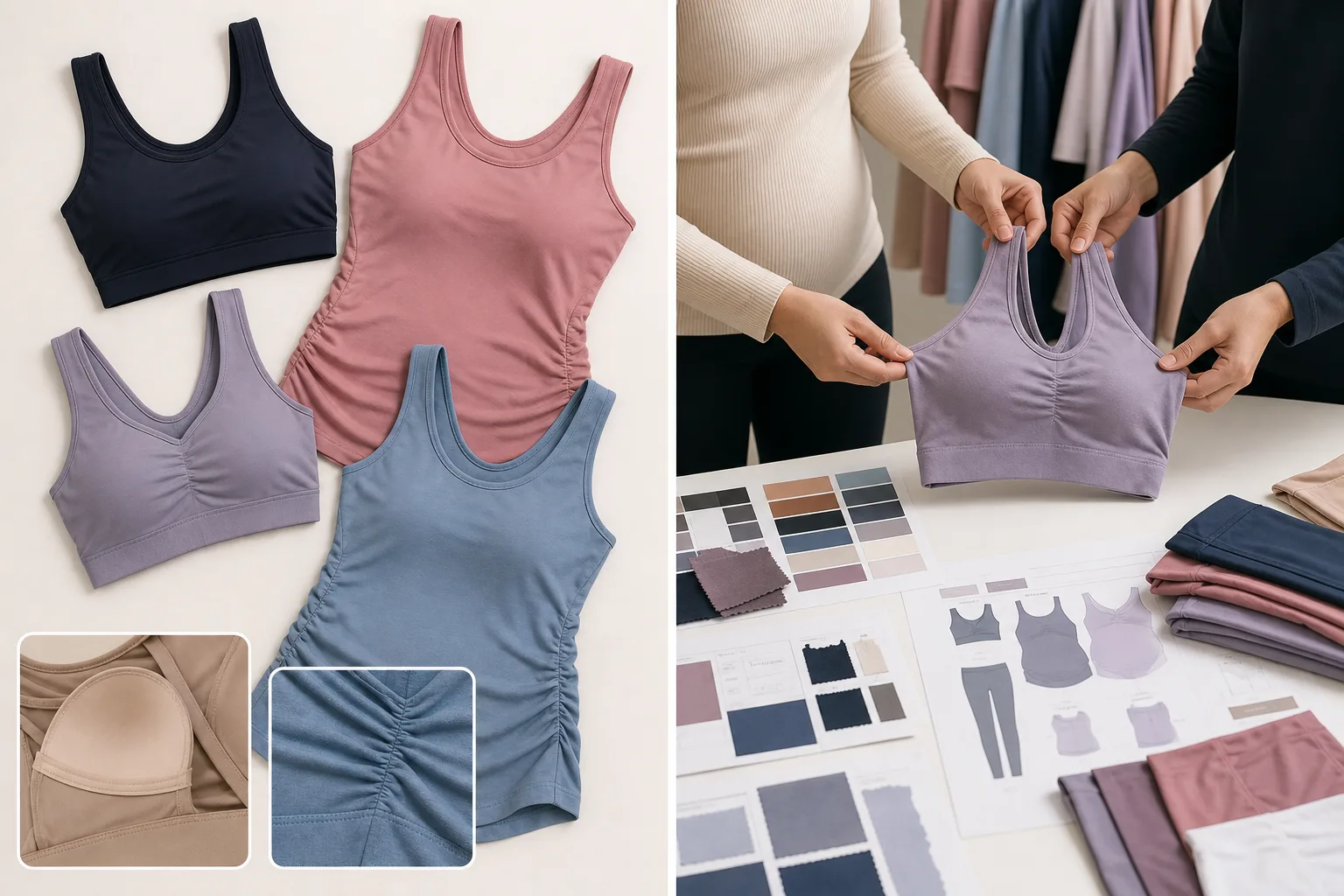
Connect confirm belly-panel height and waistband shape with buyer decisions around construction, size range,.
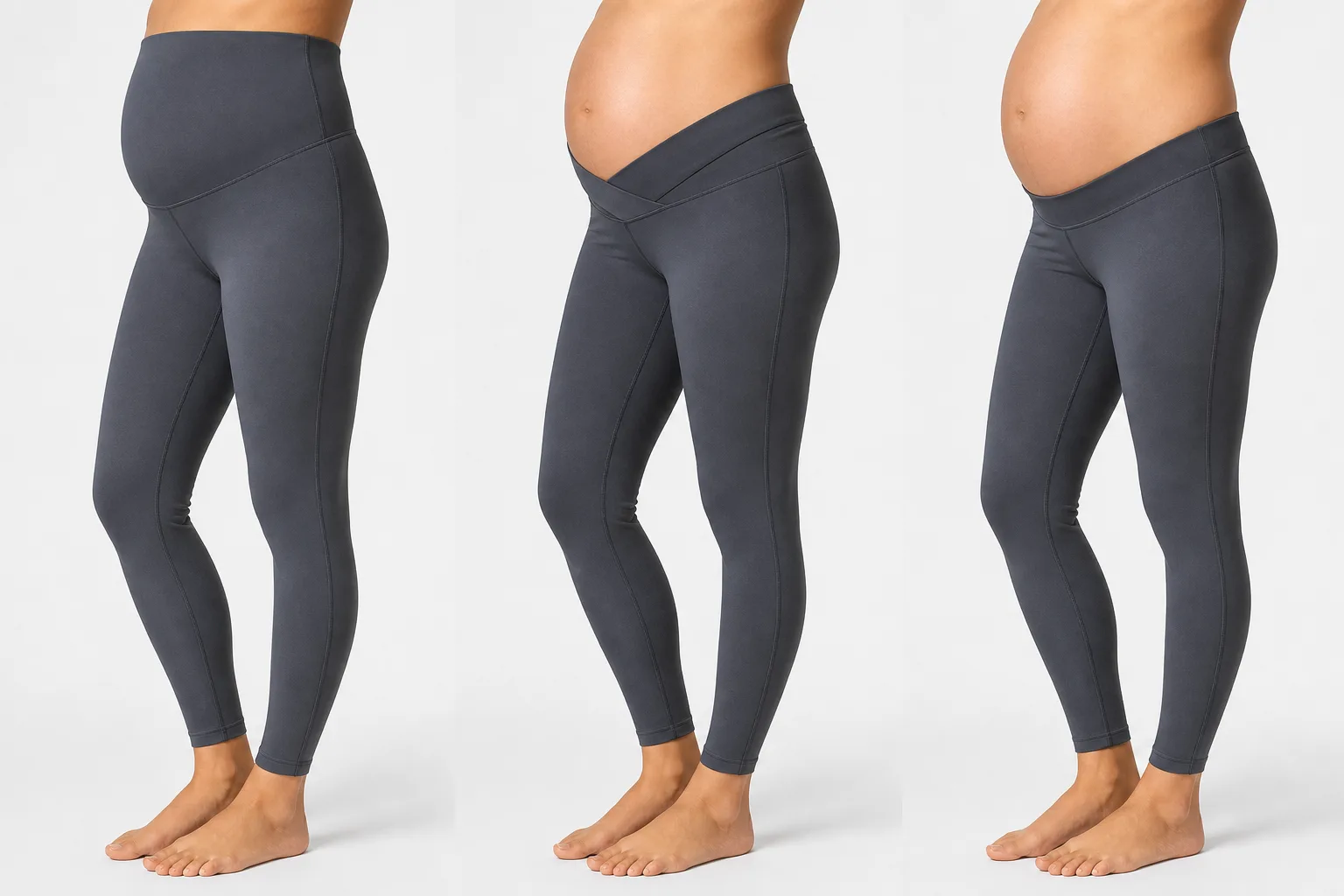
Sourcing teams can prepare clearer references when check front rise and back rise balance becomes part of a.
Fabric selection for maternity yoga wear should be reviewed in relation to fit adaptation, not by composition alone. A soft hand feel may still fail the project if the recovery is too weak. The opacity changes too much in movement. Or the panel area behaves differently from the main body fabric. Brands comparing fabric programs often start with fabric sourcing options and then request fabric swatches to review hand feel. Stretch recovery. And buyer-confirmed opacity requirement. Sample approval.
Two maternity collections can use a similar fabric but fit very differently. Construction choices often decide whether the style feels balanced, whether the coverage looks clean, and whether the collection maintains fit consistency through the approved size range.
What buyers review: Coverage level, edge finish, appearance under tops.
Why it matters: Supports the intended maternity fit direction and product presentation.
What buyers review: Shape balance across sizes.
Why it matters: Helps maintain fit consistency instead of only scaling a standard block.
What buyers review: Curved, crossover, or full panel layout.
Why it matters: Changes wear comfort, look, and style identity.
What buyers review: Panel joining lines, side seams, gusset area.
Why it matters: Affects movement comfort, workmanship confirm, and logo planning.
Maternity grading should not be treated as a simple extension of a regular size chart. Buyers usually need to define the intended wearer profile. How much fit adaptation is expected in the waist area. And how the style should balance through hip. Thigh. Inseam. And top-body measurements.
A clearer maternity size strategy often includes:. Before finalizing bulk sizes, many buyers review colors and size grading support together with the measurement checkpoints used in measurement inspection.
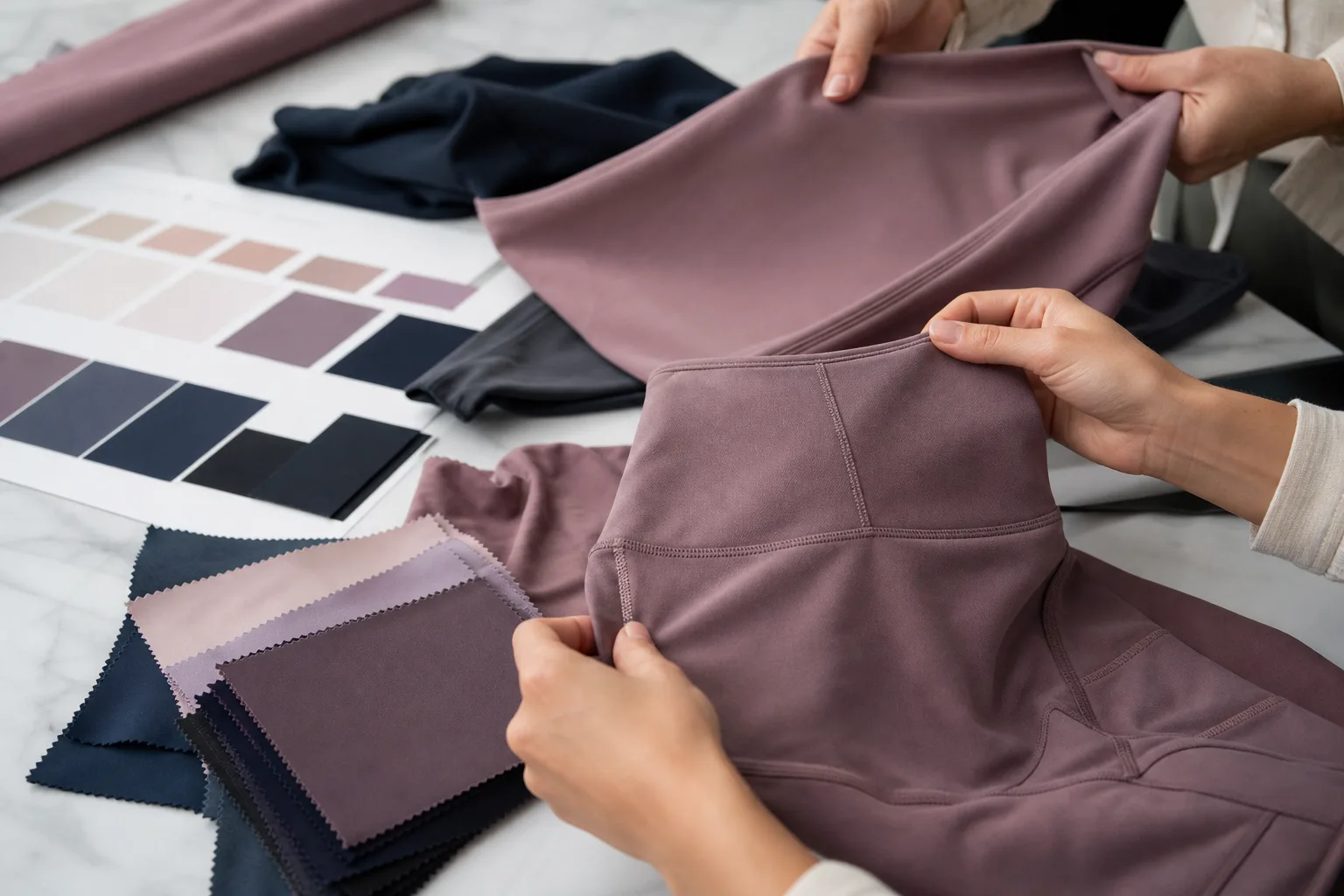
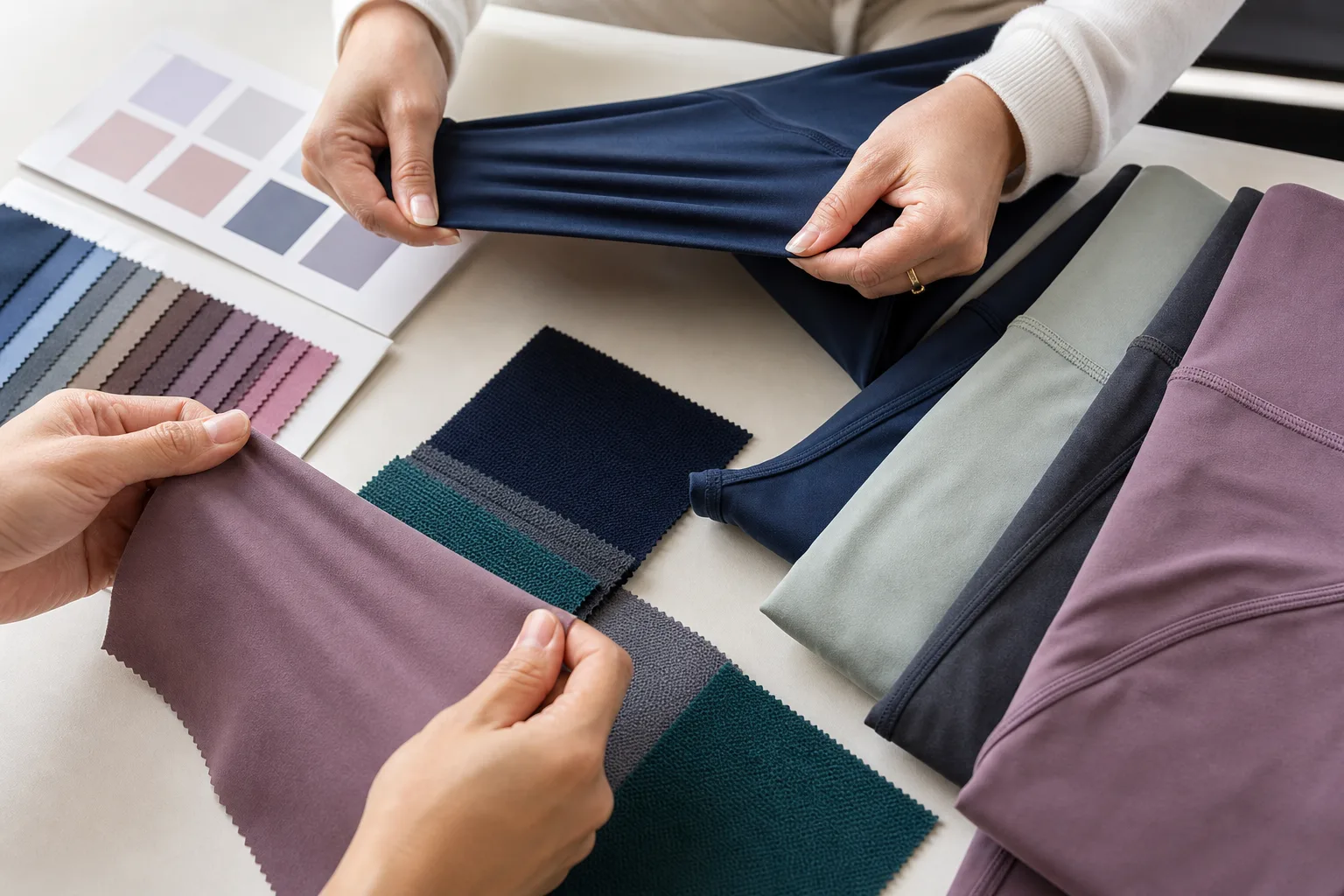
Maternity yoga wear is often developed as part of a wider activewear range rather than a single standalone item. The commercial structure of the collection affects how many SKUs should be developed first and which category should carry the first sample approval. If the project is still at concept stage, get OEM/ODM consultation before locking the style count. If the range is being built under your own brand, review private label yoga apparel options for labels, trims, and packaging planning.
Across sample approval, bulk production, and final packing, buyers need clear checkpoints for fabric, fit, workmanship, branding, and packaging. For inspection flow, review the stages covered in quality control before bulk release.
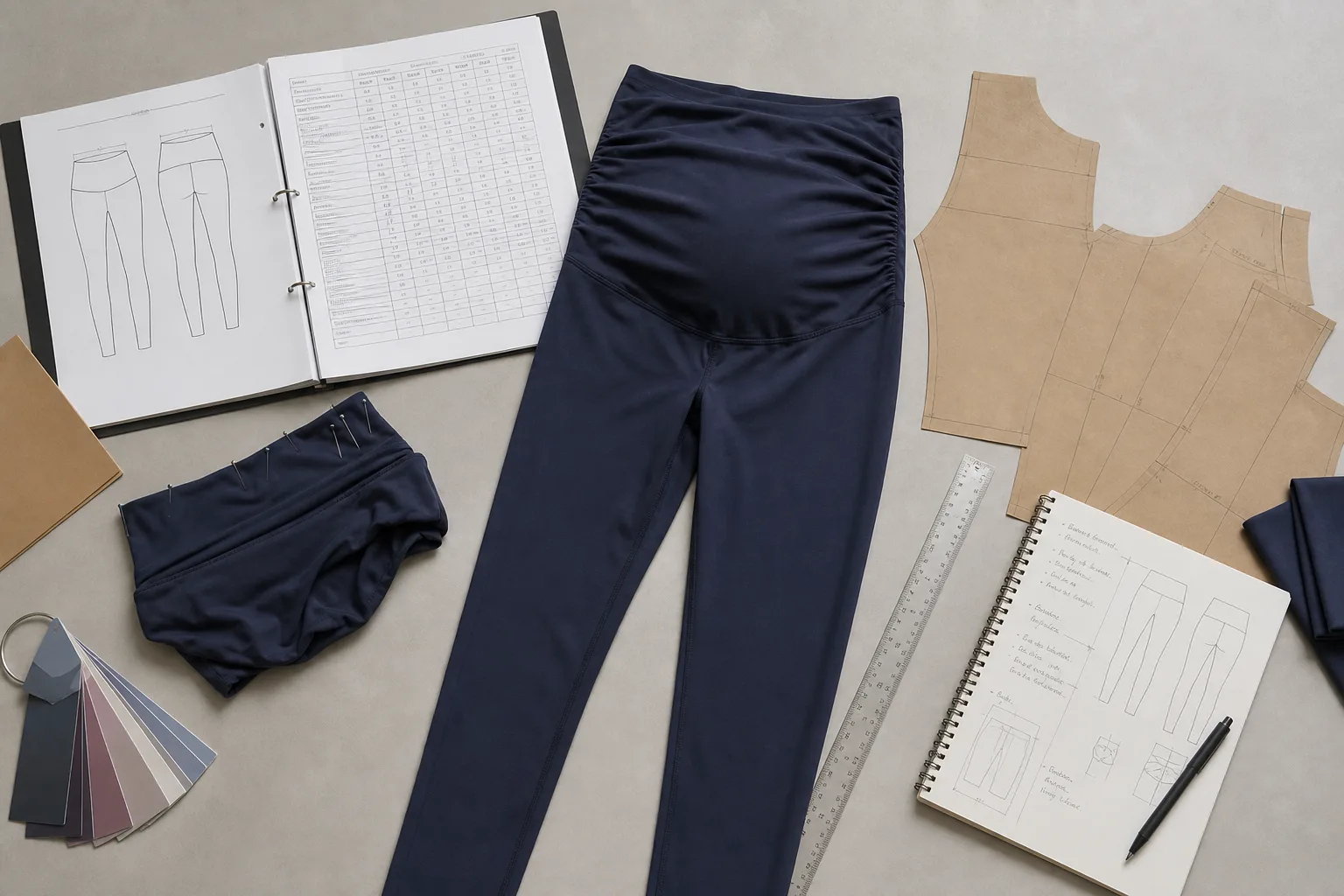
Keep the project conversation practical with clear expectations around sampling, production and quotation inputs.
Yes. Development can start from a tech pack, measurement chart, reference garment, or clear reference images. For maternity styles, it helps to include waistband direction, belly-panel preference, intended size range, and fit notes so sample review is more aligned with the product direction.
Reference MOQ starts from 300 pieces. The final MOQ and size or color allocation depend on the product, fabric, construction, branding, and packaging. MOQ should be confirmed during quotation because maternity leggings, tops, and sets may not share the same allocation logic.
Buyers usually compare soft stretch fabrics with reliable recovery, opacity, breathability, and a comfortable hand feel. The right option depends on the garment type, the intended fit direction, and whether the collection is designed more for studio use, lounge use, or a mixed activewear range.
Sample review often focuses on belly-panel height, waistband shape, front and back rise balance, seam position, movement comfort, opacity, and grading logic. It is useful to review the sample against the intended wearer profile rather than comparing it only with a standard women’s block.
Standard samples may take around 5 to 7 days, and more complex styles may take around 7 to 10 days. Bulk production is often around 20 to 35 days after approvals and material readiness. Final timing depends on specification completeness, fabric availability, revisions, order quantity, branding details, packaging, and the current production schedule.
Yes. Private label development can include logo application, labels, trims, packaging, sampling, and bulk production according to the approved project requirements. Final options depend on the garment construction, branding method, and target market presentation.
Send the product type, reference styles, fabric preference, size range, target quantity, and branding needs so Ninghow Yoga can confirm sample feasibility.