Fabrics
Typical buyer focus: Soft touch, smooth surface, stretch recovery.
Decision factors: Hand feel, opacity, compression level, seam behavior.
Best used for: Leggings, bras, fitted tops, studio collections.
Recycled fabric activewear starts with product-level sourcing decisions: fit, fabric behavior, construction details, and collection use. Ninghow Yoga supports projects for brands that want to compare material feel, stretch recovery, opacity, and color direction before moving into sampling and bulk production. Compare fabric options, then request swatches or a project quotation based on your product plan.
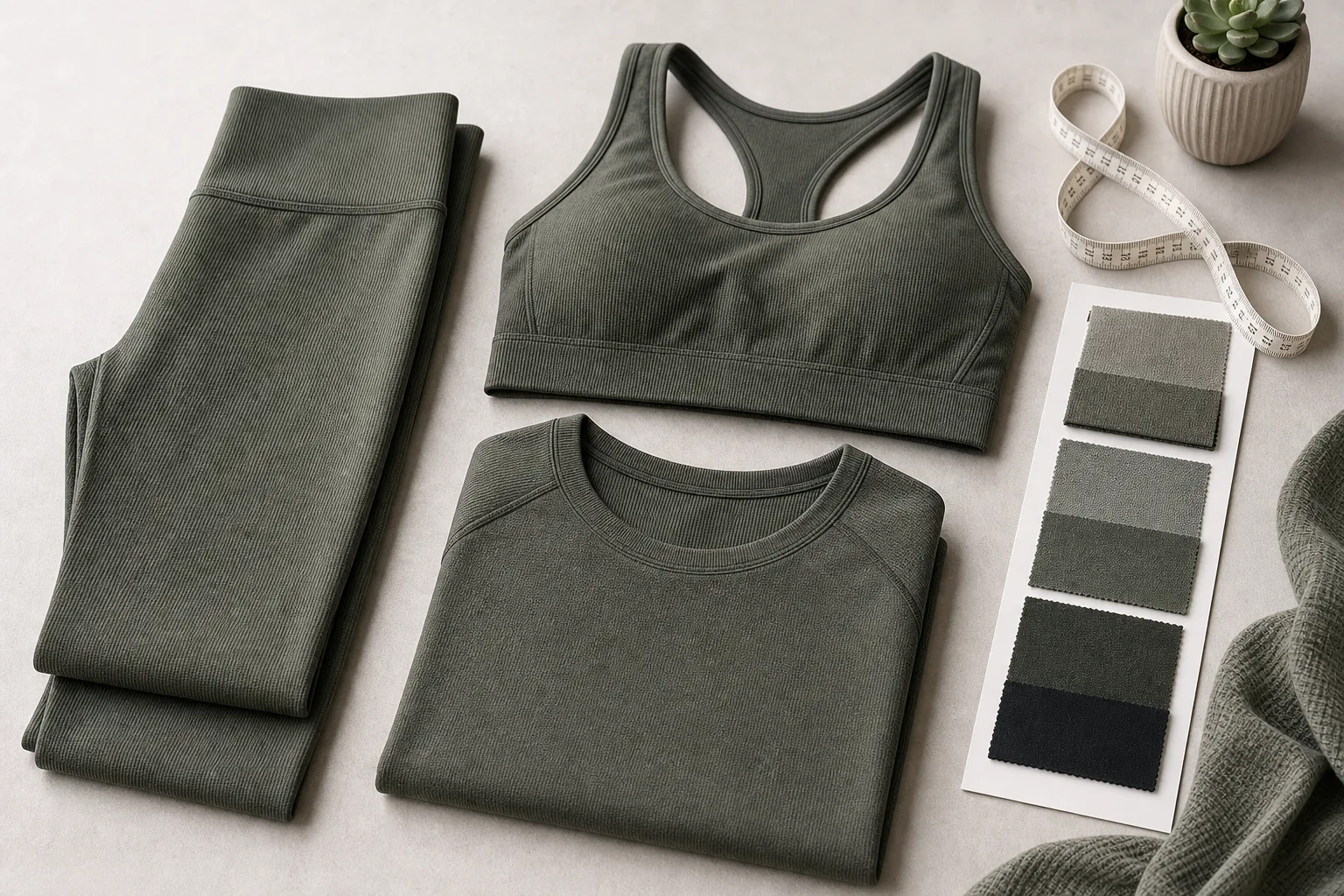
Compare garment types, fabric behavior, construction needs, and development inputs before requesting samples.
A smoother hand feel and strong stretch response.
Each recycled fabric route supports a different product goal. The right choice depends on the garment category,.
Stretch recovery: How quickly the fabric returns after extension.
Product direction: leggings, bras, tops, shorts, sets, or mixed activewear.
This product category is often selected by brands building sustainable yoga collections. Private label fitness ranges. And e-commerce assortments where the fabric story matters as much as the garment silhouette. It also works well when buyers want a clear material narrative without losing focus on fit, recovery, and wear comfort. For broader product positioning, compare this category with eco-friendly yoga apparel. That page focuses more on broader responsible product planning, while Ninghow Yoga focuses on recycled material choices for activewear.
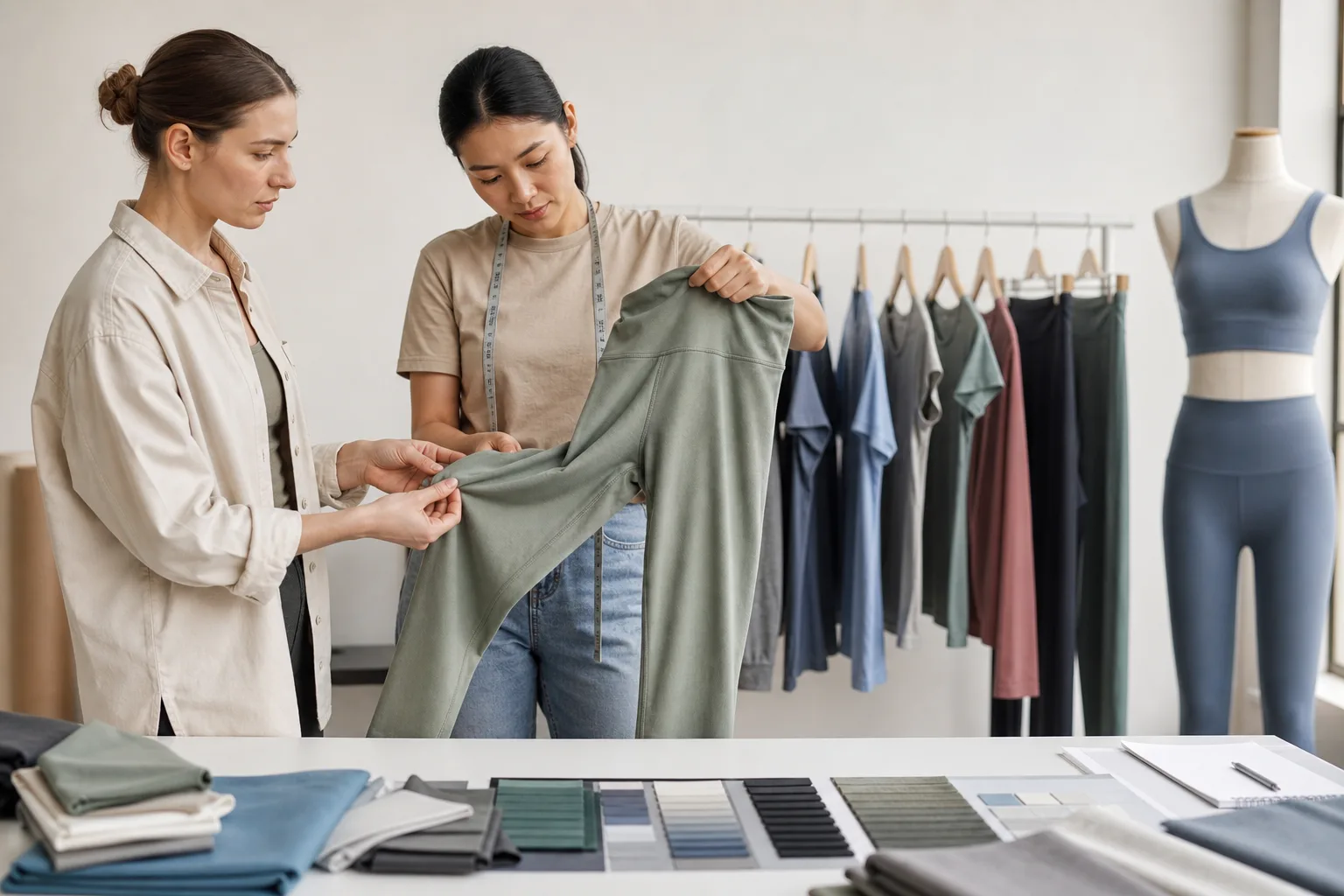
Use it when fabric origin is part of the brand message affects sample requirements, fabric choice, fit.
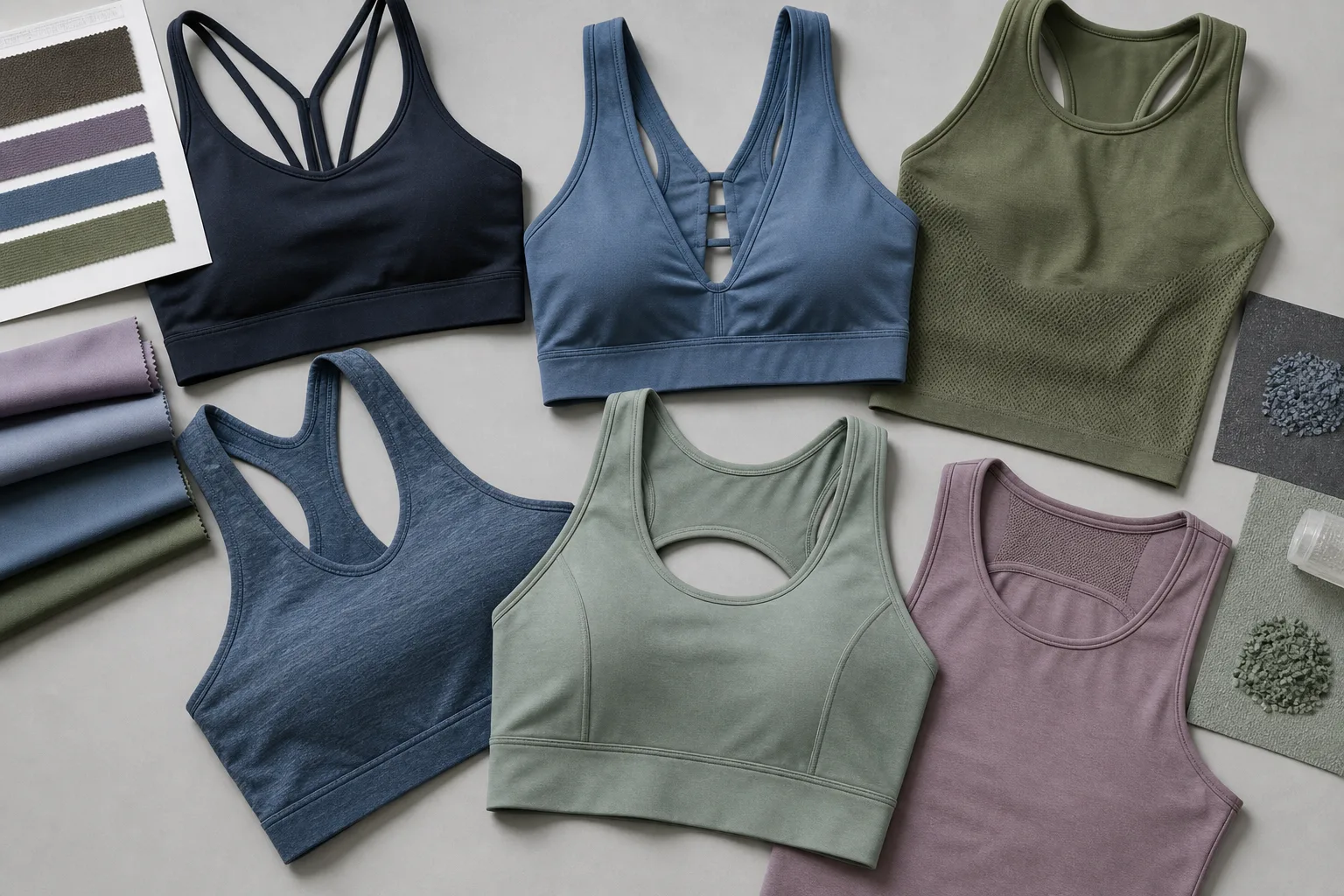
Connect use it when the range needs a performance look with a more responsible material direction with buyer.
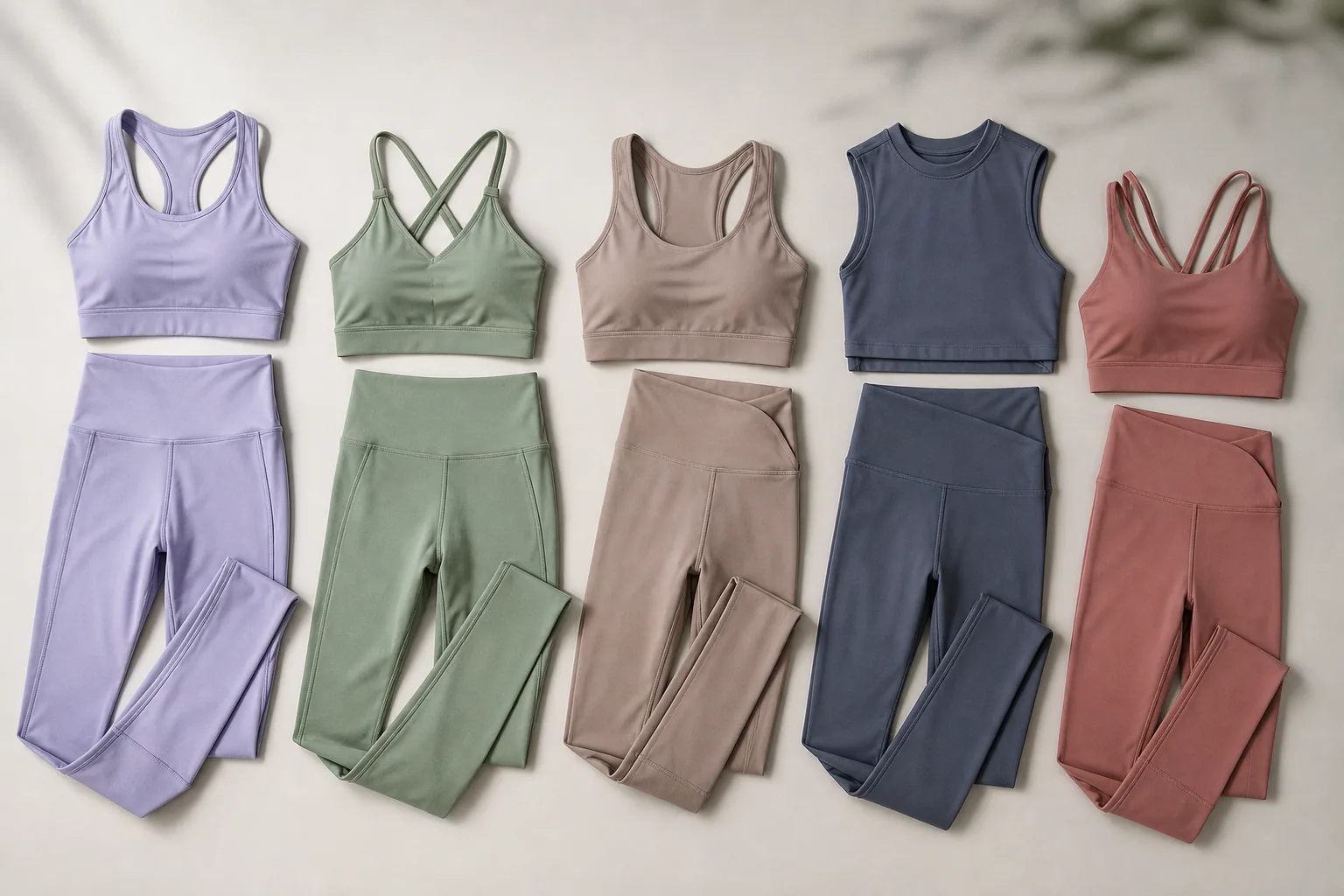
Simplify launch decisions becomes part of a custom yoga apparel program.
Recycled fabric activewear refers to yoga and fitness garments developed with recycled fibers such as recycled nylon, recycled polyester, or blended constructions made for performance wear. The exact result depends on fabric composition, weight, stretch direction, recovery, surface finish, and how the material behaves in the final garment. For buyers comparing lower-impact materials, it helps to review the differences in a clear sourcing format. A practical starting point is the recycled vs virgin activewear fabrics guide, then move into fabric sourcing and sample review.
A smoother hand feel and strong stretch response affects sample requirements, fabric choice, fit approval, and.
Moisture management and color clarity with buyer decisions around construction, size range, colorways, and.
Sourcing teams can prepare clearer references when blended fabrics can balance comfort, recovery, and project.
Recycled fabric activewear performs best when the material decision is made alongside fit, construction, and branding. Ninghow Yoga can support the review from fabric sourcing through sampling and bulk production, subject to the approved project details and current production schedule. Request fabric swatches to compare recycled material options, or get OEM/ODM consultation if the product direction still needs development guidance.
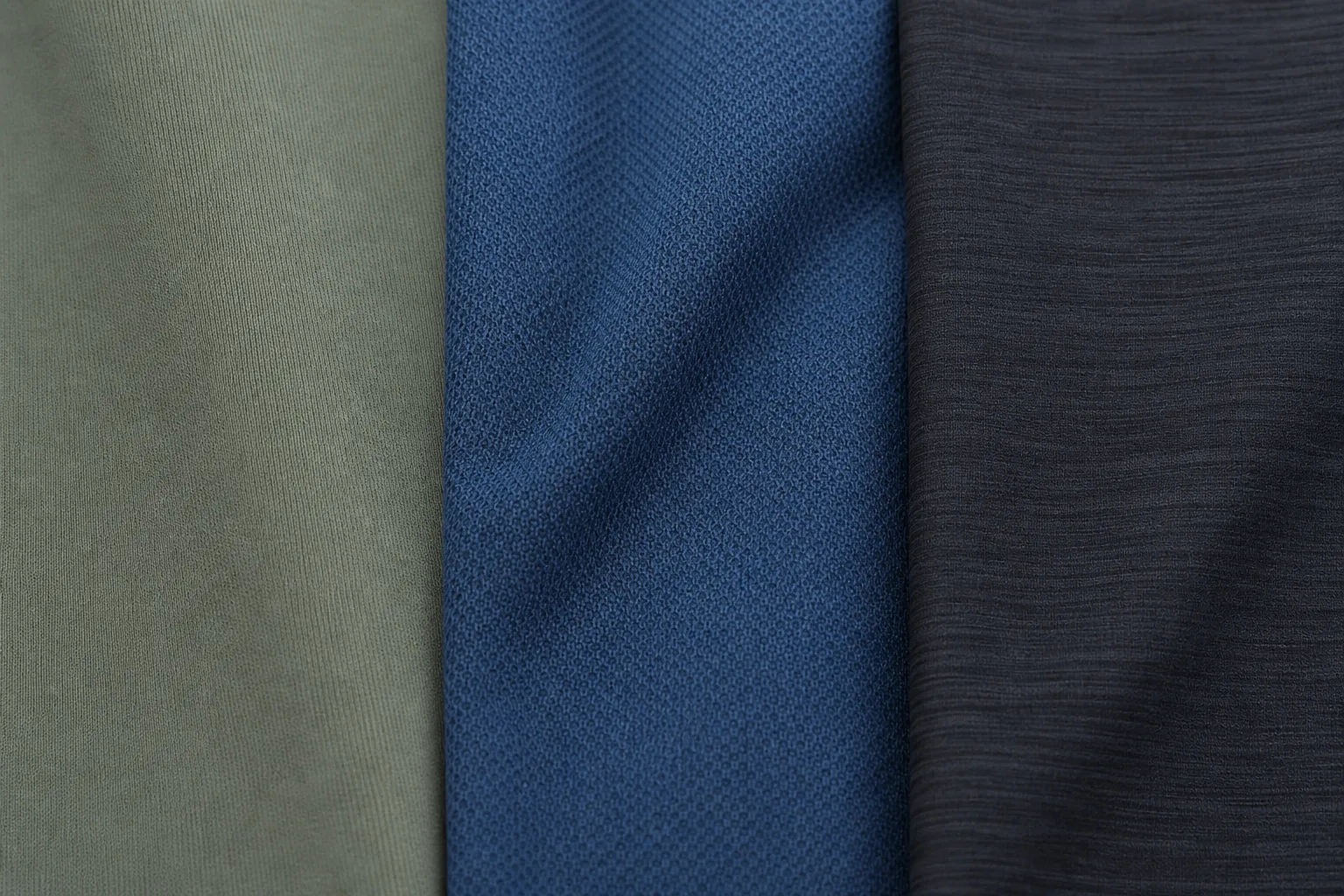
Each recycled fabric route supports a different product goal. The right choice depends on the garment category, target market, price position, and how much structure or softness the collection needs. If the project is still at concept stage, compare material options before choosing a final construction. The fabric sourcing route can help narrow composition, hand feel, and color development before sample development begins.
Typical buyer focus: Soft touch, smooth surface, stretch recovery.
Decision factors: Hand feel, opacity, compression level, seam behavior.
Best used for: Leggings, bras, fitted tops, studio collections.
Typical buyer focus: Performance feel, color clarity, versatility.
Decision factors: Moisture management, drape, print compatibility, pilling confirm.
Best used for: Training sets, tops, lightweight layers, multi-use activewear.
Typical buyer focus: Balanced cost and performance.
Decision factors: Fiber ratio, weight, stretch direction, recovery after wear.
Best used for: Private label ranges, launch collections, mixed-use programs.
To prepare a more accurate project quotation, share the details that affect fabric selection, garment construction, and production planning. Not every item is mandatory, but clearer inputs usually make the review easier. Reference MOQ starts from 300 pieces. The final MOQ and size or color allocation depend on the product, fabric, construction, branding, and packaging. Sample timing and bulk timing also depend on specification completeness. Fabric availability. Revision needs. And the current production schedule.
If your project is ready for commercial review. Send your details through Request a Quote. If you still need to compare material options, start with Request Fabric Swatches.
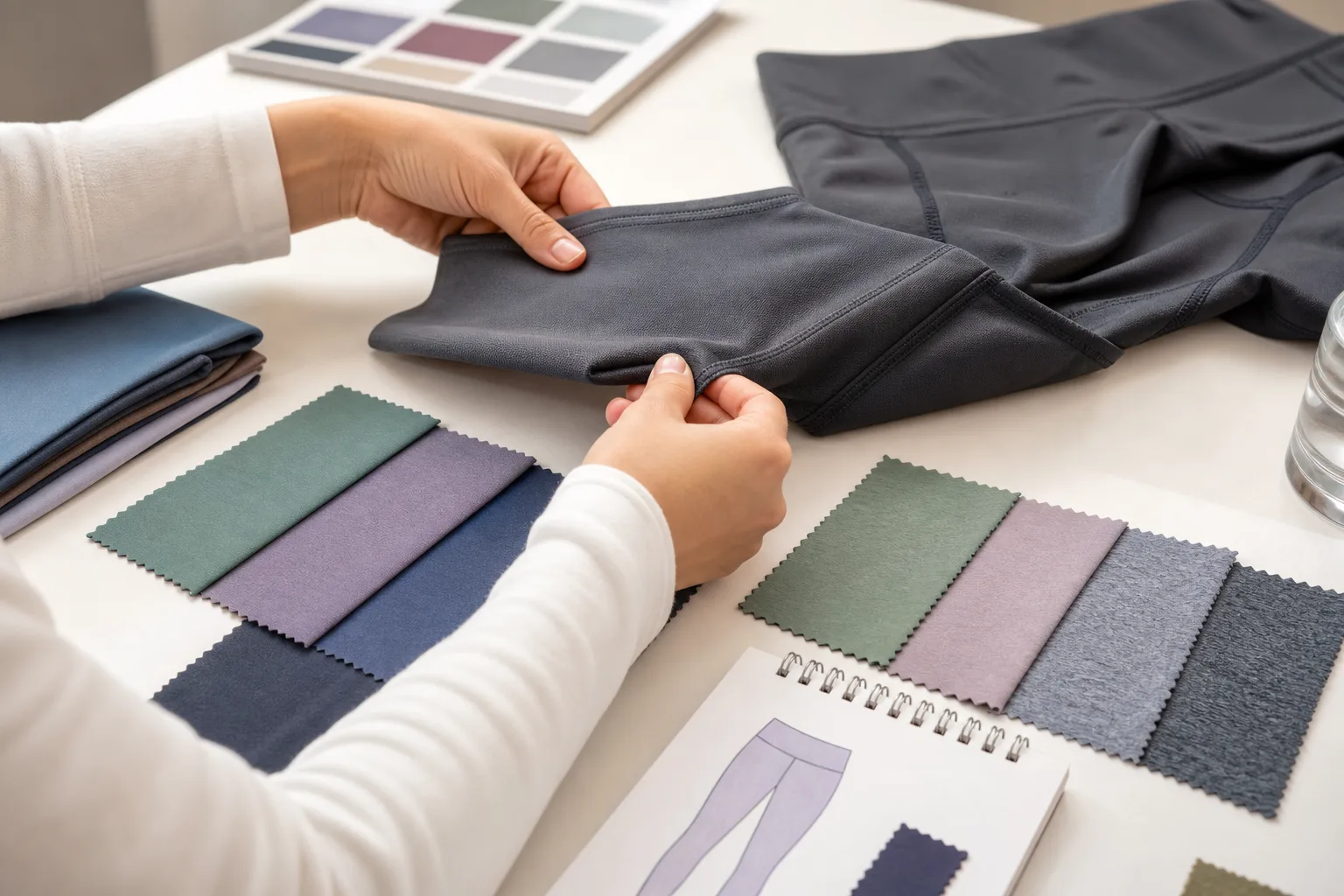
Keep the project conversation practical with clear expectations around sampling, production and quotation inputs.
Recycled nylon is often reviewed for a smoother hand feel and strong stretch recovery, while recycled polyester is often chosen for color clarity and broader performance use. The right option depends on the garment type, finish, and brand position.
Yes. Swatches are useful when you want to compare hand feel, opacity, stretch, and color direction before moving to sampling or quotation review.
Product type, fabric preference, fit goal, size range, color plan, logo method, packaging needs, estimated quantity, and shipping destination all help create a more accurate quotation.
Reference MOQ starts from 300 pieces. The final MOQ and size or color allocation depend on the product, fabric, construction, branding, and packaging.
Standard samples are often around 5-7 days and complex samples around 7-10 days, but timing depends on fabric availability, construction, revisions, and the current schedule.
Yes. Private label projects can include product selection or development, logo application, labels, trims, packaging, sampling, and bulk production according to the approved project requirements.
Send the product type, reference styles, fabric preference, size range, target quantity, and branding needs so Ninghow Yoga can confirm sample feasibility.