Products
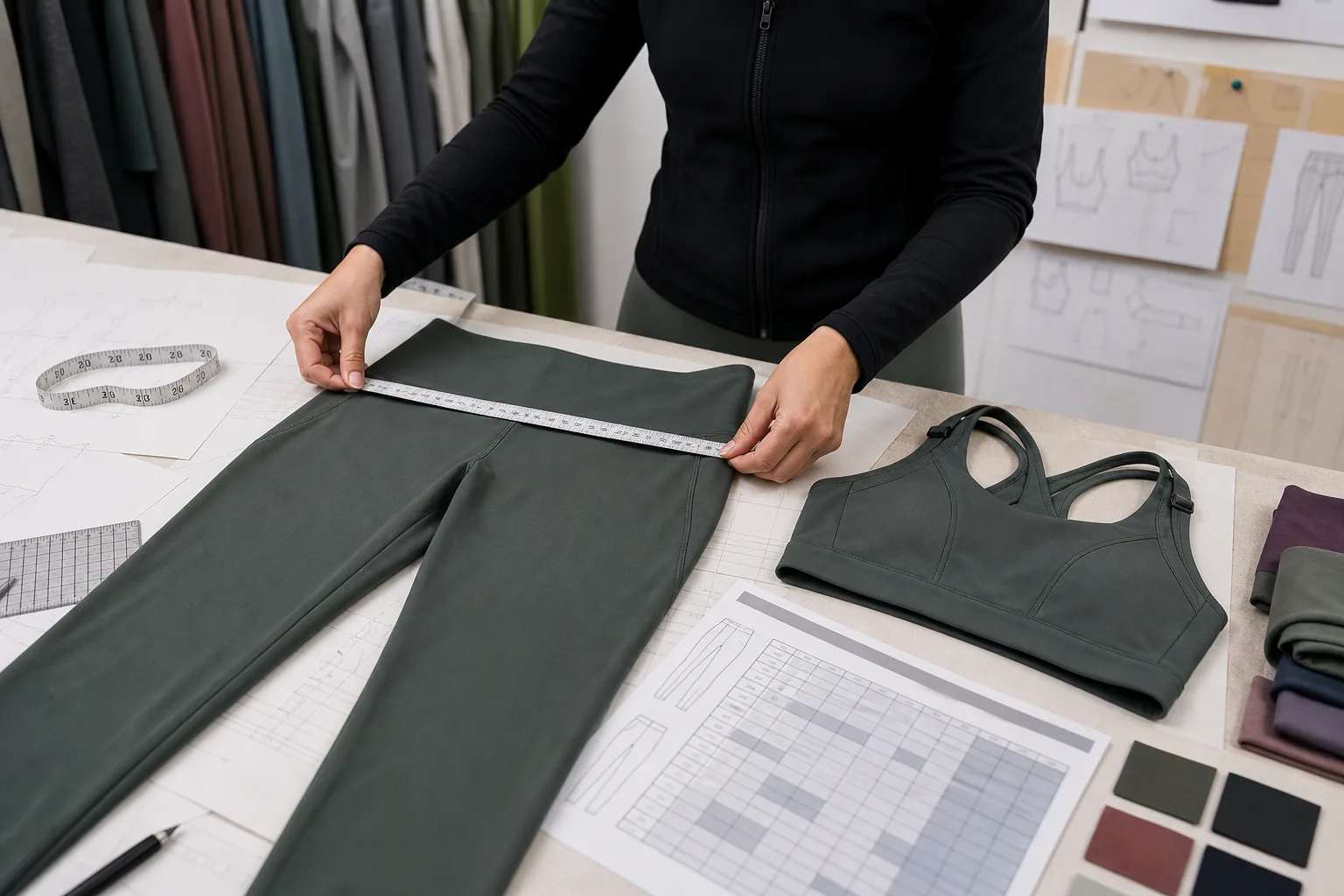
Key grading focus: Waist, hip, rise, inseam, leg opening.
Why it matters: Supports fit definition, squat coverage confirm, and waistband balance.
Colors and size grading define one customization workflow so buyers know what input is needed, what gets confirmed, and what affects approval speed. They shape how a yoga style looks across the full size range and how efficiently bulk production can be planned. Ninghow Yoga supports color development, size chart review, grading setup, sample confirmation, and production follow-up for private label activewear and custom yoga apparel programs.
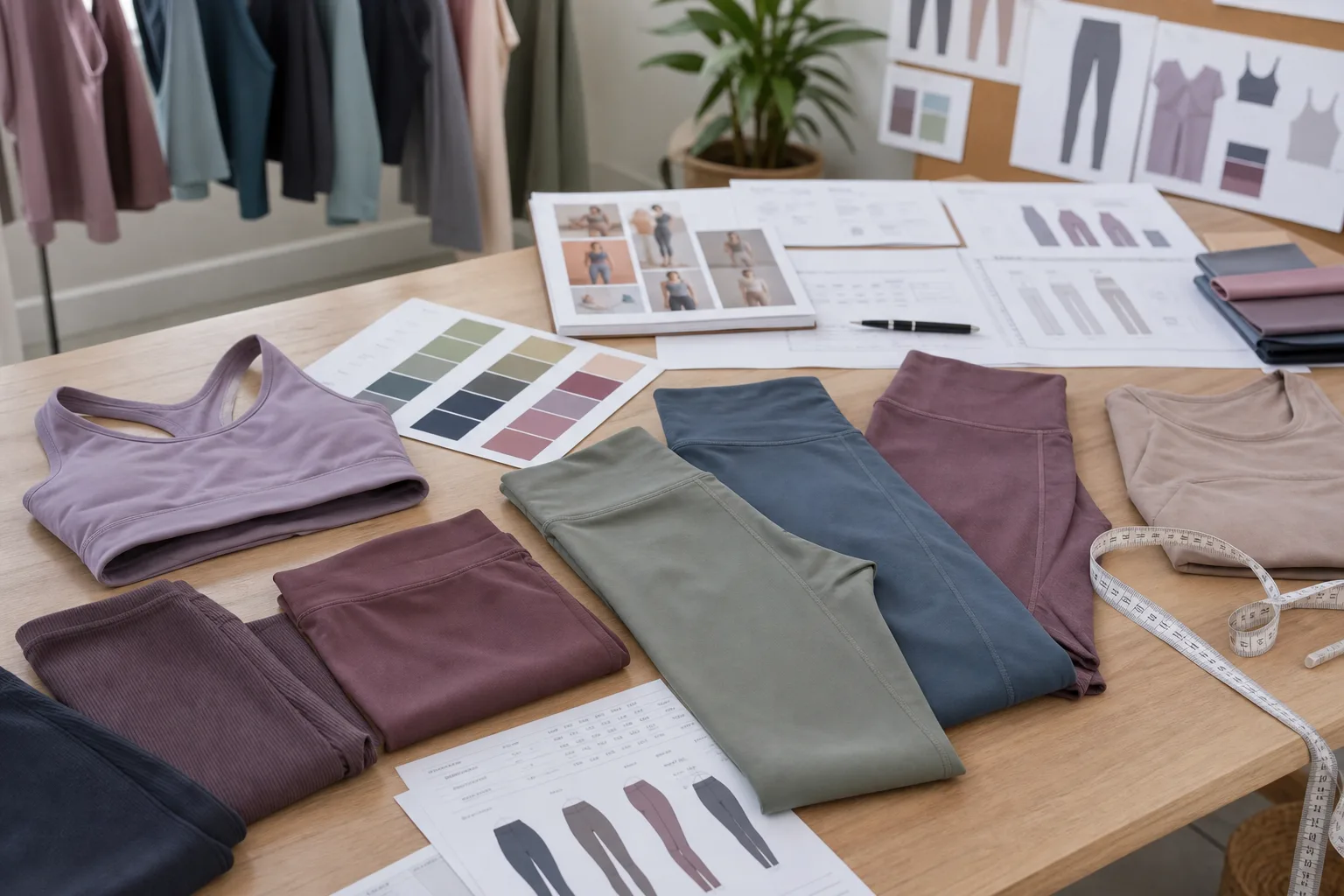
Separate confirmed details from development needs, required files, and sample references.
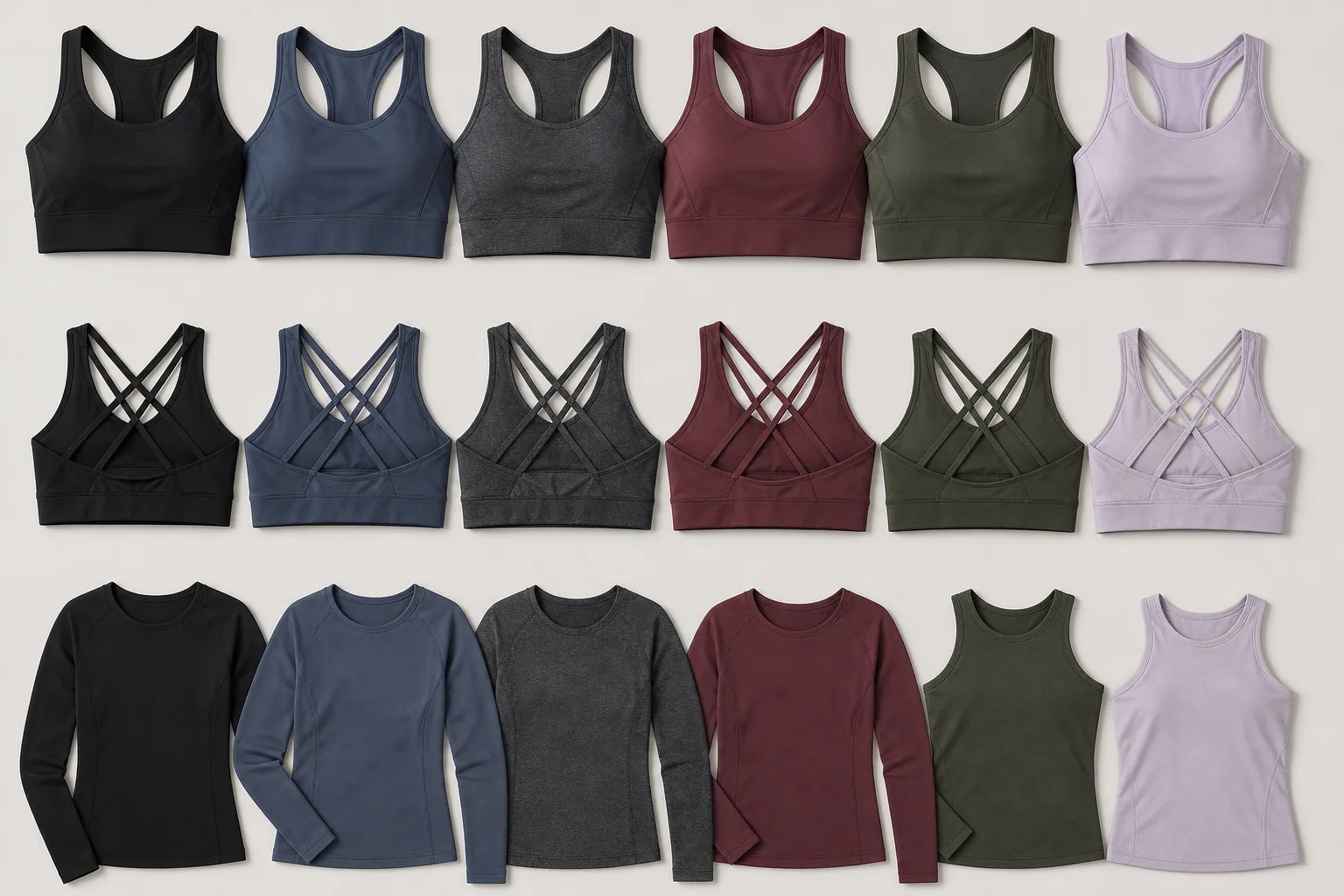
Main collection colors and seasonal accent colors.
Buyers developing new fitted products may also need tech pack support if the size chart, base size, or.
Number of SKUs, colorways, and fabric types.
Confirm the product type, intended fit, and target size range.
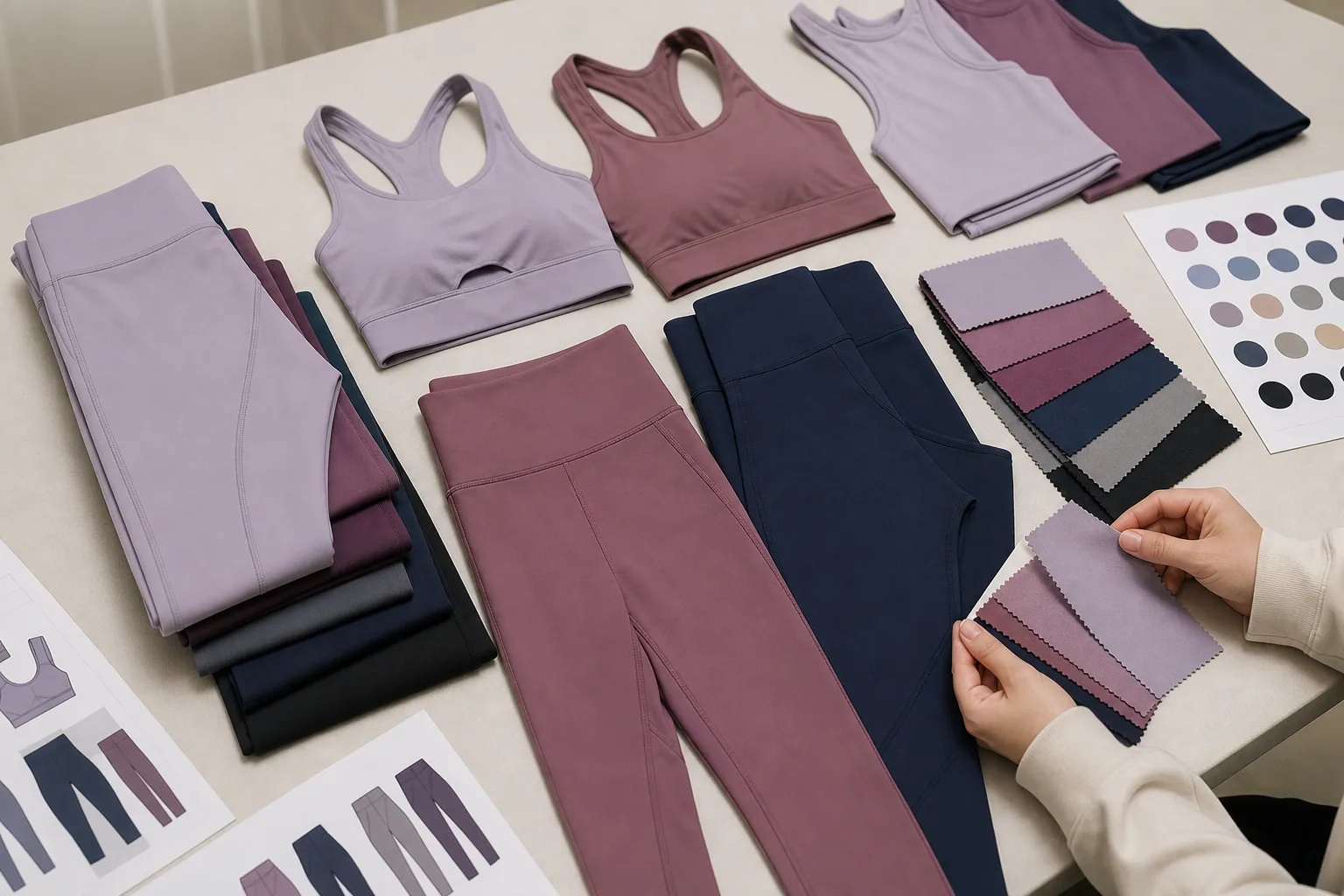
Color approval should be tied to the actual material, because the same shade can look different on brushed fabric, interlock, rib, seamless structures, or recycled blends. A color that looks balanced on a reference image may shift after dyeing, printing, or heat application. Buyers who are still comparing fabric appearance and hand feel often review fabric sourcing options first, then request swatches before confirming final colors.
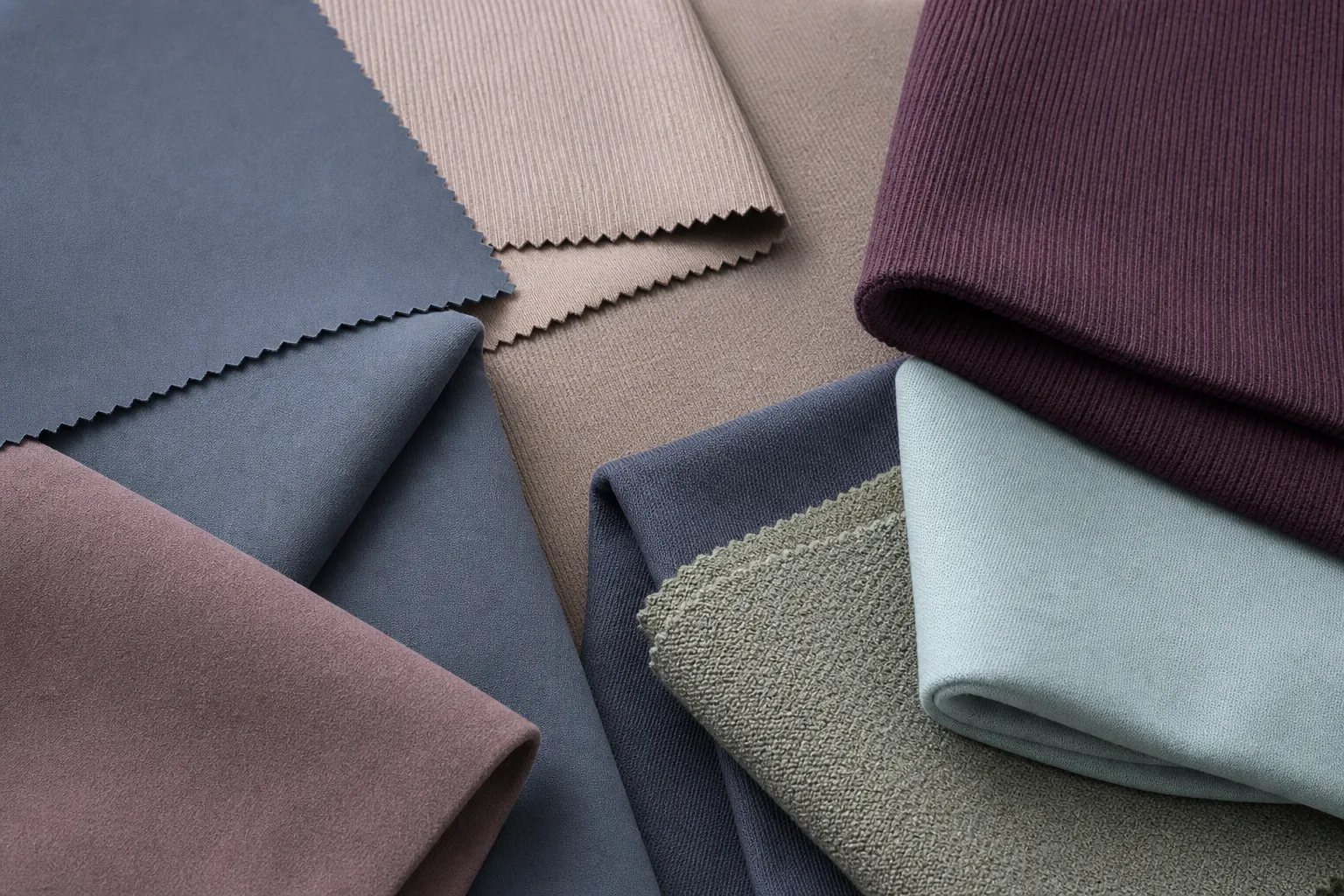
For yoga apparel, color and grading decisions are not only visual. They affect sample accuracy, fit consistency, fabric yield, size allocation, and how clearly the collection can be presented to buyers or end customers.
This service usually covers: For fitted yoga garments, grading needs to reflect how the fabric behaves in motion, not only how the garment measures flat. This is especially important for high-stretch leggings, sports bras, and matching sets.
Confirm color direction based on buyer references, lab-dip confirm, or fabric availability early so sampling,.
Tops, bras, leggings, shorts, sets, and other activewear categories separates confirmed details from decisions.
Grading rules that scale the approved base size into the required size range affects files, references, trims,.
Stretch garments where body fit and fabric recovery both matter early so sampling, branding, pricing, and bulk.
Sample and bulk stages separates confirmed details from decisions that still need development support.
Coordination with pattern making and sample development before bulk release affects files, references, trims,.
Size grading is the method used to expand an approved base size into a full size range. In yoga apparel. Grading must consider not only chest. Waist. Hip. And length measurements. But also how the garment fits against the body during bending. Stretching. And repeated wear.
A grading plan may be simple for a relaxed-fit tee. But it becomes more technical for leggings. Bras. Or compression styles where small changes in rise. Inseam. Strap length. Or underband width can change fit noticeably. Buyers developing new fitted products may also need tech pack support if the size chart, base size, or measurement method is not yet finalized.
Key grading focus: Waist, hip, rise, inseam, leg opening.
Why it matters: Supports fit definition, squat coverage confirm, and waistband balance.
Key grading focus: Bust, underband, strap length, neckline.
Why it matters: Affects support level, coverage, and sample fit feedback.
Key grading focus: Bust, waist, hem width, body length, sleeve points.
Why it matters: Helps maintain proportion across sizes.
Key grading focus: Waist, hip, rise, inseam, opening width.
Why it matters: Changes movement comfort and silhouette.
Key grading focus: Stretch zone balance and measurement recovery.
Why it matters: Requires confirm of knit behavior, not only flat specs.
Not every style needs the same level of development work. A simple carryover shape in one color may move quickly, while a multi-color launch with several fits and broad size coverage requires more review. Standard samples are often around 5-7 days. And more complex samples may take around 7-10 days. But actual timing depends on specification completeness. Fabric availability. Construction details. Custom trims. And revision needs. Bulk production timing is commonly around 20-35 days. Approvals and material readiness. But should be confirmed according to order details and the current production schedule.
If the project includes multiple fitted styles. Compare collection development. Confirming the final launch range.
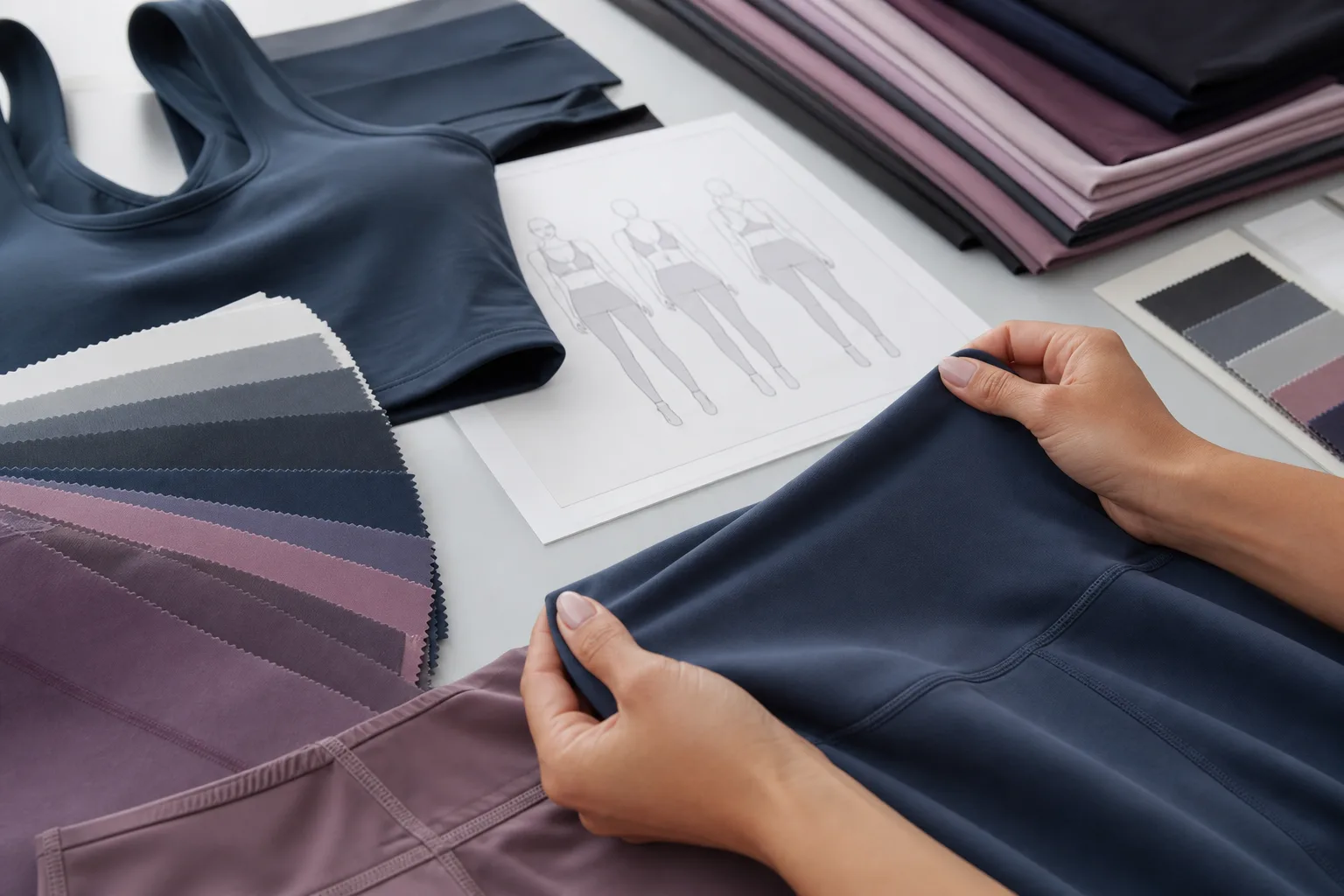
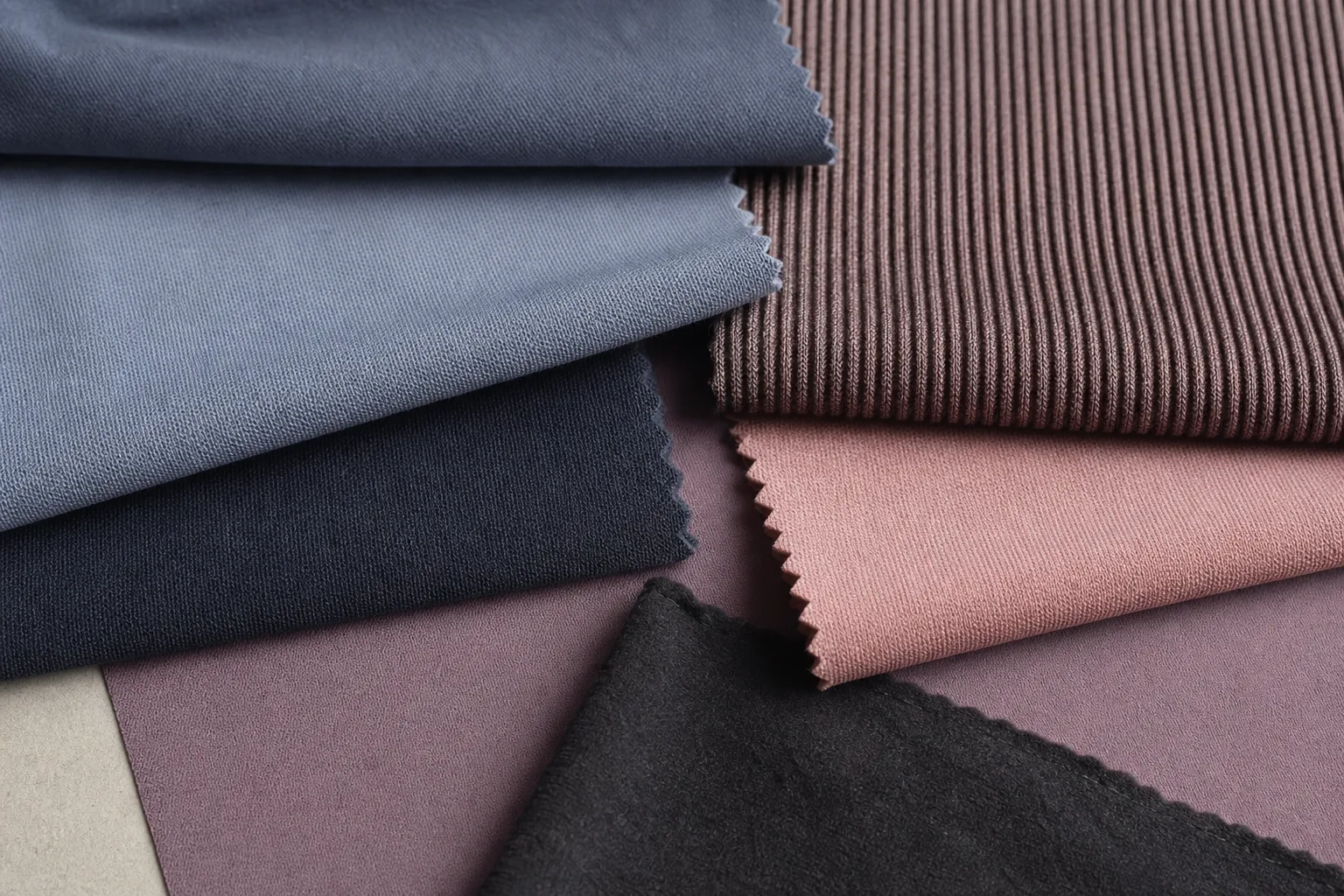
Color and grading mistakes usually happen when visual approval moves ahead of measurement approval, or when an approved sample is scaled without checking the full size logic. Clear checkpoints reduce avoidable revisions later. When the project moves into production, buyers can review related checkpoints in measurement inspection and quality control so that graded sizes, branding position, and packing details stay aligned with approvals.
Reference MOQ starts from 300 pieces. The final MOQ and size or color allocation depend on the product, fabric, construction, branding, and packaging.
You do not need every detail to begin, but the clearer the inputs, the easier it is to review grading logic, color feasibility, and sample requirements. Send the available information through Request Fabric Swatches if fabric and color comparison is still needed. Or use Request a Quote when the style. Size range. And order plan are already clearer.
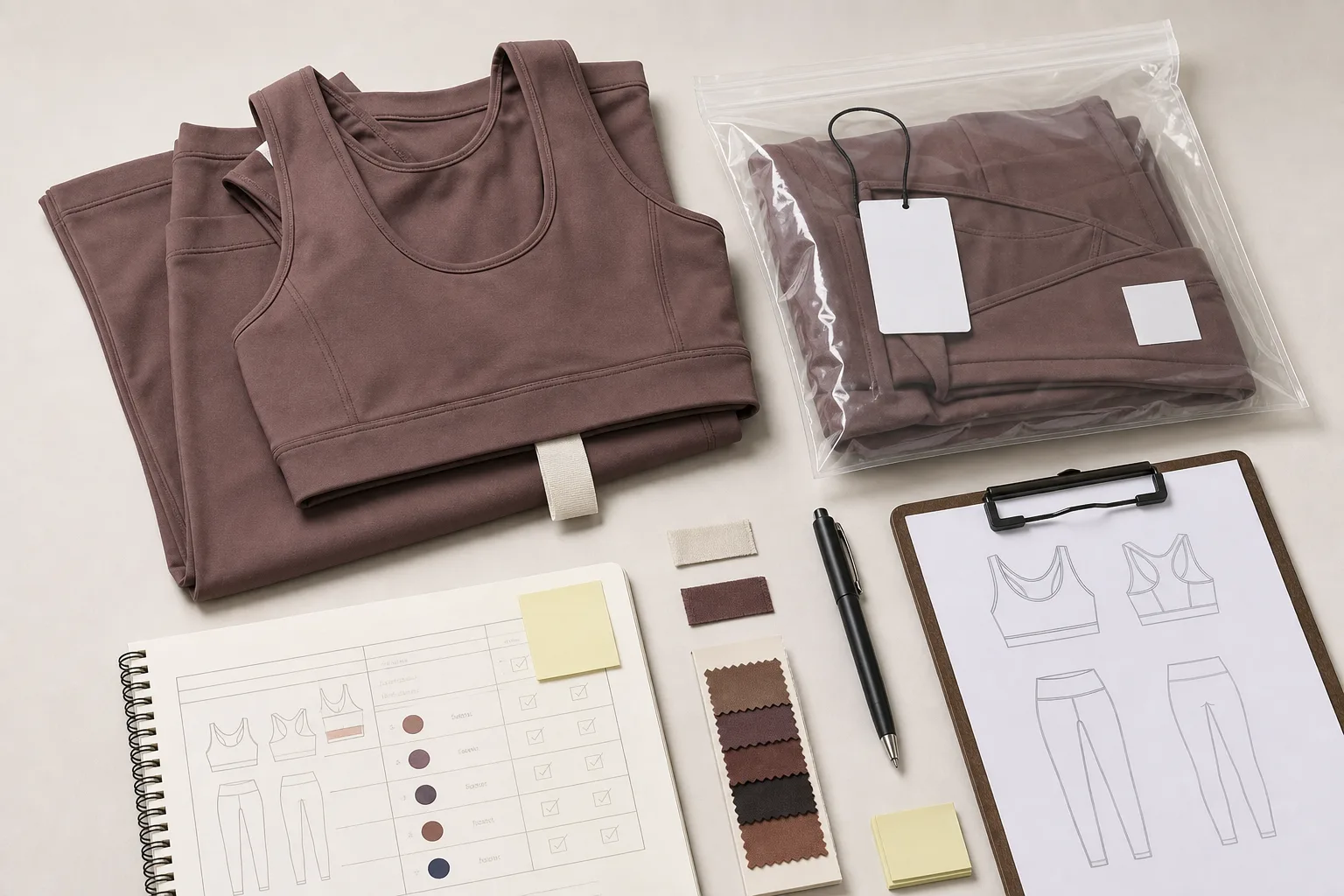
Confirm product type such as leggings, bra, top, shorts, or set early so sampling, branding, pricing, and bulk.
Reference images, sketches, or tech pack separates confirmed details from decisions that still need development.
Target fit direction and base size affects files, references, trims, packaging, and sample approval.
Keep the project conversation practical with clear expectations around sampling, production and quotation inputs.
Yes. A project can start from reference images, target fit direction, and a preliminary size range. If the size chart or construction details are not complete, grading and sample requirements should be confirmed before quotation is finalized.
Reference MOQ starts from 300 pieces. The final MOQ and size or color allocation depend on the product, fabric, construction, branding, and packaging.
No. Leggings, bras, tops, shorts, and seamless styles usually need different grading logic because stretch, recovery, support level, rise, and silhouette affect how the garment scales across sizes.
Color should be checked against the actual fabric whenever possible, because composition, texture, weight, and logo method can change the final appearance. Swatches, lab-dip review, or sample confirmation may be needed depending on the project.
Standard samples are often around 5-7 days, and more complex samples may take around 7-10 days. Timing depends on specification completeness, fabric availability, construction, custom trims, and revision rounds.
Useful inputs include the product category, reference images or tech pack, base size, required size range, color direction, fabric preference, logo details, estimated quantity, and target market. Final timing and production planning should be confirmed after requirement review.
Share references, technical files, fabric direction, branding needs, target quantity, and launch timing so Ninghow Yoga can suggest the right route.