Sampling
Main checks: Fabric appearance, construction, fit direction, logo method, label layout.
Why it matters: Prevents visual and technical misunderstandings before materials are committed.
Garment quality control is the inspection process used to check whether approved fabric, measurements, workmanship, branding, and packaging requirements are being followed from sampling through final packing. For yoga apparel buyers, clear control points help reduce avoidable issues before goods move to shipment coordination.
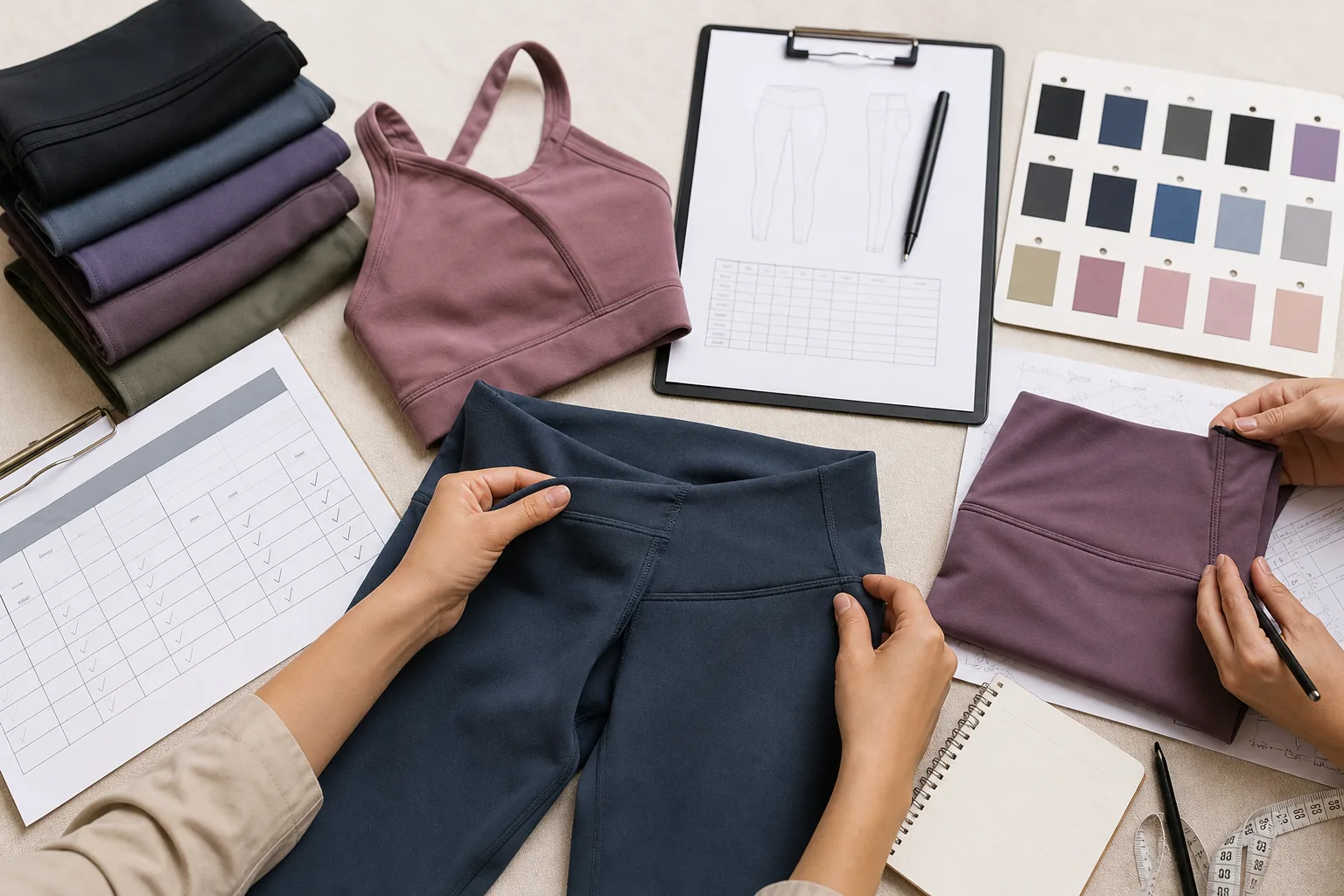
Make workflow, quality checkpoints, material preparation, and delivery variables easy to understand.
Requirement confirm.
Fabric appearance, construction, fit direction, logo method, label layout.
Waistband construction and whether the shape matches the approved sample.
Approved sample version and revision status.
Yoga apparel often needs different inspection attention than general knitwear. Buyers usually focus on how the garment performs during stretch, how it fits against the body, and whether branding remains clear and correctly positioned. When the project includes seamless or specialized construction, your team can review the relevant production route before bulk release through seamless production or cut-and-sew production.
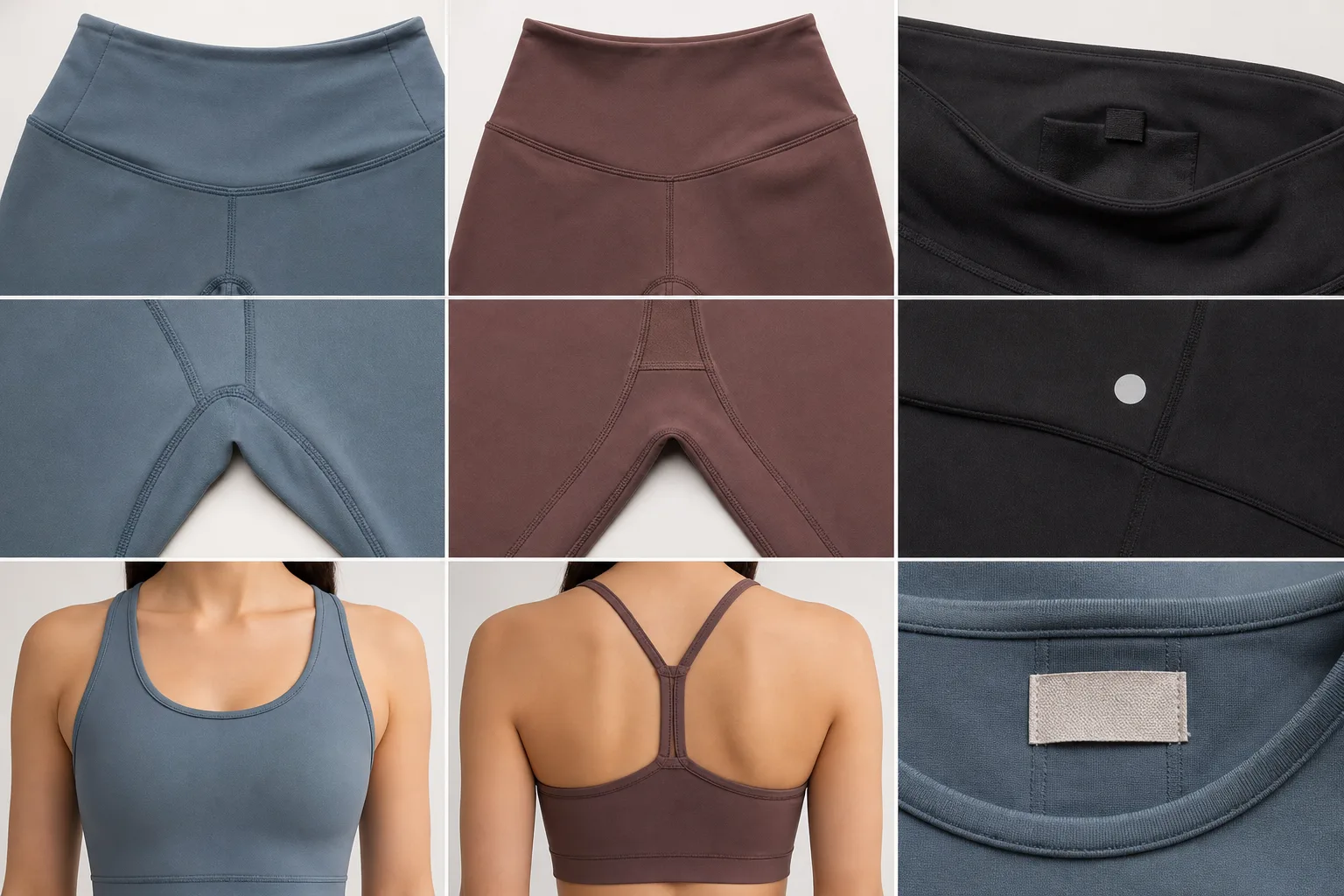
Quality control is not one final check at the end of production. It works best as a sequence of reviews linked to approvals. In custom yoga apparel manufacturing, the checkpoints usually follow the order below: This structure gives brand and sourcing teams defined moments to confirm what matters most before the order moves forward. If the project also includes fabric testing or measurement inspection, those checks should connect directly to the approved sample and pre-production requirements.
Material readiness, workmanship, inspection, and packing.
Fabric and construction confirm defines which factory-side checks should happen before the next approval stage.
Understand.
Material readiness, workmanship, inspection, and packing.
Sample revisions when needed defines which factory-side checks should happen before the next approval stage.
Understand.
For projects with buyer-specific release procedures, AQL-based inspection support or third-party inspection support may be arranged when required.
Main checks: Fabric appearance, construction, fit direction, logo method, label layout.
Why it matters: Prevents visual and technical misunderstandings before materials are committed.
Main checks: Approved measurements, color references, trims, packaging requirements, workmanship points.
Why it matters: Aligns the bulk order with the sample-approved version.
Main checks: Sewing workmanship, seam appearance, logo placement, obvious measurement deviation, color consistency within.
Why it matters: Correction during production.
Main checks: Measurement checks, visual defects, branding accuracy, quantity confirm, assortment confirm.
Why it matters: Supports shipment release decisions before packing is completed or finalized.
Main checks: Folding, barcode or sticker use, polybag or outer carton details, size or color assortment, shipping marks.
Why it matters: Reduces avoidable packing errors that can affect receiving and retail presentation.
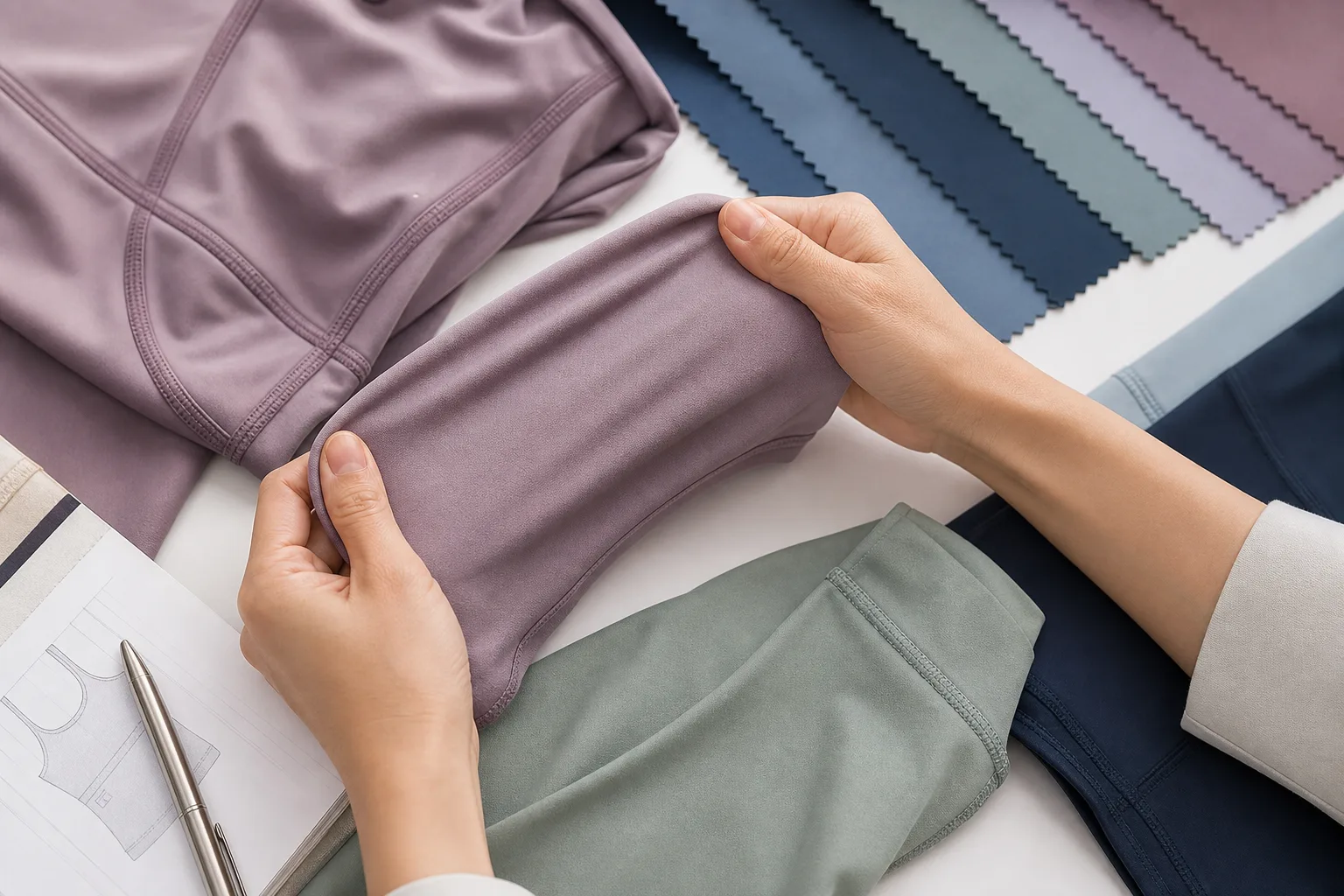
Many production problems begin before sewing starts. A clearer approval package usually leads to a clearer quality-control process. Before bulk release, buyers should try to confirm as many of the following items as possible: If some of these points are still open, it is usually better to align them before bulk material commitment. Buyers still developing the product direction can review sample development and fabric sourcing before moving to final quotation.
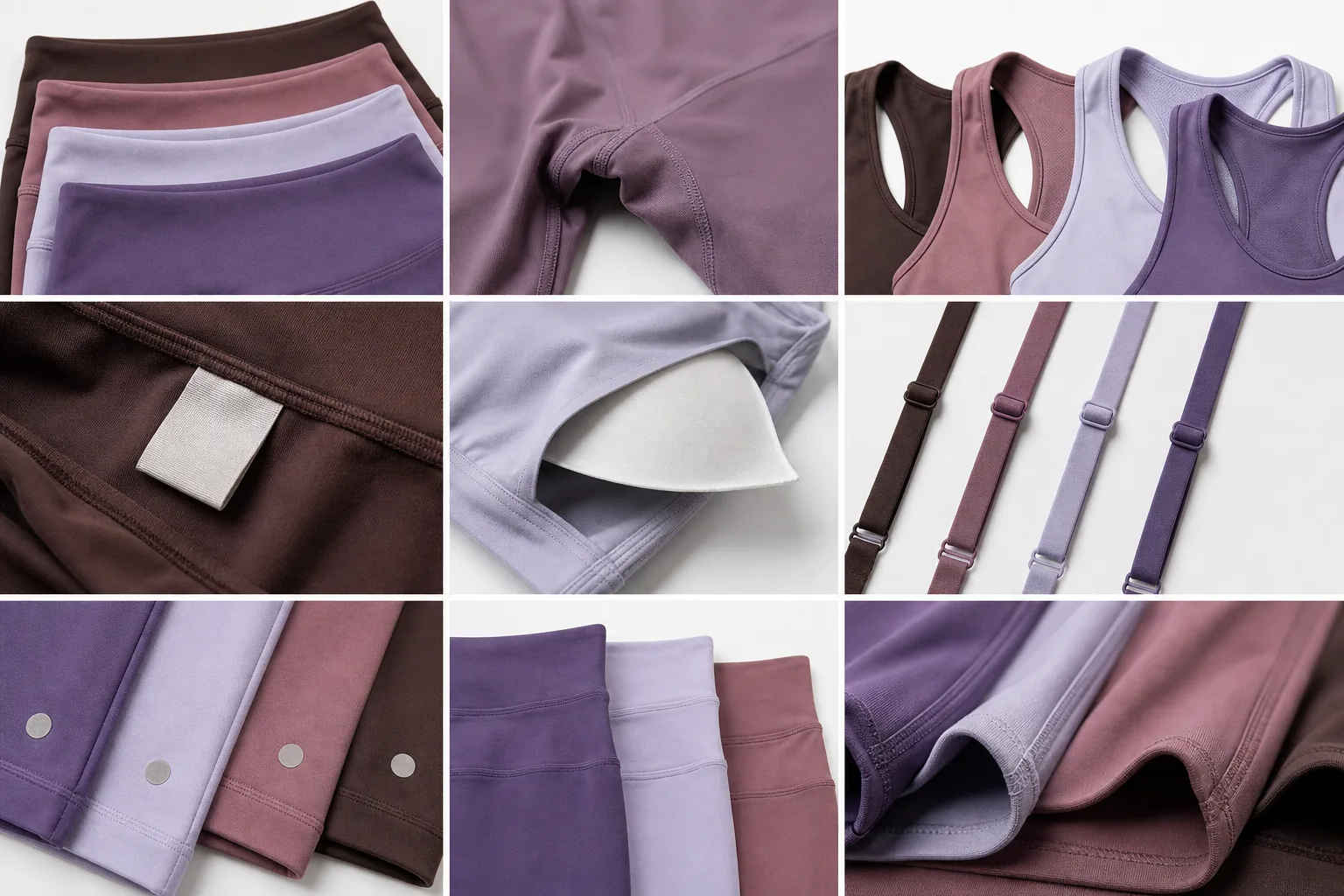
For larger programs or multi-style launches, buyers may also want to review lead-time management so inspection timing, packaging review, and shipment planning stay aligned.
A productive quality discussion starts with the right project details. You do not need every item to begin, but the more complete the information is, the easier it is to define practical control points. If you want to review the control process before placing an order, schedule a meeting with the manufacturing team. If product details, quantity, branding, and delivery requirements are already defined, you can also submit them for a project-specific quotation.
Schedule Online Factory Meeting
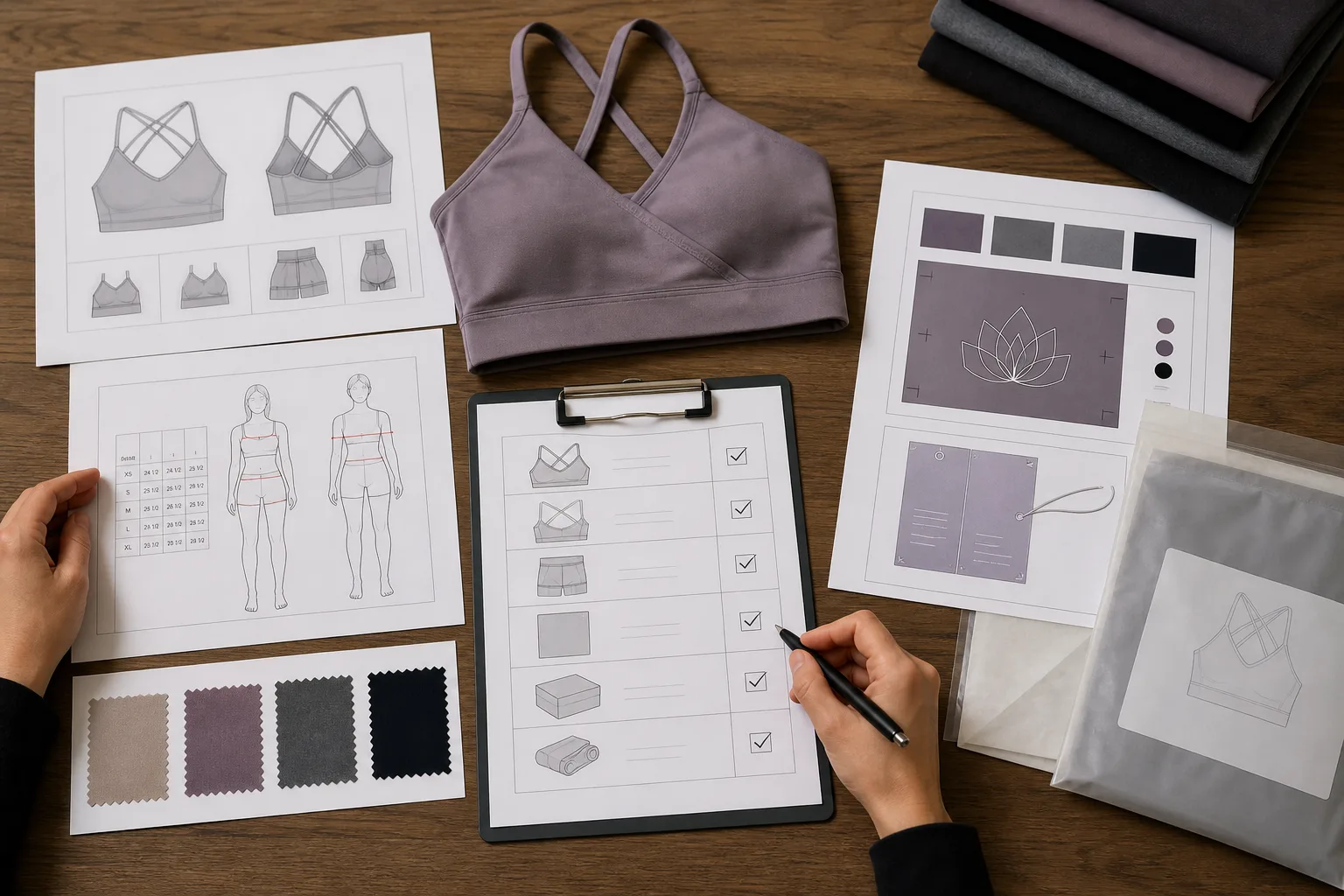
Keep the project conversation practical with clear expectations around sampling, production and quotation inputs.
It usually includes checks linked to sample approval, pre-production review, in-line inspection, final inspection, and packaging review. The exact checkpoints depend on the product, construction, branding, packaging, and buyer approval requirements.
AQL-based inspection support may be arranged when required. The inspection method, timing, sampling level, and reporting format should be confirmed for the specific project.
Useful inputs can include the product type, reference images, tech pack, measurement chart, approved sample comments, fabric preference, logo artwork, label details, packaging instructions, estimated quantity, and shipment destination.
Fabric testing focuses on material-related factors such as stretch recovery, color behavior, shrinkage, hand feel, or opacity requirements. Quality control covers broader production-stage inspection, including workmanship, measurements, branding, and packing accuracy.
Yes. Third-party inspection support may be coordinated when required. Buyers should confirm the inspection timing, scope, and reporting requirements before bulk completion.
No inspection process should be described as a guarantee. Quality control helps reduce avoidable errors by creating approval points and review stages, but final results still depend on the product, materials, construction, order details, and how complete the approved specifications are.
Send the project stage, confirmed materials, expected quantity, packing needs, and target shipping window so the team can discuss production feasibility.