Strength training
Recommended product direction: Supportive sports bras, compression layers, fitted bottoms.
Key detail to confirm: Stay-in-place fit, underband stability, waistband recovery.
Gym training activewear is built for a specific buyer need, so the focus stays on use case, order logic, and commercial fit rather than generic factory language. Ninghow Yoga supports gym training activewear projects for brands, gym chains, retailers, and sourcing teams that need garments for strength sessions, conditioning classes, and mixed training use. Projects can be planned around support level, fabric recovery, fit, branding, order structure, sampling, and bulk production.
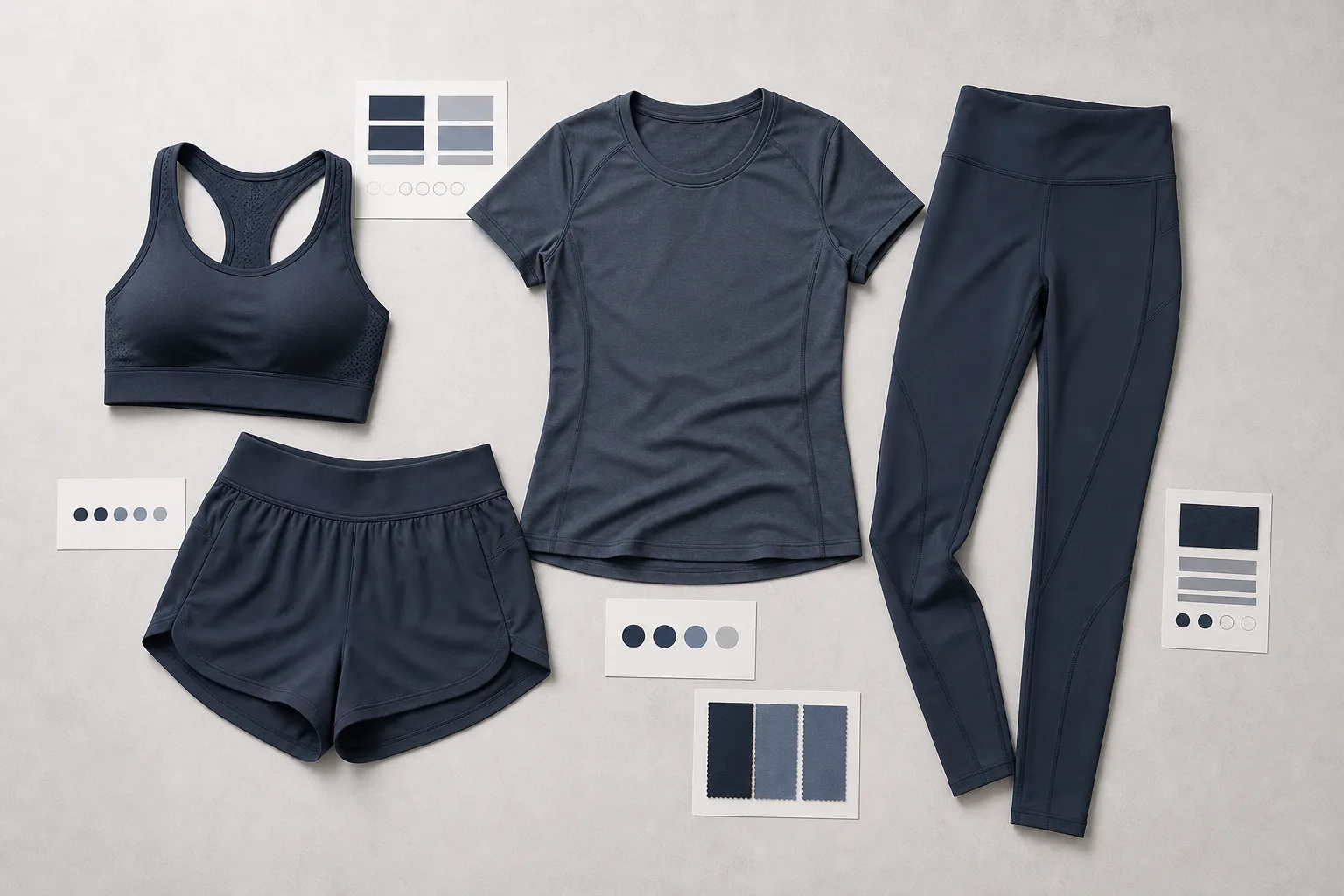
Match your order model, launch timing, and sourcing maturity with a practical production route.
Keep the garment stable during lifts, machine work, and floor exercises.
Confirm.
Stretch and recovery: The fabric should return after repeated movement without feeling loose too quickly.
Define the role of each SKU: performance, training, warm-up, or retail add-on.
Gym training activewear is often part of a private label program rather than a single style order. In that case. The buyer usually needs a coordinated product range. Clear branding. And a repeatable replenishment plan.
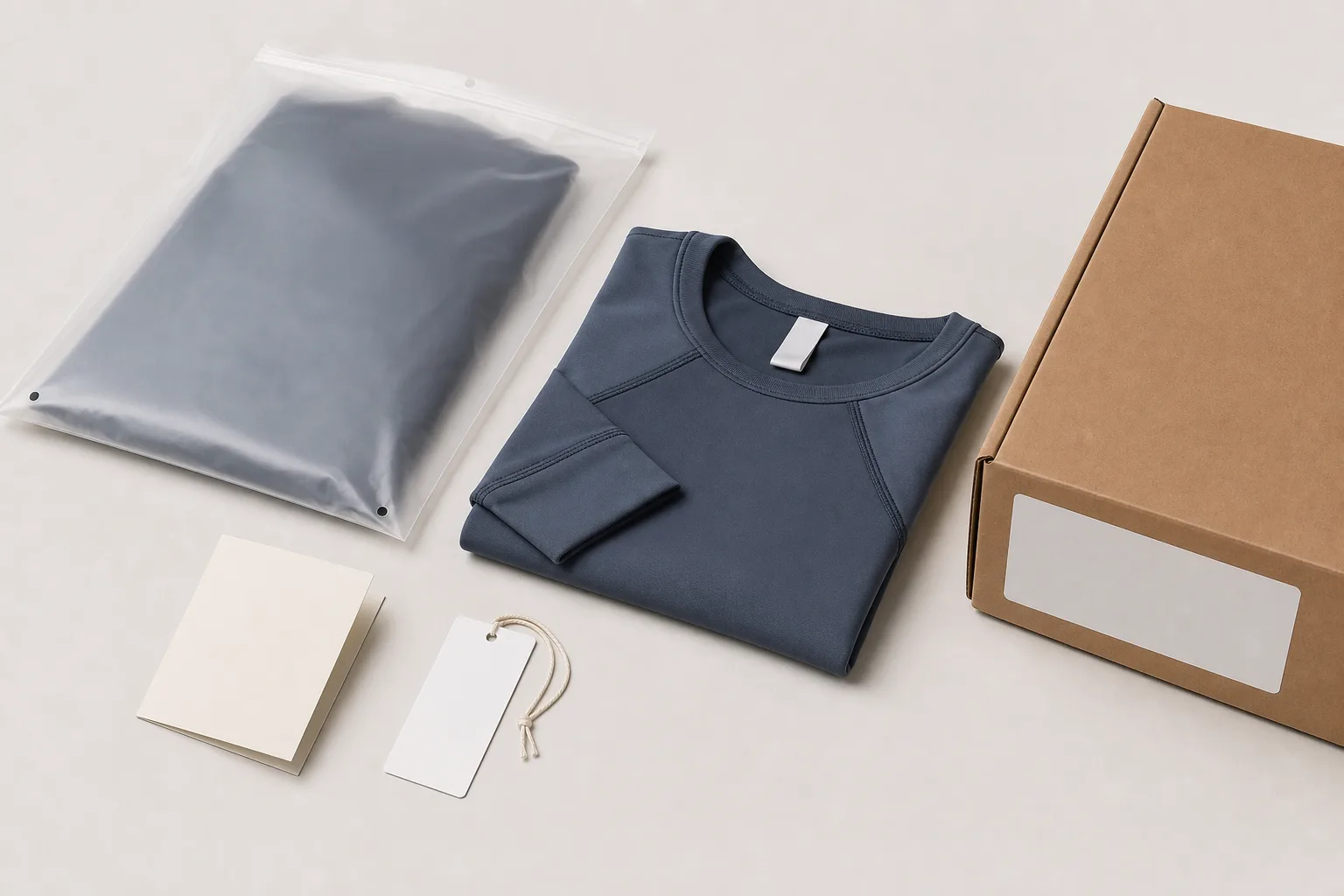
Private label development can include product selection or development. Logo application. Labels. Trims. Packaging. Sampling. And bulk production according to the approved project requirements. If your project is moving toward a multi-SKU training line, review private label activewear manufacturing before locking the collection plan.
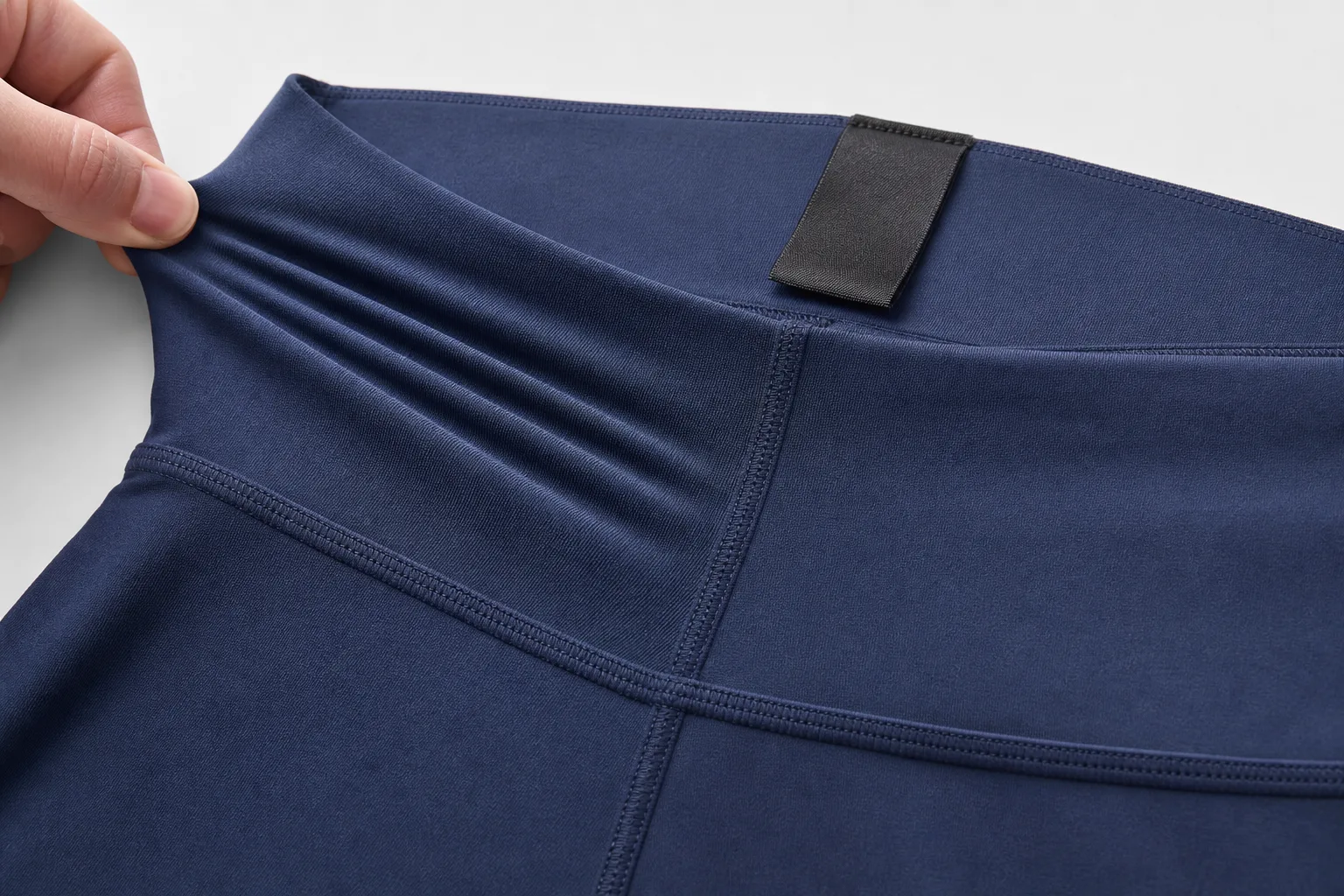
Gym training activewear is usually judged by how it performs during movement, repetition, and sweat-heavy sessions. Compared with casual athleisure, the garments need firmer hold, more reliable recovery, and a fit that stays in place when the wearer bends, lifts, stretches, or changes direction. For buyers planning a broader performance line. Compare product directions first in the product catalog. Then decide which items belong in the gym training assortment and which items belong in a softer studio or lounge range.
Keep the garment stable during lifts, machine work, and floor exercises affects product mix, MOQ expectations,.
Balance breathability with coverage and shape retention helps sourcing teams choose consultation, samples,.
Support a training range that may include warm-up, conditioning, and cool-down in one outfit connects the buyer.
The chosen fabric and construction affects product mix, MOQ expectations, packaging details, and brief.
The same gym does not need the same garment balance for every customer group. A weight-training audience may want more support and hold, while a class-based audience may prefer lighter layers and higher breathability. The table below helps translate training needs into product decisions. If your assortment needs stronger support, review sports bras. If the line needs firmer hold for training layers, compare compression yoga wear. For lighter upper-body pieces, yoga tops can help define the neckline, sleeve, and coverage direction before sampling starts.
Recommended product direction: Supportive sports bras, compression layers, fitted bottoms.
Key detail to confirm: Stay-in-place fit, underband stability, waistband recovery.
Recommended product direction: Breathable tops, secure shorts, high-recovery leggings.
Key detail to confirm: Sweat handling, opacity under stretch, seam comfort.
Recommended product direction: Recovery wear.
Key detail to confirm: Size range, color plan, reorder structure.
Recommended product direction: Clear product grouping with coordinated branding and packaging.
Key detail to confirm: Label layout, hangtag plan, carton marking.
The clearer the project input, the easier it is to review fabric, fit, branding, and production options. You do not need every detail to start, but grouping the information below will help the quotation stay closer to the final order plan. If you already have a tech pack, use Upload Your Tech Pack. If the concept is still being defined, start with Get OEM/ODM Consultation. For buyers ready to move ahead, Request a Quote with the project details that are already confirmed.
Reference MOQ starts from 300 pieces. The final MOQ and size or color allocation depend on the product, fabric, construction, branding, and packaging. Standard sample time is around 5-7 days, and complex samples are around 7-10 days, subject to material availability, specification completeness, and revision needs. Bulk production is a reference range of around 20-35 days after approvals and material readiness, and the final schedule depends on order details and the current production plan.
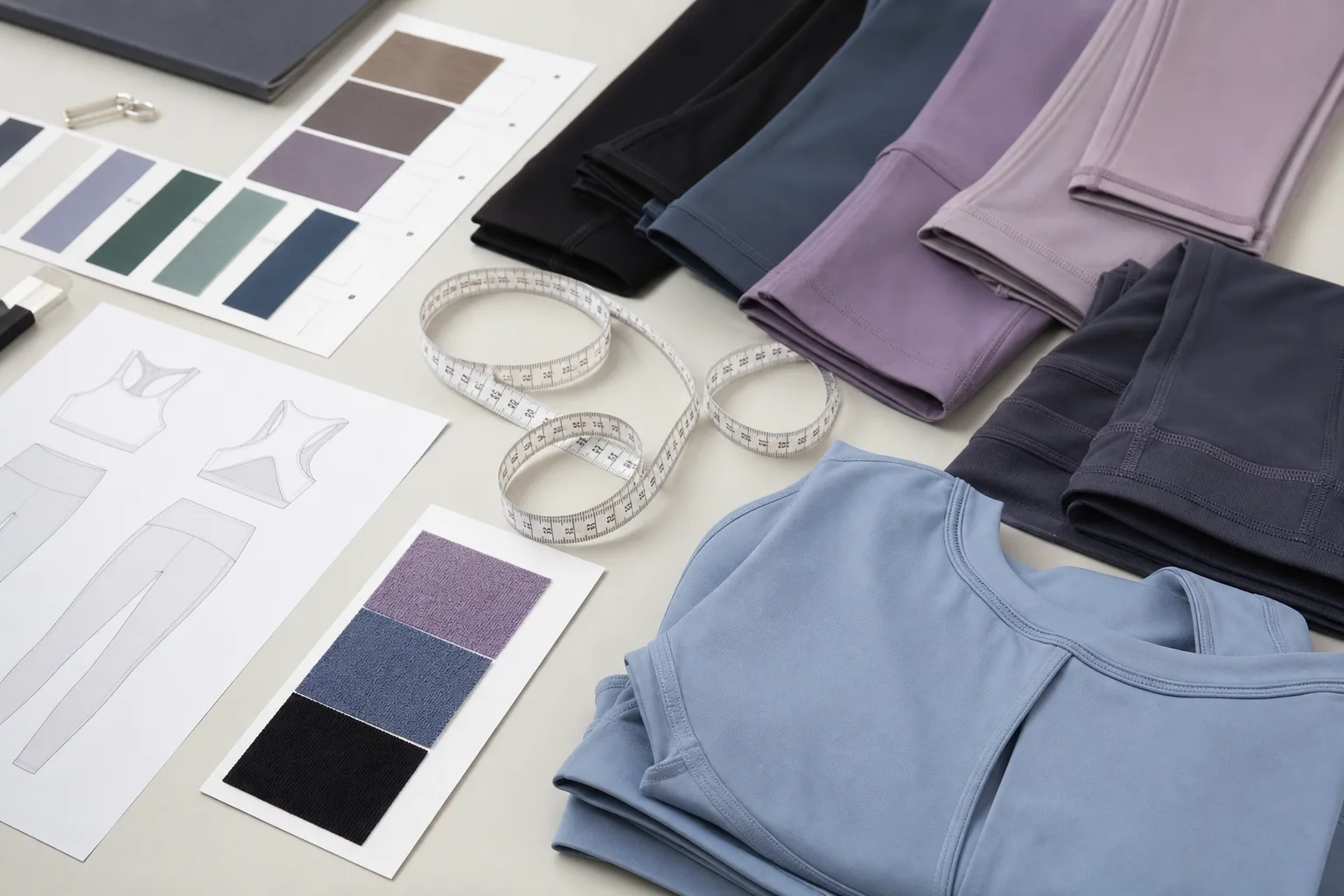
Gym training activewear should be checked across the sample stage, the pre-production stage, and the final packing stage. For this category, most teams pay close attention to how the garment moves, how the seams sit, and whether branding placement remains consistent across the size range. If you want to compare supplier control points. Placing an order. Review the quality control process and then confirm whether an online factory meeting is useful for your team.
Keep the project conversation practical with clear expectations around sampling, production and quotation inputs.
Most gym training programs combine support-focused pieces such as sports bras and compression layers with fitted tops, leggings, or shorts. The right mix depends on the training intensity, the target customer, and whether the line is for retail, a gym chain, or a branded merchandise program.
Yes. A tech pack, reference garment, or clear image set can be used to review fabric, fit, construction, branding, and sizing. If the concept is still being defined, it is better to start with OEM or ODM consultation first.
Buyers usually compare stretch recovery, opacity, compression level, moisture handling, hand feel, and how the fabric behaves in motion. Swatches help the team evaluate the material before the sample is approved.
Reference MOQ starts from 300 pieces. The final MOQ and size or color allocation depend on the product, fabric, construction, branding, and packaging.
Standard samples are around 5-7 days and complex samples are around 7-10 days, subject to specification completeness and material availability. Bulk production is a reference range of around 20-35 days after approvals and material readiness.
Yes. Logo method, labels, hangtags, packaging format, and carton marking can be planned as part of the project. The best option depends on the garment type, sales channel, and budget structure.
Tell us whether you are building a brand launch, studio retail program, e-commerce assortment, or wholesale order so the team can suggest a practical path.