Private Label
Best fit: Brand launch or collection refresh.
Buyer input: Product direction, branding, packaging, and target quantity.
What gets refined: Labels, trims, fit details, and launch presentation.
Ninghow Yoga helps private label activewear programs from concept review and sample development through labels, trims, packaging, bulk production, and reorder planning. Brands can define the product range, branding details, size allocation, and launch sequence before quotation and approval.
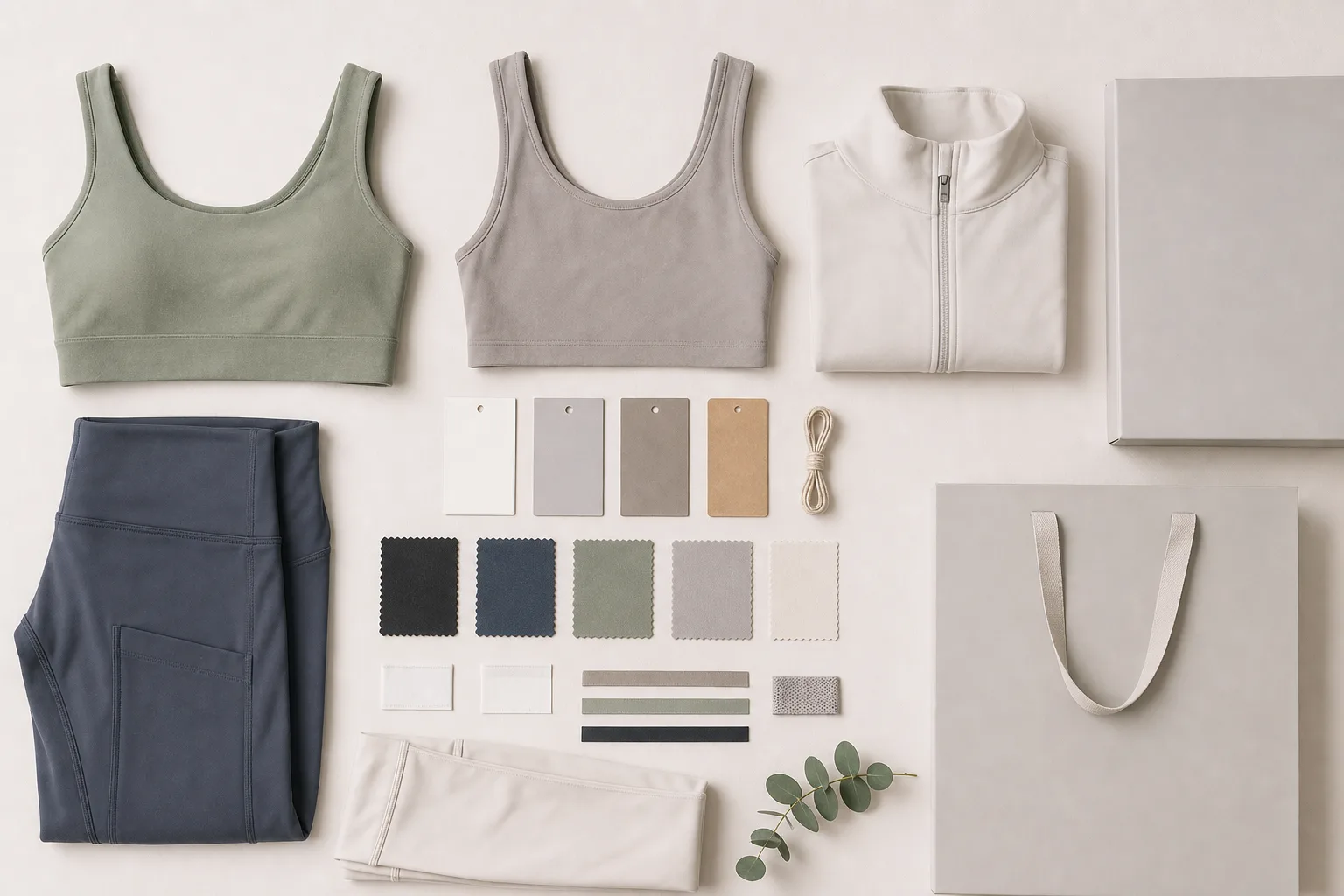
Separate confirmed details from development needs, required files, and sample references.
Product direction based on your target market, price position, and use case.
Define the launch SKUs first, then decide which styles can be repeated later.
Main label and care label content.
Confirm the garment against the intended wear profile and target size range.
Labels, trims, and packaging can change the cost structure, lead time, and approval sequence of a private label order. Buyers should confirm these details early so the sample reflects the final brand presentation. When material comparison is still open, request fabric swatches before finalizing the surface finish, hand feel, and visual balance of the collection.
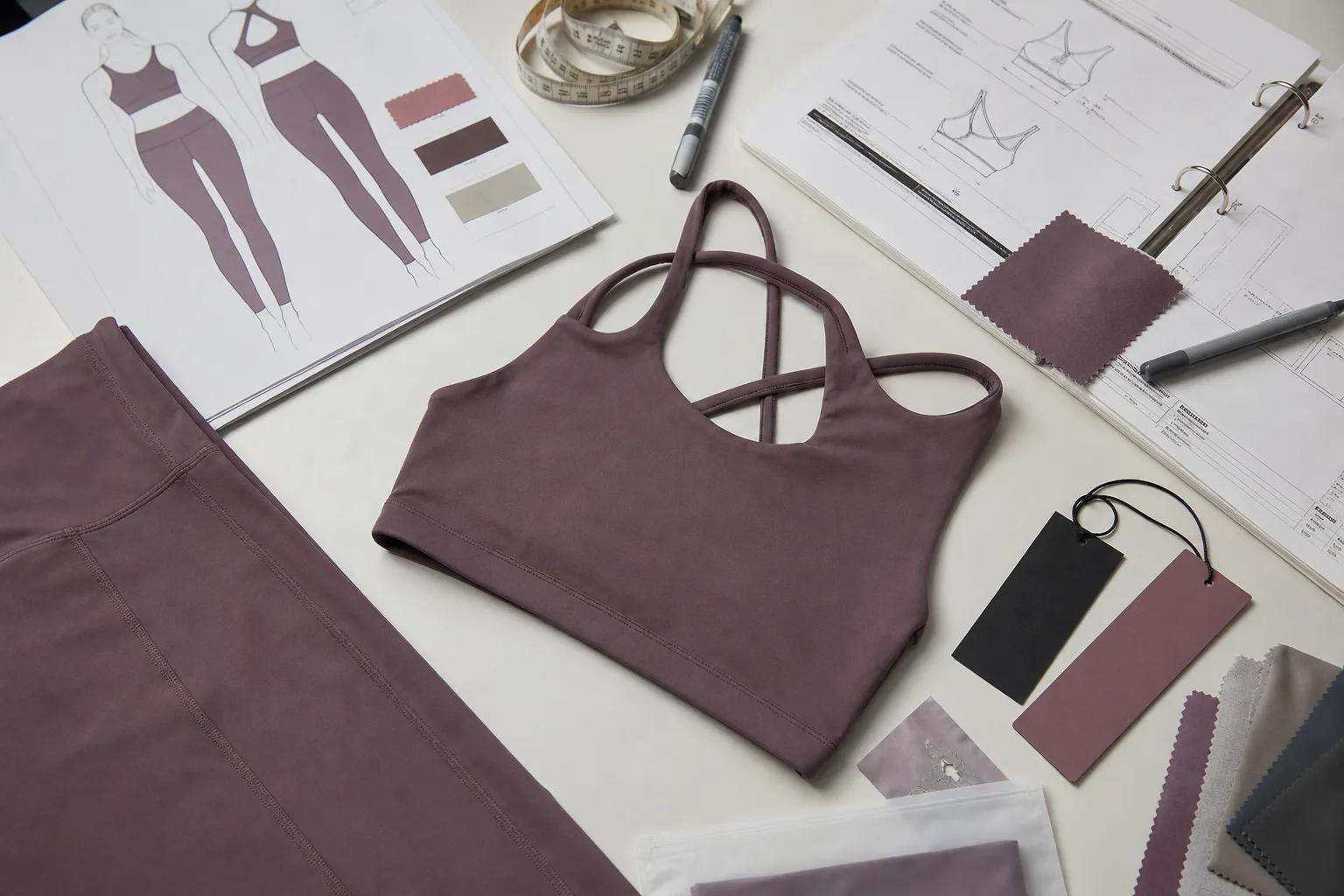
A private label activewear manufacturer produces garments under your brand name while aligning the product, branding, and packaging with your launch plan. The work often includes reference-design review, fabric and fit decisions, logo placement, label setup, packaging preparation, sample approval, and bulk order follow-up. For implementation-only work. Review private label yoga apparel alongside logo application and custom packaging when your main focus is branding execution rather than full product development.
Confirm product direction based on your target market, price position, and use case early so sampling,.
Brand elements such as main labels, size labels, care labels, hang tags, and packaging marks separates.
Construction choices that affect fit, comfort, durability, and presentation affects files, references, trims,.
Confirm sample approval checkpoints before bulk production starts early so sampling, branding, pricing, and.
Color, size, and sku consistency across future runs separates confirmed details from decisions that still need.
Private label programs work best when the collection plan is clear before sampling starts. That usually means deciding which styles will launch together, how many colors each style needs, and how sizes will be allocated across the first order. Private label often sits between a pure manufacturing order and a full development project. If you need more technical input, compare OEM yoga apparel with ODM activewear development before choosing the route that matches your team’s workload.
Best fit: Brand launch or collection refresh.
Buyer input: Product direction, branding, packaging, and target quantity.
What gets refined: Labels, trims, fit details, and launch presentation.
Best fit: You already have product specs.
Buyer input: Tech pack, measurements, and reference sample.
What gets refined: Manufacturing execution against your specifications.
Best fit: You need development support from an idea or concept.
Buyer input: Market goal, reference images, and target customer.
What gets refined: Product direction, pattern development, and sample refinement.
Sample approval helps buyers check fit, measurements, hand feel, garment construction, branding placement, and packaging logic before production begins. Standard samples are around 5-7 days and complex samples are around 7-10 days, depending on specification completeness, fabric availability, construction details, logo method, and revision requirements. Reference MOQ starts from 300 pieces. The final MOQ and size or color allocation depend on the product. Fabric. Construction. Branding. And packaging.
Bulk production is commonly around 20-35 days. Approvals and material readiness. But the final schedule depends on product complexity. Order quantity. Materials. Colors. Size range. Branding. Packaging. Sample approval. And the current production schedule.
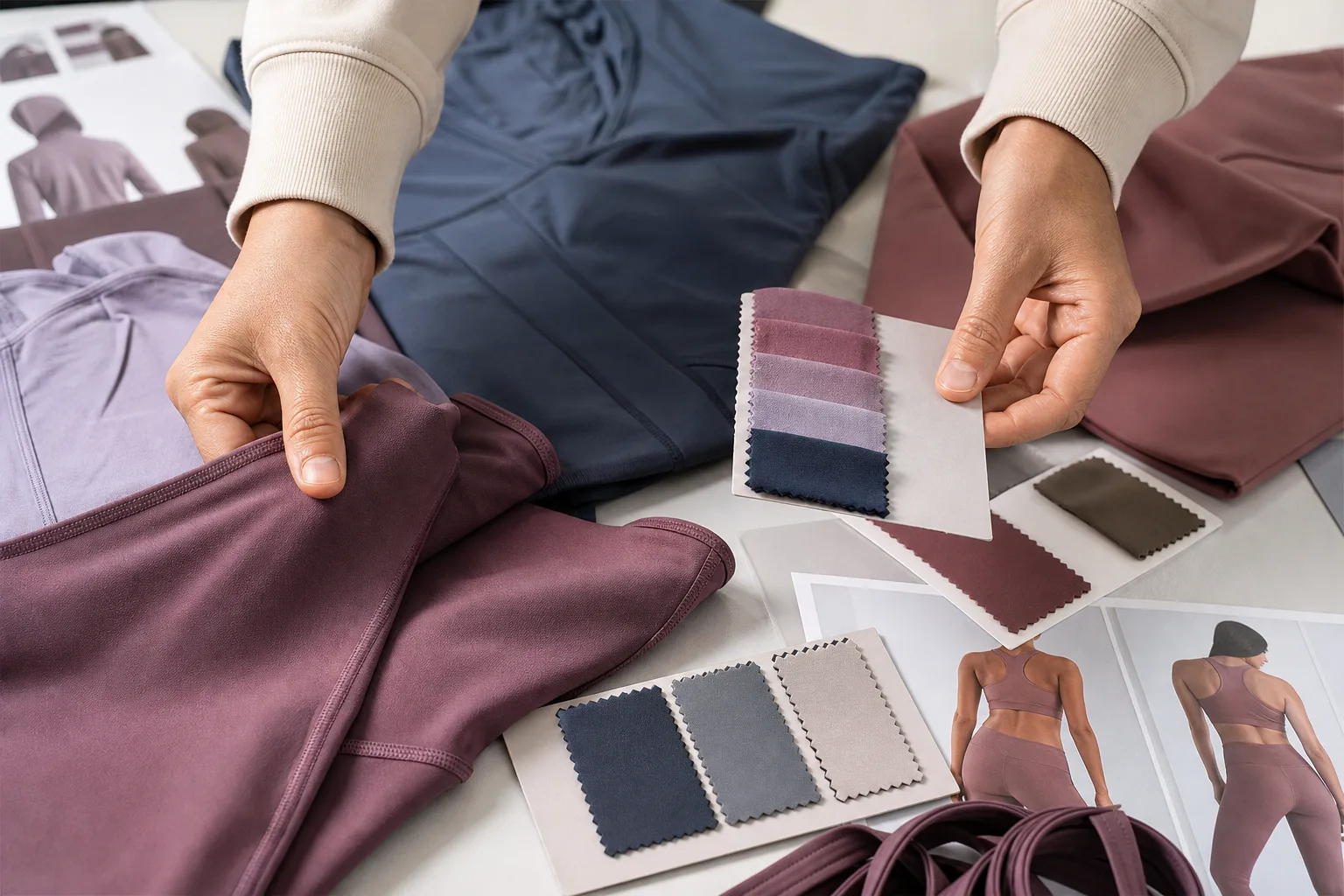
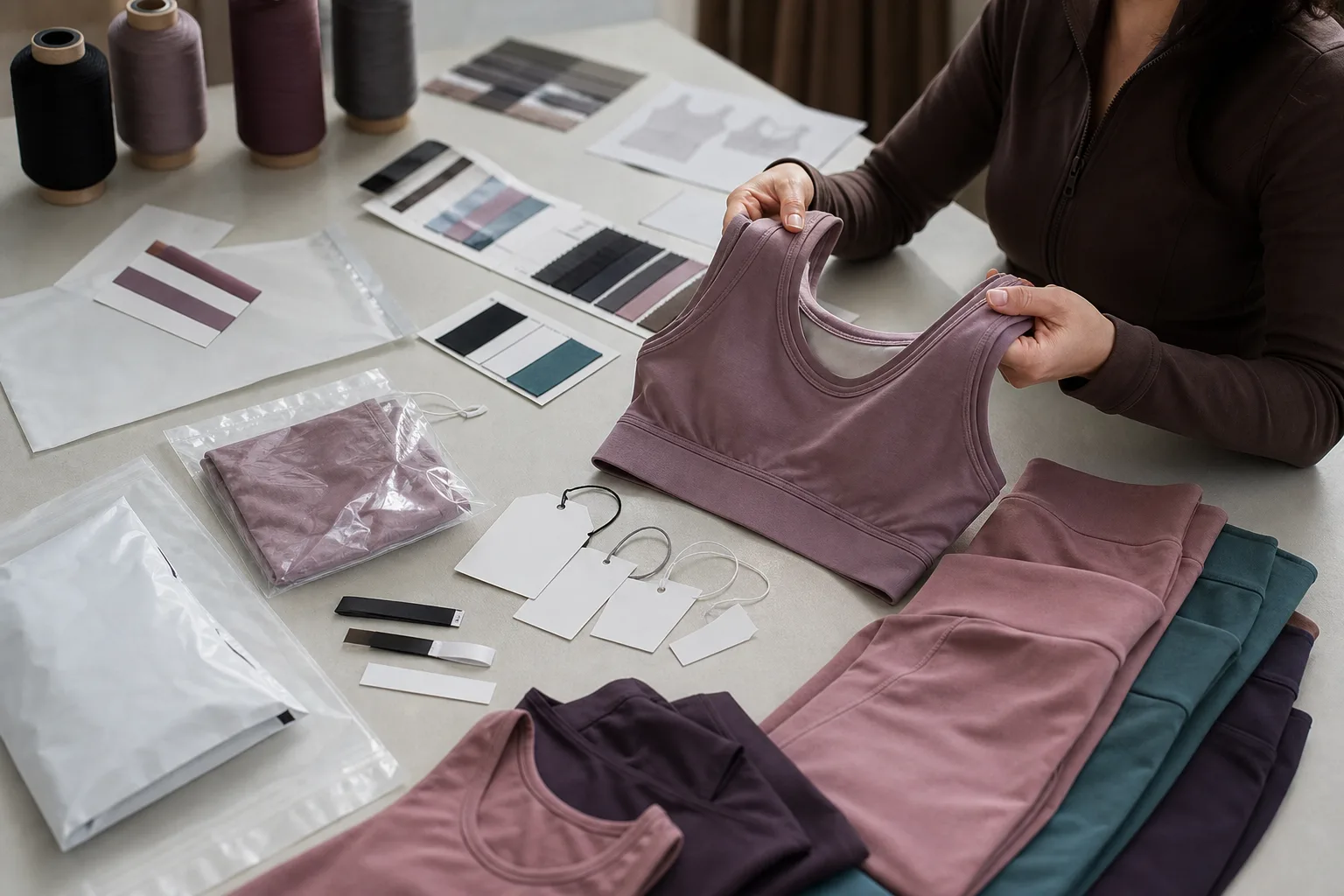
The clearest quotation comes from a complete project brief. If your collection concept is still being shaped, begin with consultation; if the details are already confirmed, you can move directly into pricing and sample coordination. Use Upload Your Tech Pack when your specifications are complete, or choose Get OEM/ODM Consultation when the product direction still needs refinement. You can also review the private label activewear guide before finalizing the brief.
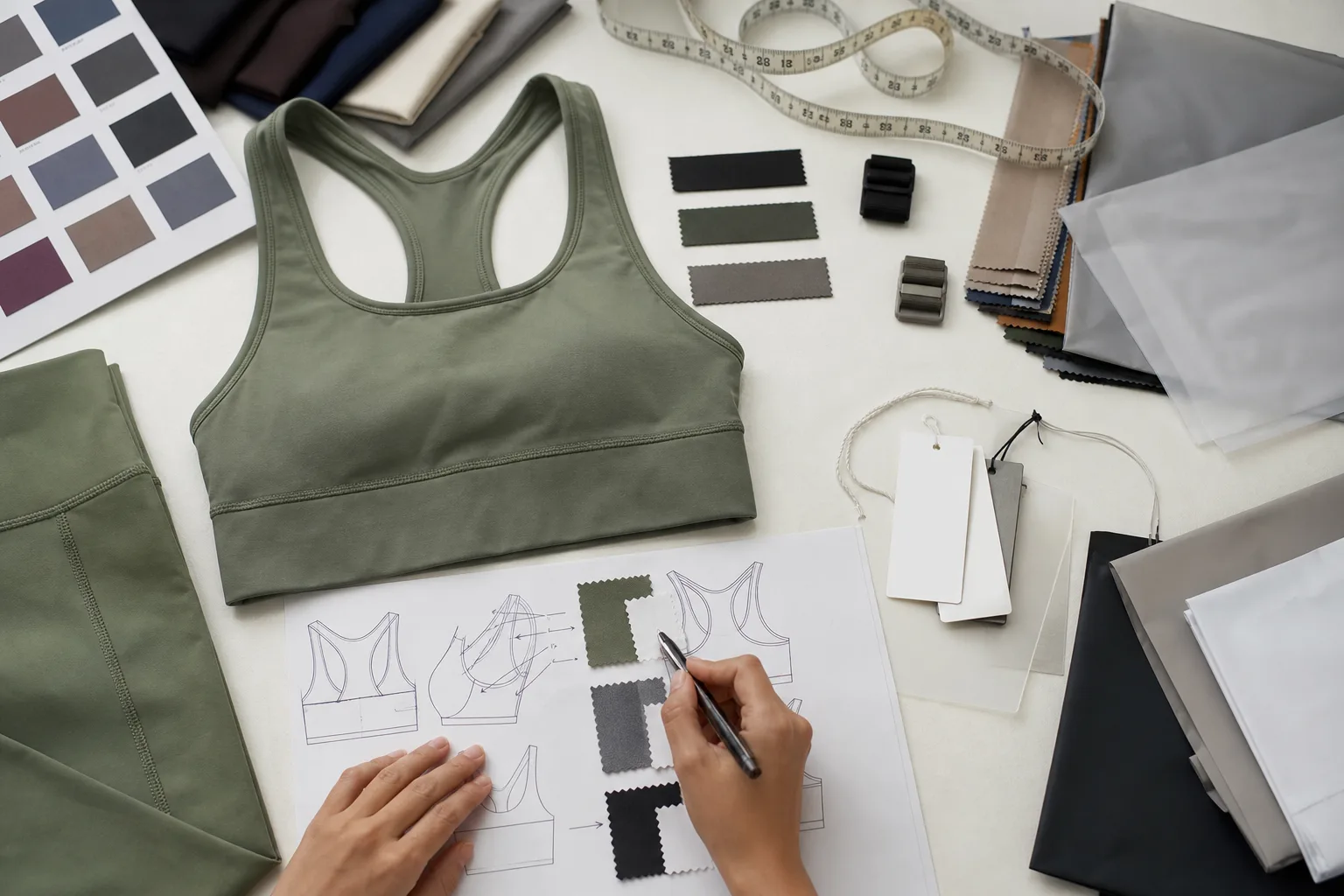
Keep the project conversation practical with clear expectations around sampling, production and quotation inputs.
Reference MOQ starts from 300 pieces. The final MOQ and size or color allocation depend on the product, fabric, construction, branding, and packaging.
Yes. If you have reference images, a target market, and product ideas, the project can begin with consultation and sample planning before final pricing.
Confirm the main label, care label, size label, logo method, packaging format, and any hang tag or carton mark requirements before sample approval.
Standard samples are around 5-7 days and complex samples are around 7-10 days, depending on specification completeness, fabric availability, construction, and revision needs.
Bulk production typically starts after sample approval and material readiness. The reference production period is around 20-35 days, but the final timeline depends on project details and the current schedule.
Keep the first launch consistent in color, size allocation, branding, and packaging so future runs can be repeated with fewer changes. Reorders still need confirmation against current material and schedule.
Share references, technical files, fabric direction, branding needs, target quantity, and launch timing so Ninghow Yoga can suggest the right route.