Construction
Suitable route: OEM yoga apparel.
What should be prepared: Approved specs, fabric target, branding details, quantity plan, packaging notes.
International sourcing companies need more than a garment supplier. They need a manufacturing process that is clear enough for buyer handoff, sample approval, inspection control, packaging review, and export coordination. Ninghow Yoga supports B2B yoga apparel and activewear projects with product development, sampling, bulk production, branding application, and shipment coordination according to approved project requirements.

Match your order model, launch timing, and sourcing maturity with a practical production route.
Cut-and-sew production or seamless production.
Core continuity styles, seasonal colors, or branded capsule programs.
Sourcing companies may receive very different levels of buyer input. The right development route depends on how.
Confirm category, silhouette, and intended use.
For international sourcing companies, the main issue is not only price. The real challenge is making sure the factory can follow the required specification. Maintain approval checkpoints. And support communication across different teams such as the end buyer. Buying office. Merchandiser. And freight partner.
A sourcing company handling yoga apparel will usually need to confirm:. This matters even more when one sourcing company is managing multiple customer accounts, mixed product categories, or repeat seasonal programs.
Cut-and-sew production or seamless production affects product mix, MOQ expectations, packaging details, and.
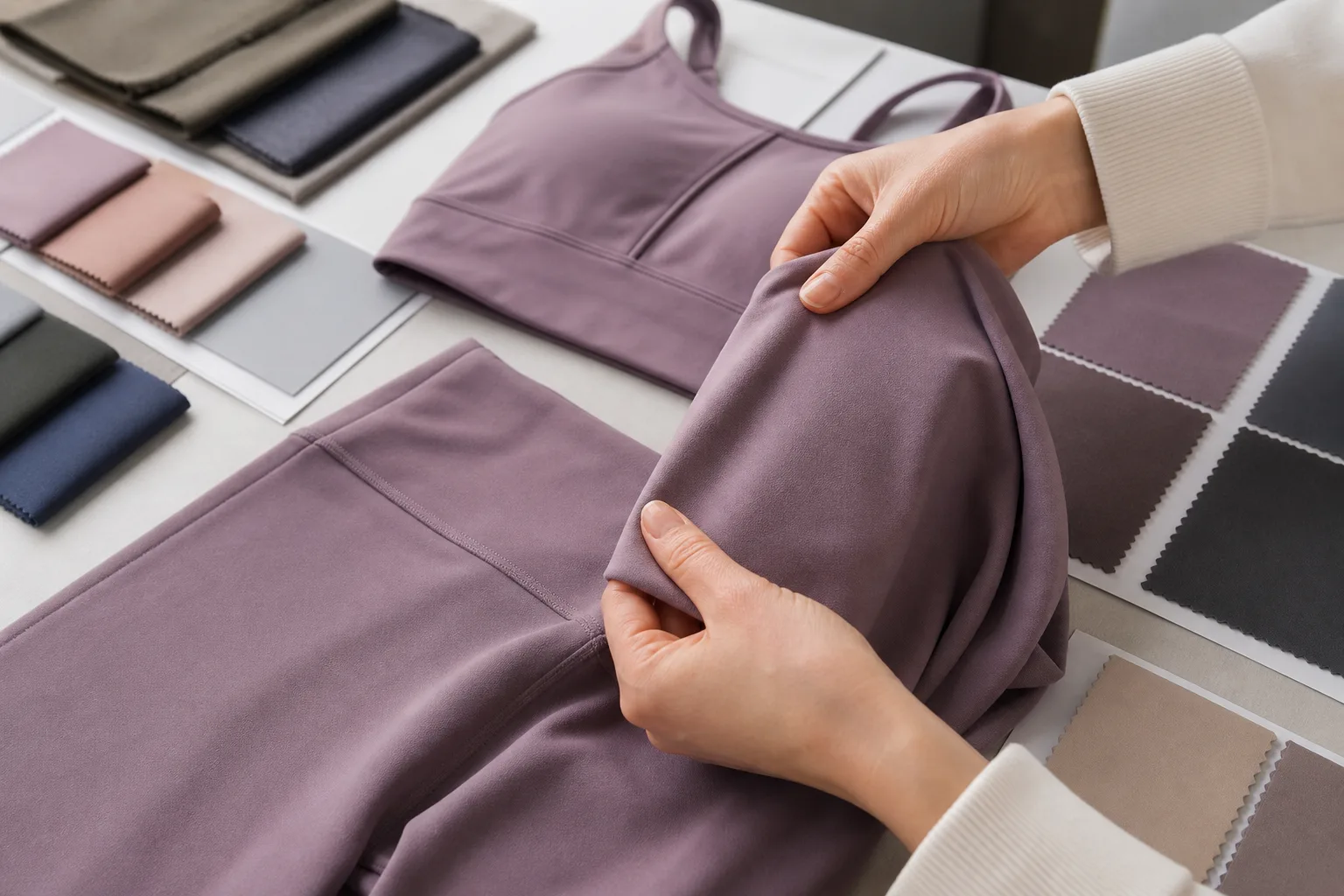
How fabric, stretch, opacity, and recovery should be reviewed before sample approval helps sourcing teams.
How many skus, colors, and sizes the order will include connects the buyer scenario with the most practical.
What branding methods, labels, and packaging details must be locked before bulk release affects product mix,.
In-line confirm and final inspection helps sourcing teams choose consultation, samples, quotation, or.
The destination market connects the buyer scenario with the most practical sourcing step.
International sourcing companies often manage a product mix instead of a single style. For yoga and studio-related programs, common categories include: Different categories create different approval risks. Leggings often require close checking of waistband construction, opacity during movement, gusset shape, and stretch recovery. Bras need attention to strap placement, underband fit, coverage, and removable padding options. Seamless styles require early confirmation of panel zoning, texture areas, and size grading direction.
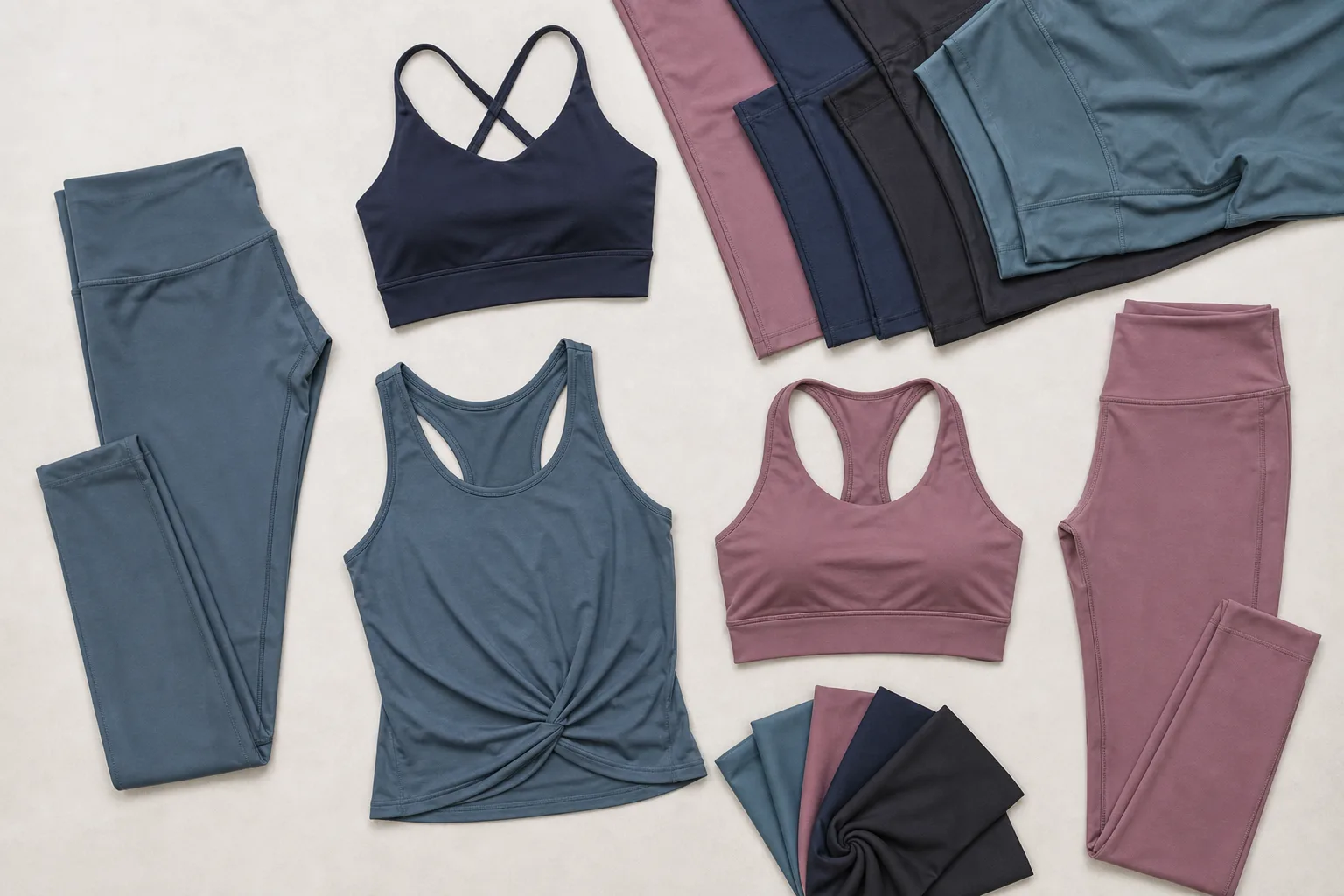
Sourcing companies may receive very different levels of buyer input. The right development route depends on how complete the specification is at the start. If the project is still open at concept stage, a consultation call usually saves time before quotation. If the style package is already complete, moving directly to sample review and quotation can be more efficient.
Suitable route: OEM yoga apparel.
What should be prepared: Approved specs, fabric target, branding details, quantity plan, packaging notes.
Suitable route: ODM activewear development.
What should be prepared: Reference styles, target market, fit direction, expected category mix, branding goal.
Suitable route: Private label yoga apparel.
What should be prepared: Logo files, label content, care-label requirements, packaging brief, assortment plan.
Sourcing companies often sit between the factory and the final buyer. Clear handoff points reduce revision risk and prevent late changes after materials are booked. For sourcing teams managing several end buyers at once, these approval gates help keep the factory instruction set clean and reduce repeated clarification.
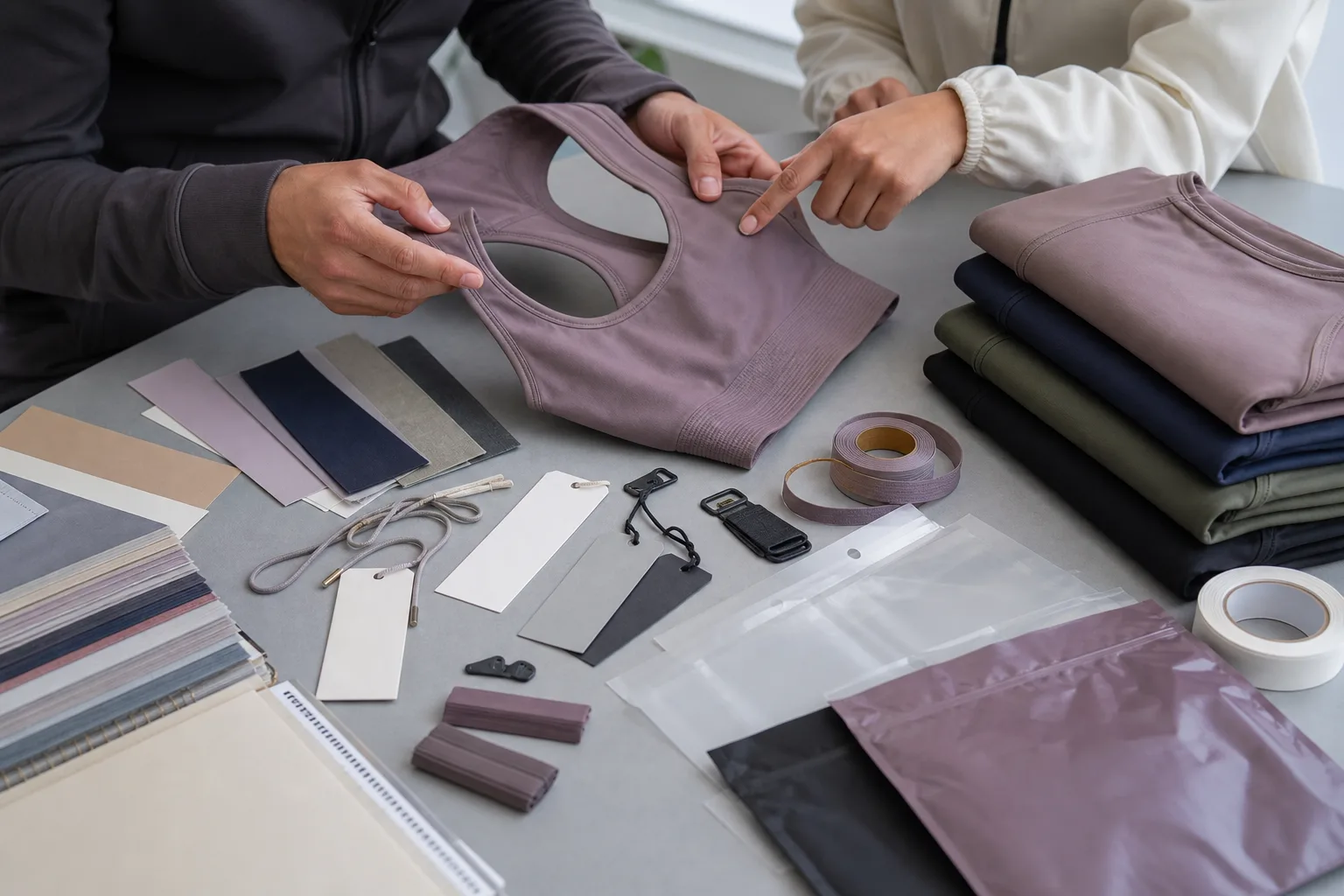
Many sourcing issues begin with incomplete approvals rather than production alone. A stronger control process usually includes both document discipline and practical checkpoint review. Trade terms may include EXW, FOB, CIF, and DDP when confirmed for the project. Final shipment method should be reviewed against product readiness, destination, customs handling, and the buyer’s delivery arrangement.
Reference MOQ starts from 300 pieces. The final MOQ and size or color allocation depend on the product. Fabric. Construction. Branding. And packaging.
Sample timing is usually influenced by specification completeness. Material availability. Construction details. Logo method. And revision rounds. Standard samples are often around 5–7 days, while more complex samples may take around 7–10 days. Bulk production commonly falls within a reference range of around 20–35 days. Approvals and material readiness. But final timing depends on the order details and current production schedule.
For factory evaluation, process review, or buyer handoff planning, book an online meeting first. For confirmed styles with quantities and branding details, request a project-specific quotation.
Schedule Online Factory Meeting
Request a Quote
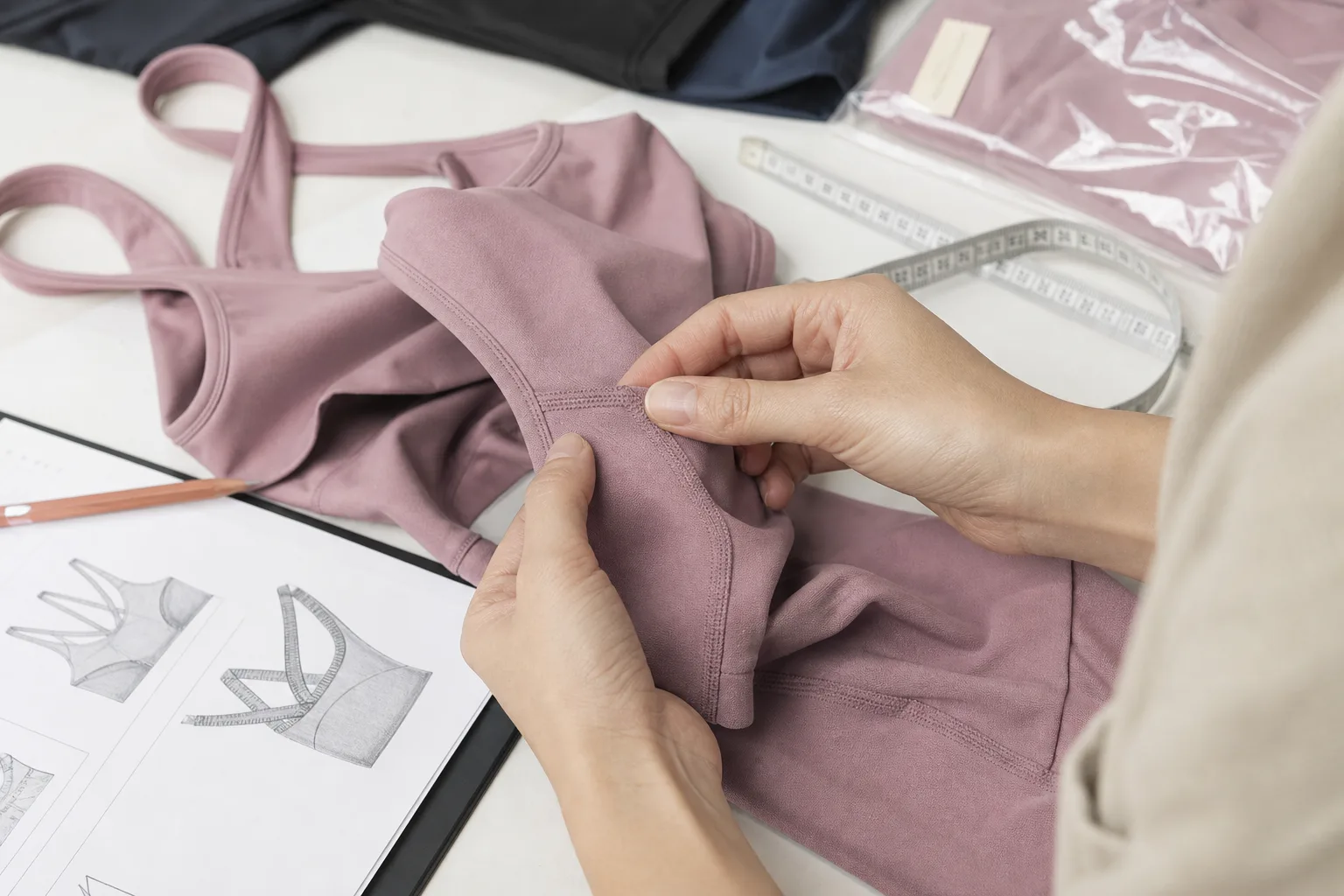
Keep the project conversation practical with clear expectations around sampling, production and quotation inputs.
The best starting set is product category, reference images or tech pack, expected quantity, target market, branding details, and shipping destination. If some details are still open, a consultation can help define the development route before sampling or quotation.
Yes. OEM is usually suitable when the buyer already has clear specifications, while ODM is more suitable when the buyer has a concept, reference styles, or target market direction and needs more product development input.
Reference MOQ starts from 300 pieces. The final MOQ and size or color allocation depend on the product, fabric, construction, branding, and packaging.
Standard samples are often around 5–7 days, and more complex samples may take around 7–10 days. Bulk production is commonly around 20–35 days after approvals and material readiness. Final timing depends on the product details, materials, revisions, and current production schedule.
AQL-based inspection support and third-party inspection can be arranged when required. The inspection method, timing, and checkpoints should be confirmed during the order planning stage.
Fabric review can be handled before final sample approval. Sending the intended use, fabric preference, performance expectation, and target price direction helps narrow the options. Fabric swatches can also be requested for comparison.
Tell us whether you are building a brand launch, studio retail program, e-commerce assortment, or wholesale order so the team can suggest a practical path.