Fabrics
What to compare: Tech pack, reference sample, sketches, or concept brief.
Why it matters: Helps estimate development workload and quotation accuracy.
Case studies help buyers understand how a yoga apparel project moves from idea, references, and sample review into approved production planning. They highlight the development questions, approval points, and manufacturing considerations that matter before bulk orders are placed.
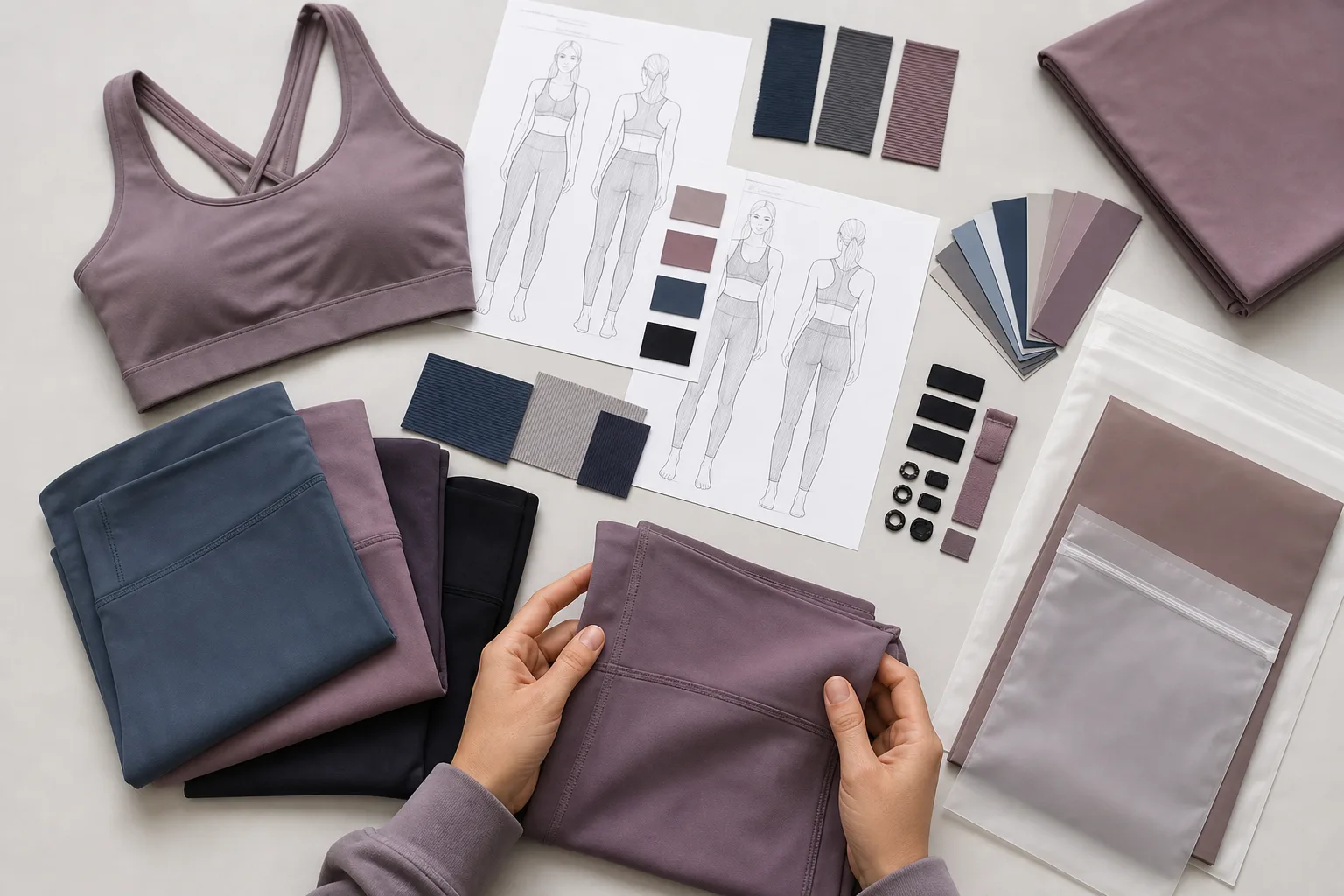
Compare the sourcing decision, supporting details, visuals, and next-step options in one place.
Product category and collection direction.
Private label brands building a first capsule or a small coordinated range.
Decide which development route matches their current level of preparation.
Product and fit details: product type, reference images, target measurements, support level, rise, coverage, or.
A useful yoga apparel case study should do more than show a finished garment. It should clarify what the buyer needed, what product decisions shaped the development path, and which approval stages reduced risk before production. When reviewing an example project, buyers should look for practical detail rather than broad claims. If you are still defining your collection, compare ODM activewear development with OEM yoga apparel before choosing the next step.
What buyers should expect from case studies so buyers understand why it matters before the next sourcing step.
Act on.
Explain how branding, labeling, and packaging decisions affects the next buyer decision around samples,.
What buyers should expect from case studies so buyers understand why it matters before the next sourcing step.
Act on.
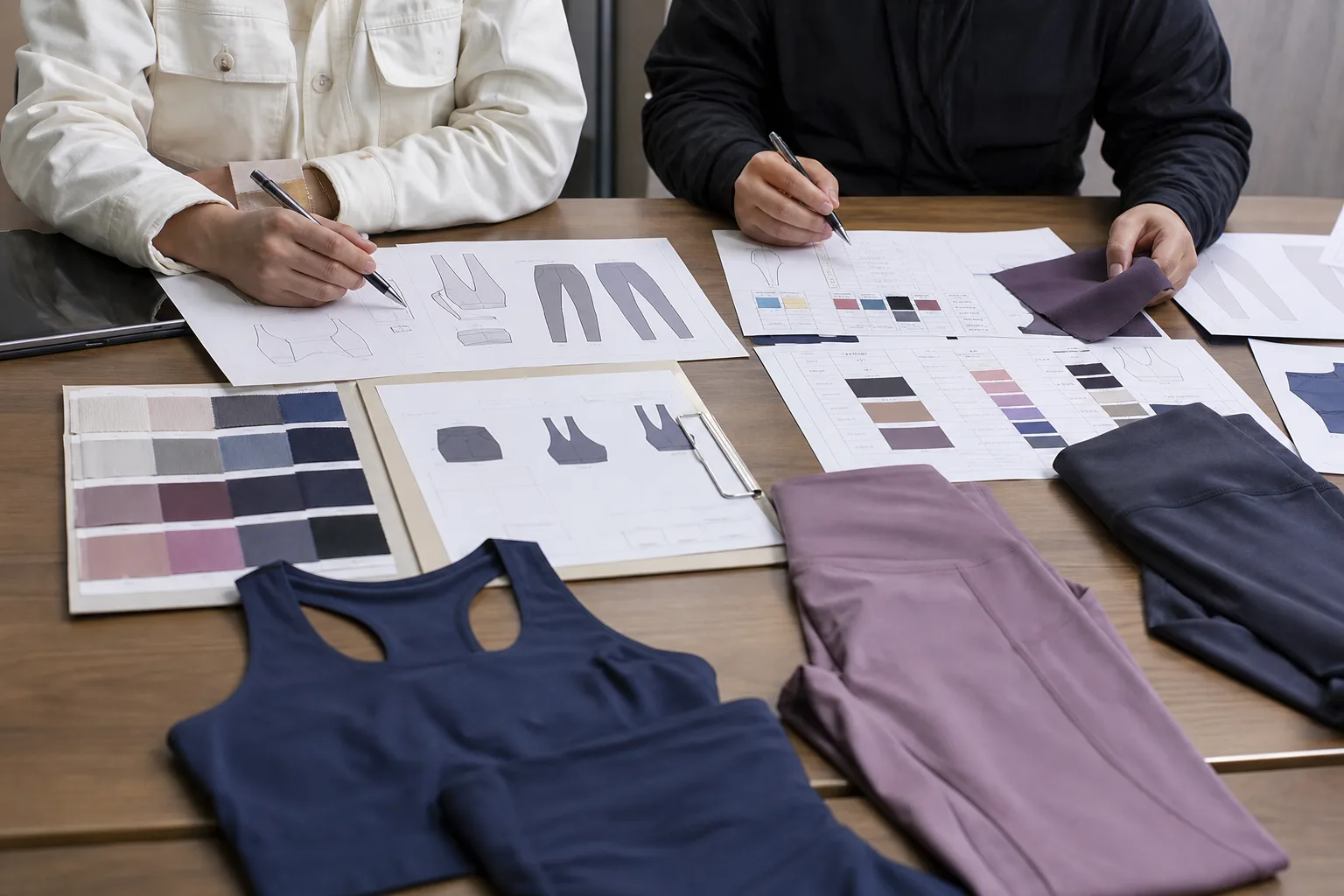
Some projects begin with a full tech pack, while others start with sketches, reference images, a target market, or an existing garment sample. The quality of the initial information usually affects sample accuracy, revision volume, and quotation clarity. Across sample approval, bulk production, and final packing, buyers need clear checkpoints for fabric, fit, workmanship, branding, and packaging. That is often more useful than looking for dramatic before-and-after storytelling. A private label yoga set, for example, may involve coordinated bra and legging fit, color matching, logo placement, label development, and packaging review. A single-SKU reorder project usually has different risks from a first launch with multiple sizes and colors.
What to compare: Tech pack, reference sample, sketches, or concept brief.
Why it matters: Helps estimate development workload and quotation accuracy.
What to compare: Single style, coordinated set, or multi-SKU launch.
Why it matters: Affects sampling, approvals, and production planning.
What to compare: Stretch, recovery, support, opacity, hand feel.
Why it matters: Shapes wear performance and sample confirm priorities.
What to compare: Logo method, labels, hangtags, packaging.
Why it matters: Adds approval points that may affect timing and MOQ allocation.
What to compare: Quantity, color split, size range, destination market.
Why it matters: Supports clearer production and shipment planning.
One example available in these details is a coordinated yoga set development project. This type of project usually matters to buyers who need more than a single garment because matching fit. Fabric behavior. Branding presentation. And packaging become part of one approval flow.
Review the full project summary in Private Label Yoga Set Launch to see how a branded set can be developed around buyer-approved specifications rather than generic stock assumptions.
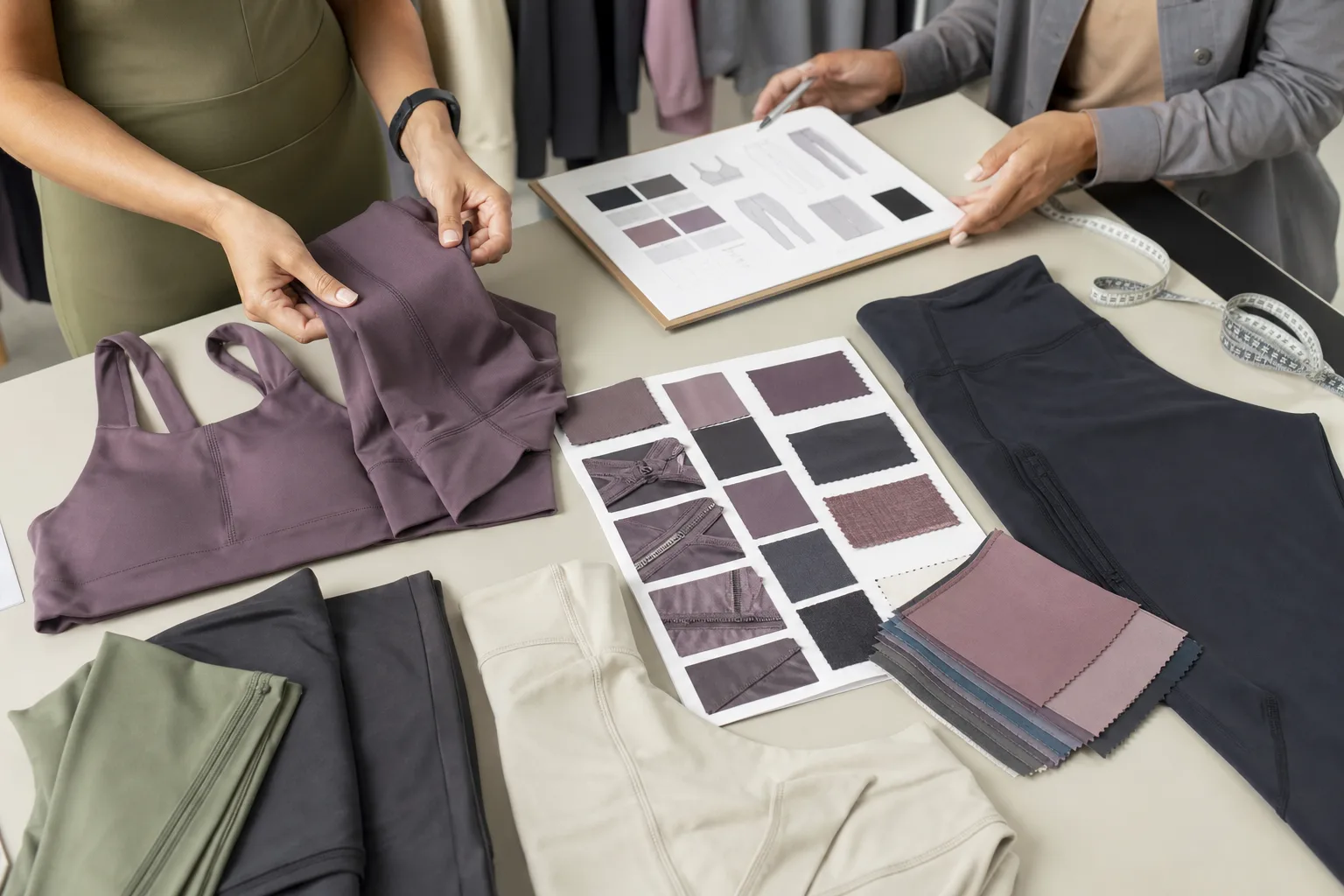
Most buyers reviewing yoga apparel case studies are trying to decide which development route matches their current level of preparation. These usually begin with inspiration images, a target customer profile, and a rough product plan. They often need more development input early, which is why buyers commonly start with Start Your Private Label Project or Get OEM/ODM Consultation. These usually include measurement charts, material preferences, logo artwork, and packaging direction. They are often better suited to Upload Your Tech Pack or a more direct quotation discussion. When the main uncertainty is fabric, many sourcing teams need swatches before sample approval. In that case, reviewing fabric sourcing options and then requesting fabric swatches is usually the more practical next step.
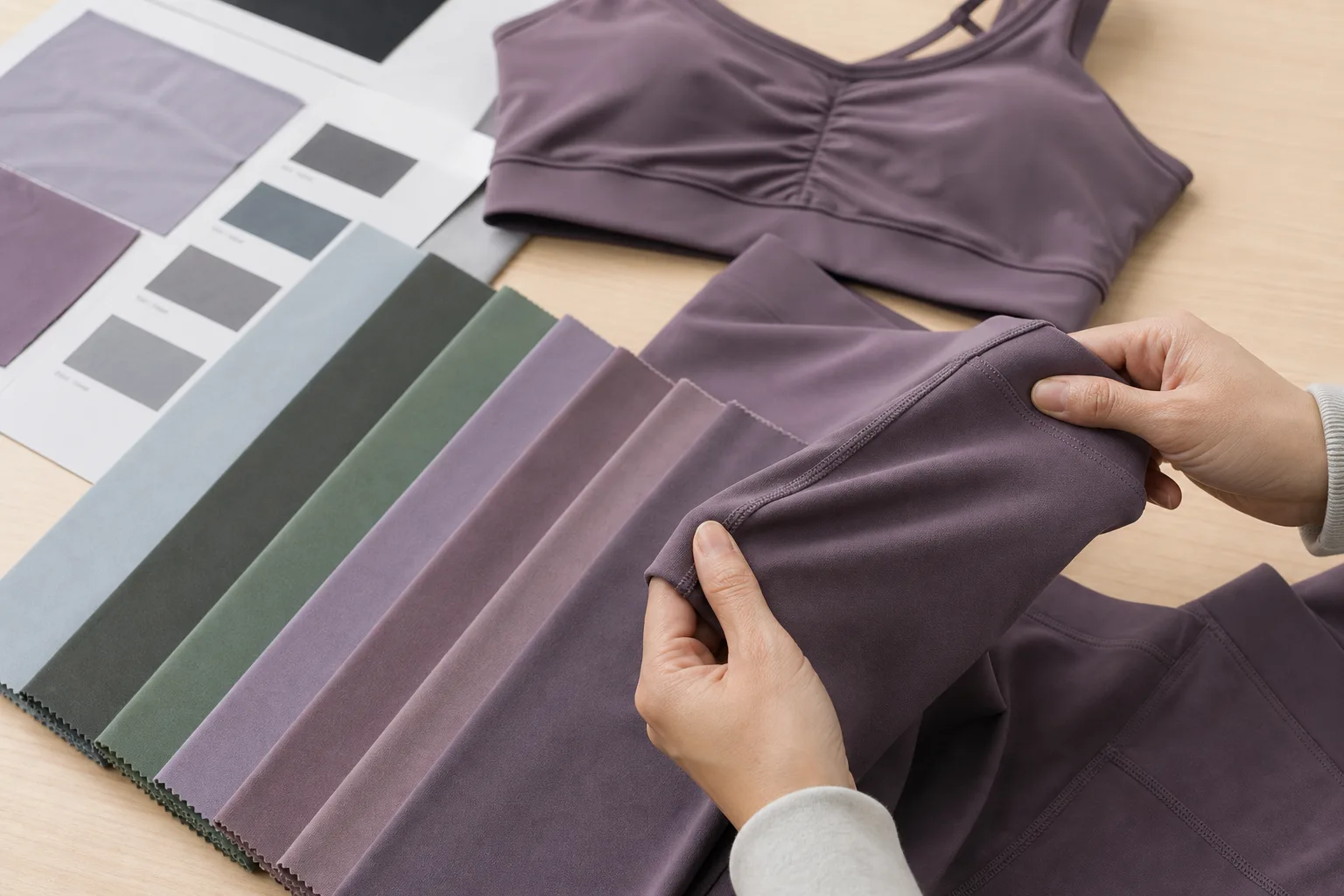
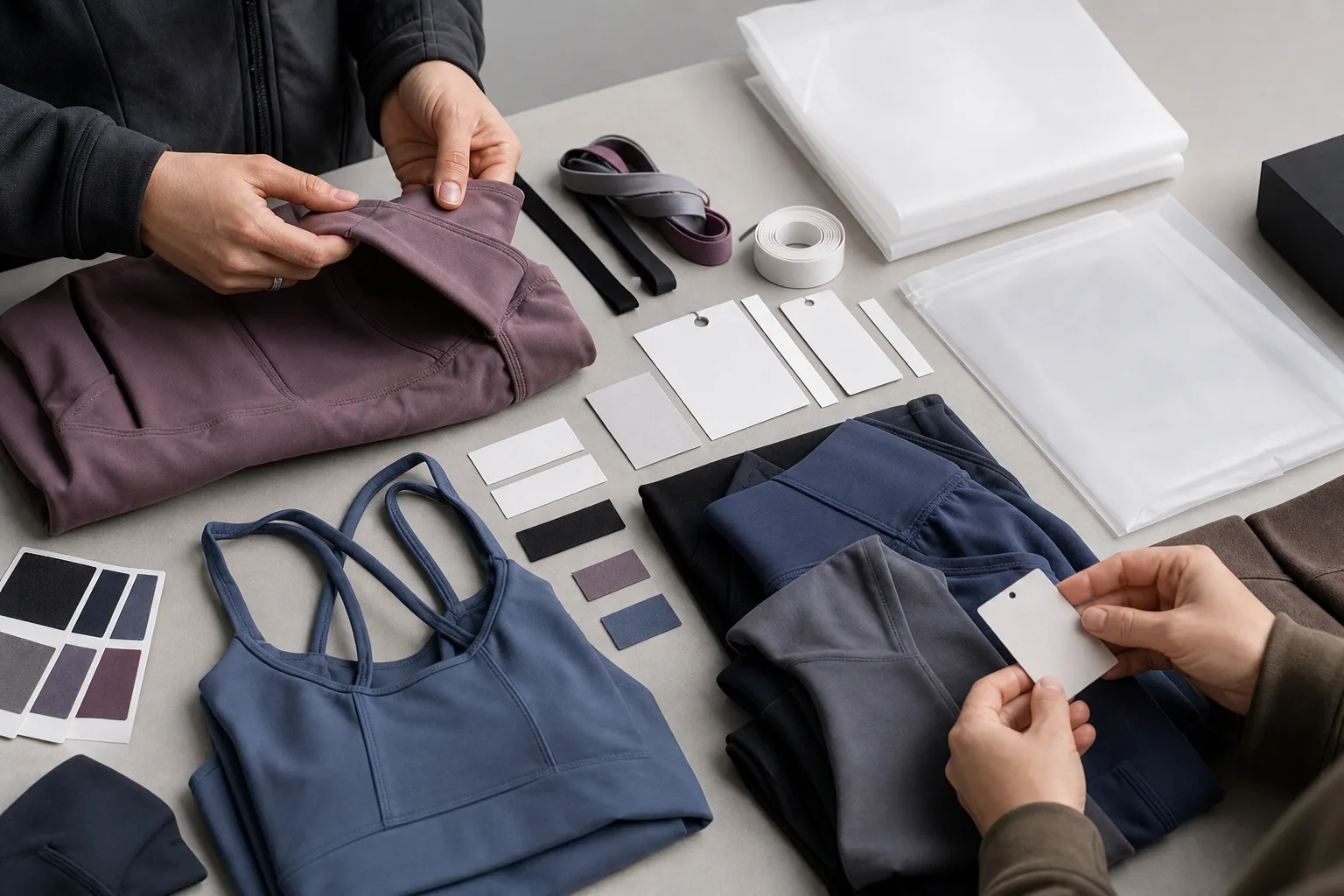
When a sourcing team evaluates a case study, the goal is not simply to confirm that a style can be made. The real value is understanding which details need to be prepared before the project moves into sampling or bulk planning. If those details are still incomplete, it is usually better to discuss the development path first. If they are already defined, a project-specific quotation becomes more practical.
Ninghow Yoga helps B2B buyers working on custom yoga apparel and private label activewear projects. Depending on the project. Discussion may include product development. Sampling. Logo application. Labels. Packaging. Bulk production. Inspection planning. And shipment coordination.
For projects that move beyond example review. Many sourcing teams continue with one of these next actions:.
Keep the project conversation practical with clear expectations around sampling, production and quotation inputs.
You can review how a project was defined, which product and branding decisions mattered during development, and what approval points buyers should prepare before bulk production planning.
No. Case studies should be used to understand development paths, product decisions, and manufacturing checkpoints. Commercial results, sales outcomes, and unsupported performance claims should not be assumed.
You can send reference images, a tech pack, measurement charts, fabric preferences, logo artwork, label and packaging requirements, estimated quantity, and shipping destination. The more complete the information, the easier it is to move into sample review or quotation.
Yes. If you only have a concept, mood references, or a target market plan, it is usually better to begin with OEM/ODM consultation or a private label discussion rather than a technical upload.
Reference MOQ starts from 300 pieces. The final MOQ and size or color allocation depend on the product, fabric, construction, branding, and packaging.
Timing depends on the completeness of the specifications, material availability, construction details, branding method, approvals, and current production schedule. Standard samples are often around 5-7 days, complex samples may take around 7-10 days, and bulk production may be around 20-35 days after approvals and material readiness.
Share your current project details and Ninghow Yoga can suggest the most practical route for development, sampling, quotation, or production.