Sampling
What buyers review: Tech pack completeness, fabric direction, logo method, target size range.
Why it matters: Improves quotation clarity and reduces avoidable revisions.
Sampling to bulk production explains one manufacturing topic at decision level, with clearer checkpoints and fewer recycled transition lines. Ninghow Yoga helps buyers who need a clear path from sample development to approved bulk production for yoga apparel and private label activewear projects. The process usually involves requirement review, material and construction checks, sample development, fit approval, pre-production confirmation, bulk manufacturing, inspection, packing, and shipment coordination.
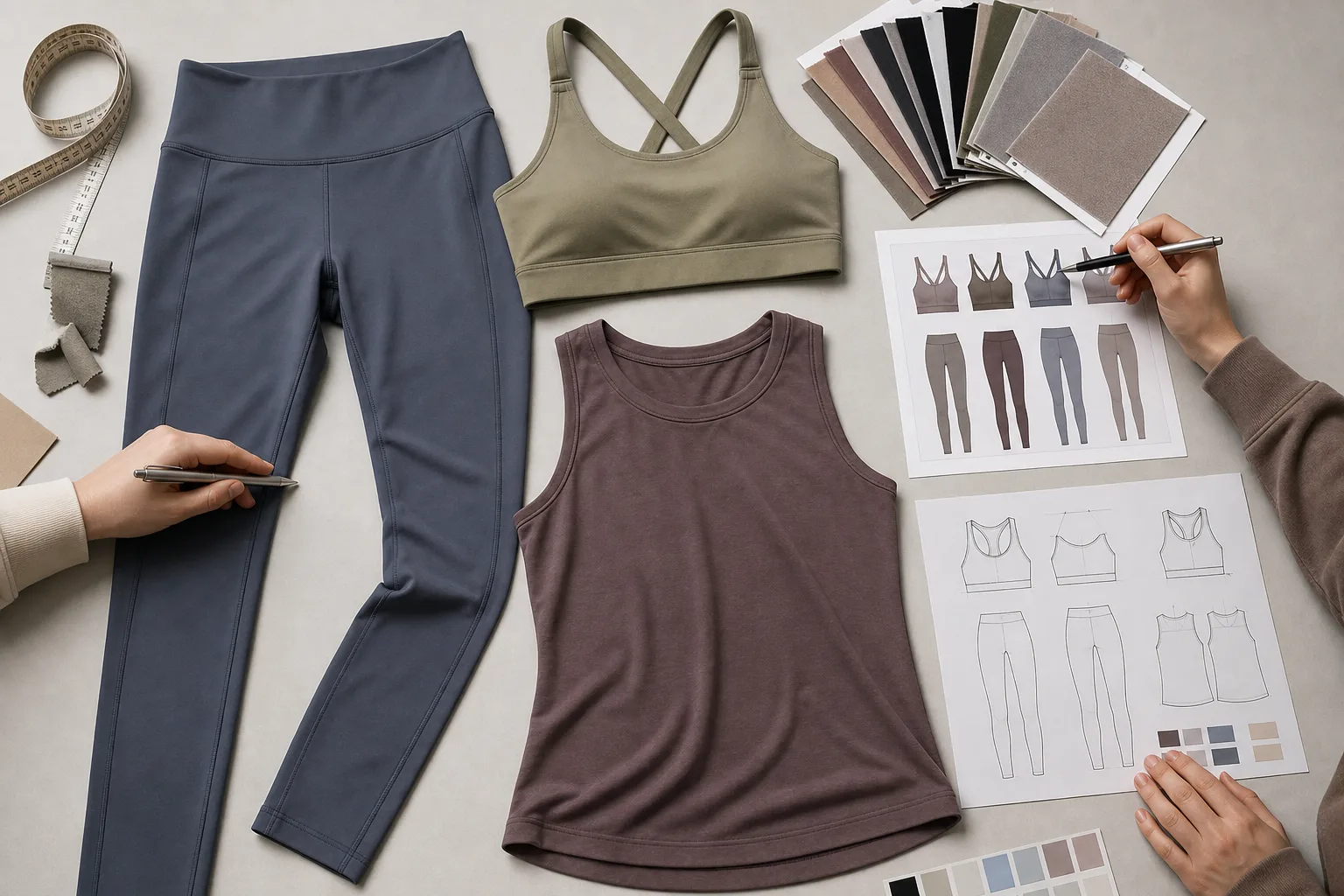
Make workflow, quality checkpoints, material preparation, and delivery variables easy to understand.
Sampling checks whether the product direction works in real fabric and construction.
Requirement confirm: product type, reference images, tech pack, target market, estimated quantity, and branding.
The most useful control points are not only about appearance. Yoga apparel often needs approval on.
Standard samples may take around 5-7 days.
Sampling to bulk production is the stage-by-stage manufacturing path that turns a product idea, tech pack, or reference garment into an approved order for production. For yoga apparel. This matters because fit. Stretch recovery. Opacity. Seam placement. Waistband shape. Branding details. And size grading often need confirmation. Materials are committed to bulk.
A structured process reduces common sourcing risks such as approving appearance without checking measurement details. Changing branding too late. Or splitting quantities across too many colors and sizes. MOQ planning is confirmed.
Material readiness, workmanship, inspection, and packing.
Revision rounds align fit, measurements, workmanship, and branding details defines which factory-side checks.
Understand.
Material readiness, workmanship, inspection, and packing.
The process is easier to manage when buyers know what to confirm before the next stage.
Reference MOQ starts from 300 pieces. The final MOQ and size or color allocation depend on the product. Fabric. Construction. Branding. And packaging. This matters during the move from sample approval to bulk because a workable quantity plan affects material booking. Production scheduling. And packaging preparation. A smaller style range with clearer allocation often makes the first order easier to approve and manage.
Request samples for the first approval stage, or request a quote for a project-specific production review.
Sampling to bulk production explains one manufacturing topic at decision level, with clearer checkpoints and fewer recycled transition lines. Ninghow Yoga helps buyers who need a clear path from sample development to approved bulk production for yoga apparel and private label activewear projects. The process usually involves requirement review, material and construction checks, sample development, fit approval, pre-production confirmation, bulk manufacturing, inspection, packing, and shipment coordination.

The most useful control points are not only about appearance. Yoga apparel often needs approval on movement-related performance and product presentation details as well.
What buyers review: Tech pack completeness, fabric direction, logo method, target size range.
Why it matters: Improves quotation clarity and reduces avoidable revisions.
What buyers review: Fit definition, measurement chart, seam construction, logo placement.
Why it matters: Confirms whether the product concept works in actual construction.
What buyers review: Fabric updates, grading changes, trim corrections, packaging details.
Why it matters: Prevents late-stage changes after materials are prepared.
What buyers review: Final approved sample, labels, hangtags, polybags, carton information.
Why it matters: Aligns production and packing with buyer-confirmed requirements.
What buyers review: Measurement checks, workmanship confirm, color consistency, packing confirm.
Why it matters: Supports order control before shipment coordination.
Sample and production timing should be reviewed as project-specific reference ranges rather than fixed promises. Final timing may vary by fabric availability. Logo application method. Number of revisions. Product complexity. Color count. Size range. Packaging details. Order quantity. And the current production schedule.
If timeline control is a main concern. Your team can review lead-time management. Confirming the order schedule.
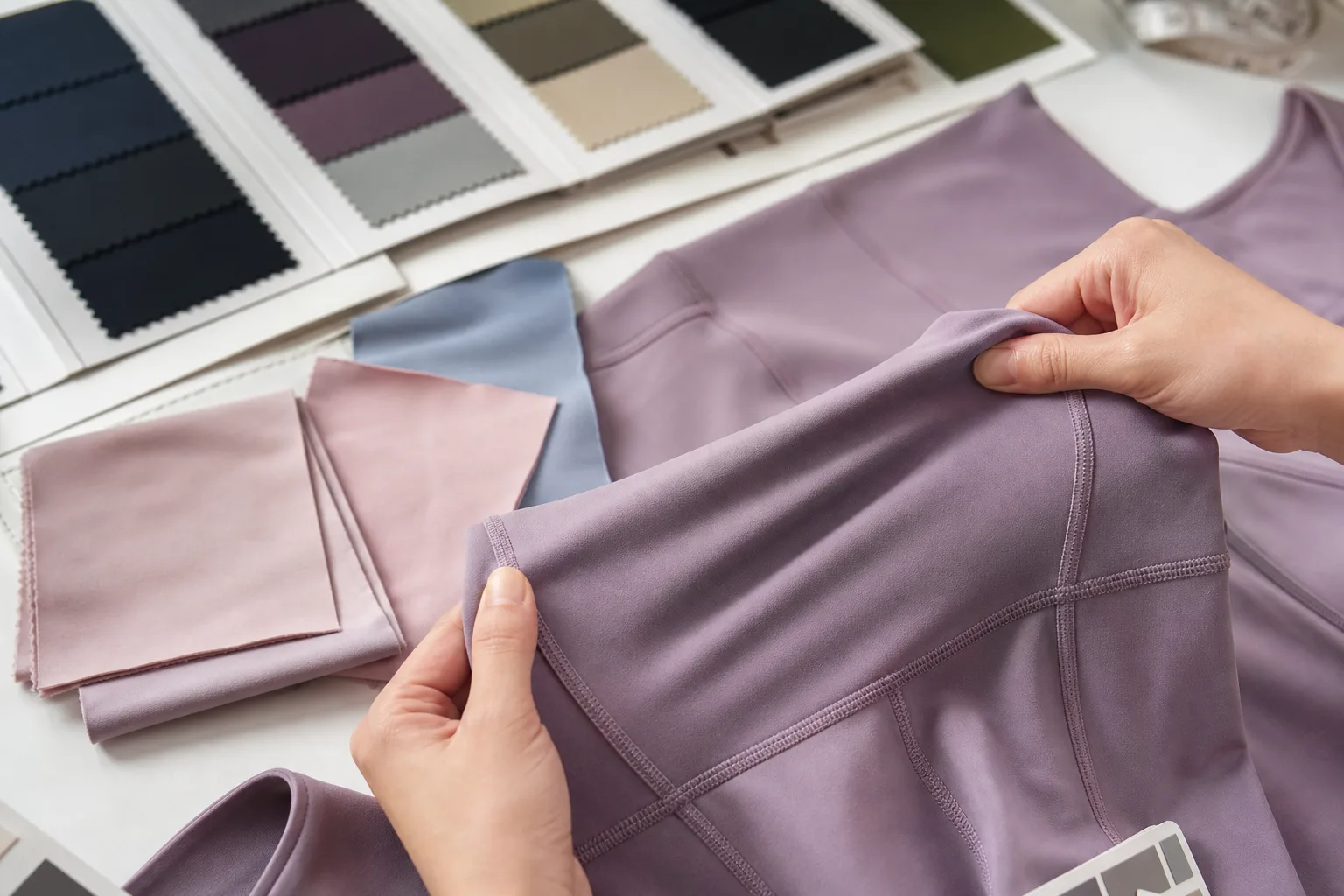
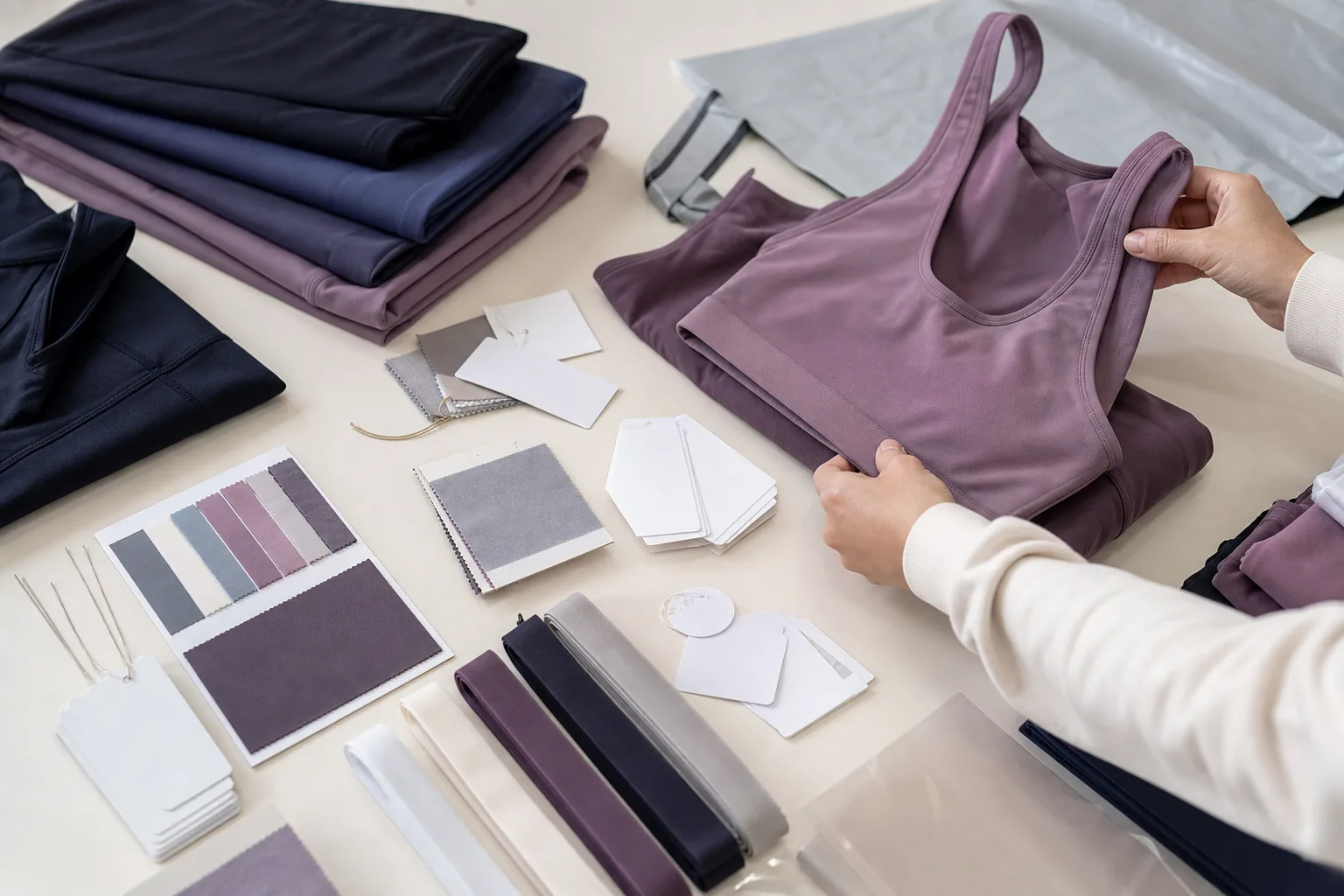
Sampling and bulk production use the same approved product direction, but the decision focus changes. For buyers still defining materials, it is often better to request fabric swatches before final sample approval.
Buyers who need help clarifying fabric options can review fabric sourcing. Buyers comparing approval stages during manufacturing can also review quality control for inspection checkpoints that apply after sample sign-off.
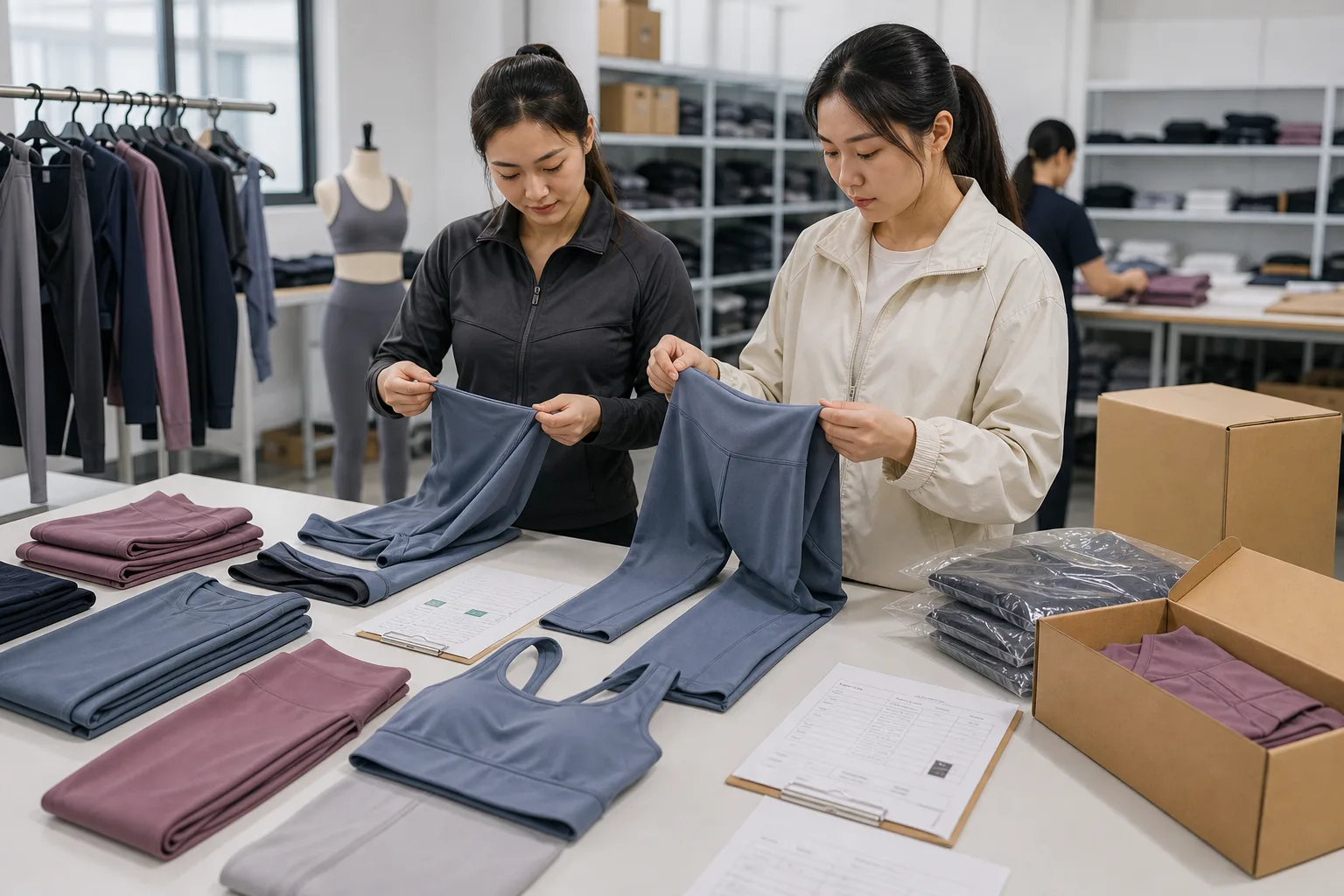
You do not need every file at the beginning, but clearer inputs usually support a more accurate review. If your team already has complete specifications, upload your tech pack. If the product direction is still developing, start with sample review or OEM/ODM consultation.
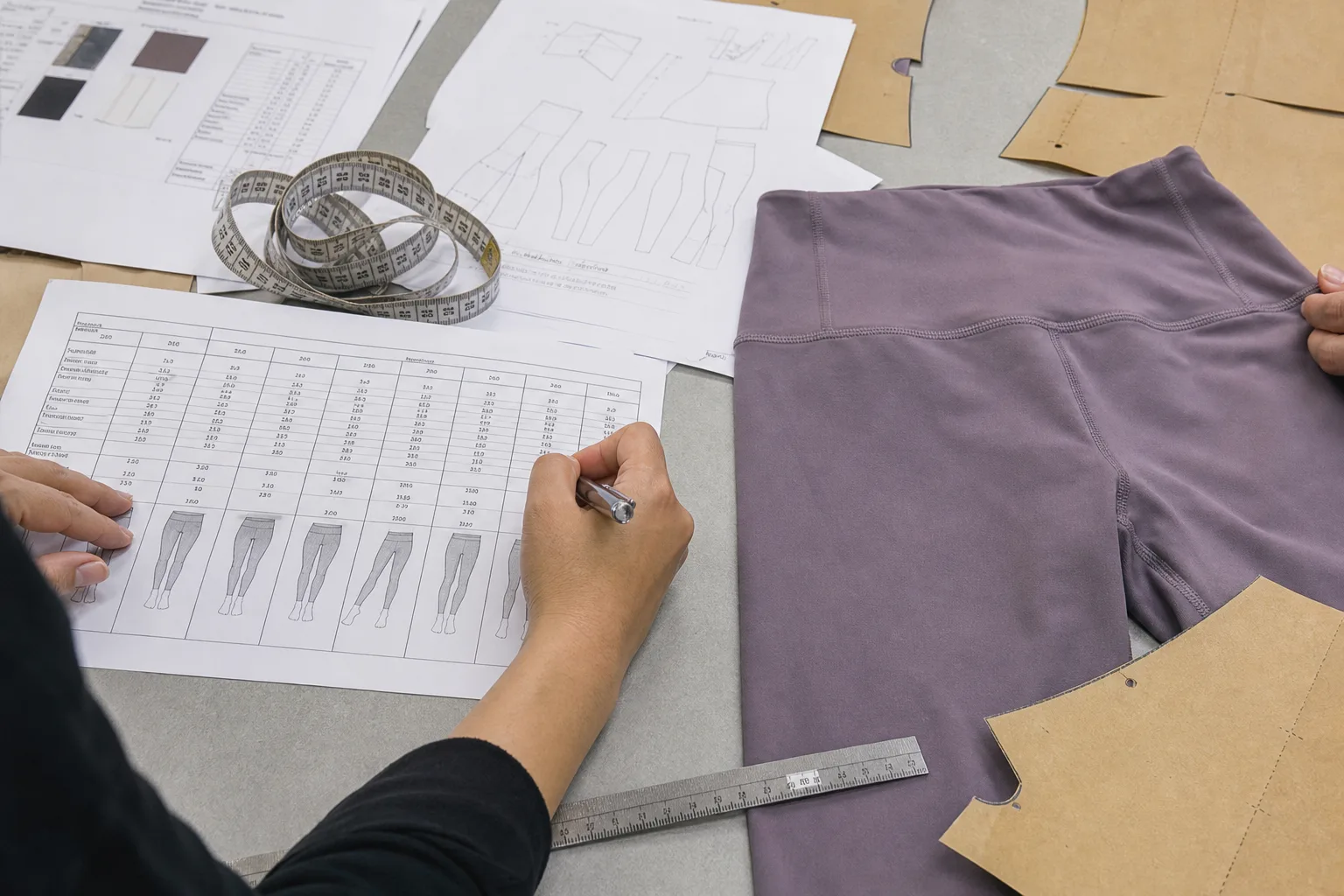
Material readiness, workmanship, inspection, and packing.
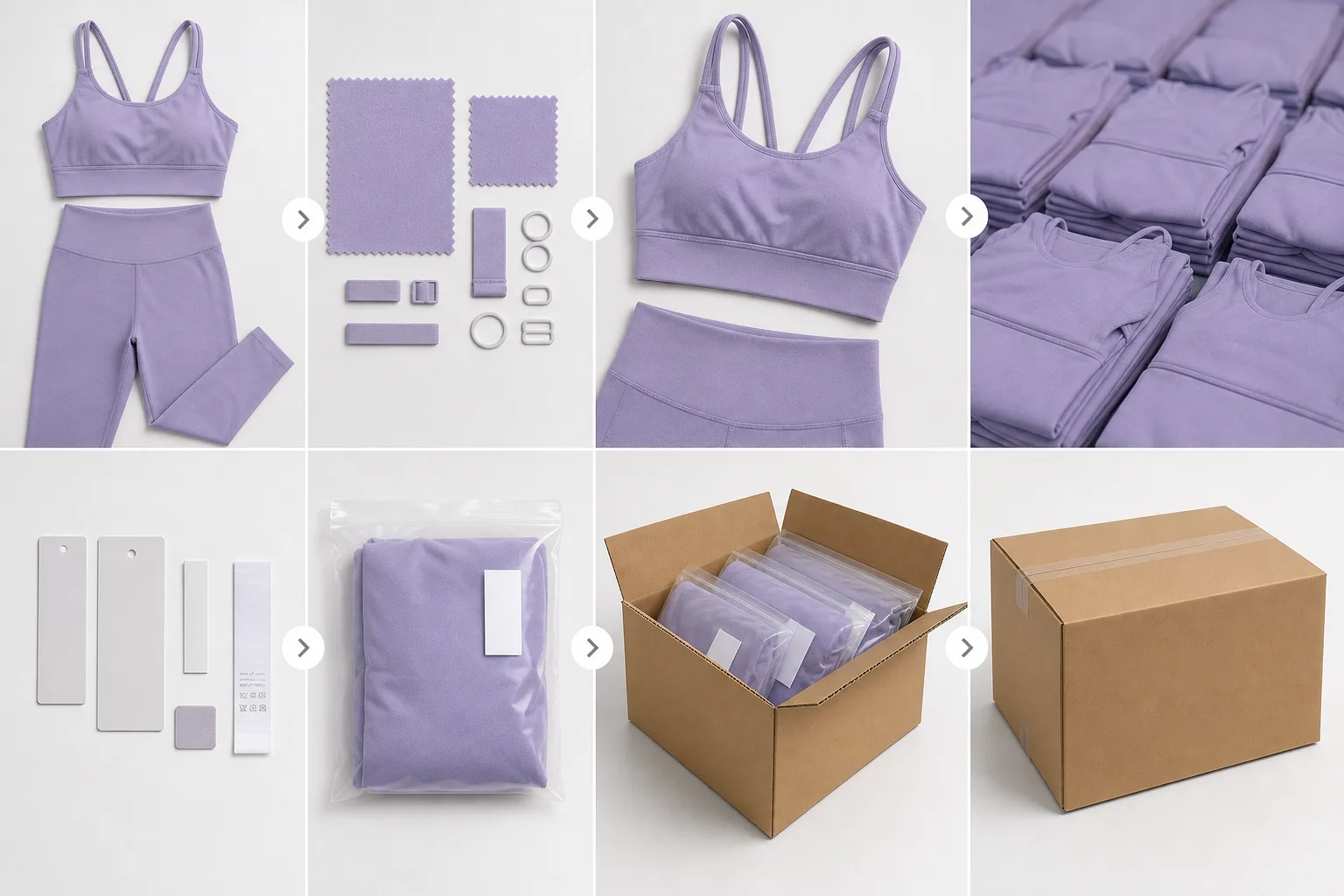
Reference images, sketches, or tech pack defines which factory-side checks should happen before the next.
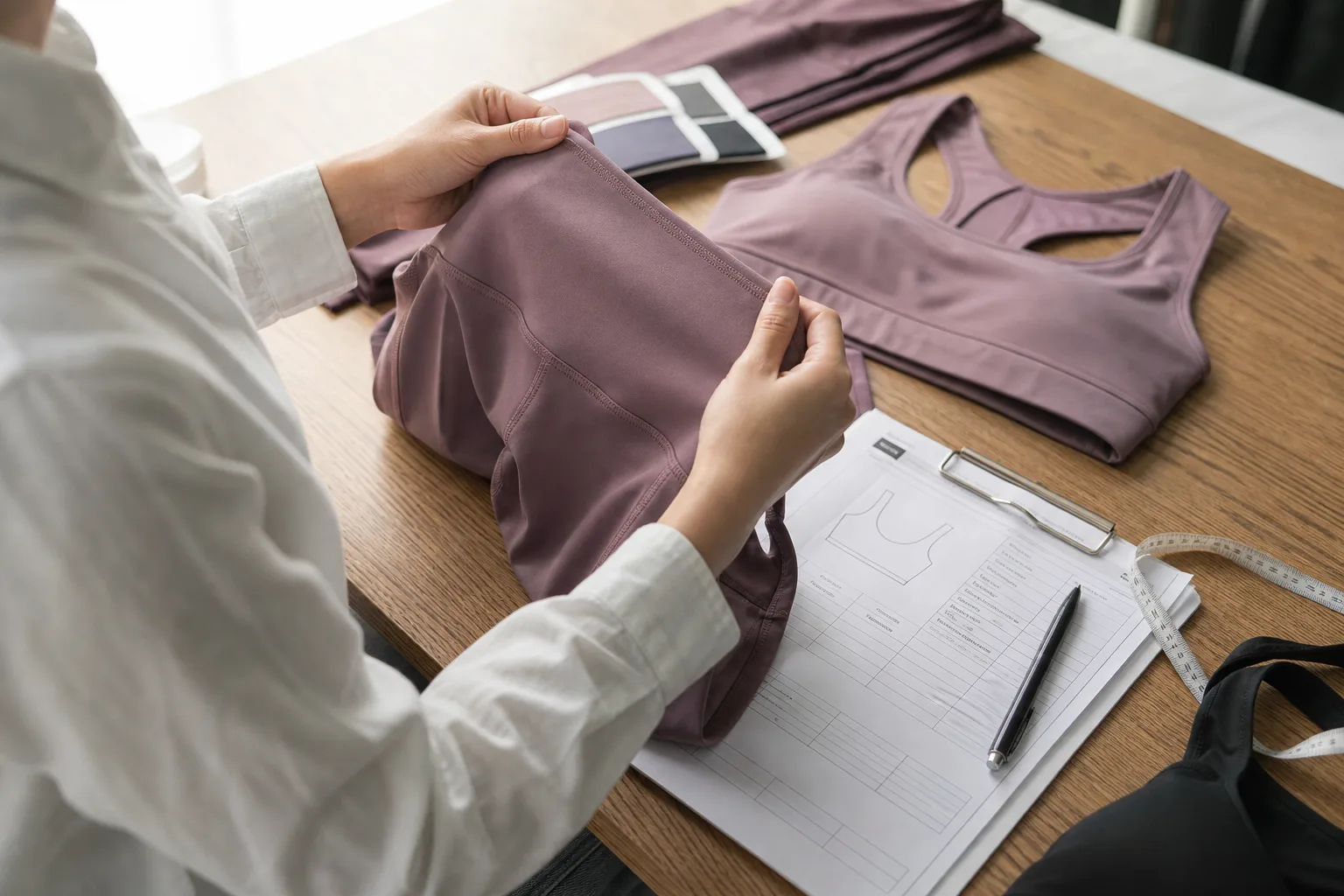
Understand.
Keep the project conversation practical with clear expectations around sampling, production and quotation inputs.
Standard samples may take around 5-7 days, while more complex samples may take around 7-10 days. Final timing depends on specification completeness, fabric availability, construction details, logo method, custom trims, and revision needs.
Bulk production usually starts after sample approval, pre-production confirmation, and material readiness. Final scheduling depends on order details, color count, size range, branding, packaging, and the current production plan.
Reference MOQ starts from 300 pieces. The final MOQ and size or color allocation depend on the product, fabric, construction, branding, and packaging.
The most useful starting materials are product type, reference images or a tech pack, measurement direction, fabric preference, logo artwork, estimated quantity, and target market. If some details are still open, those can be clarified during sample review.
It is better to confirm packaging before bulk release or early in production planning. Late changes to hangtags, labels, polybags, barcode labels, or carton marks can affect packing coordination and timing.
Yes. In-line checks, final inspection, AQL-based inspection support, and third-party inspection support may be arranged when required. The inspection scope should be confirmed for the specific project.
Send the project stage, confirmed materials, expected quantity, packing needs, and target shipping window so the team can discuss production feasibility.