Sampling
Typical use: Studio, training, close-to-body styling.
What buyers should review: Chest ease, sleeve opening, thigh shape, recovery after wear.
Men’s yoga apparel centers on product-level sourcing decisions: fit, fabric behavior, construction details, and collection use. The range can include tops, shorts, pants, joggers, and layering pieces developed for stretch, movement, coverage, and brand presentation. Ninghow Yoga supports B2B buyers who need custom men’s yoga apparel with clear decisions on fabric, fit, construction, sizing, branding, and bulk production planning.
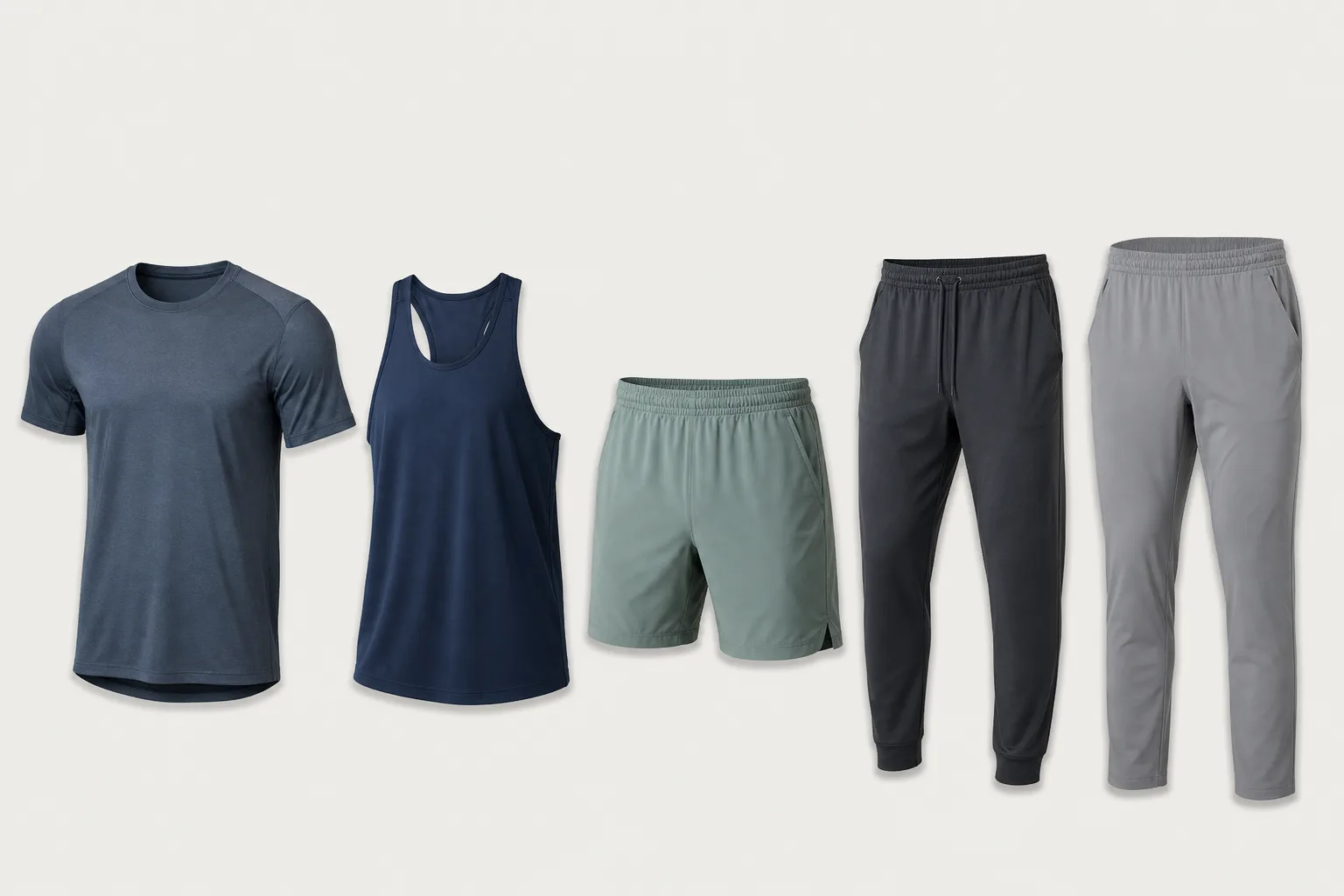
Compare garment types, fabric behavior, construction needs, and development inputs before requesting samples.
Lightweight training and layering.
Common fit directions.
A smooth surface, flexible stretch, and a more technical hand feel.
Tops: neckline shape, shoulder seam position, sleeve length, underarm comfort, hem construction.
The right development route depends on what information is already available. If the product idea is still early, get OEM/ODM consultation before locking the final garment list. If you already have reference garments or partial specifications, the next step is usually sample review.
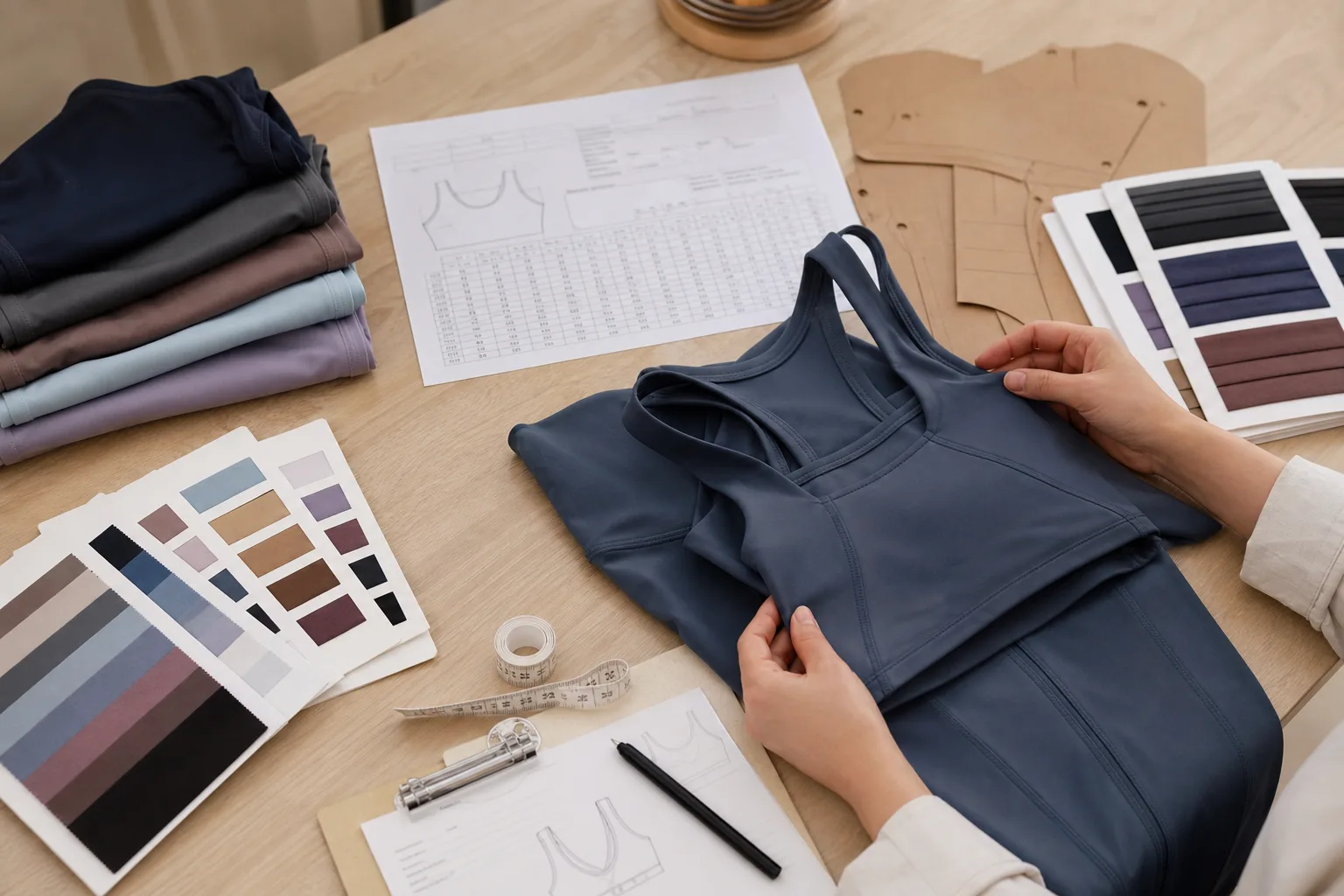
Fabric decisions for men’s yoga apparel usually balance soft hand feel with enough recovery to hold shape after repeated wear. Composition alone is not enough. Buyers should compare weight, stretch direction, surface feel, and opacity under movement. Before confirming fabric, many buyers review fabric sourcing options and then request fabric swatches to compare hand feel, stretch recovery, and buyer-confirmed opacity requirement.
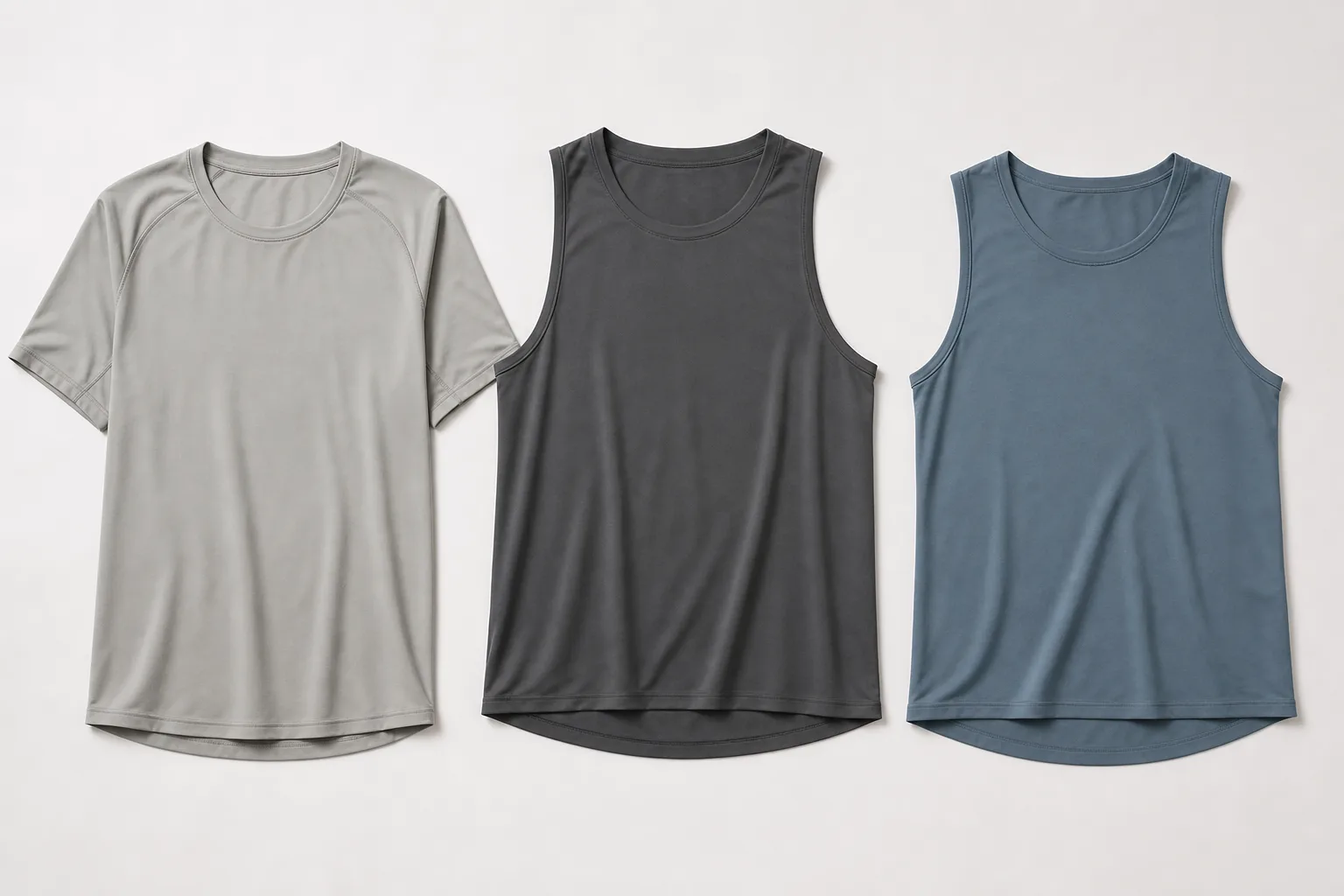
A smooth surface, flexible stretch, and a more technical hand feel affects sample requirements, fabric choice,.
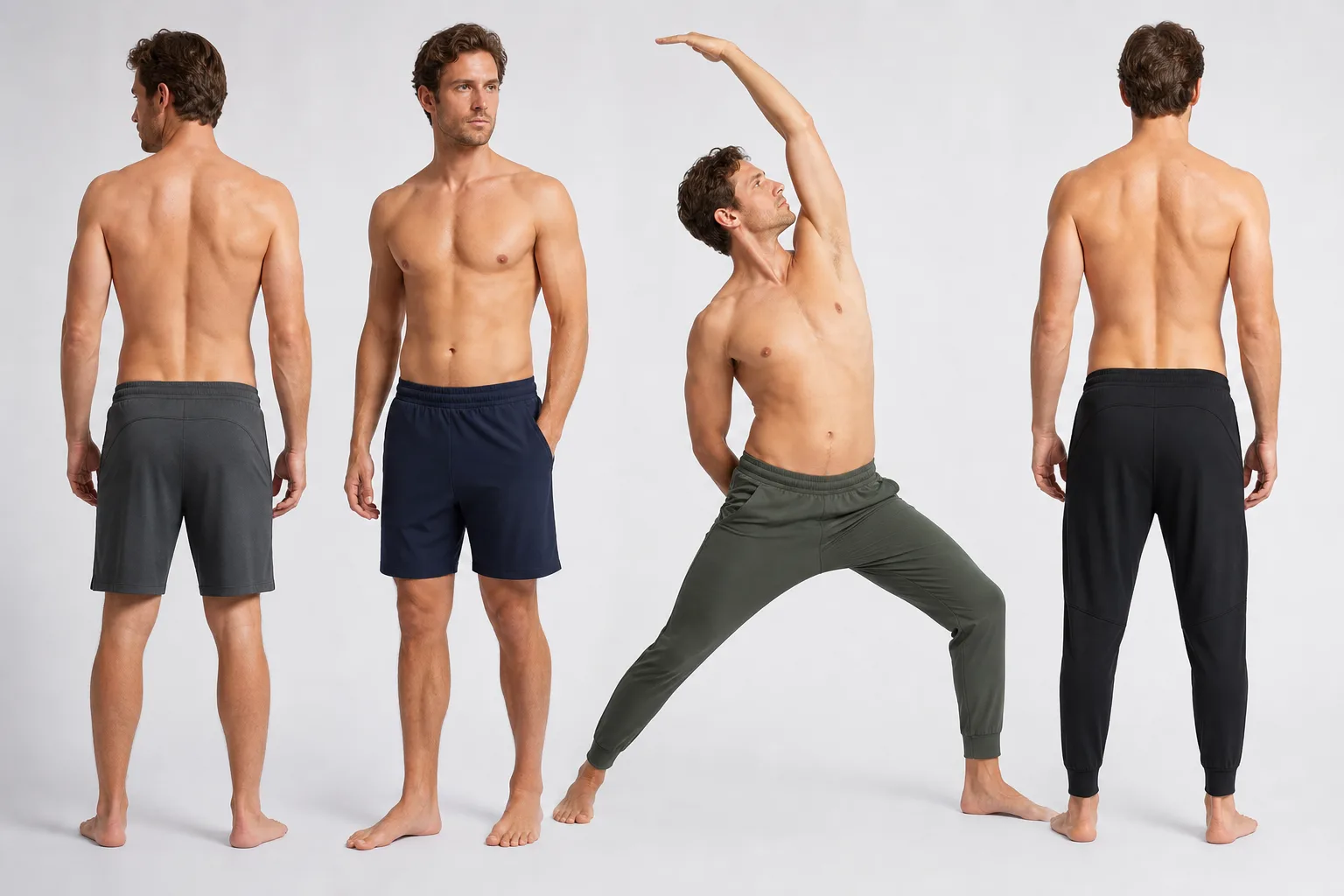
Connect polyester-spandex blends may suit moisture-focused styles and broader activewear crossover programs.
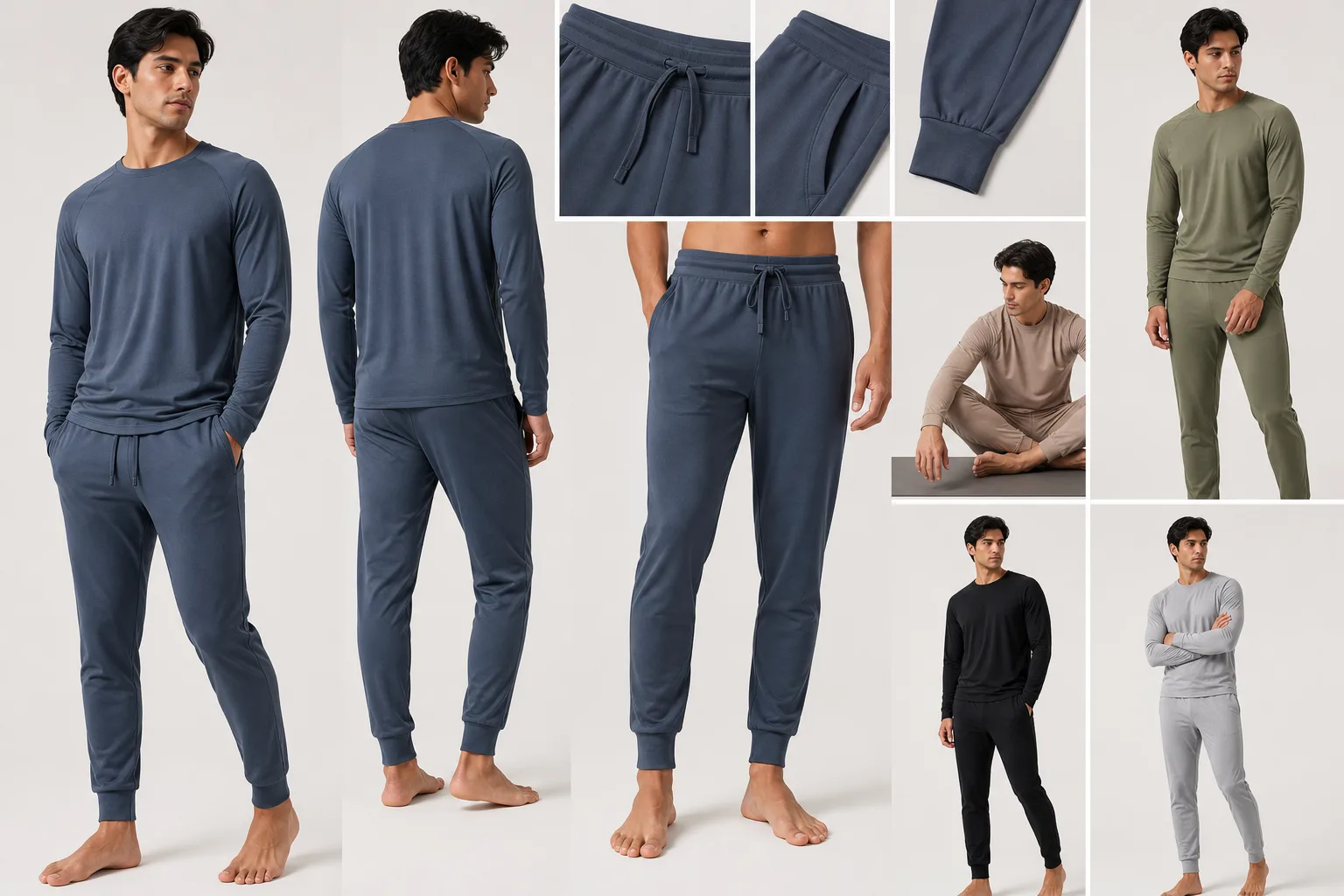
Softer studio or athleisure products, depending on the desired finish and recovery level becomes part of a.
Men’s yoga collections are usually built around a smaller number of core silhouettes than women’s lines. Buyers often focus on versatility, repeat wear, and easier size planning across studio, training, and athleisure use. If the product direction is still being defined. Compare yoga tops. yoga shorts. And yoga pants first. Then decide which silhouettes should carry the main volume of the collection.
Lightweight training and layering affects sample requirements, fabric choice, fit approval, and launch planning.
Warmer conditions and higher ventilation needs with buyer decisions around construction, size range, colorways,.
Mobility, seated poses, and cross-training use becomes part of a custom yoga apparel program.
Full-length coverage and cooler-season wear belongs in fabric checks, sample comments, and quotation inputs.
Studio-to-street styling and relaxed fit direction affects sample requirements, fabric choice, fit approval,.
Studio retail and e-commerce presentation with buyer decisions around construction, size range, colorways, and.
For men’s yoga apparel, fit definition affects both movement comfort and commercial clarity. A garment that looks good on a hanger may still fail during stretch. Twisting. Or seated movement if rise. Thigh room. Hem opening. Or body length are not reviewed carefully. Before sample approval, it helps to confirm how the garment should fit against the body during standing, stretching, squatting, and seated poses. This reduces revisions later in grading and bulk production.
Typical use: Studio, training, close-to-body styling.
What buyers should review: Chest ease, sleeve opening, thigh shape, recovery after wear.
Typical use: Broad retail use, easier size acceptance.
What buyers should review: Shoulder width, torso length, seat room, cleaner grading across sizes.
Typical use: Athleisure, lounge, layering.
What buyers should review: Excess fabric during movement, hem drape, waistband balance.
Typical use: Joggers and technical pants.
What buyers should review: Calf opening, ankle finish, knee mobility, visual balance.
Typical use: Classic yoga pants and casual wear.
What buyers should review: Leg line, inseam drop, shape retention, movement range.
Sample approval should confirm more than appearance. For men’s yoga apparel, the most useful review points usually include movement performance, fit balance, and brand execution. Sample time is usually around 5–7 days for standard styles and around 7–10 days for more complex styles, but timing may vary by project and depends on fabric availability, construction details, logo method, and revision rounds. If you need development support before bulk planning, review sample development and then submit a sample request.
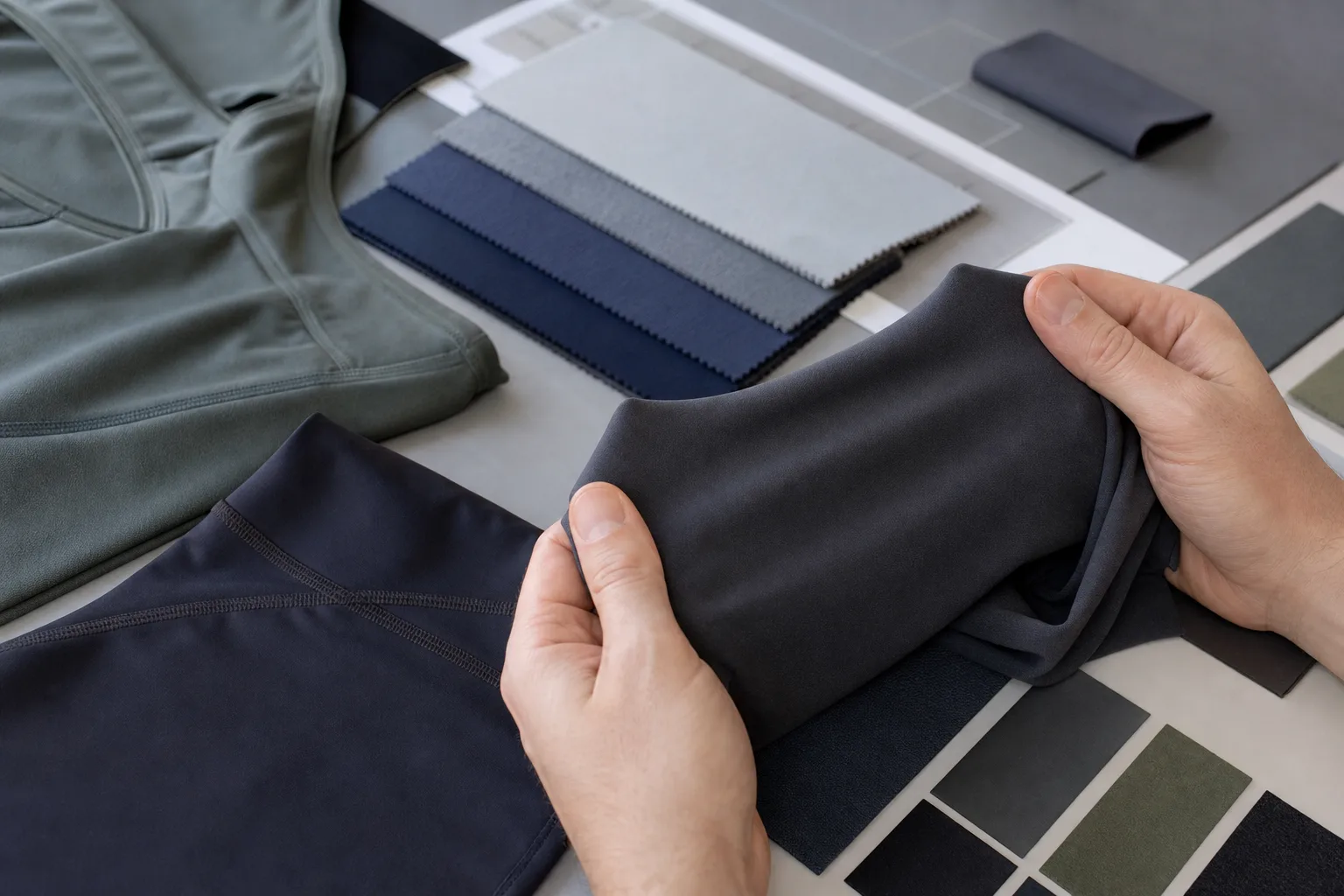
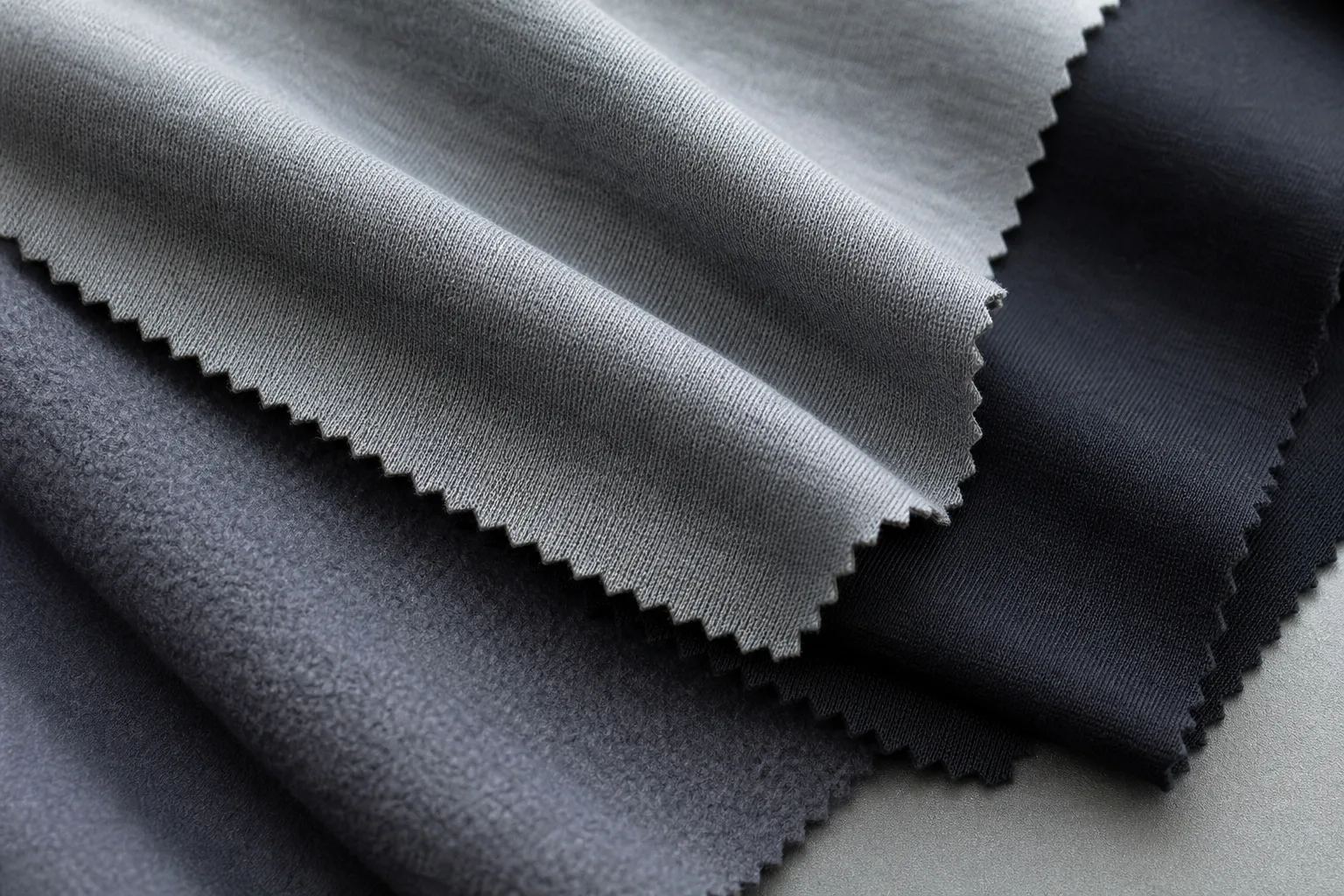
A project-specific quotation becomes easier when the product direction is clear. You do not need every detail at the start, but better inputs usually reduce revision time. Reference MOQ starts from 300 pieces. The final MOQ and size or color allocation depend on the product, fabric, construction, branding, and packaging.
If you already have a confirmed men’s yoga apparel style, estimated quantity, and branding direction, send the project details for quotation review. If the collection still needs fit or fabric comparison, start with sampling or swatches first. Bulk production commonly falls in a reference range of around 20–35 days. Approvals and material readiness. But the final schedule depends on product complexity. Order quantity. Materials. Colors. Branding. Packaging. Sample approval. And the current production schedule.
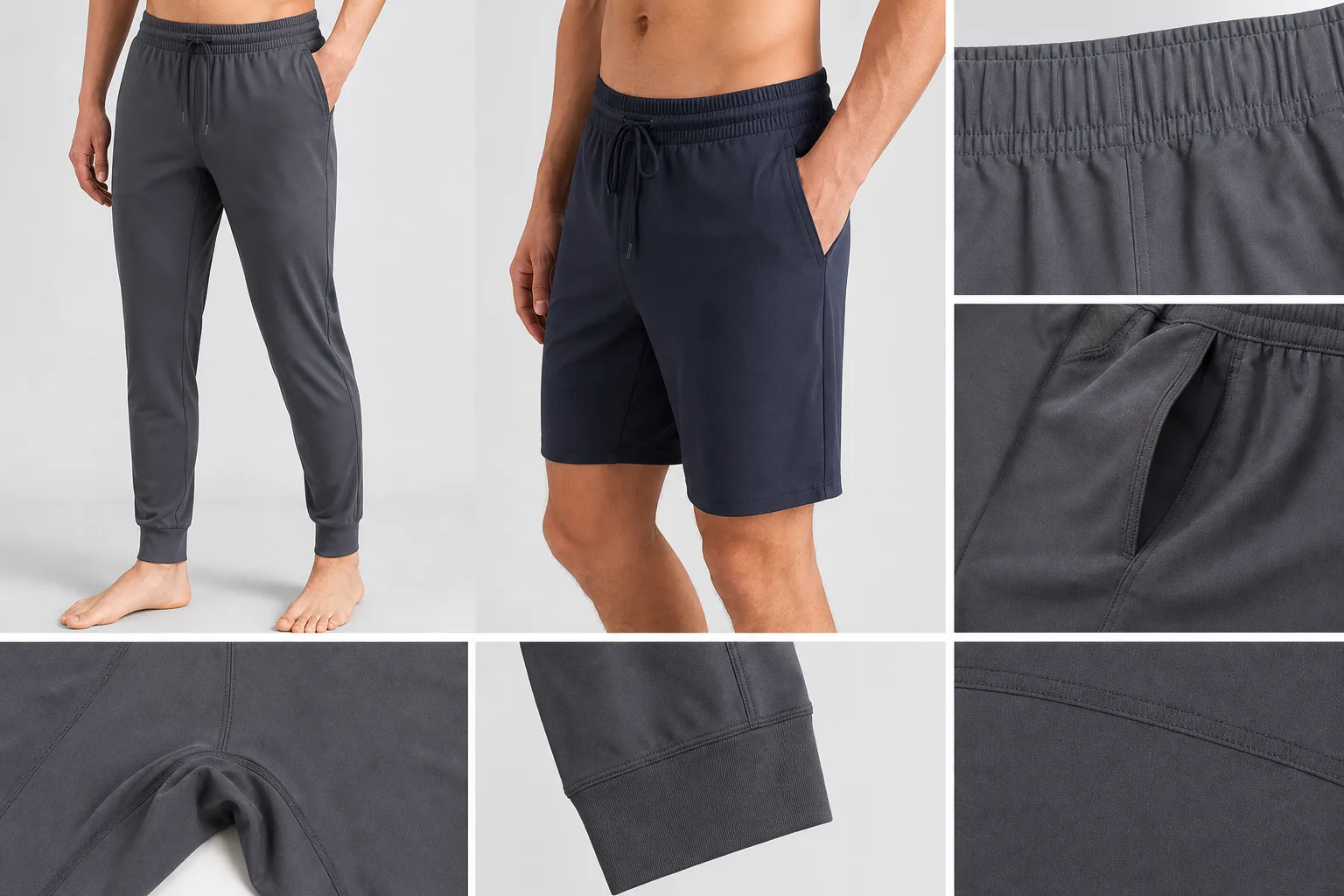
Keep the project conversation practical with clear expectations around sampling, production and quotation inputs.
Projects may include men’s yoga tops, tank tops, shorts, pants, joggers, and coordinated sets. The final product range depends on your collection direction, fit requirements, fabric choice, branding, and target market.
Useful inputs include the garment type, reference images or tech pack, preferred fit direction, fabric preference, size range, logo details, packaging requirements, estimated quantity, and shipping destination. If some details are still open, a quotation can usually start from the available specifications.
Reference MOQ starts from 300 pieces. The final MOQ and size or color allocation depend on the product, fabric, construction, branding, and packaging.
Yes. Sampling is a common step for reviewing fabric, fit, construction, measurements, and branding details before bulk approval. Standard samples are often around 5–7 days and more complex samples around 7–10 days, but timing depends on fabric availability, construction, logo method, and revisions.
Buyers usually compare hand feel, stretch, recovery, opacity, weight, and moisture performance. The right fabric depends on whether the style is intended for studio yoga, broader training use, or athleisure wear.
A common reference range is around 20–35 days after approvals and material readiness. Final timing depends on style complexity, order quantity, materials, colors, branding, packaging, and the current production schedule.
Send the product type, reference styles, fabric preference, size range, target quantity, and branding needs so Ninghow Yoga can confirm sample feasibility.