Custom yoga tops for private label and OEM sourcing
Yoga tops cover a wide range of studio and activewear styles, from fitted long-sleeve layers to cropped tops, short-sleeve training pieces, and relaxed athleisure silhouettes. Ninghow Yoga supports B2B development with custom fabric, fit, sizing, branding, and packaging according to approved project requirements.
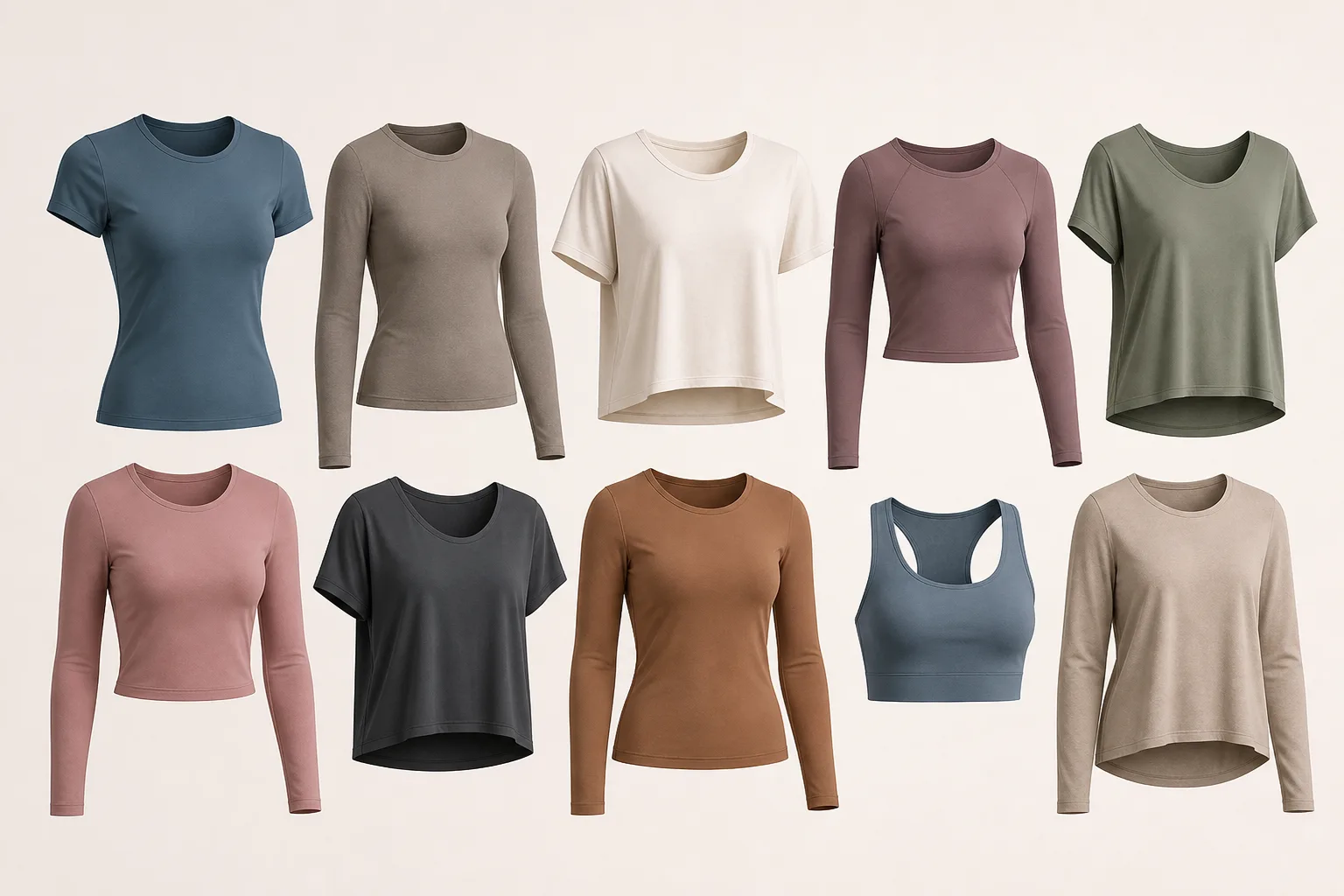
Category comparison
Compare garment types, fabric behavior, construction needs, and development inputs before requesting samples.
Sourcing
Studio classes and light training.
Planning
Fitted performance tops.
Fabrics
Studio collections and direct-to-consumer brands.
Construction
Neckline shape: crew neck, scoop neck, mock neck, V-neck, or open-back styles each affect coverage and balance.
Where yoga tops are commonly used in B2B collections
Different sales channels usually need different top programs. If the range is being built for a particular sales model. Compare routes for e-commerce activewear brands or yoga studios. Finalizing style count and packaging direction.
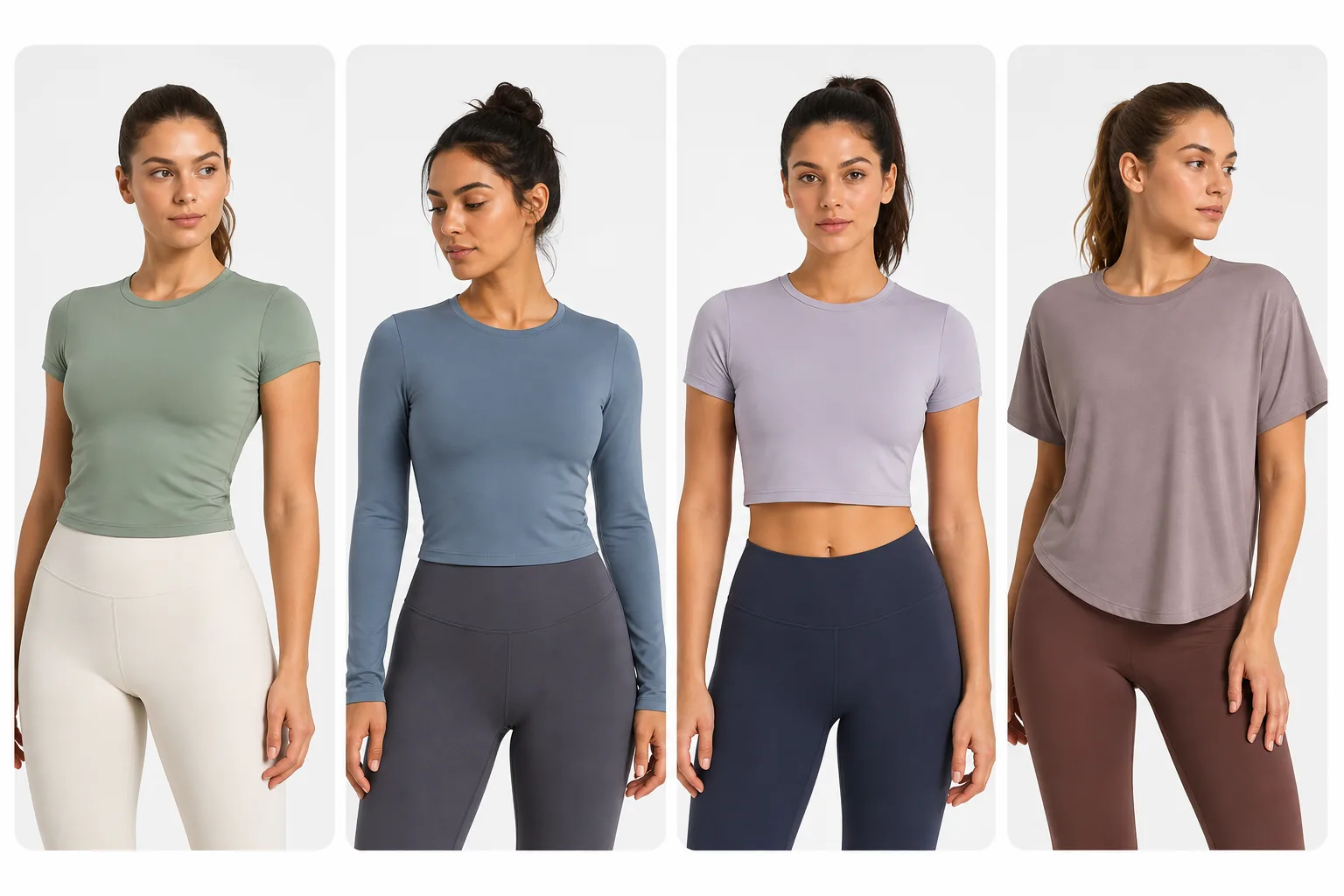
Sampling
E-commerce activewear brands: often prioritize photo-friendly fit, coordinated color stories, and repeatable.
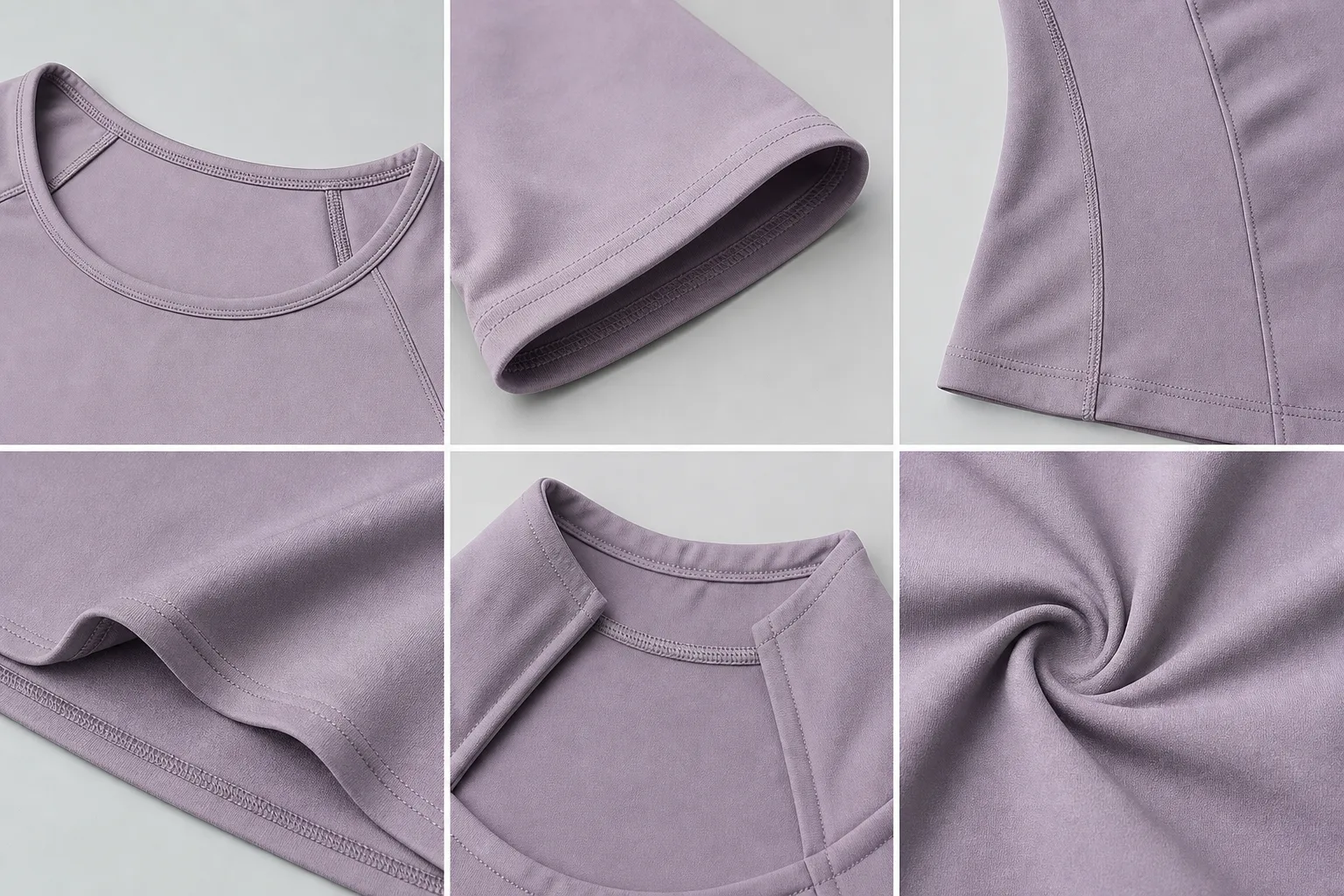
Yoga studios: may
Connect yoga studios: may prefer simpler silhouettes, clean branding, and easy size runs with buyer decisions.
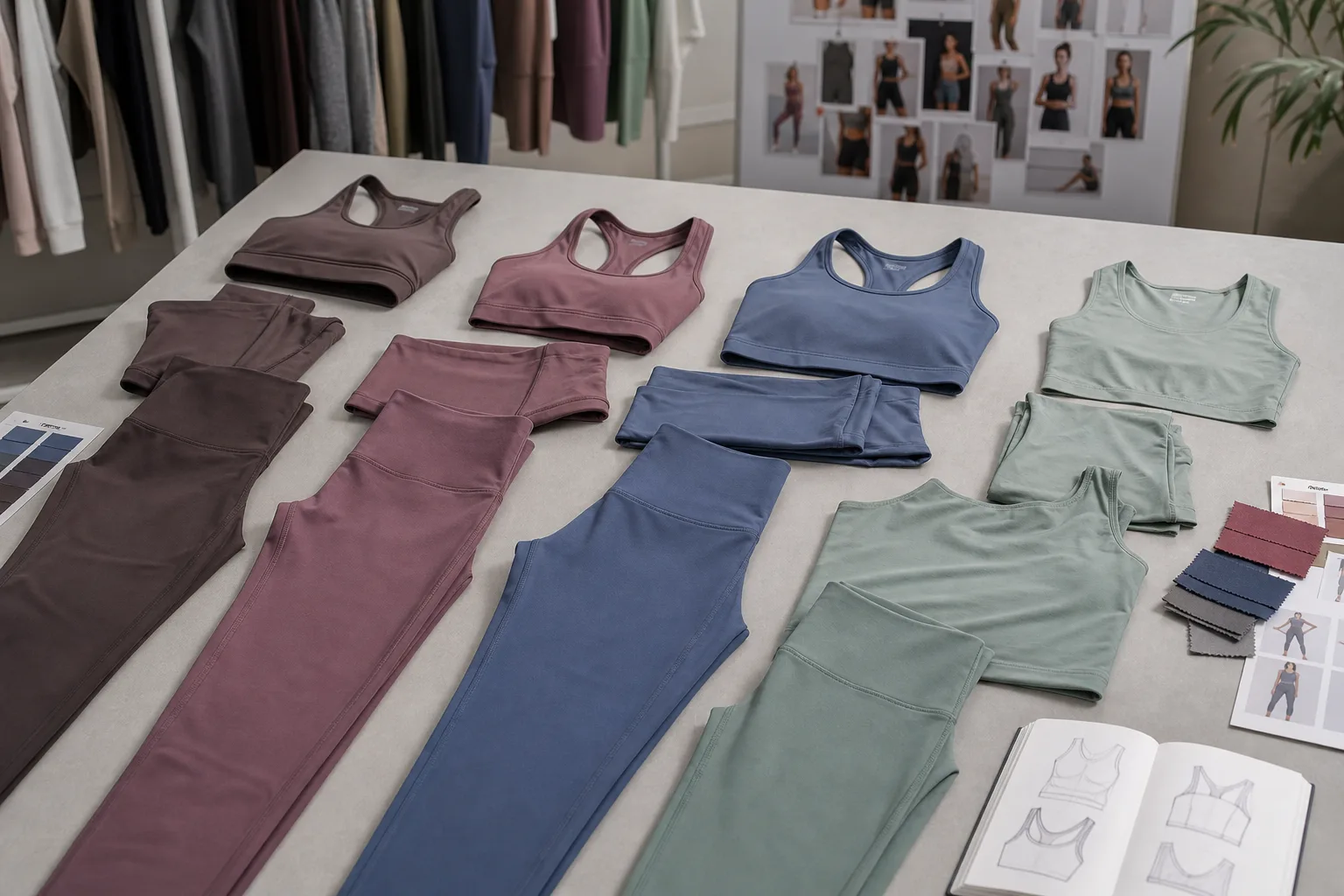
Sampling
Sourcing teams can prepare clearer references when retailers and distributors: often need broader style balance.
What buyers usually mean by yoga tops
In sourcing, yoga tops usually refer to upper-body garments designed for stretch, movement comfort, and coordinated pairing with leggings, shorts, or sets. They are different from yoga bras. Which focus more on support and underband construction. And different from yoga tank tops. Which are a narrower sleeveless product group.
Common yoga top directions include:. For a wider collection, many sourcing teams align yoga tops with yoga sets or build them into a broader women’s yoga apparel range.
01
Sampling
Studio classes and light training affects sample requirements, fabric choice, fit approval, and launch planning.
02
Products
Layering, cooler climates, or coverage-focused collections with buyer decisions around construction, size.
03
Products
Coordinated set programs becomes part of a custom yoga apparel program.
04
Products
Athleisure and low-intensity use belongs in fabric checks, sample comments, and quotation inputs.
05
Open-back, twist-back, or
Open-back, twist-back, or mesh-panel styles where breathability and styling matter affects sample requirements,.
Fit and construction details buyers should confirm early
Yoga tops can look simple in photos, but fit problems usually come from small pattern and construction decisions. Early approval on these points reduces rework later. For development support on measurements, grading, and fit adjustments, many sourcing teams check colors and size grading together with sample development before bulk approval.
- Neckline shape: crew neck, scoop neck, mock neck, V-neck, or open-back styles each affect coverage and balance
- Sleeve length: cap sleeve, short sleeve, three-quarter sleeve, and long sleeve need different measurement control
- Armhole depth: too deep can affect coverage; too high can restrict movement comfort
- Body length: full length, waist length, and cropped lengths must match the intended bottom rise
- Hem construction: folded hem, bonded finish, curved hem, or elasticated effect change presentation and cost
- Seam placement: side seams, raglan lines, shoulder seams, and panel lines affect fit definition and logo placement
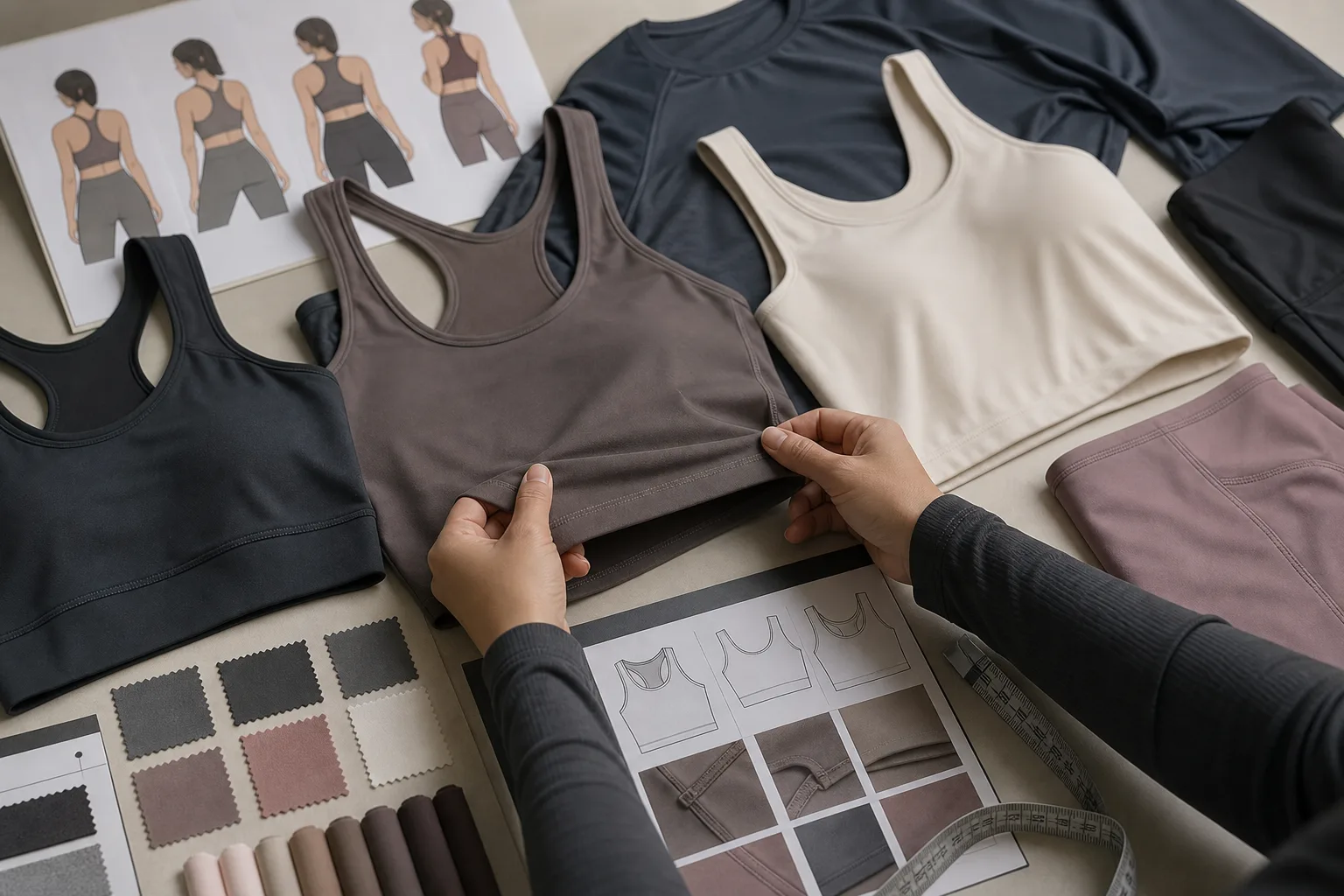
What to review on a yoga top sample before bulk production
Sample approval should cover both appearance and movement-related details. A top that looks right on a hanger may still need changes in neckline tension, sleeve rotation, or body length. Where required, a quality-control process can include fabric checks, measurement review, workmanship checks, logo-position checks, label checks, packaging review, and AQL-based inspection support. Buyers that need broader visibility can check quality-control stages before bulk release.
- Confirm the intended silhouette: fitted, semi-fitted, relaxed, or cropped.
- Check bust, waist, hem, and body length measurements against the size chart.
- Review neckline shape and binding or collar construction after stretch.
- Assess sleeve comfort and shoulder movement in wear testing.
- Check logo position, scale, and how the print or transfer sits on the fabric surface.
- Approve labels, care labels, and packaging details before pre-production release.
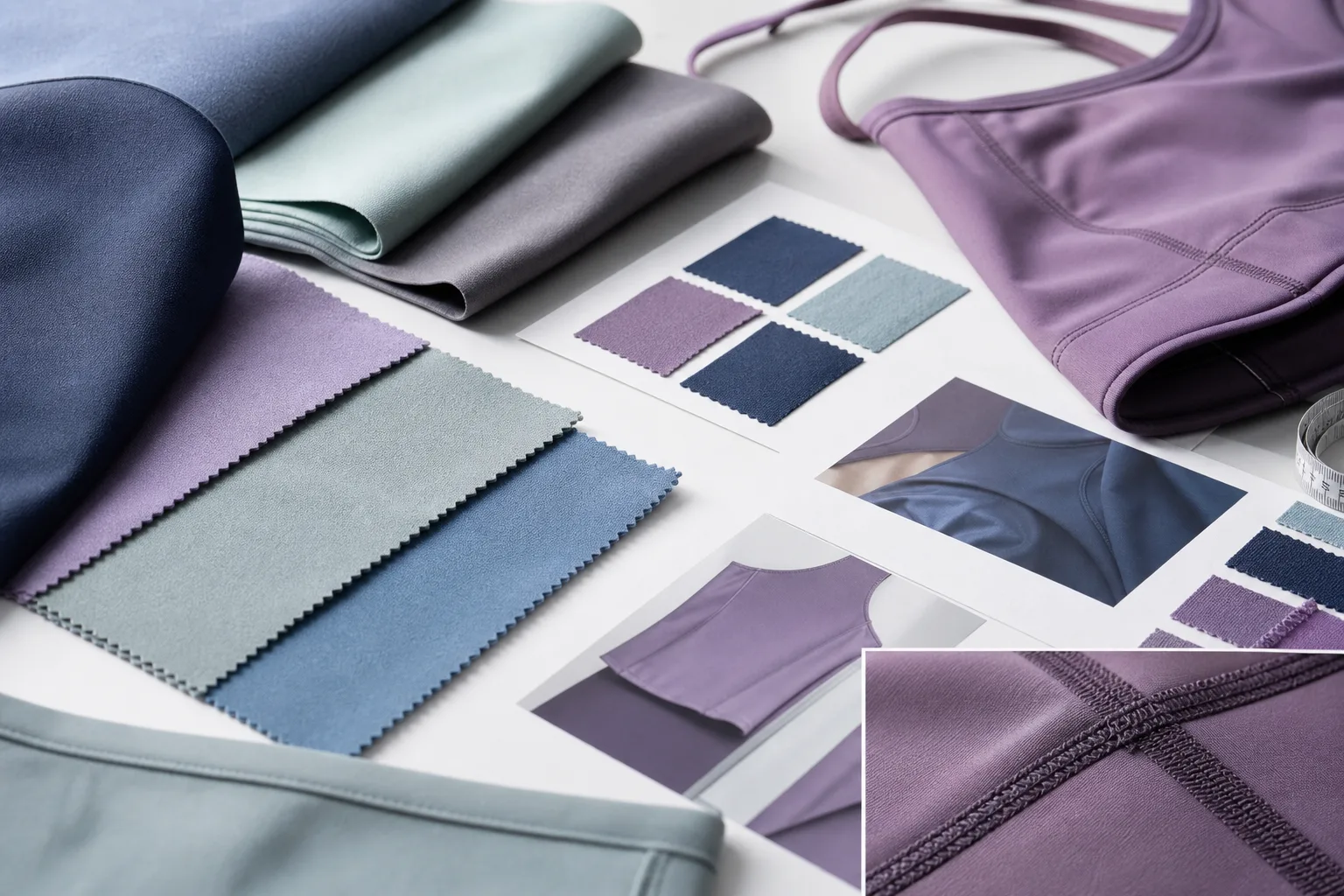
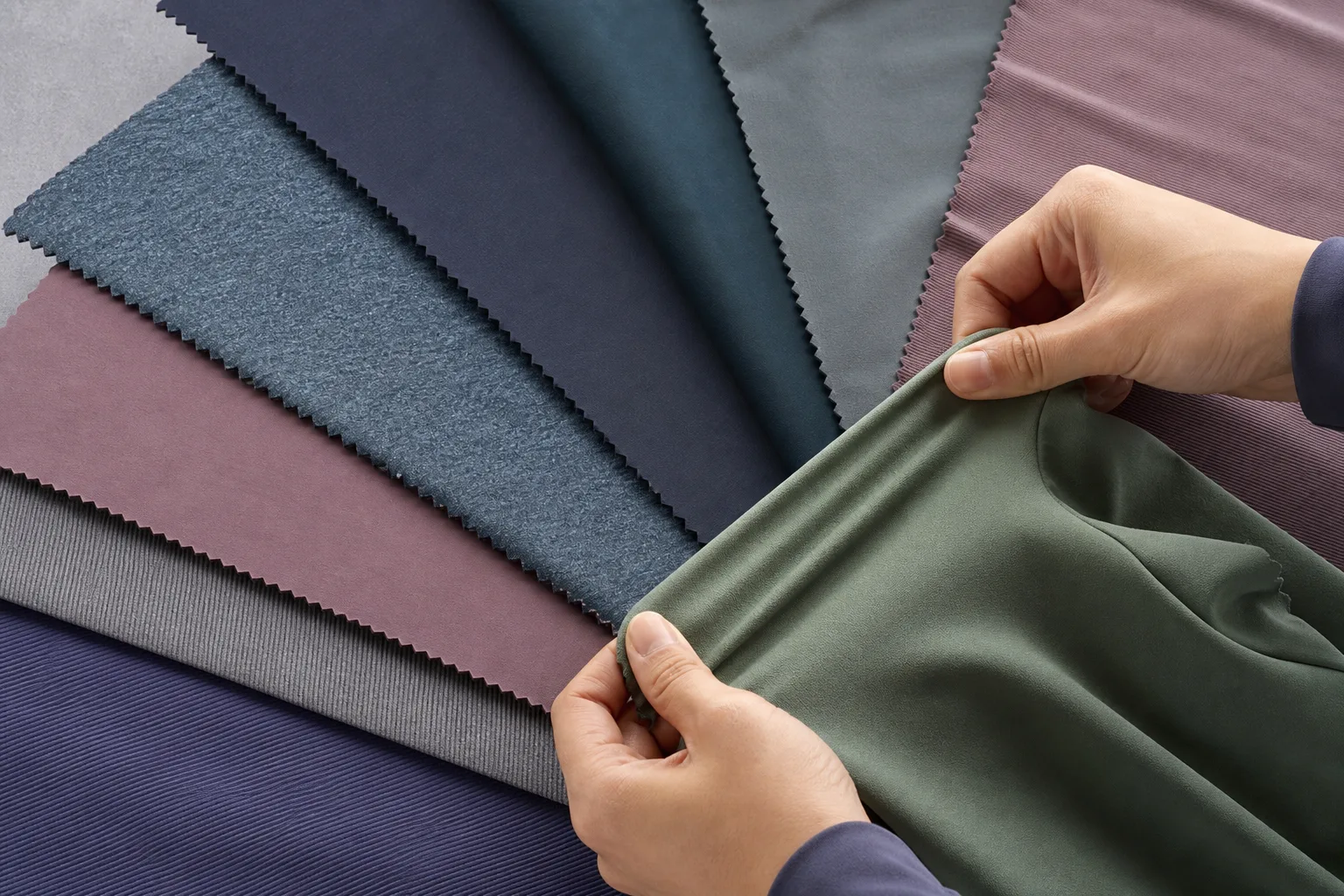
Common sourcing mistakes on yoga tops
These issues are easier to control when product, fit, branding, and packaging decisions are documented before bulk materials are released.
- Choosing fabric by composition only, without checking weight, recovery, and hand feel
- Approving the first sample on appearance alone, without movement review
- Setting cropped length without confirming the matching waistband height of the bottoms
- Using too many colors and sizes in a small first order, which can complicate allocation
- Changing logo method or packaging details after pre-production approval
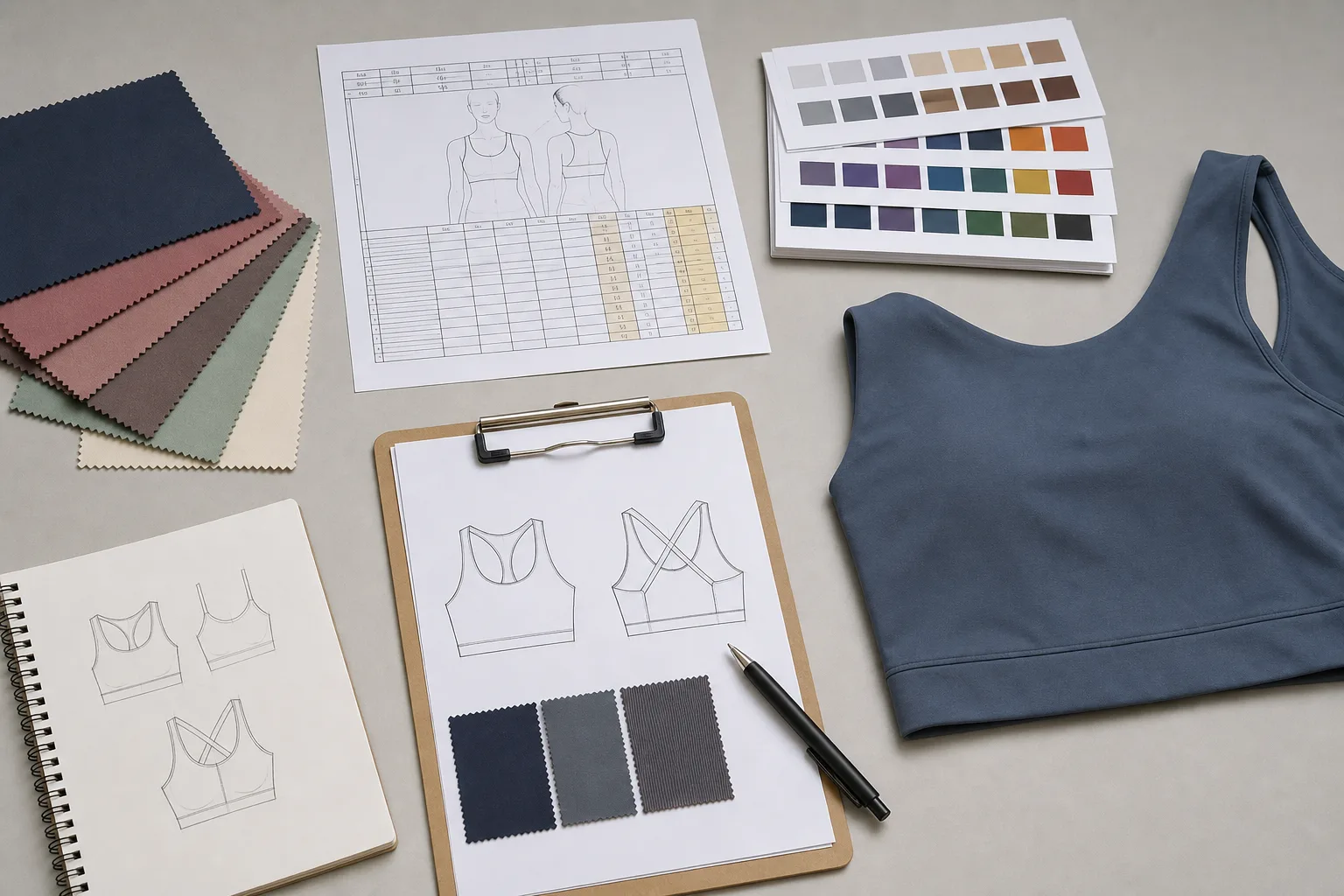
What to send for samples or a project-specific quotation
A clearer brief usually leads to a more accurate quotation and smoother sample review. If the style is still being shaped, reference images and comparable garments are useful starting points. Reference MOQ starts from 300 pieces. The final MOQ and size or color allocation depend on the product. Fabric. Construction. Branding. And packaging.
Standard samples may take around 5–7 days. While more complex yoga tops may take around 7–10 days. Bulk production commonly falls within a reference range of around 20–35 days. Approvals and material readiness. But the final schedule depends on construction. Materials. Quantities. Branding details. And the current production plan.
- Style type such as fitted tee, cropped long sleeve, or relaxed yoga top
- Reference images, sketches, or tech pack if available
- Preferred fabric or target hand feel
- Size range and target measurements
- Color plan and expected size or color split
- Logo artwork and preferred application method
- Main label, care label, and hangtag requirements
- Folding, polybag, barcode, or retail packaging needs
Answers buyers usually need before starting
Keep the project conversation practical with clear expectations around sampling, production and quotation inputs.
Can yoga tops be developed in both fitted and relaxed silhouettes?
Yes. Projects may include fitted, semi-fitted, relaxed, cropped, or long-sleeve yoga top directions. The final pattern, fabric choice, and size grading should match the intended use, styling direction, and buyer-approved measurements.
What is the MOQ for custom yoga tops?
Reference MOQ starts from 300 pieces. The final MOQ and size or color allocation depend on the product, fabric, construction, branding, and packaging.
What information helps speed up yoga top sampling?
Reference photos, a tech pack if available, target measurements, fabric preference, sleeve length, neckline direction, logo artwork, and estimated quantity all help define the sample more clearly. If some details are not fixed yet, comparable garments and usage notes are still helpful.
How long does yoga top sampling and bulk production usually take?
Standard samples may take around 5–7 days, while more complex styles may take around 7–10 days. Bulk production is often in a reference range of around 20–35 days after approvals and material readiness. Final timing depends on fabric availability, style complexity, branding details, order quantity, and the current production schedule.
What should be checked before approving a yoga top sample?
Buyers usually review silhouette, body length, bust and hem measurements, neckline shape, sleeve comfort, fabric recovery, logo placement, label details, and packaging requirements. Movement-based fit review is important, especially for fitted or cropped tops.
Can Ninghow Yoga support logo, labels, and packaging for yoga tops?
Yes. Projects may include logo application, main labels, care labels, and packaging according to approved requirements. Final options depend on the garment construction, branding method, and order details.
Prepare a product brief for sample discussion.
Send the product type, reference styles, fabric preference, size range, target quantity, and branding needs so Ninghow Yoga can confirm sample feasibility.