E-commerce brand
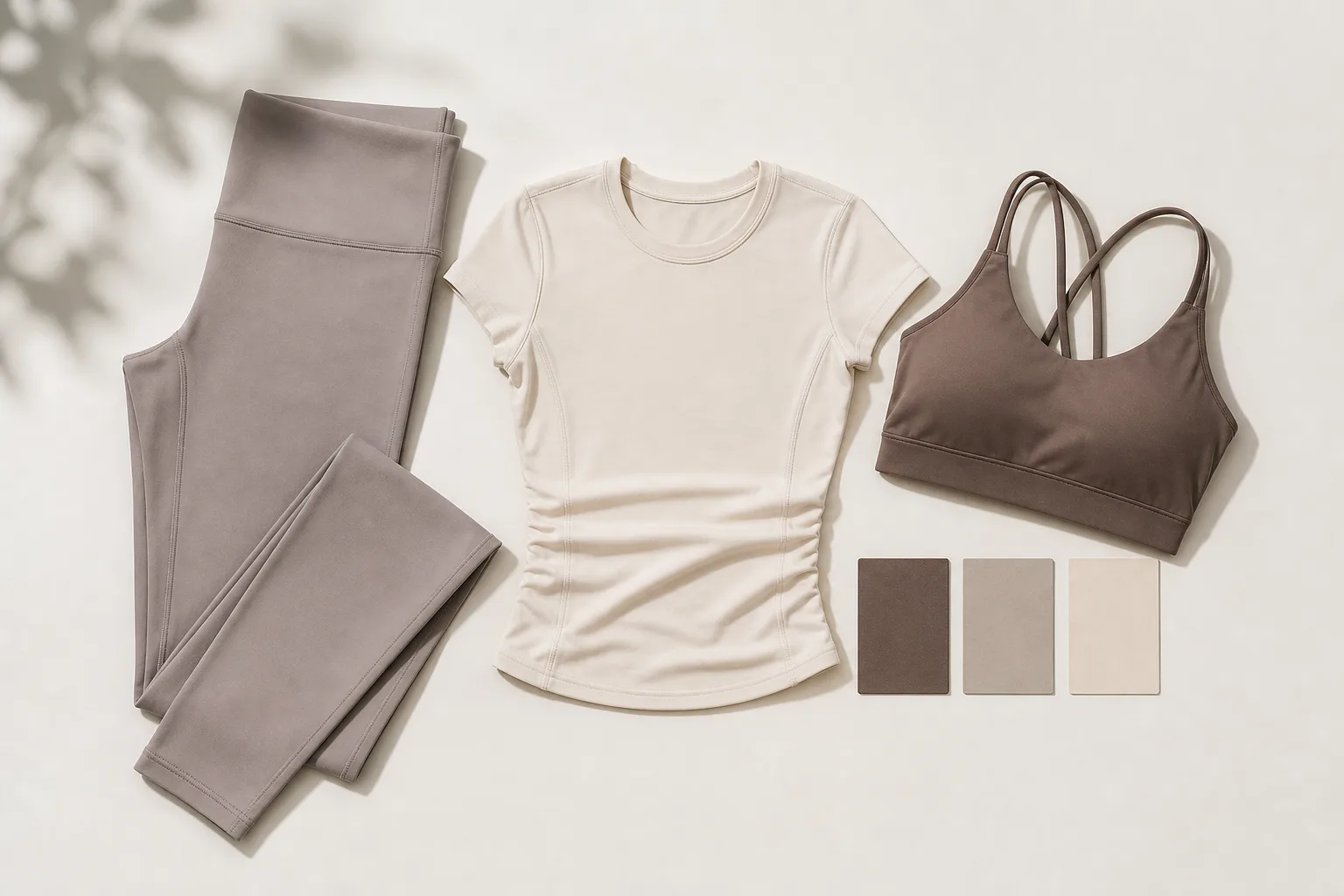
Collection focus: Small but coordinated drops with clear color stories.
What to define early: Hero styles, size range, content-ready product presentation, reorder plan.
Ninghow Yoga supports athleisure collection development for brands that want studio-ready comfort and streetwear-friendly styling in one commercial range. Share your concept, product mix, fabric direction, and branding needs to move from collection planning into sampling and bulk production review.
Match your order model, launch timing, and sourcing maturity with a practical production route.
Long wear, not only during exercise.
Define early.
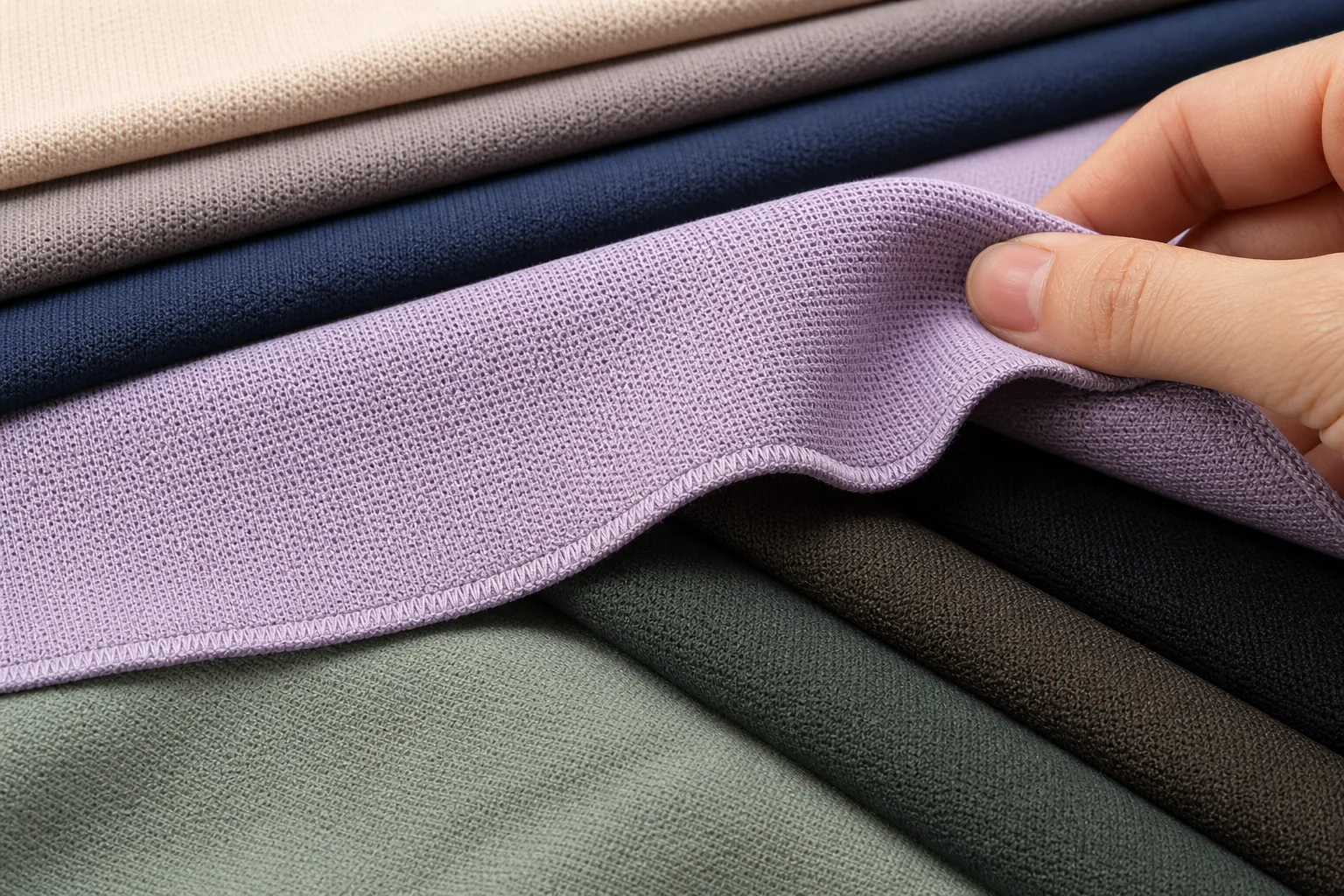
Fabric hand feel: soft, brushed, matte, smooth, or slightly compressive.
Logo application method: print, heat transfer, embroidery, woven patch, or placement label.
Athleisure products can look simple on the surface, but the buying decision usually comes down to a few practical details. Fabric weight changes drape. Stretch recovery affects how the garment keeps shape. Seam placement affects comfort and appearance. These choices should be confirmed before the first sample is approved. When the concept is still broad, start with ODM activewear development. If your team already has a full tech pack. OEM yoga apparel is the more direct route.
For early material comparison. Request Samples once you have a reference style or fabric direction.
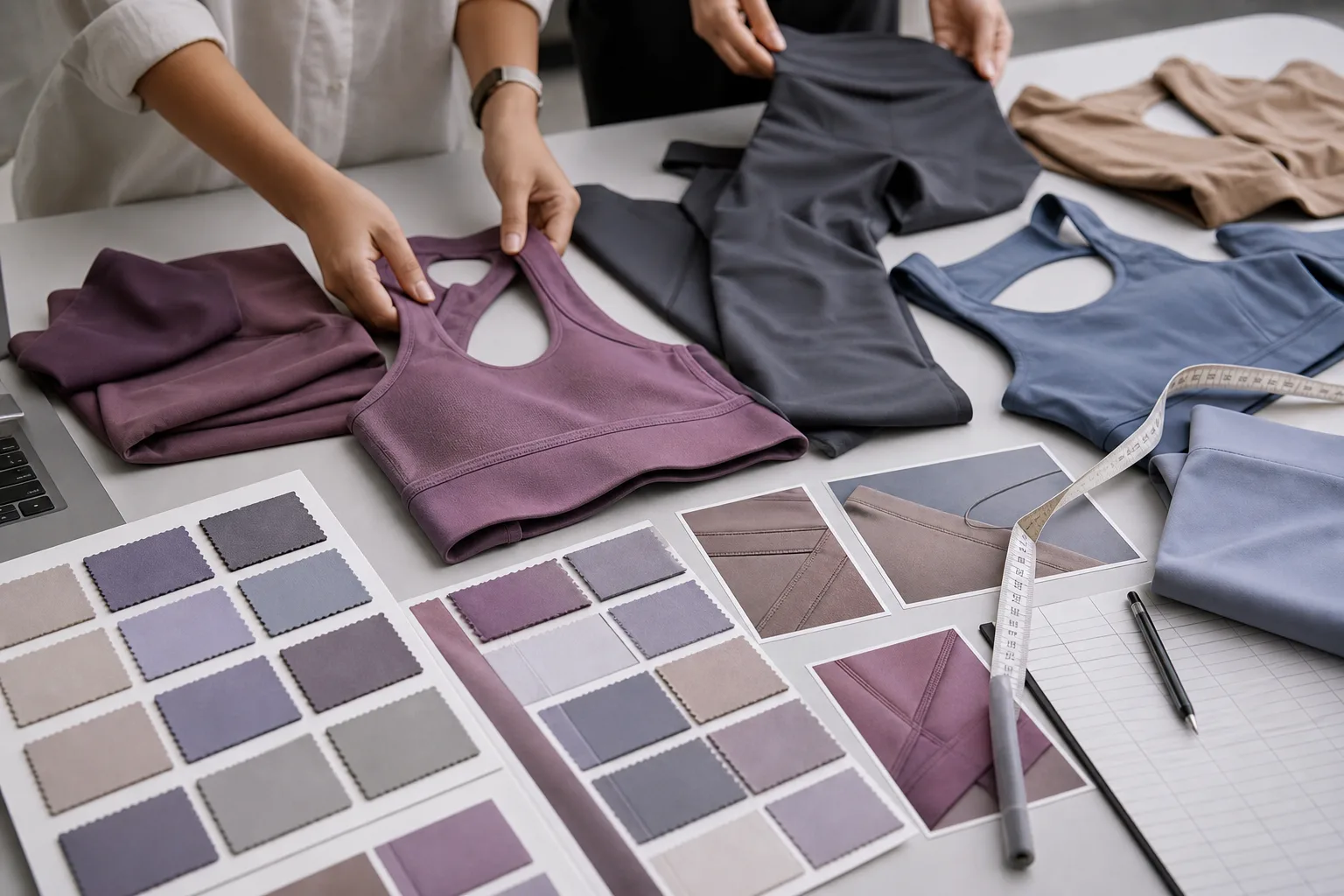
An athleisure collection is usually built to work in more than one setting. Buyers often need garments that feel comfortable in training, then still look appropriate for daily wear, commuting, or light social use. That balance affects fabric choice, fit, finishing, and the number of styles you include in the line. Compare broader product categories first so the line plan matches your intended channel and price point.
Long wear, not only during exercise affects product mix, MOQ expectations, packaging details, and brief.
Everyday styling helps sourcing teams choose consultation, samples, quotation, or repeat-order planning.
Fabric recovery that helps the garment keep its appearance after wear and washing connects the buyer scenario.
Branding that supports a clean lifestyle presentation rather than a heavy technical look affects product mix,.
The right athleisure assortment depends on where the range will sell and how the buyer expects to style it. A studio chain, an e-commerce brand, and a wholesaler may all ask for athleisure, but they rarely need the same balance of tops, bottoms, sets, and layering pieces. If your range also needs a lower-impact material story, review sustainable yoga collections before finalizing the assortment.
Collection focus: Small but coordinated drops with clear color stories.
What to define early: Hero styles, size range, content-ready product presentation, reorder plan.
Collection focus: Comfort-led apparel that matches studio identity.
What to define early: Logo placement, soft hand feel, teaching or retail use, packaging format.
Collection focus: Broader assortment with clear price and fit tiers.
What to define early: Size allocation, color count, fabric consistency, shelf presentation.
Collection focus: Commercial styles that can support repeated orders.
What to define early: SKU structure, carton planning, lead-time expectations, product documentation.
Athleisure collections often need a cleaner brand presentation than a technical gym line. That makes labels, hangtags, packaging, and carton marking part of the product decision, not an afterthought. Confirm these details early if the collection will be sold online, through retail shelves, or as a studio program. For branded rollout planning, review collection development and custom packaging before sample approval.
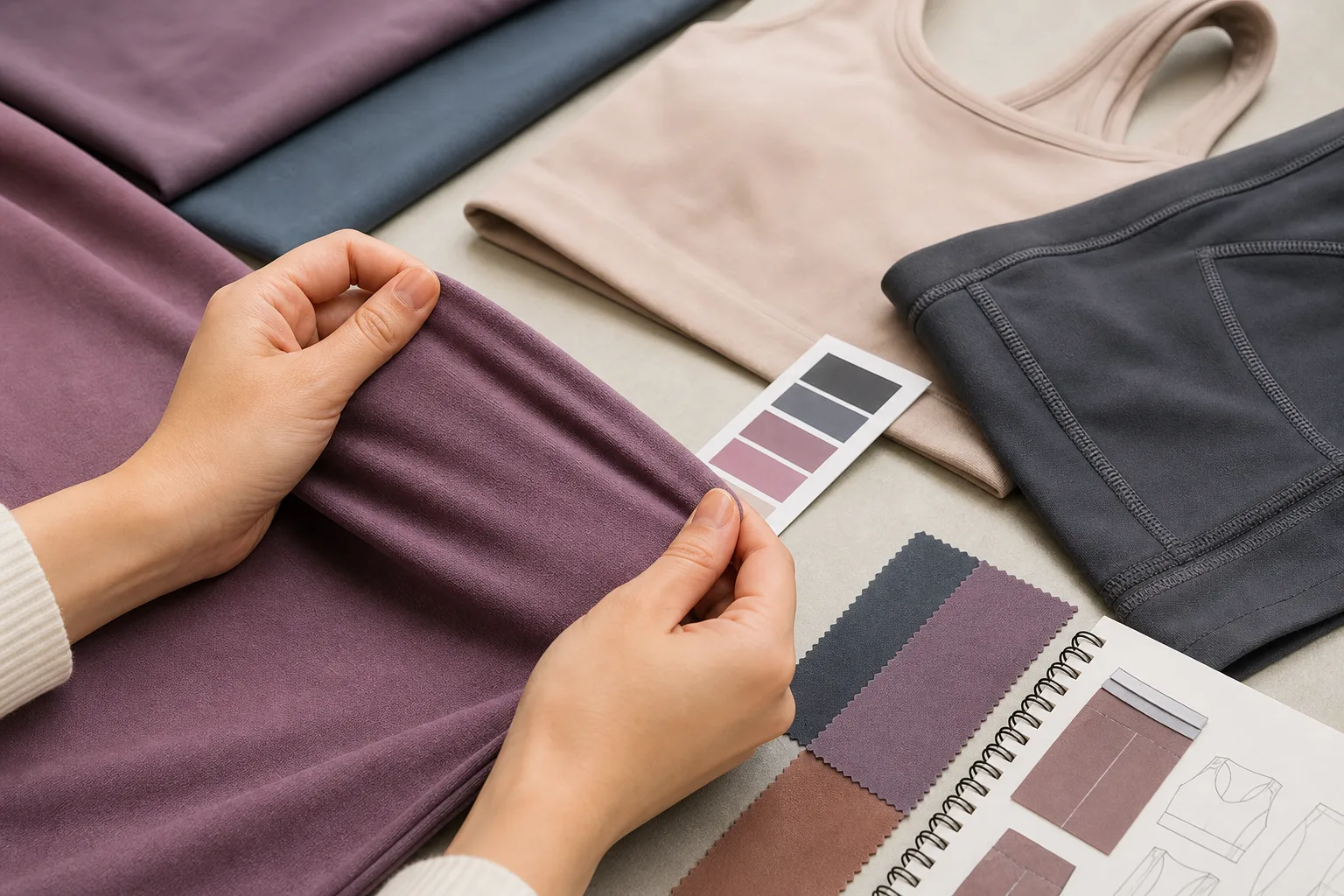
A clearer brief usually leads to a more accurate project quotation. You do not need every detail finalized, but the more specific the project inputs are, the easier it is to align product direction, materials, branding, and order planning. If your direction is defined, send the brief to Request a Quote. If the concept still needs structure, use Get OEM/ODM Consultation first.
Keep the project conversation practical with clear expectations around sampling, production and quotation inputs.
A typical athleisure collection may combine leggings, tops, bras, shorts, pants, and matching sets. The final mix depends on your channel, price position, and how the garments will be worn.
Not always. Reference images, a mood board, target market notes, and preferred fabric direction can support the first discussion. A full tech pack helps once the style is ready for quotation review.
Compare fabric hand feel, stretch recovery, opacity, pilling behavior, and how the material drapes on the body. Swatch review is useful before sample approval.
Reference MOQ starts from 300 pieces. The final MOQ and size or color allocation depend on the product, fabric, construction, branding, and packaging.
Yes. Many athleisure ranges mix both directions, but the fit, fabric, and finishing should be defined separately so each style matches its intended use.
Share the product mix, reference styles, fabric preferences, size range, colors, logo artwork, labels, packaging needs, estimated quantity, and shipping destination if available.
Tell us whether you are building a brand launch, studio retail program, e-commerce assortment, or wholesale order so the team can suggest a practical path.