Number of SKUs
Why it matters: More styles usually mean more pattern, sample, and approval work.
Typical buyer check: Separate core launch styles from optional add-ons.
Collection development gives buyers one clear workflow so they know what input is needed, what gets confirmed, and what affects approval speed. It connects product ideas with commercial planning before sampling and bulk production begin. For yoga apparel and activewear buyers, that usually means defining the product range, fit direction, fabric family, branding details, price level, and launch priorities so every style works as part of one collection rather than as isolated garments.
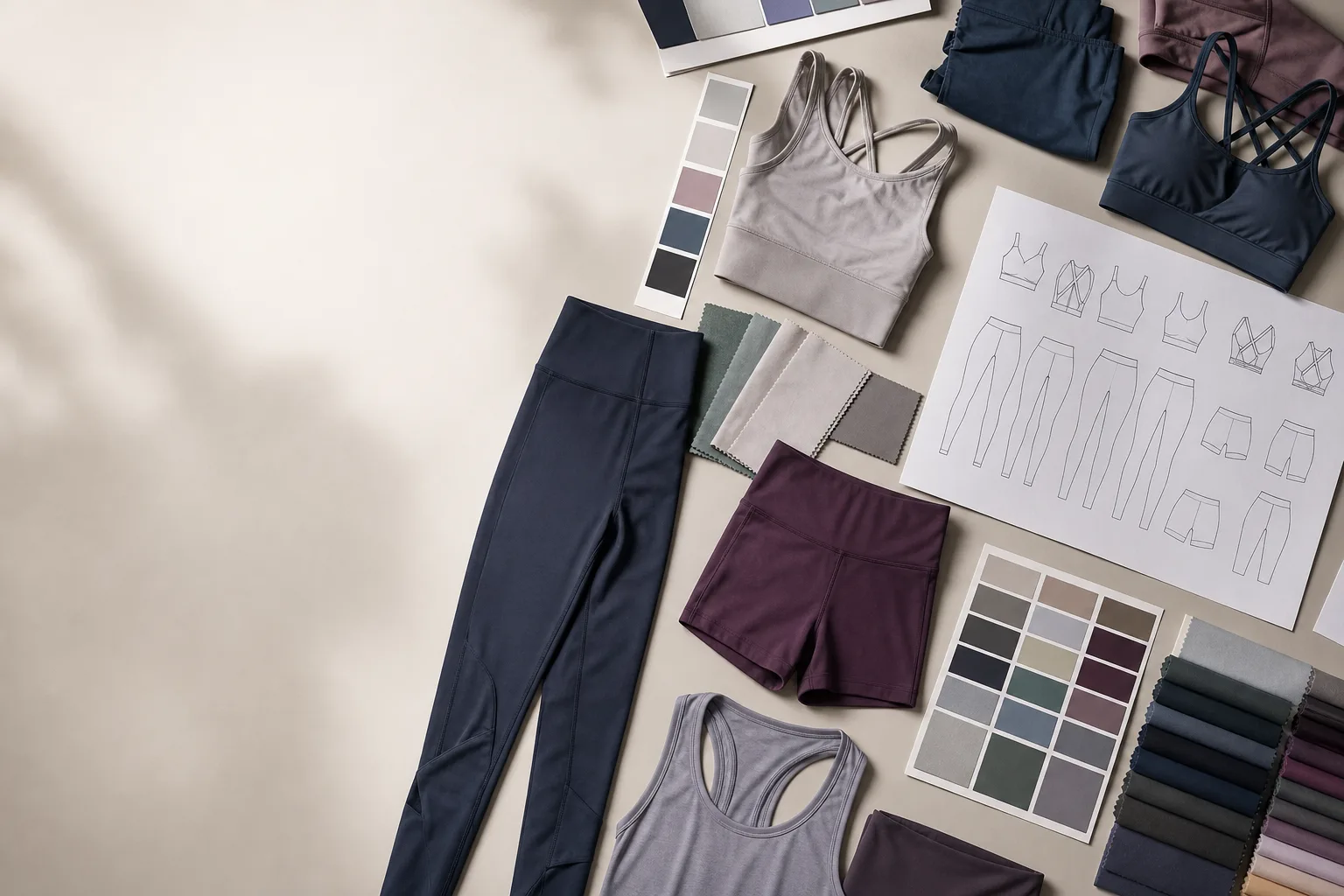
Separate confirmed details from development needs, required files, and sample references.
Bottoms: leggings, shorts, flared pants, or jogger-inspired training pieces.
Collection development affects quotation accuracy because cost is shaped by the whole program, not just one.
Target categories, such as leggings, bras, tops, shorts, or sets.
Category mix, positioning, references, and target market.
A collection plan is more than selecting a few styles. Buyers often need a structure that keeps fabrics, fit, color stories, branding, and packaging aligned across multiple SKUs. This is especially important for yoga sets, leggings, bras, tops, and layering pieces that need a clear relationship in look, hand feel, and intended use. If the project already has detailed specifications, your team can move from collection planning into OEM yoga apparel production support. If the project still needs product direction and development guidance, compare the scope of ODM activewear development before deciding how much support is needed.
Core styles, seasonal additions, and supporting items early so sampling, branding, pricing, and bulk production.
Different categories, such as compressive bottoms, light-support bras, or relaxed tops separates confirmed.
Balance hand feel, stretch, recovery, opacity, and cost range affects files, references, trims, packaging, and.
Confirm color and size planning across the collection instead of style by style early so sampling, branding,.
Logos, main labels, care labels, hangtags, and packaging presentation separates confirmed details from.
Sampling sequence so the most important styles are approved first affects files, references, trims, packaging,.
Many collection delays start with too many ideas and too few priorities. A workable range usually begins with a small set of anchor products, then adds supporting styles around them. When buyers want a yoga-led assortment, reviewing category options in the product range helps narrow the first development list before new samples are requested.
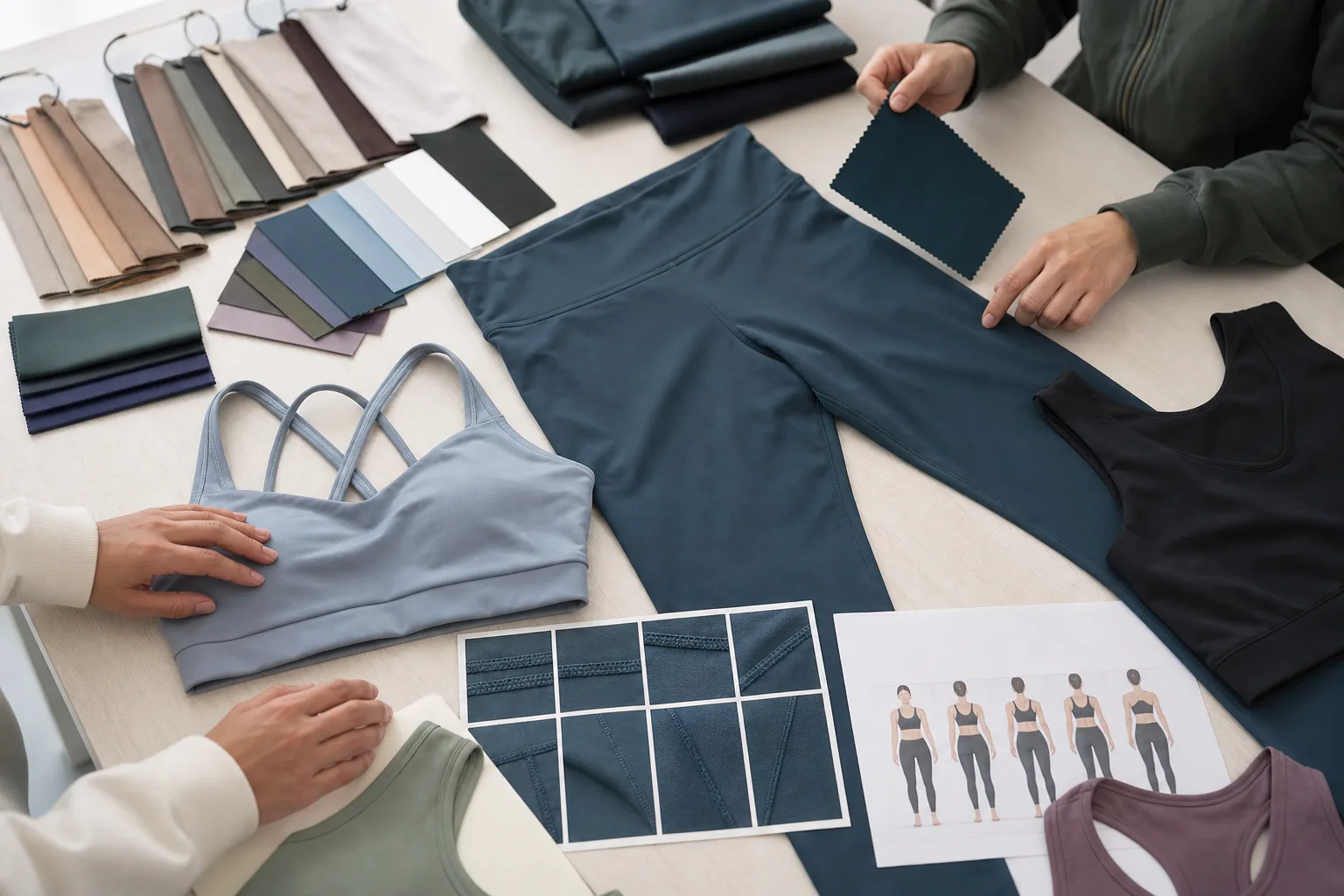
Collection development affects quotation accuracy because cost is shaped by the whole program, not just one style. Fabric variety, color count, trim complexity, branding methods, packaging requirements, and how quantities are split across sizes all influence the final result. Reference MOQ starts from 300 pieces. The final MOQ and size or color allocation depend on the product, fabric, construction, branding, and packaging. In collection planning, one common issue is dividing a small opening quantity across too many styles, colors, and sizes before checking how the allocation will work in production.
Why it matters: More styles usually mean more pattern, sample, and approval work.
Typical buyer check: Separate core launch styles from optional add-ons.
Why it matters: Multiple materials increase sourcing and consistency confirm.
Typical buyer check: Confirm which styles can share the same base fabric.
Why it matters: Color allocation affects MOQ planning and material booking.
Typical buyer check: Reduce early launch colors if quantities are limited.
Why it matters: Logo print, heat transfer, embroidery, labels, and trims add process steps.
Typical buyer check: Approve placement and artwork early.
Why it matters: Folding method, barcode labels, inserts, and outer carton rules affect packing workflow.
Typical buyer check: Finalize retail and shipping requirements before bulk release.
Why it matters: Grading and quantity split affect measurement confirm and MOQ allocation.
Typical buyer check: Confirm size strategy by market and product type.
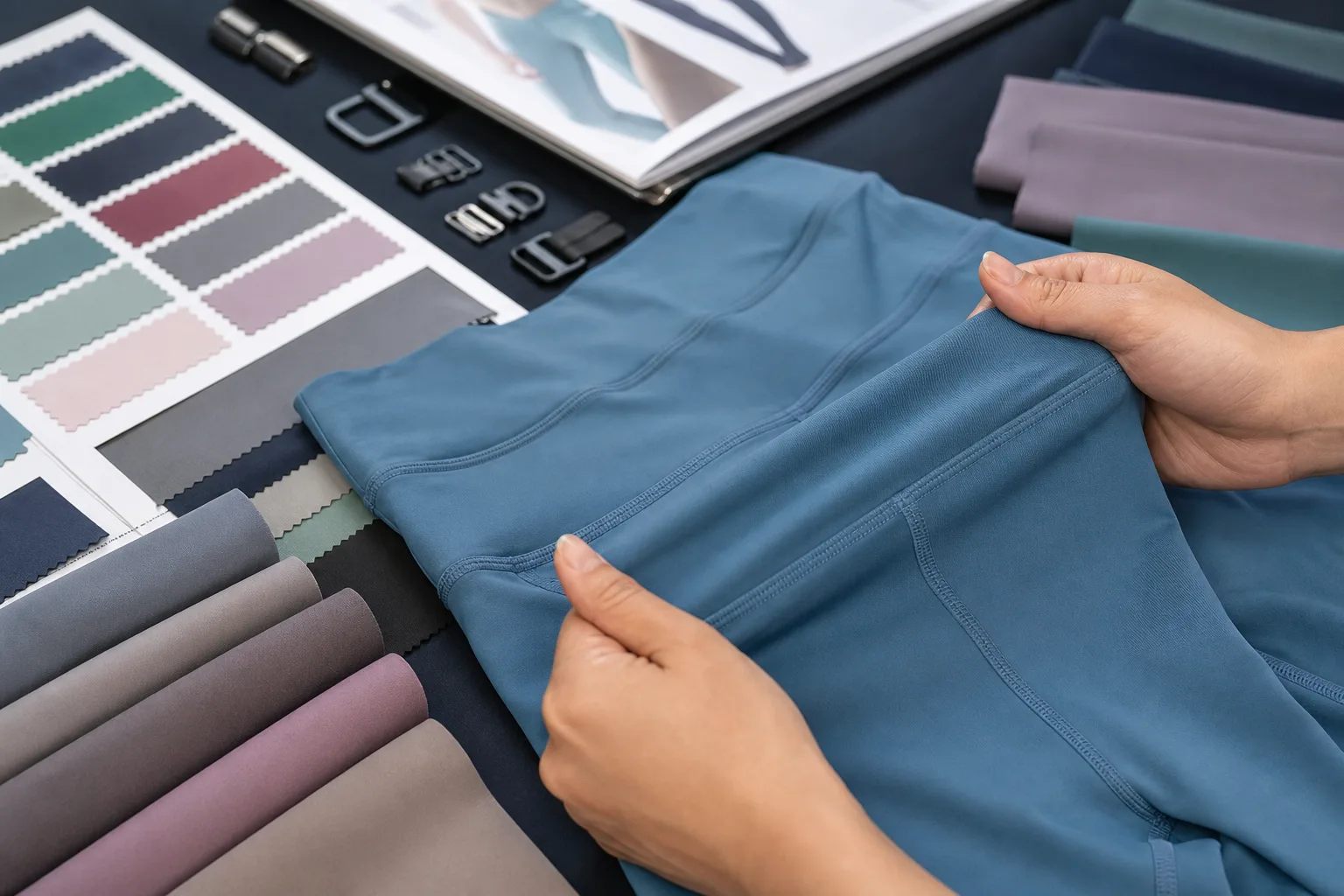
Buyers do not need to submit every detail on day one, but clearer inputs usually lead to a more accurate quotation and smoother sample planning. If fabric is still undecided, it is often better to request fabric swatches before sample approval. If the collection already has detailed measurements and construction notes, your team can also upload a tech pack for a more defined review.
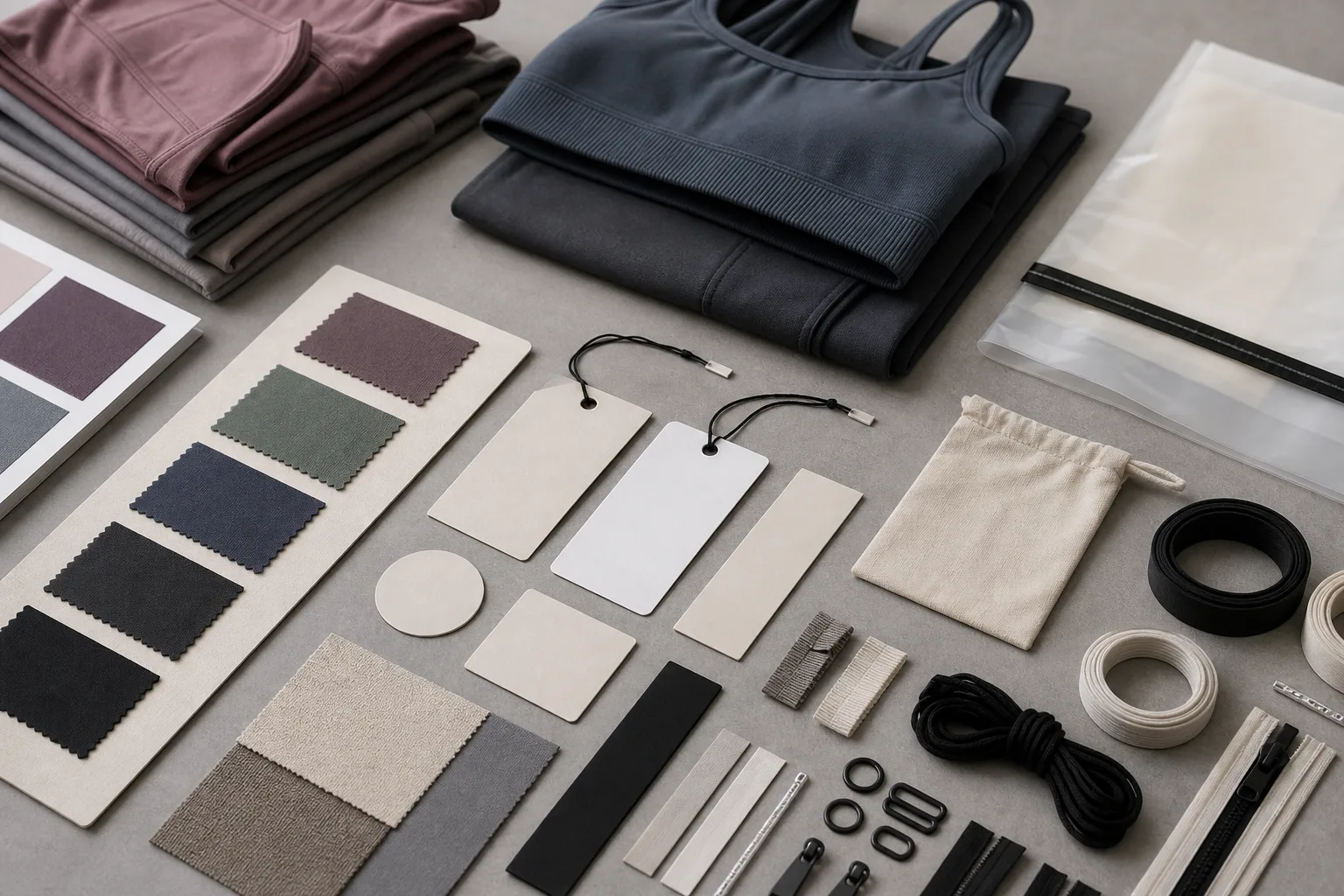
Collection development usually moves through a staged approval process so buyers can control fit, materials, branding, and launch priorities before bulk commitment. Standard sample development may take around 5-7 days, while more complex styles may take around 7-10 days. Final timing depends on specification completeness, fabric availability, construction details, logo method, custom trims, and revision rounds. For launch planning after approvals, review sampling to bulk production to understand the next stage.
To reduce these risks, many buyers review fabric sourcing options before locking the range and check quality-control stages before bulk release.

the sourcing route is often suitable when the project has a brand direction or market concept but still needs help turning that idea into a buyer-approved product range. It is also useful when the launch includes several styles that must share a clear design language, material logic, and packaging standard.

Confirm private label brands planning a coordinated launch range early so sampling, branding, pricing, and bulk.
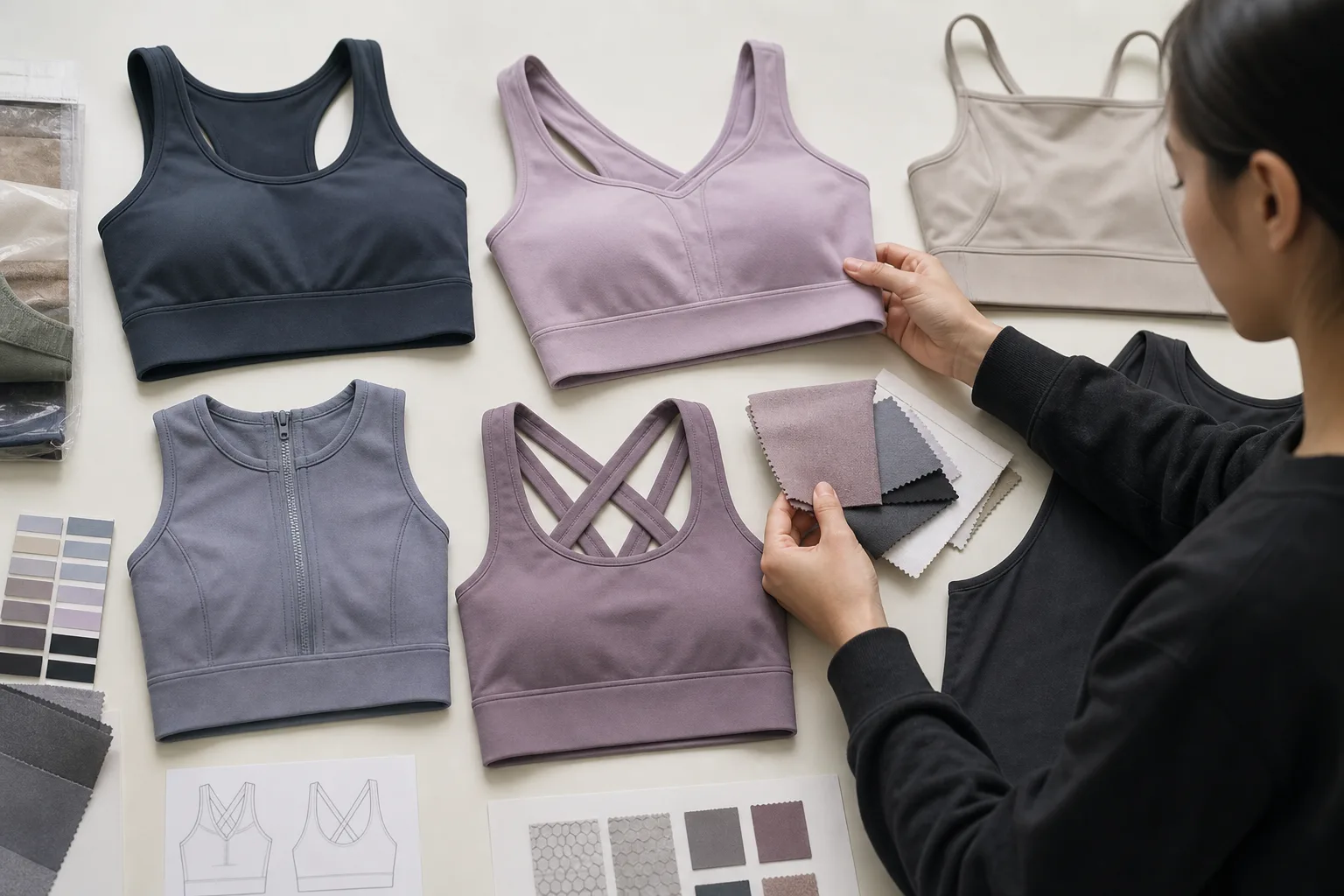
E-commerce sellers building a first activewear assortment separates confirmed details from decisions that still.
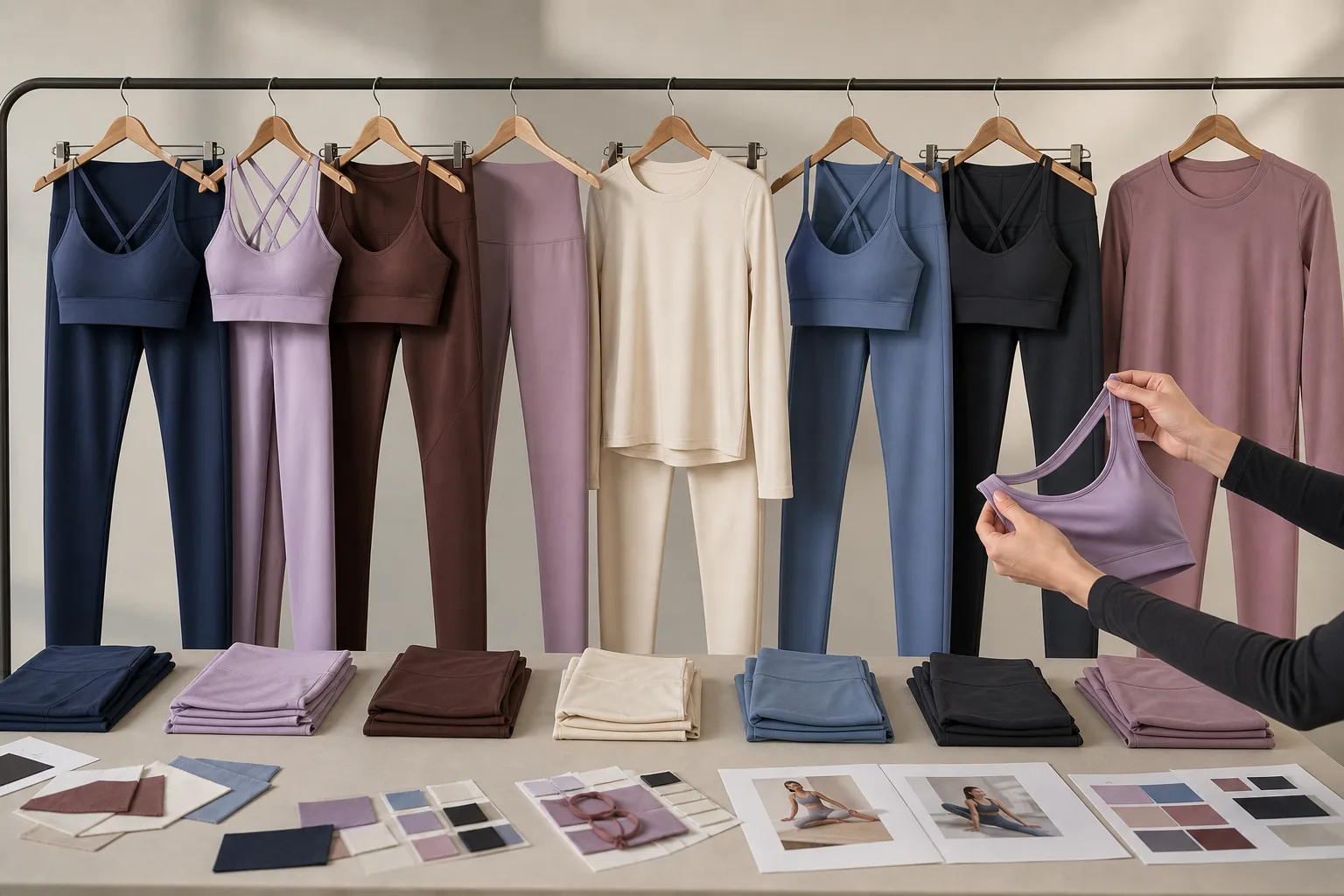
Studios or retailers creating exclusive yoga sets and matching separates affects files, references, trims,.
Keep the project conversation practical with clear expectations around sampling, production and quotation inputs.
Collection development can include SKU planning, product direction, fabric review, fit alignment, branding details, sample sequencing, and preparation for quotation and bulk planning. The exact scope depends on how complete the buyer’s product information is.
No. Many buyers begin with a concept, reference images, a product list, or target market notes. If full tech packs are already available for some styles, they can help speed up review and quotation accuracy.
Reference MOQ starts from 300 pieces. The final MOQ and size or color allocation depend on the product, fabric, construction, branding, and packaging. For collections, buyers should also confirm how total quantity will be split across styles, colors, and sizes.
Yes. Fabric swatch review can help buyers compare hand feel, stretch, recovery, opacity, and color direction before samples are finalized. This is useful when the collection includes several related categories.
Standard samples may take around 5-7 days, while more complex samples may take around 7-10 days. Final timing depends on specification completeness, fabric availability, construction, branding method, custom trims, and revision rounds.
Useful inputs include product categories, reference styles, fabric preferences, size range, color plan, branding details, packaging requirements, estimated quantity, target market, and shipping destination. Buyers do not need every item confirmed at the start, but clearer inputs usually support a more accurate quotation.
Share references, technical files, fabric direction, branding needs, target quantity, and launch timing so Ninghow Yoga can suggest the right route.