Seamless production for yoga wear and activewear programs
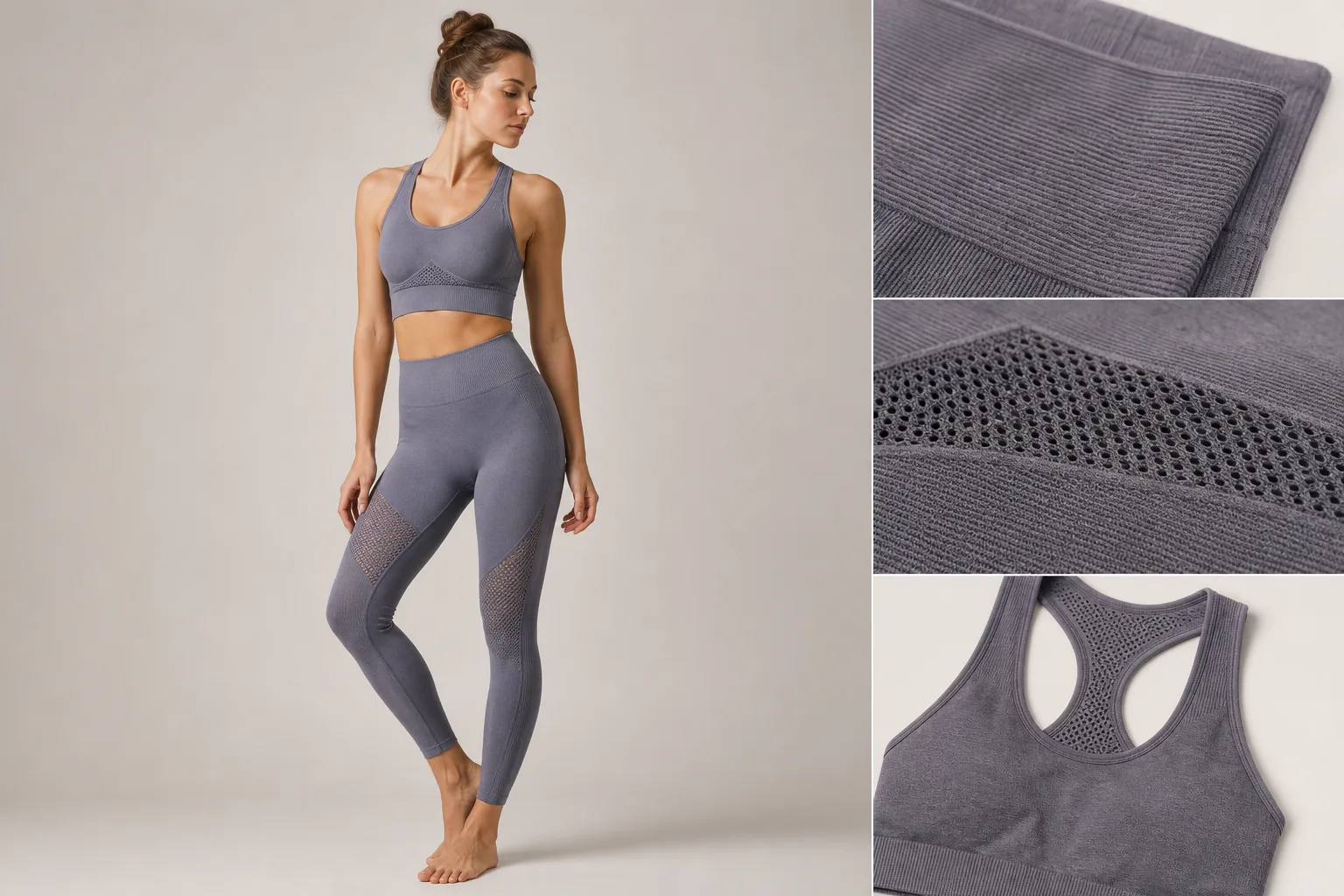
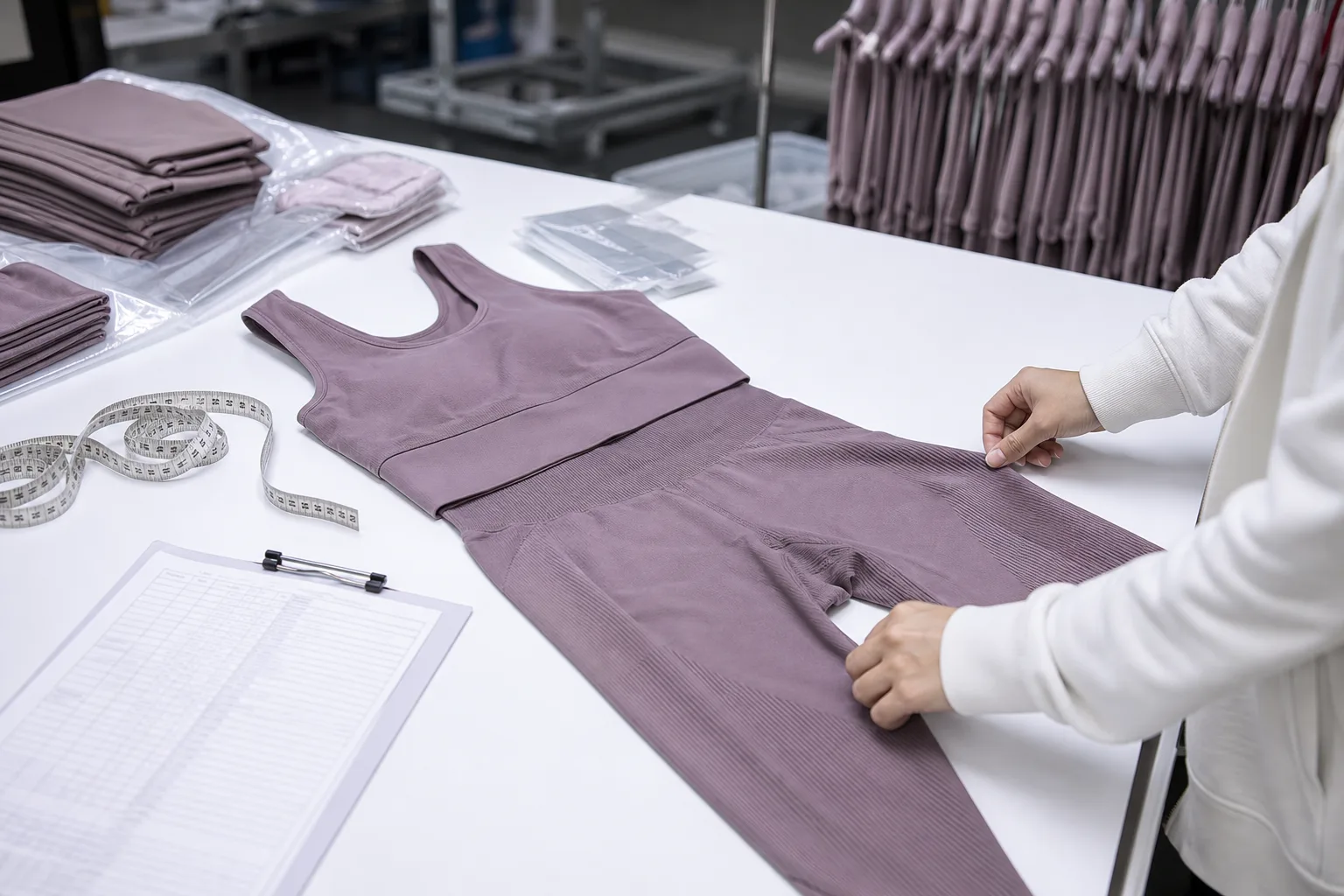
Seamless production uses knitted garment construction to reduce cut-and-sew panel joins and create a closer, more engineered fit. For yoga wear buyers, it is often used when stretch recovery, body mapping, rib textures, and cleaner surface presentation matter more than highly complex panel blocking. Ninghow Yoga supports seamless activewear development with clear review points for knit structure, fit, branding, finishing, and bulk release.
Production control path
Make workflow, quality checkpoints, material preparation, and delivery variables easy to understand.
Construction
Fit is influenced by knit tension, stretch zones, and recovery, not only by pattern measurements.
Construction
Product direction, your team can compare seamless yoga wear with the broader product mix before you commit to.
Construction
Requirement confirm covering product use, fit direction, branding, quantity planning, and target market.
Construction
Composition affects hand feel, moisture behavior, and rebound after repeated stretch.
What seamless production means in apparel development
In seamless production, much of the garment shape is created through circular knitting or engineered knitting rather than by cutting many separate fabric panels and sewing them together. This changes how buyers need to review the product. Buyers comparing seamless and panel-built garments can also review seamless vs cut-and-sew activewear before deciding which route better fits the collection plan.
01
Fabrics
Material readiness, workmanship, inspection, and packing.
02
Planning
Texture effects such as rib, mesh, contour lines, or compression areas are planned inside the knit structure.
03
Style changes may
Understand.
04
Packaging
Material readiness, workmanship, inspection, and packing.
How seamless production is usually reviewed from development to bulk
Seamless apparel needs approval at knit, fit, and finishing stages. The order below helps reduce avoidable revisions. Buyers that need a broader view of how development moves into order execution can review sampling to bulk production before confirming the release plan.
- Requirement review covering product use, fit direction, branding, quantity planning, and target market
- Yarn and knit structure review, including surface texture, stretch direction, and recovery expectations
- Program or specification development for the selected garment construction
- Sample development
- Fit and measurement review on the sample
- Sample revisions if tension, rise, support feel, or visual zones need adjustment
- Pre-production approval for the confirmed style, branding, colors, and packing details
- Material readiness and bulk production planning
Technical decisions that most affect seamless garment performance
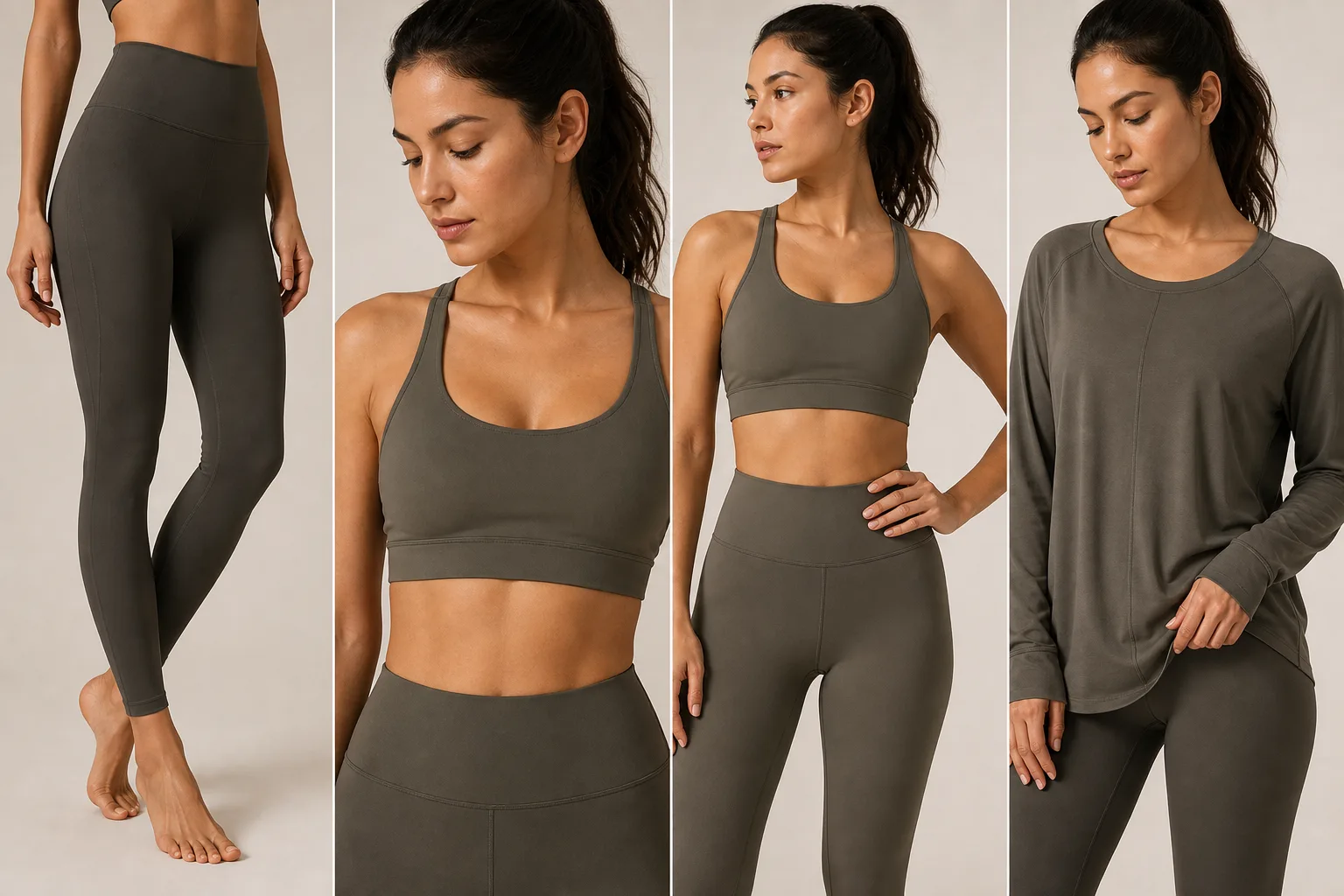
Seamless garments can look similar in photos but perform very differently in wear. The most important decisions are usually not visible at first glance. When logo placement or label decisions are still open, your team can review logo application options before approving the final sample standard.
- Composition affects hand feel, moisture behavior, and rebound after repeated stretch.
- Knit density influences coverage, visual texture, and how firm the garment feels in wear.
- Rib, plain, and mesh transitions can shape the look of the garment and the level of hold in different areas.
- A seamless style needs clear size grading rules because stretch alone does not solve fit consistency.
- Front rise, back rise, waistband depth, and opening measurements should be reviewed against the intended wearer profile.
- For bras and tops, neckline, strap position, and underband fit should be checked together rather than separately.
- Logo application should match the garment surface and expected stretch level.
- Labels and packaging should be confirmed before bulk release to avoid late-stage changes.
Where seamless projects often need extra caution
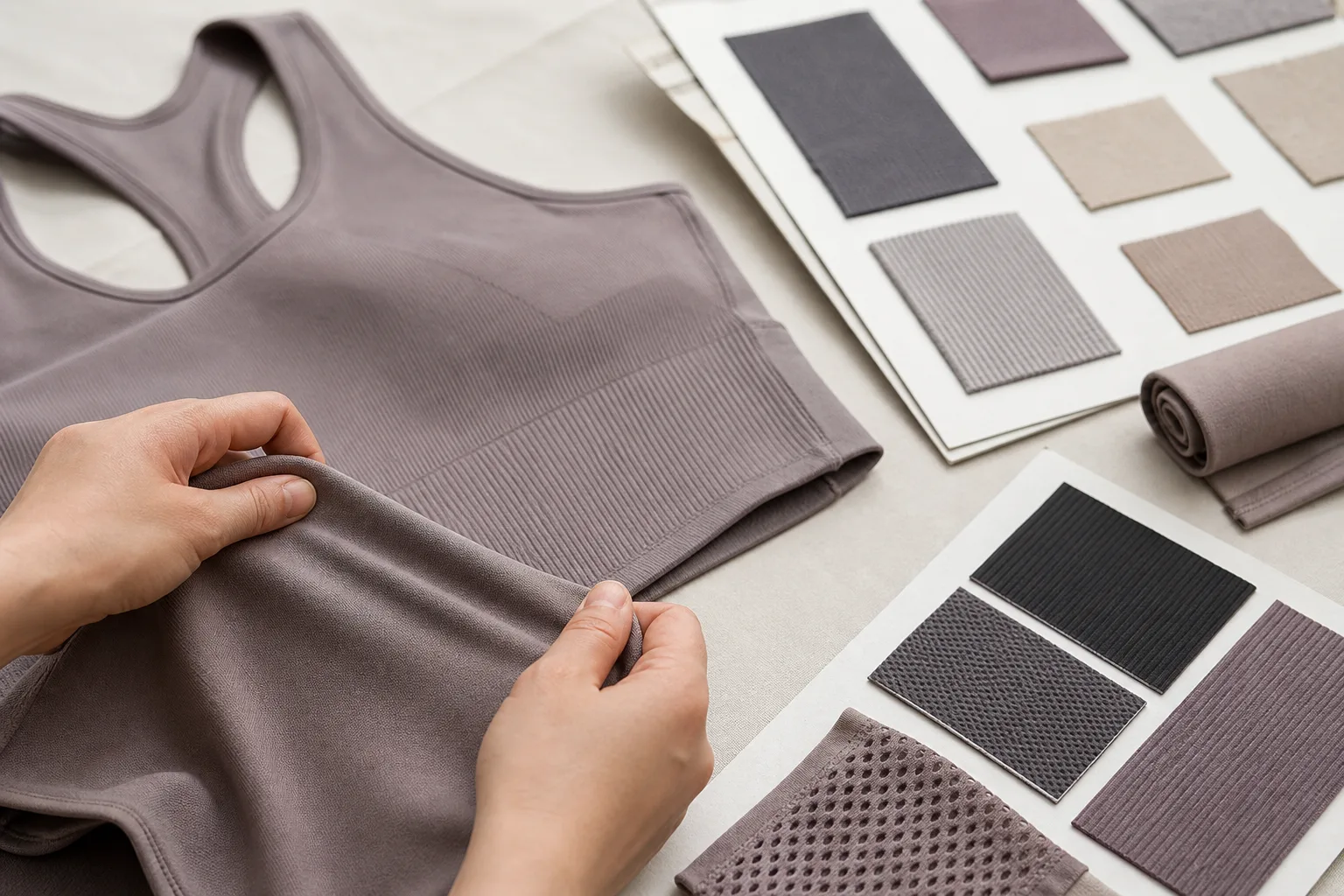
Seamless production can simplify the garment appearance, but it also creates a different set of sourcing risks. Across production review, many sourcing teams also want to see how inspection stages are managed in practice. For that, check quality-control stages for activewear production.
- Approving a sample by look only without checking recovery, measurement balance, and movement opacity
- Changing compression feel late in the process after fit has already been reviewed
- Using too many colors or size splits for a low-volume order without checking allocation practicality
- Assuming a seamless surface accepts every logo method equally well
- Finalizing packaging too late, especially for matching sets or retail presentation requirements
What to send for a more accurate seamless project review
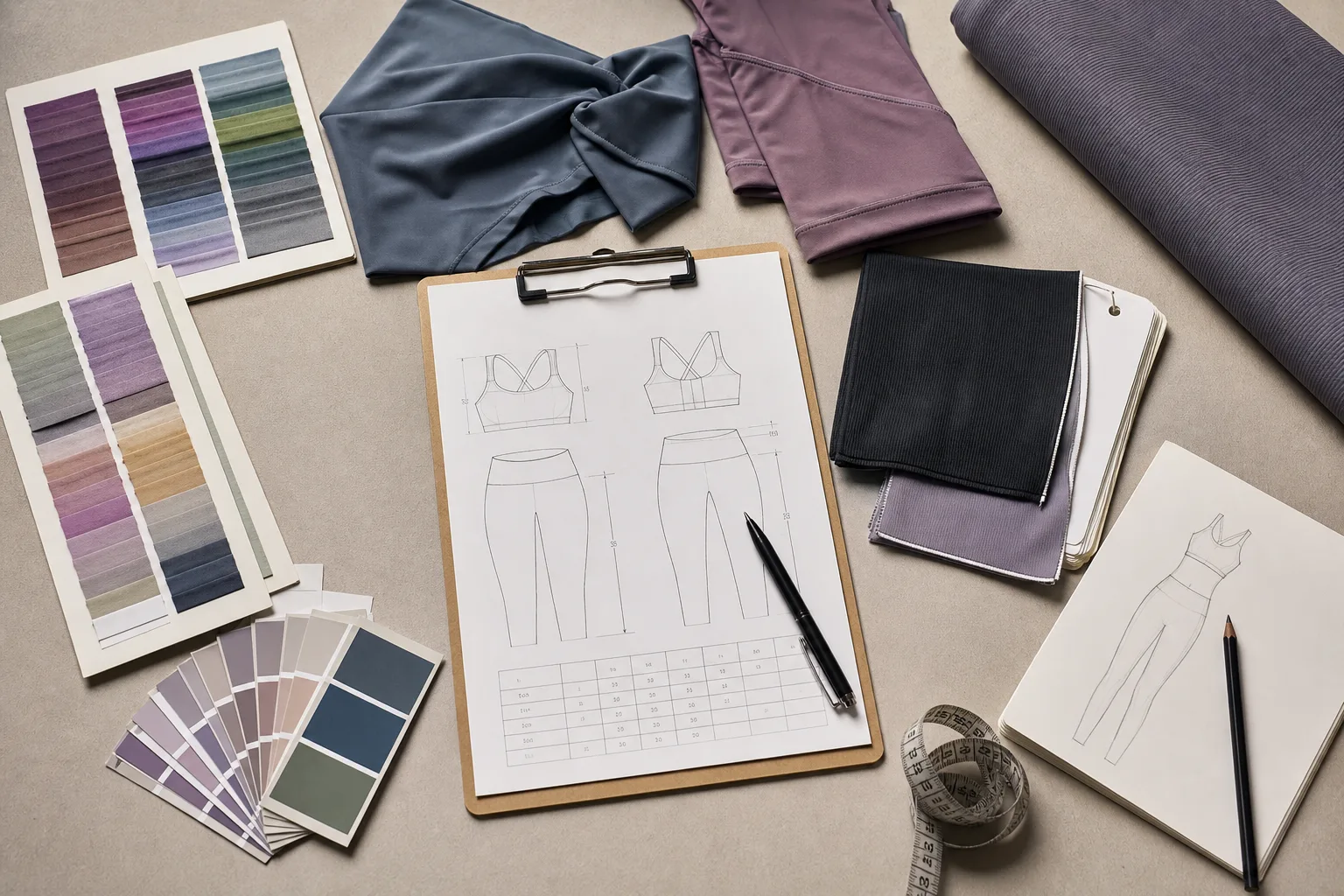
A clearer input package helps determine whether seamless construction matches the style direction and what development work may be needed. If the project is still at evaluation stage, a factory meeting is usually the best next step. If the style direction is already clear, sample review can move first.
Schedule Online Factory Meeting
Request Samples
- Reference images, sketches, or tech pack if available
- Product category, such as leggings, shorts, bra, top, or set
- Target size range and preferred fit definition
- Notes on hold level, recovery feel, texture zones, and coverage expectations
- Logo artwork or preferred logo method
- Main label, care label, hangtag, or barcode requirements if applicable
- Folding, set packing, polybag, or retail packaging direction
- Estimated quantity by style
Answers buyers usually need before starting
Keep the project conversation practical with clear expectations around sampling, production and quotation inputs.
What does seamless production mean for yoga apparel?
Seamless production usually refers to garment construction created mainly through knitted structure rather than many cut fabric panels. For buyers, this affects fit confirmation, texture planning, recovery evaluation, and branding choices.
Which products are commonly developed with seamless construction?
Seamless construction is often considered for fitted leggings, shorts, bras, tops, and coordinated sets. Final suitability depends on the intended fit, texture design, support needs, branding method, and commercial quantity plan.
What information helps when requesting a seamless sample?
Useful inputs include reference images or a tech pack, product type, target fit, size range, yarn or hand-feel preference, color direction, logo details, and estimated quantity. The more complete the brief is, the easier it is to compare construction options.
Is the MOQ always 300 pieces for seamless styles?
Reference MOQ starts from 300 pieces. The final MOQ and size or color allocation depend on the product, fabric, construction, branding, and packaging. Seamless projects may also be affected by style complexity and color planning.
How long does seamless sample development usually take?
Standard samples may take around 5–7 days, while more complex samples may take around 7–10 days. Timing depends on specification completeness, yarn or material availability, construction complexity, logo method, and revision requirements.
Can quality inspection be arranged for seamless bulk orders?
Quality confirmation can include measurement checks, workmanship review, logo-position checking, label confirmation, packaging review, and final inspection. AQL-based inspection support or third-party inspection may be arranged when required and should be confirmed for the project.
Review your production plan before bulk order.
Send the project stage, confirmed materials, expected quantity, packing needs, and target shipping window so the team can discuss production feasibility.