Production Capacity for Custom Yoga Apparel
Ninghow Yoga helps buyers who need a clear production plan before placing a bulk order. For custom yoga apparel and private label activewear, usable capacity depends on style complexity, fabric readiness, size and color allocation, branding details, and the current production schedule, so each project is assessed on its own terms.
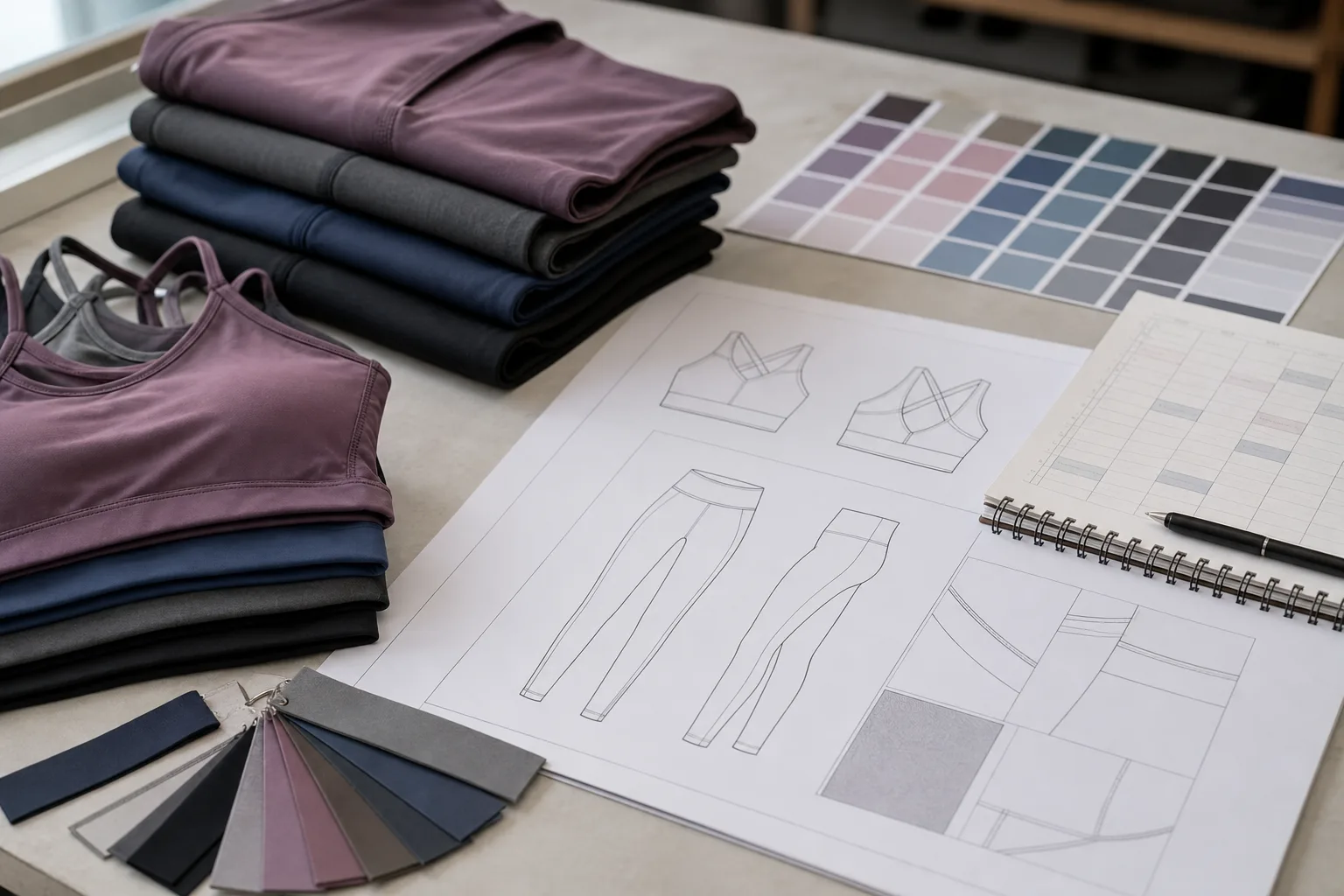
Production control path
Make workflow, quality checkpoints, material preparation, and delivery variables easy to understand.
Products
Single-style orders usually depend on fabric availability and line balance.
What changes usable
Project factorWhy it affects capacityWhat the buyer should confirm.
Products
Shenzhen supports product development, merchandising, sample coordination, export communication, and supply.
Sampling
Standard sample time is around 5–7 days.
What changes usable output from one project to another
Two orders with the same piece count can place very different demands on production. A simple yoga legging order may move through the line more smoothly than a complex set with multiple trims, labels, and packaging steps. For buyers planning from sample approval to bulk release, sampling to bulk production explains the handoff points that usually matter most.
01
Sourcing
Material readiness, workmanship, inspection, and packing.
02
Construction
Constructionseamless, cut-and-sew, and mixed constructions use different line setupsgarment type, stitch.
03
Packaging
Understand.
04
Fabrics
Material readiness, workmanship, inspection, and packing.
05
Packaging
Branding stepslogo methods, labels, and packaging add process timeartwork, label position, and pack format.
06
Sampling
Understand.
How Ninghow allocates capacity across the production network
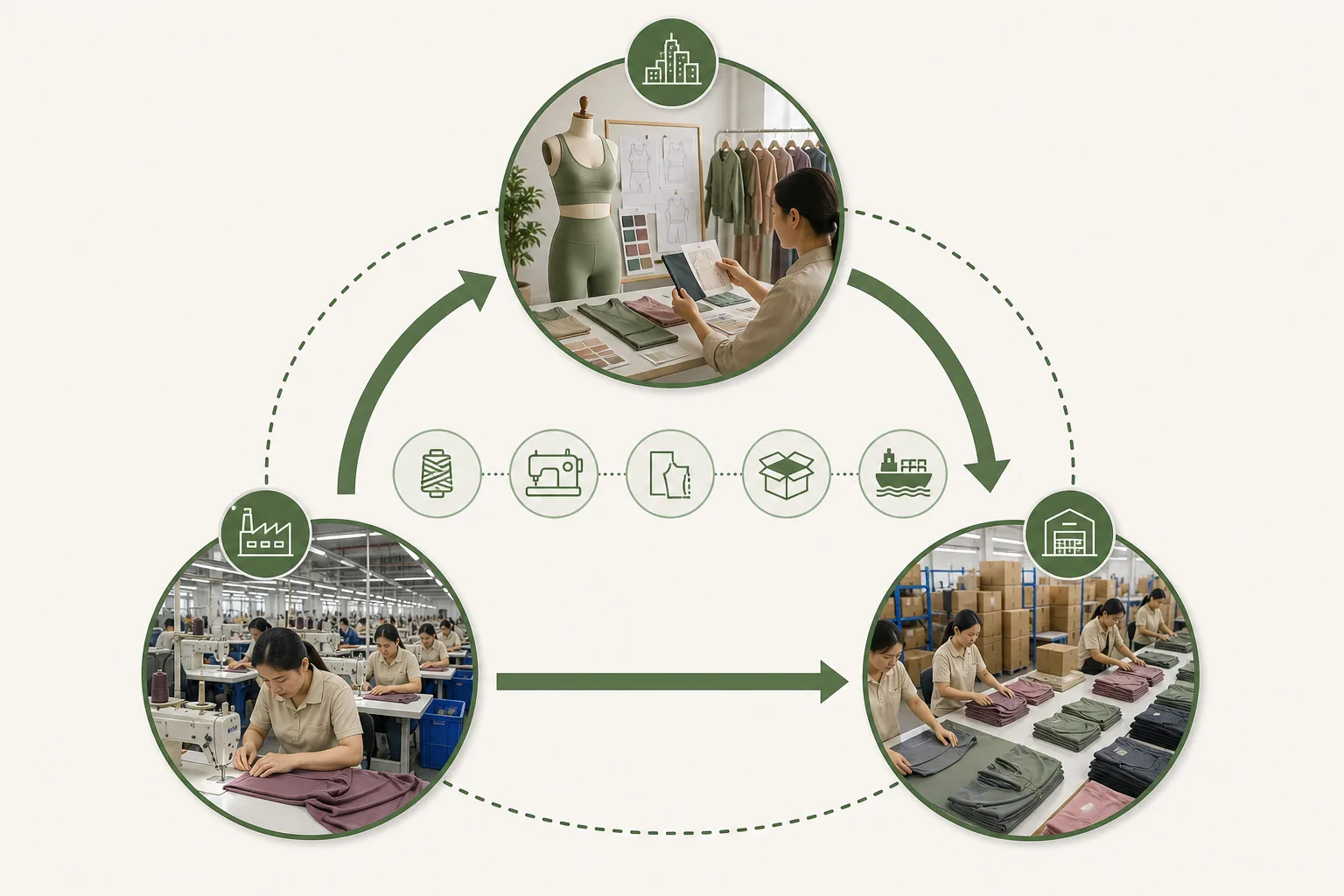
Ninghow was founded in March 1988 and is headquartered in Shenzhen, China. The company has production bases and production support in Shenzhen, Zhongshan, and Jiangxi. This structure helps the team route projects by development stage and order size. A project may move differently depending on whether the main need is sample coordination. Bulk output. Or a larger replenishment plan.
Production reference size is approximately 10–15 lines with a team of around 350 people. Reference monthly capacity is approximately 80,000–120,000 pieces. These are reference values, not guarantees, and the usable output for any project depends on the product mix, material availability, and current production schedule.
- Shenzhen supports product development, merchandising, sample coordination, export communication, and supply chain management.
- Zhongshan supports garment production, sewing, finishing, packaging, and order follow-up.
- Jiangxi supports bulk production and larger-order capacity planning.
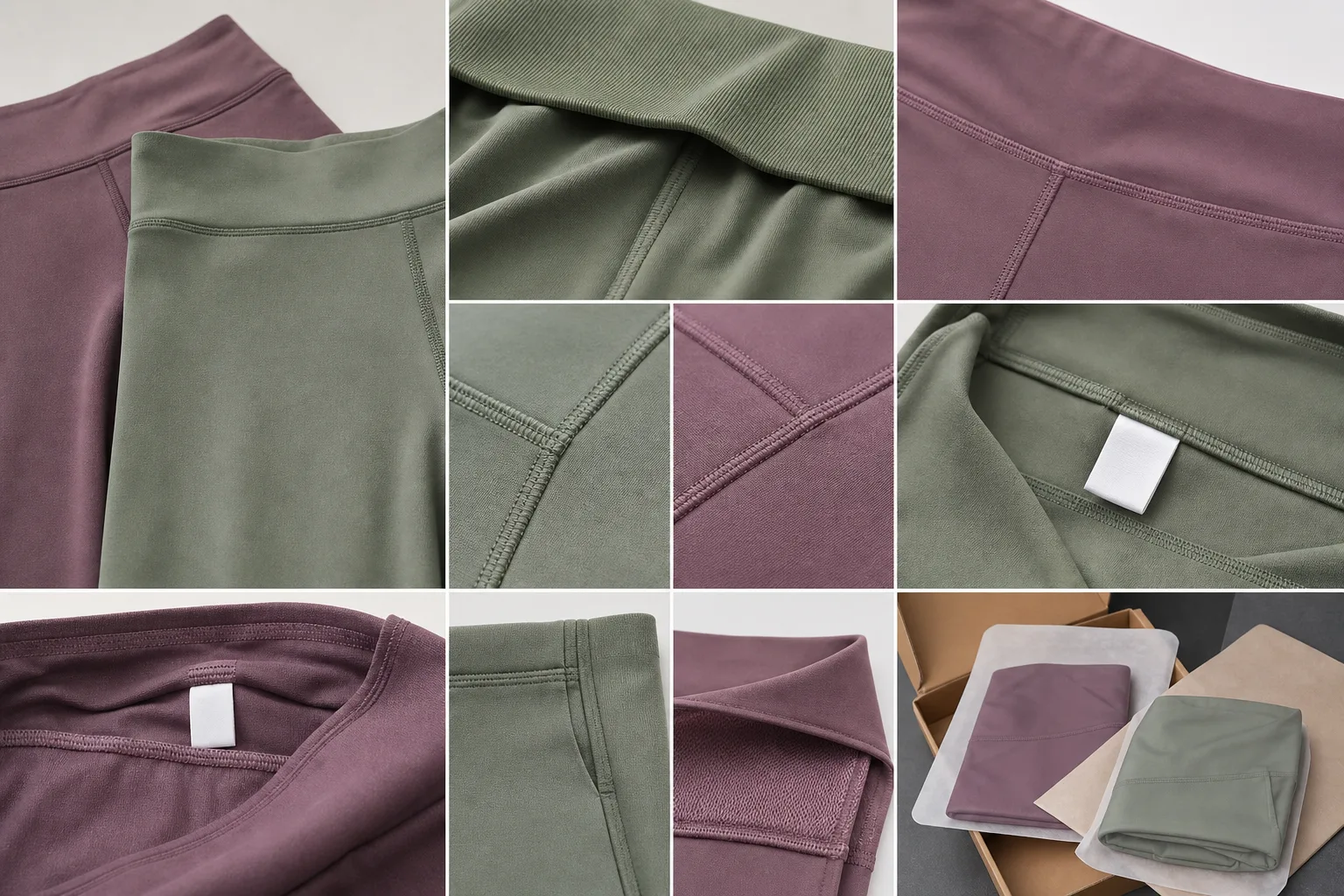
Reference ranges for MOQ, samples, and bulk timing
Capacity planning is easier when the order size, sample stage, and bulk timing are considered together. A project that looks small in total pieces may still need more planning if it has many colorways. Trims. Or branded packaging steps.
Reference MOQ starts from 300 pieces. The final MOQ and size or color allocation depend on the product, fabric, construction, branding, and packaging. These timelines may vary by project, subject to material availability, sample approval, construction details, and the current production schedule. If schedule is the main concern, check lead time management before setting the shipment target.
- Standard sample time is around 5–7 days.
- Complex sample time is around 7–10 days.
- Reference bulk production time is around 20–35 days after approvals and material readiness.
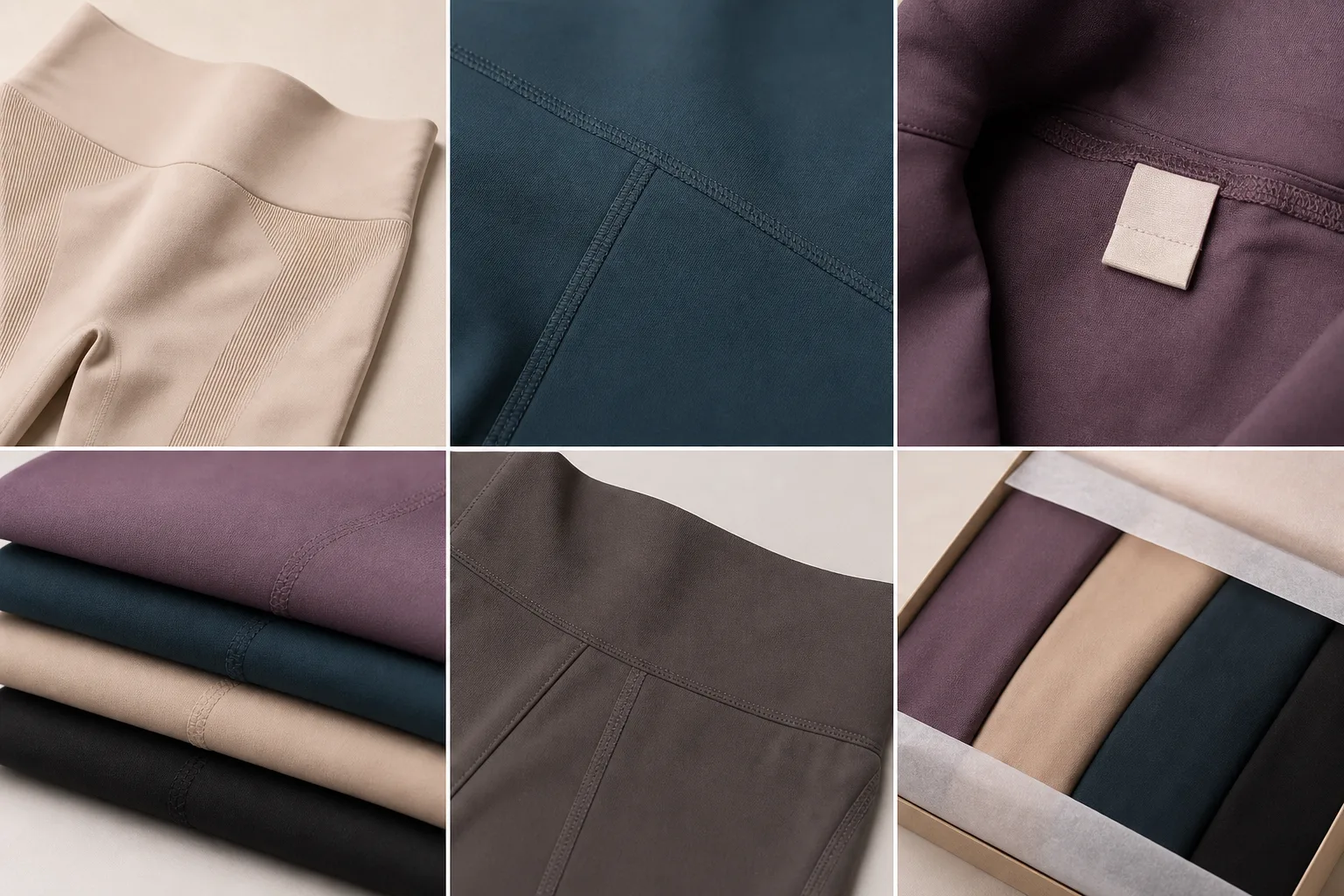
What to send for a capacity review
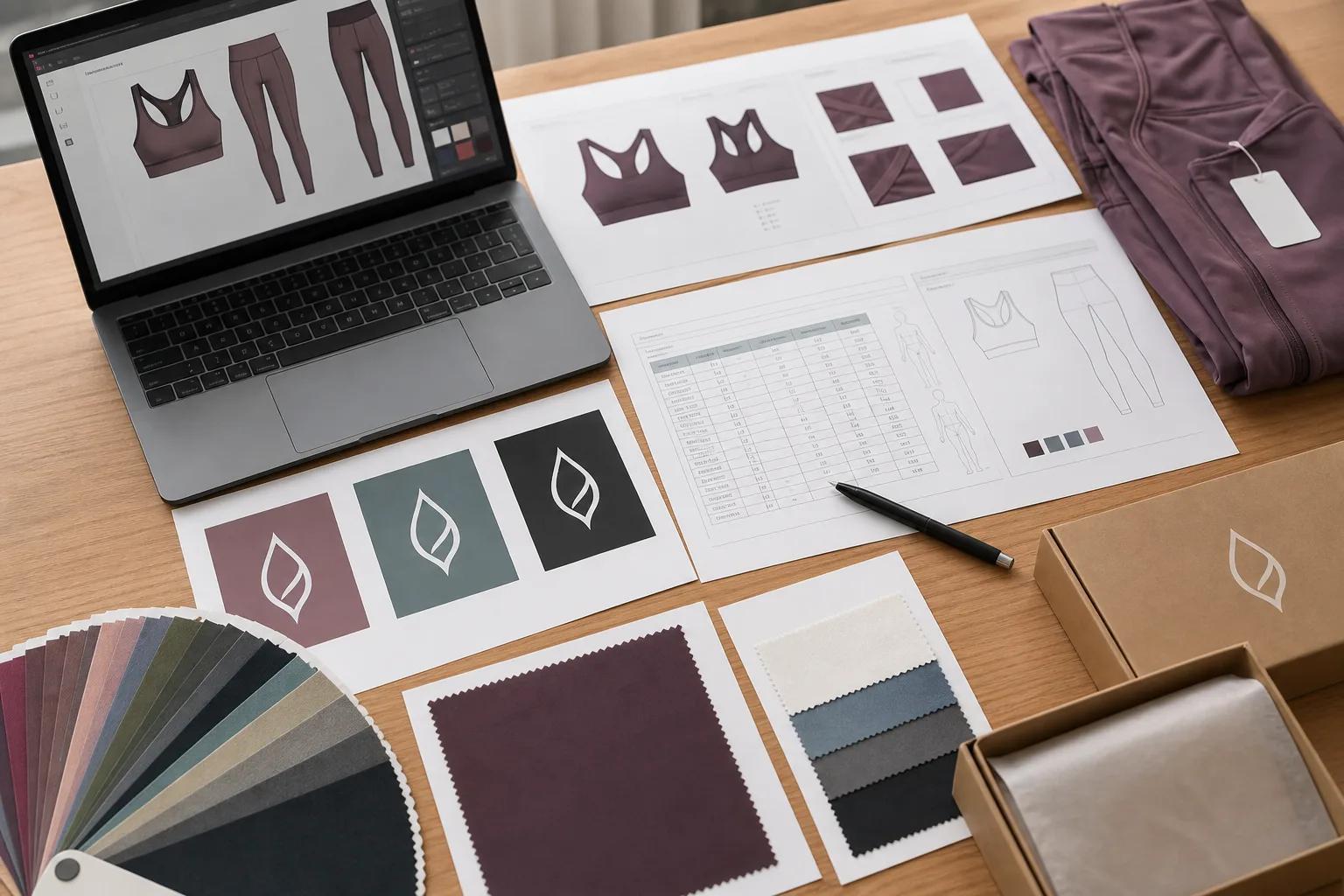
A more accurate production review starts with clear project input. You do not need every detail finalized, but the more complete the brief is, the easier it is to confirm whether the order fits the available schedule. If you already have the project direction but still need fabric input, fabric sourcing and sample development are useful next steps before bulk planning.
- Garment type and style reference
- Fabric preference or existing swatches
- Measurement chart or size range
- Color count and size allocation
- Logo artwork and placement
- Label requirements
- Packaging format
- Any special finishing or folding instructions
Quality checkpoints that protect capacity decisions
Capacity planning should not move ahead without clear quality checkpoints. A project can appear feasible on paper but still need adjustment if the sample does not meet the approved fit or construction standard. For a closer look at the checkpoints used before bulk release, see quality control.
- Fabric check for hand feel, color, and consistency
- Measurement review against the approved spec
- Workmanship review for seams, labels, and finishing
- Packaging review before final release
- AQL-based inspection support or third-party inspection support when required
Answers buyers usually need before starting
Keep the project conversation practical with clear expectations around sampling, production and quotation inputs.
What is the reference production capacity for Ninghow Yoga?
Reference monthly capacity is approximately 80,000–120,000 pieces, based on the current project mix, production schedule, and material readiness. It should be confirmed during quotation review.
Is the minimum order quantity always 300 pieces?
Reference MOQ starts from 300 pieces. The final MOQ and size or color allocation depend on the product, fabric, construction, branding, and packaging.
What details are needed to check whether my order fits the schedule?
Share the product type, estimated quantity, size breakdown, color count, fabric preference, branding details, packaging needs, target delivery window, and shipping destination.
How long do samples and bulk production usually take?
Standard samples are around 5–7 days, complex samples are around 7–10 days, and bulk production is around 20–35 days after approvals and material readiness. Final timing depends on the project.
Can Ninghow support third-party inspection?
Yes. AQL-based inspection and third-party inspection support may be arranged when required for the project.
What kinds of orders need more capacity planning?
Projects with many colors, size splits, branded packaging steps, or complex construction usually need more detailed planning than a simple single-style order.
Review your production plan before bulk order.
Send the project stage, confirmed materials, expected quantity, packing needs, and target shipping window so the team can discuss production feasibility.