Core replenishment styles
Best when: Ongoing channel supply.
Typical buyer inputs: Product type, size run, color range, packaging, shipment destination.
What to review first: Fit consistency, branding method, carton and label requirements.
Ninghow Yoga supports distributor programs that need clear product specifications, private label execution, sample approval, bulk planning, and shipment coordination for yoga and activewear. Share your product mix, size allocation, branding needs, and destination market to receive a project-specific quotation.
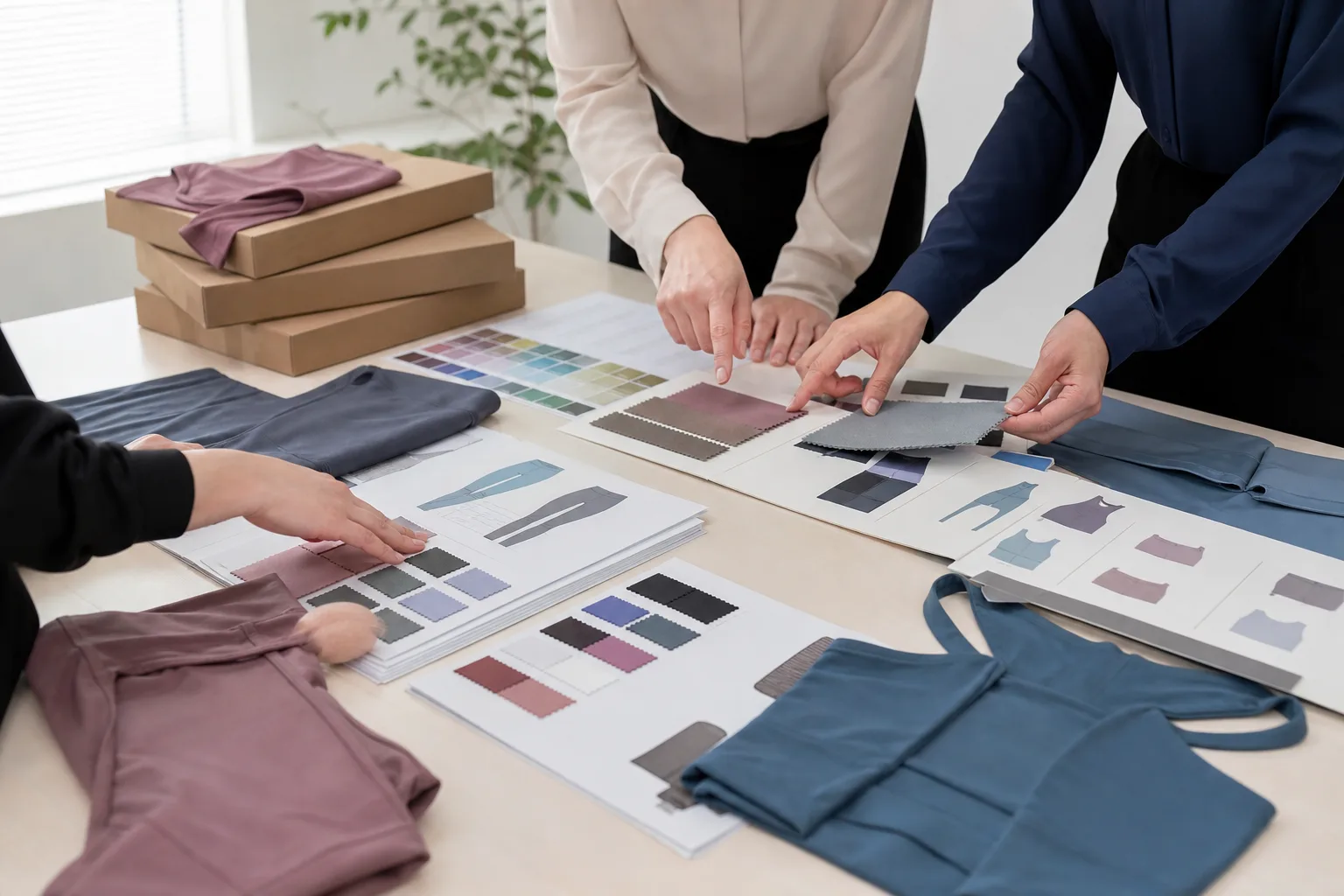
Match your order model, launch timing, and sourcing maturity with a practical production route.
Core styles, seasonal additions, or region-specific assortments.
Decide how much product definition you already have and where Ninghow Yoga should step in.
Product type and intended category, such as leggings, bras, tops, sets, or shorts.
Confirm the approved sample before bulk release.
Distribution programs usually depend on repeatable fit, stable product presentation, and packaging that is easy to move through retail, studio, or regional sales channels. The supplier has to support both the first order and the next replenishment cycle. When you need to compare broader style ranges before narrowing the lineup, start with the product catalog and then request samples for the most promising options.
Core styles, seasonal additions, or region-specific assortments affects product mix, MOQ expectations,.
Consistent fit and measurement control across repeat orders helps sourcing teams choose consultation, samples,.
Branding options such as logo application, labels, hangtags, and packaging connects the buyer scenario with the.
Wholesale or multi-account distribution affects product mix, MOQ expectations, packaging details, and brief.
Order planning that supports replenishment without changing the approved product setup too early helps sourcing.
A clearer quotation starts with the right input set. The more specific the product and channel details are, the easier it is to match fabric, construction, branding, and packaging to the order. If the project is still at concept stage, begin with OEM/ODM consultation instead of trying to finalize every technical detail first.
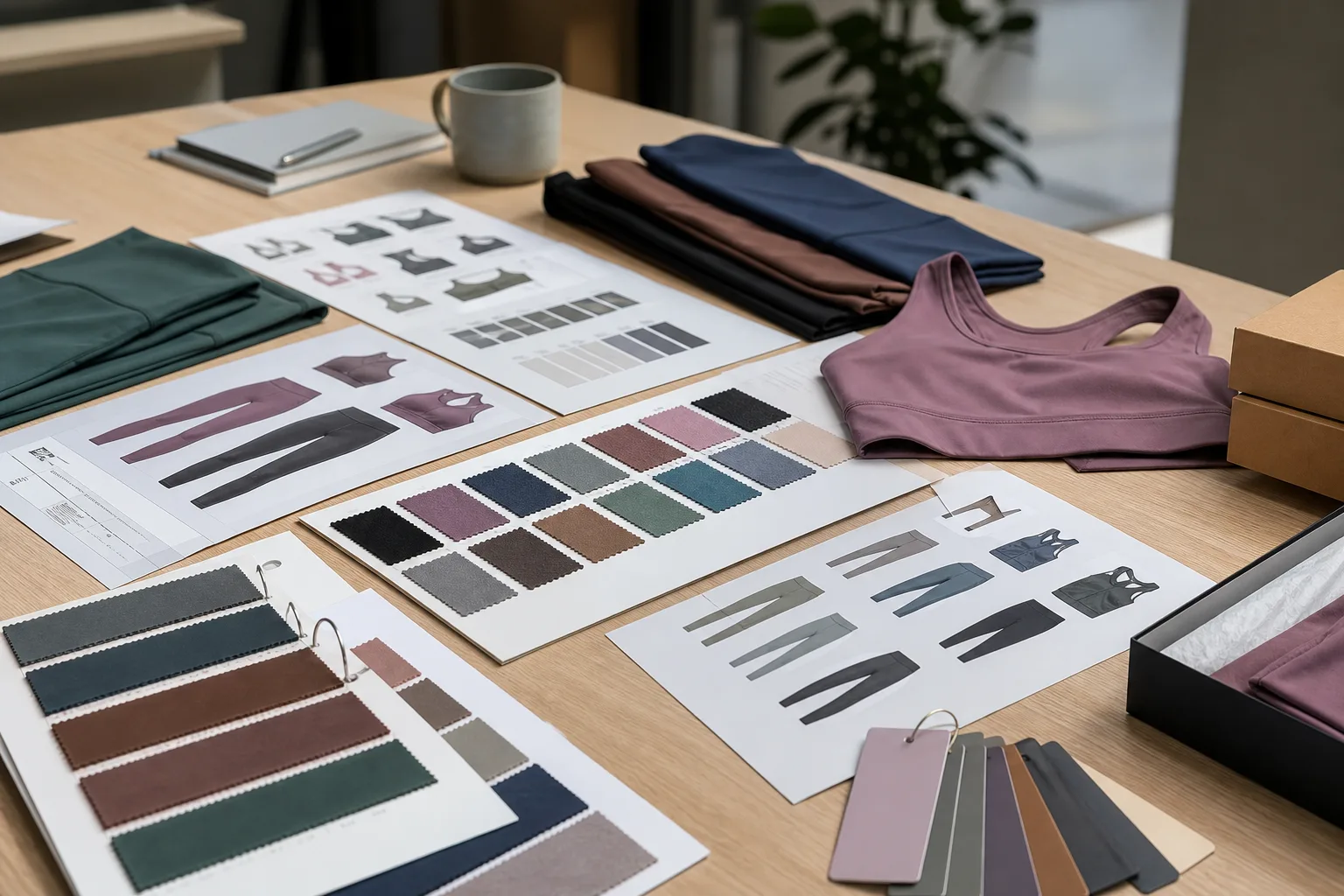
Different distributor programs need different levels of development support. Use the comparison below to decide how much product definition you already have and where Ninghow Yoga should step in. If the project needs brand execution as well as development support. Compare private label yoga apparel with OEM yoga apparel and ODM activewear development. You confirm the brief.
Best when: Ongoing channel supply.
Typical buyer inputs: Product type, size run, color range, packaging, shipment destination.
What to review first: Fit consistency, branding method, carton and label requirements.
Best when: You want your own label and packaging on an approved product direction.
Typical buyer inputs: Reference styles, logo files, label text, trims, packaging, target market.
What to review first: Private label execution, sample approval, presentation details.
Best when: You already have a tech pack or detailed specifications.
Typical buyer inputs: Measurements, construction notes, fabric choice, grading, branding details.
What to review first: Specification accuracy, measurement control, production readiness.
Best when: You have a market idea but still need product direction.
Typical buyer inputs: Target customer, reference images, price band, channel needs, launch timing.
What to review first: Style direction, fabric options, sample development, revision scope.
Reference MOQ starts from 300 pieces. The final MOQ and size or color allocation depend on the product. Fabric. Construction. Branding. And packaging.
Standard sample time is around 5 to 7 days. And complex samples are around 7 to 10 days. Timing depends on specification completeness, fabric availability, logo method, construction details, and revision requirements. Reference bulk production time is around 20 to 35 days. Approvals and material readiness. And the final schedule depends on product complexity. Order quantity. And the current production schedule. For repeat order programs, it also helps to review quality control stages so inspection checkpoints are clear before shipment.
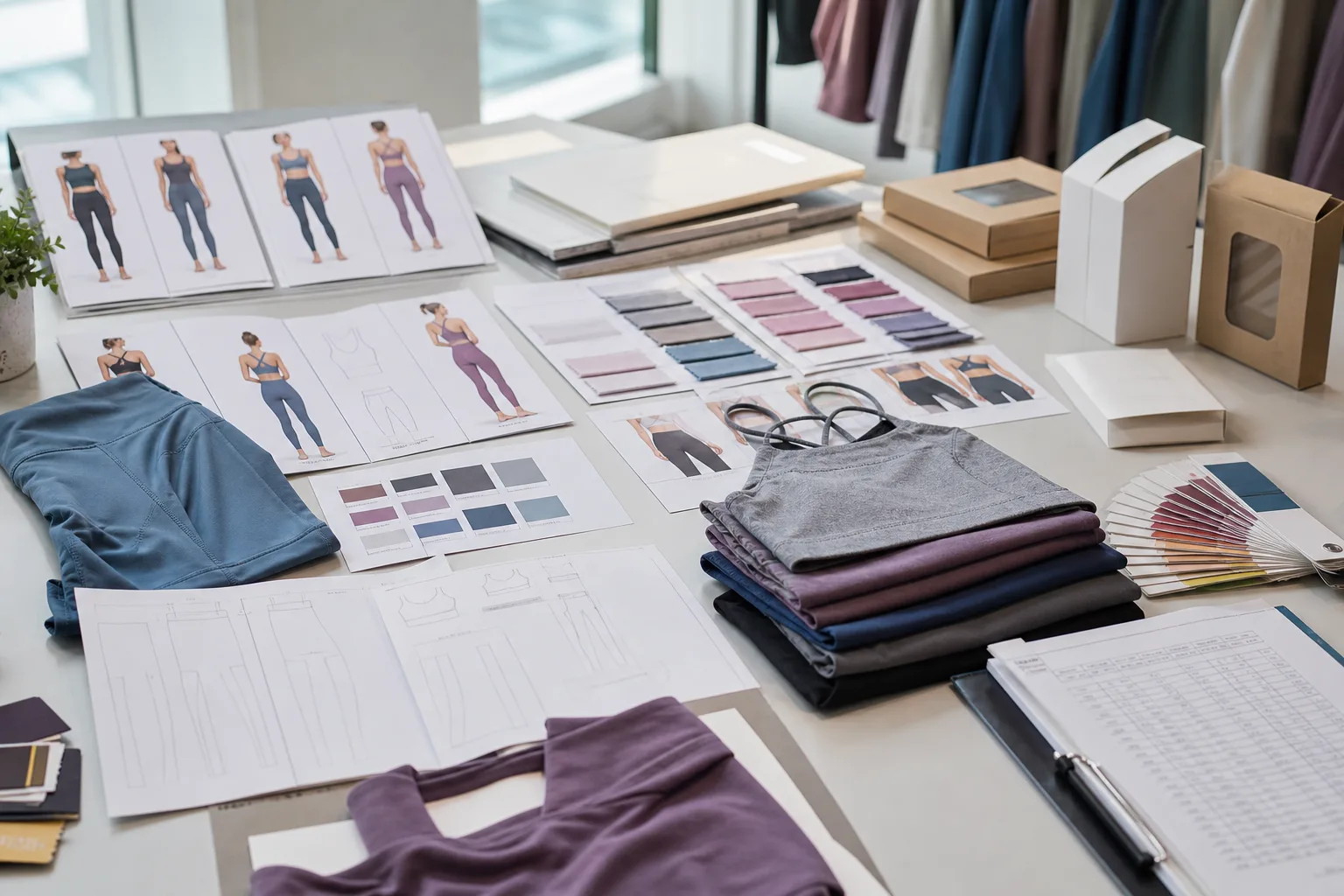
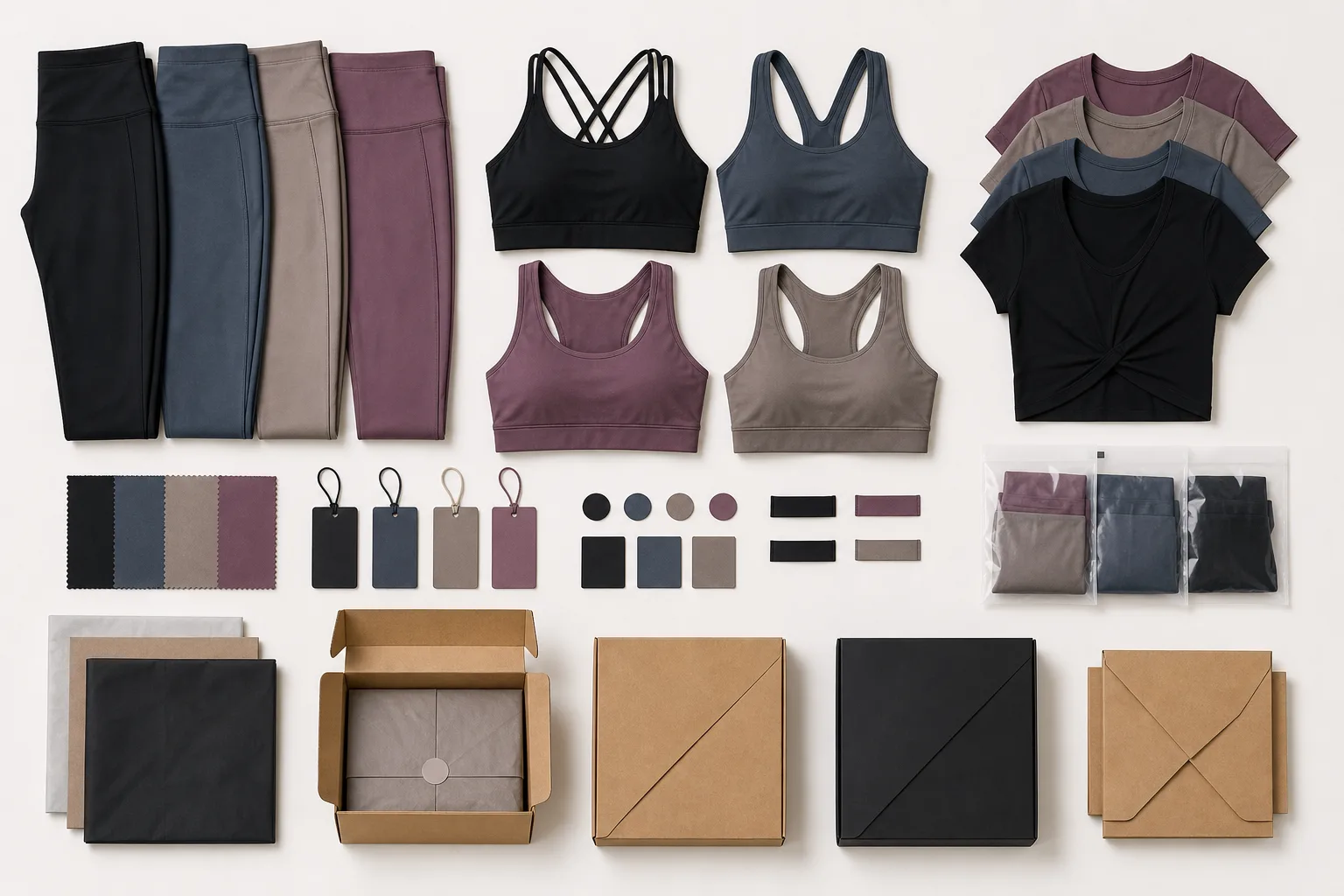
Distributor shipments are easier to manage when every order follows the same review points. For yoga and activewear, that usually means checking measurement consistency, workmanship, logo placement, label application, color appearance, and final packaging against the approved sample. When you need a branded distribution program with labels, trims, and packaging aligned to your channel, review private label yoga apparel before locking the order plan.
Send the product list, reference images, target market, estimated quantity, size allocation, branding files, packaging needs, and shipping destination. If you already have a tech pack, include it with the brief. If you only have a market idea, start with consultation and sample planning first.
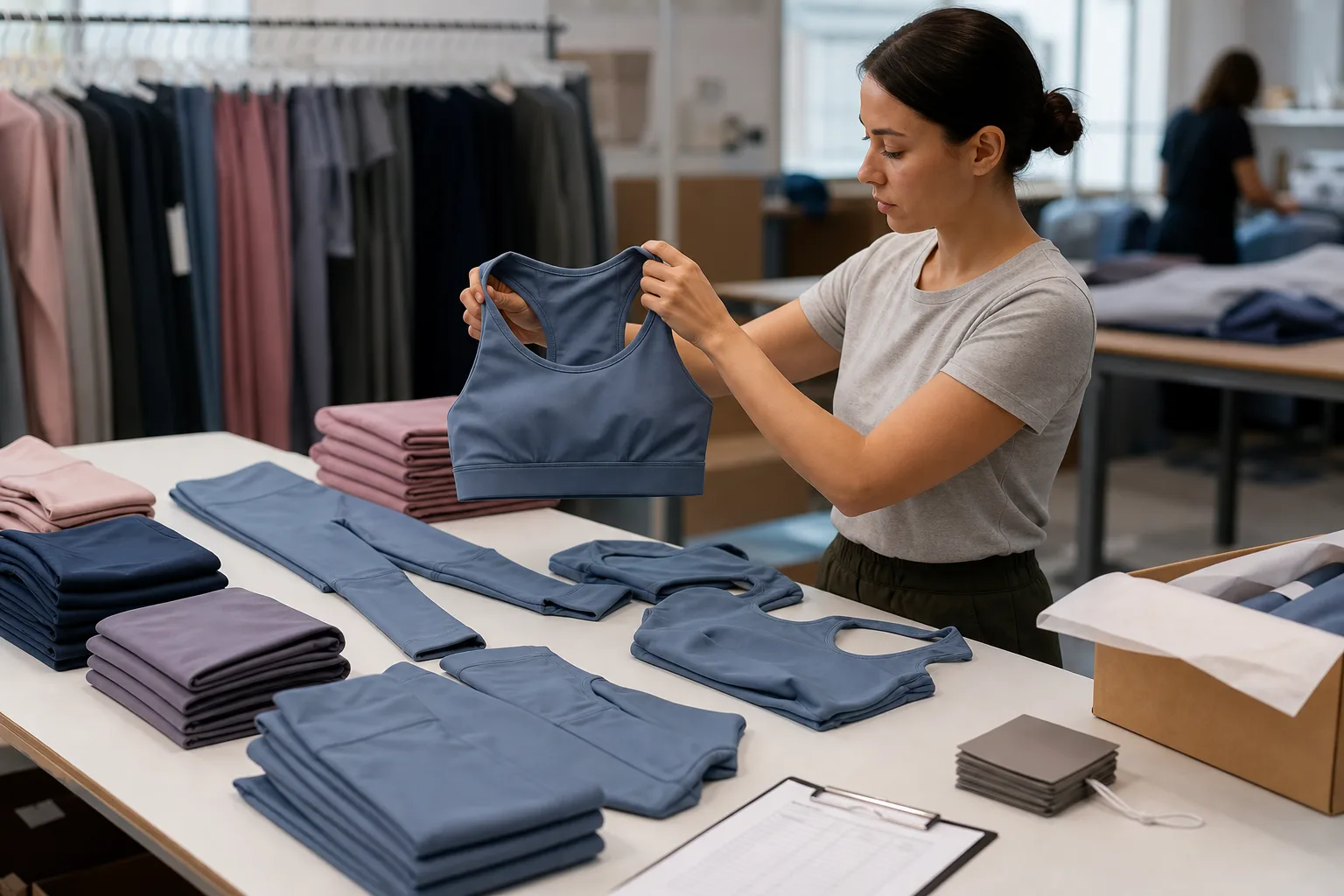
Keep the project conversation practical with clear expectations around sampling, production and quotation inputs.
Share the product type, reference images or tech pack, size and color allocation, branding files, packaging needs, estimated quantity, destination market, and shipping destination. More complete inputs usually make the quotation more specific to the project.
Yes. Private label development can include approved product direction, logo application, labels, trims, packaging, sampling, and bulk production. The final setup depends on the selected product range and project requirements.
Reference MOQ starts from 300 pieces. The final MOQ and size or color allocation depend on the product, fabric, construction, branding, and packaging.
Standard samples are around 5 to 7 days and complex samples are around 7 to 10 days, subject to specification completeness, fabric availability, and revision needs. Reference bulk production time is around 20 to 35 days after approvals and material readiness.
AQL-based inspection support and third-party inspection can be arranged when required. Final inspection requirements should be confirmed for each project and destination market.
Start with OEM/ODM consultation or sample planning first. That helps define the product direction, fabric options, and construction details before moving to a quotation.
Tell us whether you are building a brand launch, studio retail program, e-commerce assortment, or wholesale order so the team can suggest a practical path.