
A Practical Guide to Buying Custom Yoga Apparel
Ninghow Yoga is the specialized yoga apparel division of Ninghow Apparel. We support global B2B buyers with product development, fabric sourcing, sampling, bulk production, quality control, packaging and international delivery coordination. Our product scope includes yoga apparel and performance activewear for established brands, new apparel businesses, studios, retailers and sourcing teams.
A useful sourcing brief turns a product concept into requirements that a supplier can review. It should define the garments, intended use, materials, fit, branding, sample expectations, order conditions, inspection needs and shipment preferences. Use the sequence below to organize those decisions, then upload your specifications or prepare the information needed for a project-specific quotation.
Project Planning
A material brief should describe what the fabric needs to do for the selected garment without relying on vague terms.
Product Mix
Garment type and intended buyer or activity
Project Planning
A material brief should describe what the fabric needs to do for the selected garment without relying on vague terms.
Packaging Setup
Brand presentation involves more than placing a logo on the product.
Sample Approval
A sample request needs enough information to produce a garment that can be assessed against stated requirements.
Start with the Collection, Product Mix and Intended Use
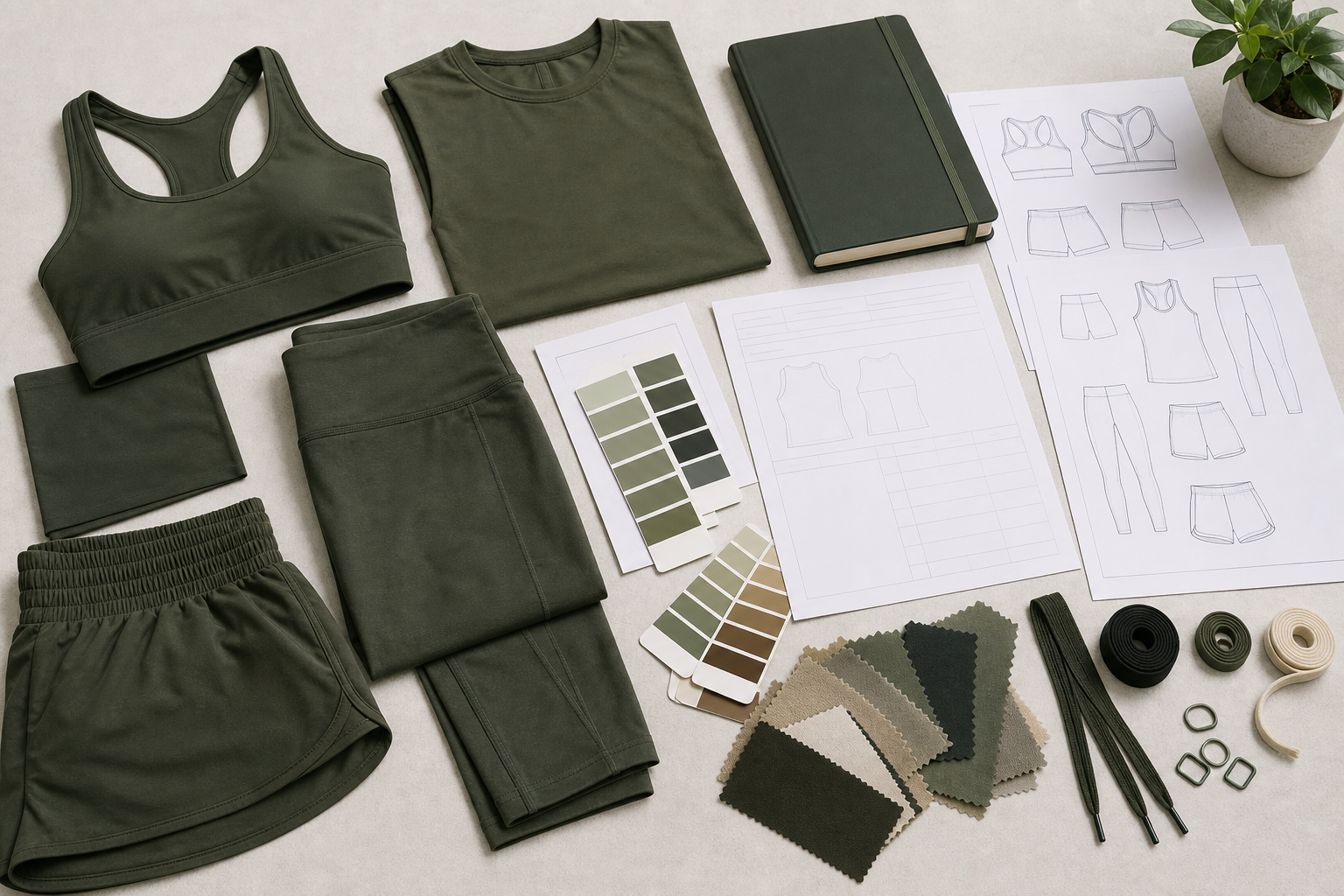
Begin by stating what you plan to sell, who will use it and how the garments fit together as a collection. A yoga range may include leggings, pants, shorts, sports bras, tops, coordinated sets, jackets or warm-up layers. A wider activewear programme may also include seamless garments and performance apparel for Pilates, gym or fitness use.
A focused first collection is easier to review than an undefined list of ideas. Group styles by product family and identify which items share a colour, fabric direction or visual identity. If you are developing a matching set, explain which bra, top, short or legging styles need to coordinate. If garments will be sold separately, state which features still need to remain consistent across the range.
Record the following details for each proposed style:
This product map gives the supplier a clear basis for reviewing materials, development work and production conditions. Buyers who are still comparing garment categories can return to the yoga apparel resources area for related product and sourcing information.
01
Sourcing Route
Garment type and intended buyer or activity
02
Sample Approval
Technical drawing or existing sample
03
Garment Construction
Key construction details and required garment features
04
Project Planning
Planned colourways and collection combinations
05
Target size range
Target size range and fit direction
06
MOQ Planning
If you are developing a matching set, explain which bra, top, short or legging styles need to coordinate.
Match Branding, Labels and Packaging to the Garment
Brand presentation involves more than placing a logo on the product. Prepare the logo artwork, required position, dimensions, colour references and preferred appearance. Also list garment labels, care information, size identification, hangtags and private-label packaging that belong to the collection.
Ninghow Yoga supports embroidery, screen printing, sublimation and heat-transfer applications according to product, fabric and design requirements. The suitable route depends on the artwork, garment construction, material and intended result. A method should therefore be reviewed with the product specification and confirmed through development rather than selected only by name.
Packaging requirements should identify how the garment is folded, labelled, grouped and presented. Standard export packaging and customized private-label packaging are supported according to project requirements. Where your business uses specific barcodes, printed information or packing instructions, include the files and placement details in the brief.
Build a Sample Request That Can Be Checked and Approved
A sample request needs enough information to produce a garment that can be assessed against stated requirements. Confirm the design, fabric direction, colour, measurements, technical details and branding requirements before asking for development to begin. Mark unresolved decisions clearly so they can be discussed instead of being mistaken for final instructions.
Sample development is typically5-7 days after the design, fabric and technical details are confirmed. Complex styles or projects using special fabrics may require7-10 days. These time ranges apply to sample development under the stated conditions and remain dependent on the project.
Prepare a review method before receiving the sample. Check the garment against the specification, record measurement and construction comments, and consolidate feedback from relevant decision-makers. Separate required corrections from new design changes. This distinction helps both parties understand whether the next action is a correction, a revised development request or approval for the next stage.
The sample should establish a documented reference for production handover. Do not rely only on informal approval messages when measurements, materials, colours or branding details have changed during development.
Confirm Commercial and Production Conditions Before Handover
A quotation can only reflect the information supplied for review. State quantities by product, colour and size, along with material requirements, customization scope, packaging needs and the intended order arrangement. Missing quantity or material details can prevent a supplier from confirming the applicable conditions.
Ninghow Yoga uses a flexible MOQ that is confirmed according to the product, fabric, colour, quantity and customization requirements. This means the applicable minimum cannot be treated as one universal figure for every project. Buyers should submit the planned breakdown and discuss any trial-order requirement as part of the project review.
Bulk production is typically20-35 days after the deposit, material confirmation and pre-production sample approval. Final timing depends on the product, quantity and customization requirements. Procurement plans should therefore account for all approval and confirmation points that occur before the production period begins.
Payment options include T/T and L/C, with other arrangements considered according to order and cooperation requirements. Record the payment and trade-term needs that your organization wants reviewed, but wait for project confirmation before using them in an internal launch or delivery schedule.
Define the Quality Checks and Inspection Route
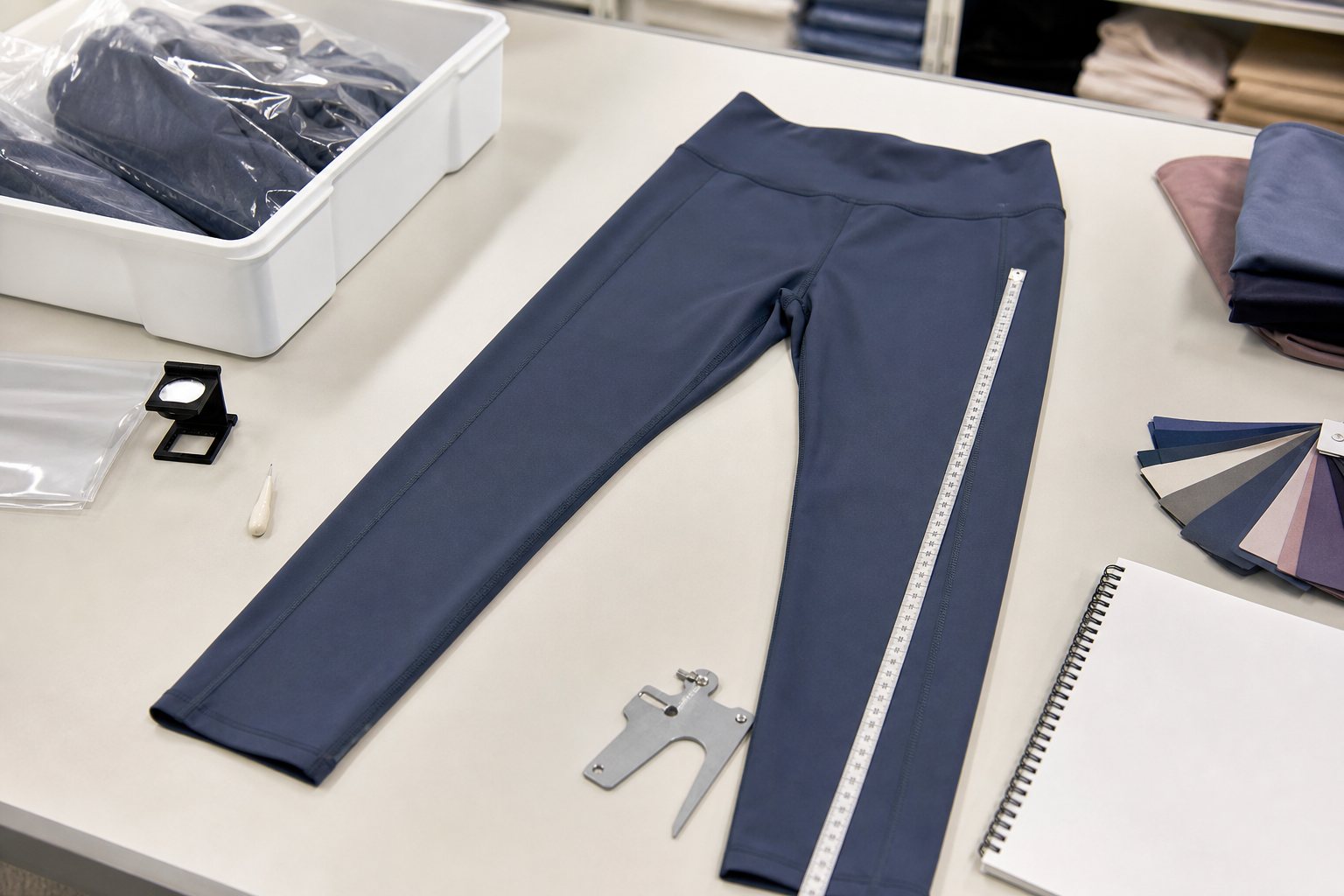
A quality brief should translate the approved product requirements into points that can be checked. Ninghow Yoga’s quality control scope includes product requirement review, fabric and colour checking, measurement and sewing inspection, process quality control, final inspection and packaging review.
Identify the critical requirements for each garment, including measurements, construction details, colour references, logo placement, labels and packing instructions. State which documents or approved samples will serve as the comparison reference. This helps align product development, production follow-up and final review.
If your organization requires AQL inspection, a customer-appointed inspector or an independent provider, include that requirement early in the project. Ninghow Yoga can support these inspection routes when required. Coordination with third-party inspection or testing providers such as SGS or Intertek is available according to project requirements. The buyer should define the requested scope, criteria and appointment needs rather than assume that one inspection arrangement applies to every order.
Prepare Packaging, Trade-Term and Shipment Information
Shipment planning begins with the destination and packing requirements, not with a general request for international delivery. Provide the destination, preferred shipment arrangement, required export documents and any buyer-specific packaging instructions. Explain whether the order uses standard export packaging or needs customized private-label packaging.
EXW, FOB, CIF and DDP are available according to project and shipment requirements. Each term assigns responsibilities differently, so the applicable option must be reviewed for the order. Do not treat a listed trade term as confirmation of freight cost, delivery timing or destination coverage.
Your final project brief should bring the sourcing decisions into one controlled set of information:
When these points are ready, submit them through the custom yoga apparel quotation form. A structured brief allows our team to review the project scope and identify the decisions that still need confirmation.
Project Planning
Product types and intended use
Garment Construction
Construction details and colourways
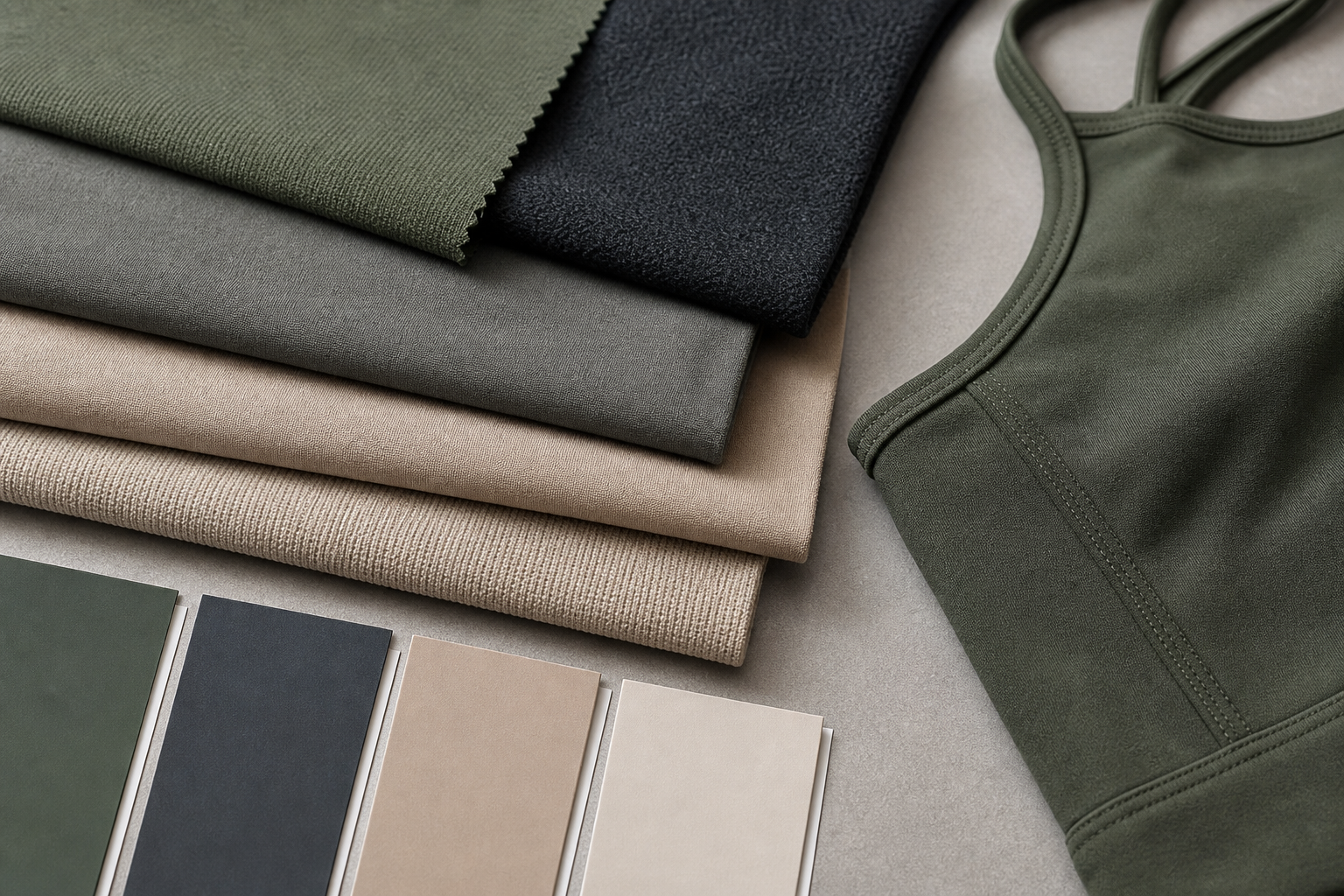
Fabric Choice
Trim and project-specific material requirements
Related Topics
Fabric Choice
A material brief should describe what the fabric needs to do for the selected garment without relying on vague terms.
Sample Approval
Fit cannot be communicated by a size name alone.
Prepare a Project Brief
Combine your product, material, fit, branding, sample, order, quality and shipment information into one reviewable brief. Attach technical files where available and identify any decisions that need input from our development or sourcing team.