
Fabric Choice
Buyer decision: Describe the movement and recovery expected from the garment.
Development relevance: Guides material sourcing, pattern work and sample review.
Already know the product direction? Share the style, quantity, branding and target requirements for a focused project review.
Discuss your product →Not sure which application fits? Describe your customer, sales model and product plan for a manufacturing recommendation.
Discuss your project →Have project files ready? Upload the tech pack, artwork or specifications so the team can review the correct service route.
Upload specifications →Evaluating manufacturing capability? Review the proof pages for facilities, quality control, export experience and team coverage.
Review company evidence →Want the product range first? Request the yoga apparel catalog and share the categories you are evaluating.
Request the catalog →Ready for direct discussion? Book a manufacturing consultation or submit a quotation request with your project details.
Request a consultation →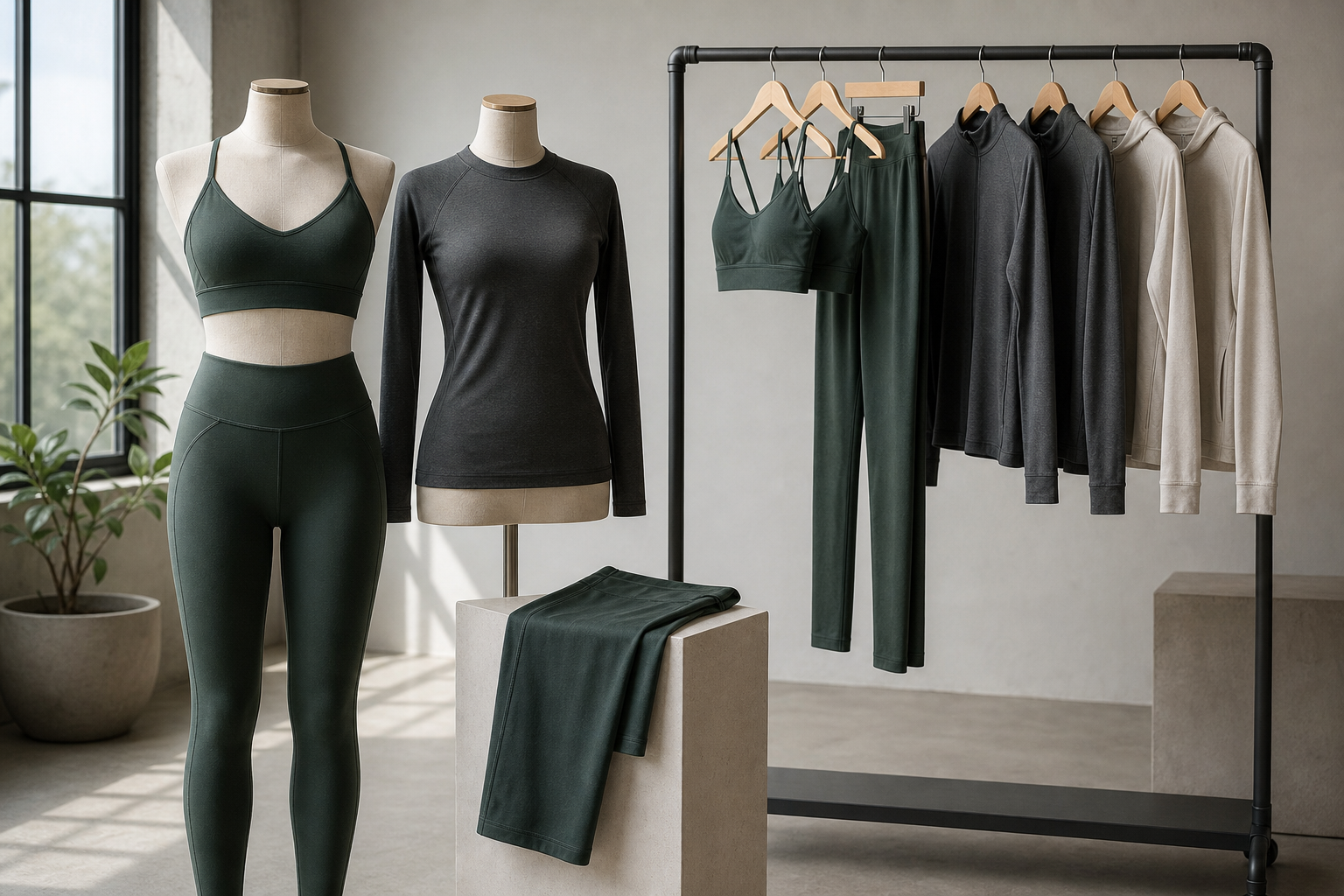
Product mix: Identify the garment categories and the number of styles in the range.
Ninghow Yoga develops performance apparel for business buyers building branded movement and training collections.
Submit the design direction and product category.
Performance apparel can be adapted to a brand through custom colours, labels, hangtags, packaging and suitable logo applications.
Performance activewear is apparel developed around movement, fit, material behaviour and a defined use. Ninghow Yoga supports project-specified stretch and moisture-management directions for yoga, Pilates, gym and fitness applications. These requirements can be applied across several garment categories within one branded collection.
A collection may combine bottoms, support garments, tops, coordinated sets or layering pieces. The right mix depends on the intended activity, customer profile, price position and brand identity. Buyers can review our broader custom yoga apparel product range before selecting individual categories for development.
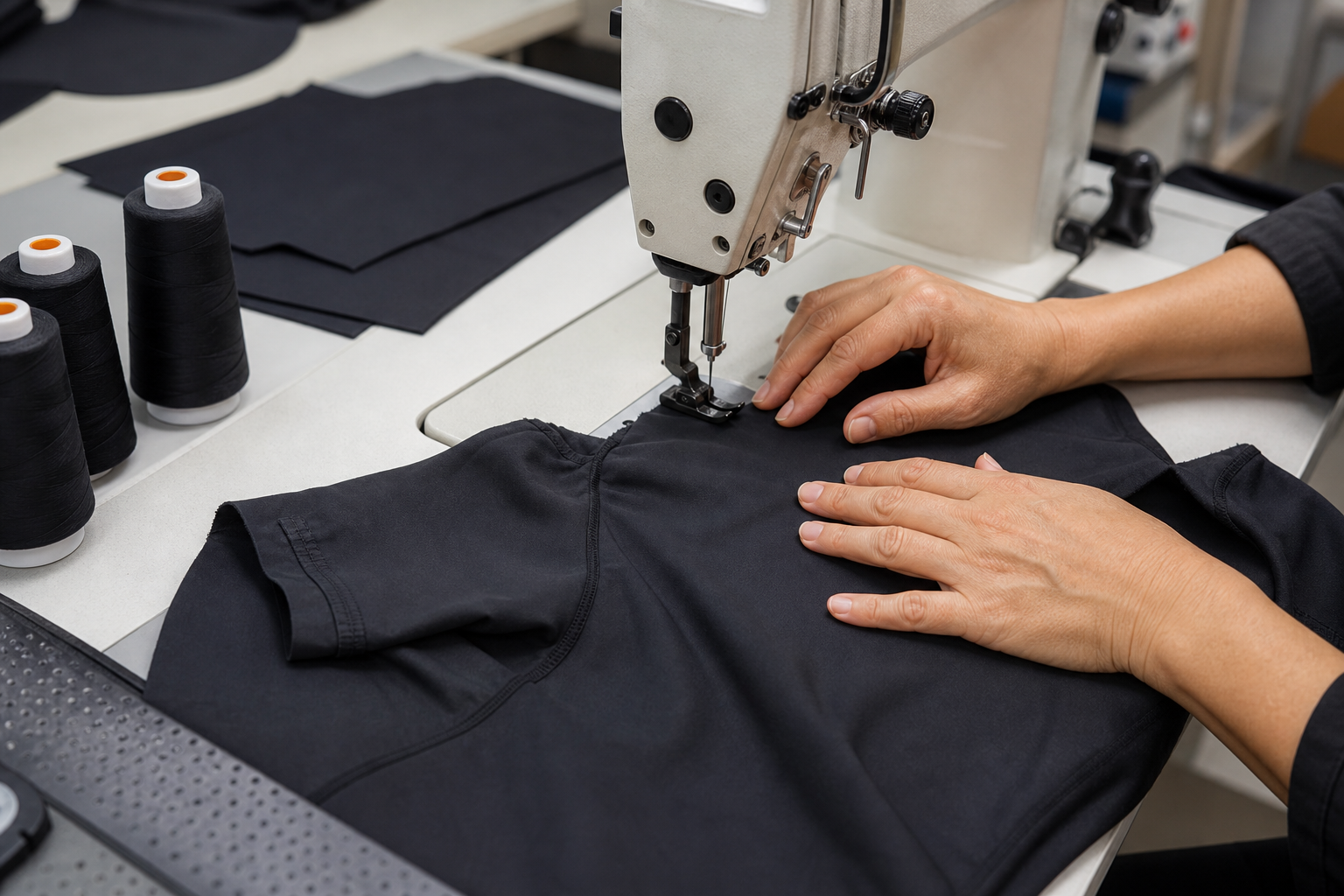
Ninghow Yoga connects the collection brief with fabric sourcing, pattern and sample development, cutting, sewing, decoration, finishing, inspection and packaging. Material suitability, construction and decoration are reviewed against the selected product rather than treated as universal across every style.
Product mix: Identify the garment categories and the number of styles in the range.
Pilates, gym training, general fitness or mixed use.
Moisture-management direction, weight and hand feel.
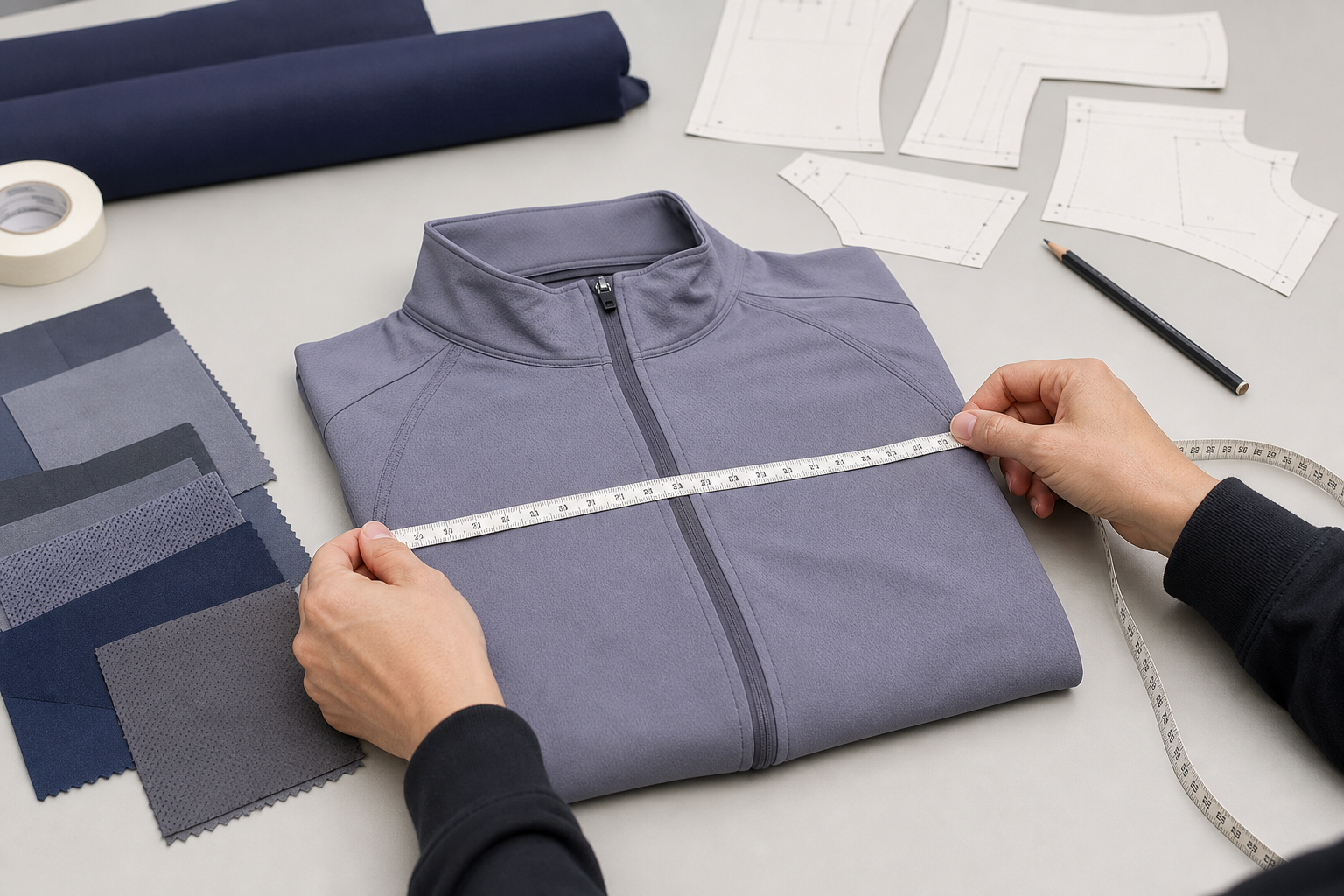
A performance garment moves from concept to production through documented pattern, size and fit decisions. Buyers can provide a tech pack, reference design, measurements, size chart, fit notes or another technical starting point. Branding details and material direction should be included because they can affect the sample.
Ninghow Yoga supports pattern and sample development as part of the manufacturing process. Typical sample development is5–7 days after the design, fabric and technical details are confirmed. Complex styles or projects using special fabrics may require7–10 days.
The sample provides a physical basis for reviewing the selected material, measurements, construction, appearance and brand application. Comments should identify any required changes clearly so that the next decision can be documented. Detailed measurement and grading needs can be discussed through our activewear pattern, size and fit development service.
Fabric selection begins with the product brief. Ninghow Yoga supports activewear fabric and trim sourcing according to the garment, design and performance requirements supplied by the buyer.
A request for stretch activewear should define more than a general preference for flexible fabric. The sourcing review needs to consider how the garment will move, how it should feel, its intended weight, the colour direction and the trims required. If moisture management is part of the brief, it should be stated as a required material direction for sourcing and sample review. No performance result should be assumed without project-specific confirmation.
Recycled, organic or other project-specified materials can be discussed when relevant. Availability, suitability and any required supporting documentation must be assessed for the actual project. Ninghow Yoga does not treat a material preference as proof of a certification or environmental outcome.
Buyer decision: Describe the movement and recovery expected from the garment.
Development relevance: Guides material sourcing, pattern work and sample review.
Buyer decision: State the preferred feel and intended product use.
Development relevance: Helps compare material directions for the selected style.
Buyer decision: Identify it as a project requirement.
Development relevance: Allows relevant fabric options to be discussed and reviewed.
Buyer decision: Provide the range plan and colour references.
Development relevance: Supports fabric, trim and collection coordination.
Buyer decision: List functional and branded trim requirements.
Development relevance: Connects product construction with the private label brief.
Buyer decision: State any project-specified recycled, organic or other material direction.
Development relevance: Allows sourcing feasibility and evidence needs to be reviewed.
Ninghow Yoga develops performance apparel for business buyers building branded movement and training collections. These buyers include established apparel brands, startup brands, studios, retailers, distributors and e-commerce businesses. The development discussion stays focused on the product and its intended use.
A yoga collection may place greater emphasis on stretch, fit and comfort through movement. A Pilates range may need a coordinated appearance and clearly defined fit across several products. Gym and fitness apparel may require a different balance of fabric weight, movement, coverage and branding. These are design inputs, not fixed product claims, and each requirement must be reviewed against the chosen style and material.
For a collection with several activities, it is useful to separate shared requirements from product-specific ones. Colours, labels and packaging may be consistent across the range, while fabric, pattern and construction can vary by garment. This approach helps buyers develop a clear collection identity without forcing one material or fit specification onto every product.
Bulk production begins after the required commercial and technical checkpoints are in place. These include the deposit, material confirmation and pre-production sample approval. Production is typically20–35 days after those conditions are met. Final timing depends on the product, quantity and customization requirements.
MOQ is flexible and confirmed according to the product, fabric, colour, quantity and customization requirements. A smaller trial quantity is not a universal order promise. It may be discussed only for selected products and remains subject to review of the design, material, colour, decoration and production process.
Ninghow Apparel has an operational production capacity of approximately80,000–120,000 pieces per month across its apparel production operations. This figure describes the wider manufacturing operation; it is not a guaranteed allocation for an individual order. Project scheduling is confirmed after the specific product and order requirements are reviewed.
Quality coordination covers product requirement review, fabric and colour checking, measurement and sewing inspection, process quality control, final inspection and packaging review. AQL inspection and customer-appointed or third-party inspection can also be supported when required. The applicable criteria and arrangements need to be defined for the project.
Buyers preparing for volume orders can review the handover conditions through our bulk activewear production service.
International order planning requires more than a delivery destination. The manufacturing discussion should connect product quantities, packaging, shipment requirements and the selected trade term.
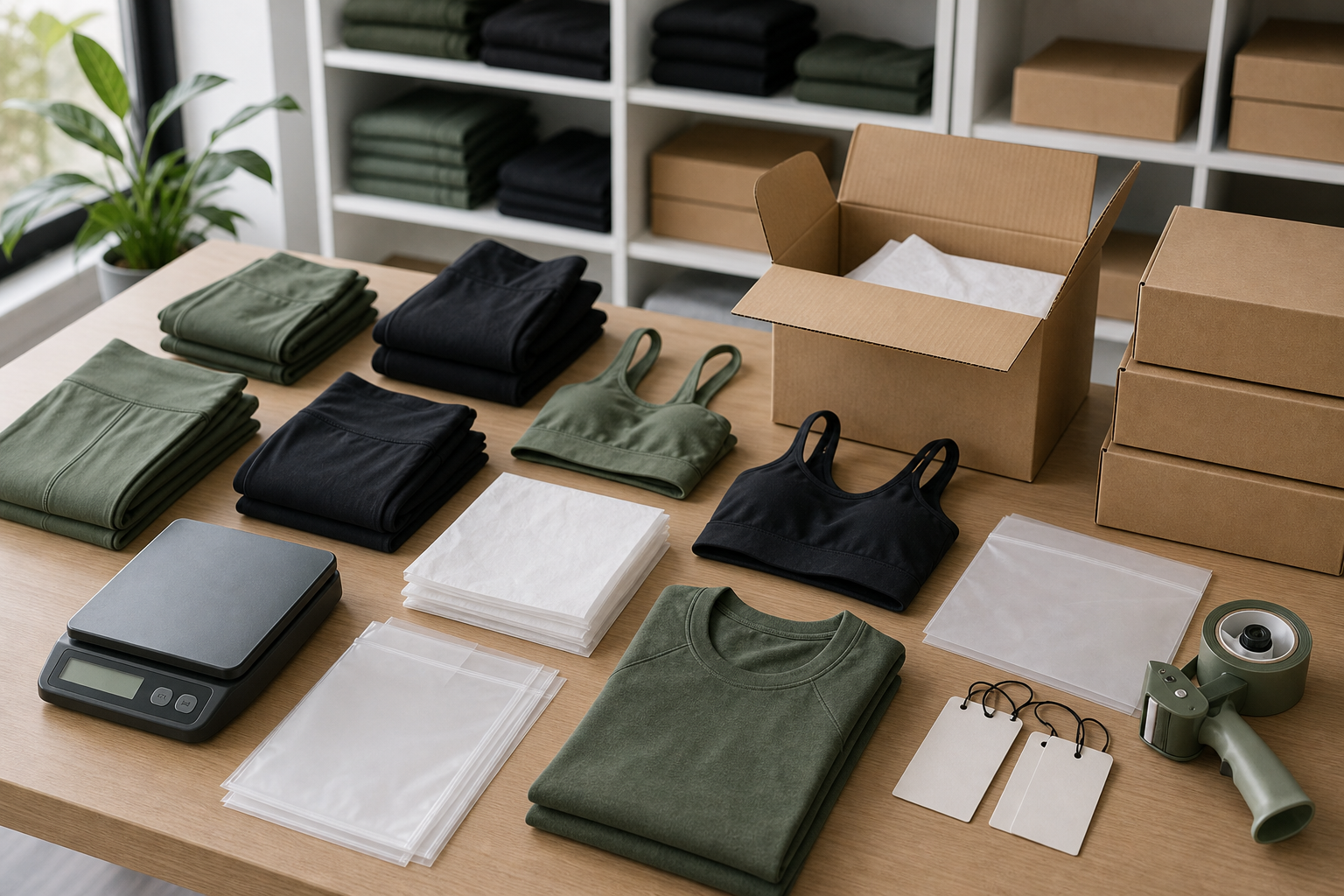
Ninghow Yoga supports standard export packaging and customized private label packaging according to project requirements. EXW, FOB, CIF and DDP can be discussed according to the project and shipment needs. The appropriate term depends on the agreed responsibilities and route; no single term applies automatically to every order.
For an effective supply discussion, provide the destination, preferred trade term, packaging needs and any shipment-related instructions. Payment can be arranged by T/T or L/C, while other arrangements depend on the order and cooperation requirements. Final commercial conditions are confirmed for the individual project.
Performance apparel can be adapted to a brand through custom colours, labels, hangtags, packaging and suitable logo applications. The aim is to connect the product range with a consistent identity while respecting the material and construction of each garment.
Verified decoration capabilities include embroidery, screen printing, sublimation and heat-transfer applications. The available route depends on the product, fabric, artwork and design requirements. A method that suits one garment may not suit another, so artwork placement and application should be reviewed during development.
Buyers should supply usable logo files, placement information, colour references and size requirements. Label content, hangtag details and packaging instructions should also be provided early enough to coordinate them with the sample and production plan. Ninghow Yoga supports both standard export packaging and customized private label packaging according to project requirements.
We support performance apparel across multiple garment categories for yoga, Pilates, gym and fitness applications. A project may include bottoms, bras, tops, sets, layering pieces or other verified activewear formats. Detailed construction and fit requirements are reviewed on a product-specific basis.
Yes. We support fabric and trim sourcing according to the product, design and performance brief. Buyers should describe the required stretch behaviour, hand feel, weight, colour and moisture-management direction. Material suitability is then assessed against the selected garment and sample requirements.
Provide a tech pack, drawing or reference design together with measurements, size requirements, fabric direction, colour, trims and branding details. Clear fit expectations and intended product use also help guide pattern and sample development.
Sample development typically takes5–7 days after the design, fabric and technical details are confirmed. Complex styles or special fabric projects may require7–10 days. The timing starts only after the required inputs have been confirmed.
A smaller trial quantity can be discussed, but it is not available as a standard commitment for every style. Consideration is limited to selected products and depends on the fabric, colour, design, decoration and production process. The applicable quantity is confirmed only after project review.
Include the product mix, designs, materials, colours, size range, branding, packaging, quantity and destination. State any required inspection arrangement and preferred trade term. These details allow us to review sourcing, sampling, MOQ, production timing and shipment requirements for the specific order.
A focused enquiry allows our team to assess the collection, sourcing needs and production route. Include enough information to separate confirmed requirements from areas where you need development support.
As a stretch activewear supplier for B2B projects, Ninghow Yoga reviews these inputs before confirming materials, MOQ, sample requirements, timing and commercial terms. Submit the available information through the request a quote form, even if some development decisions still need discussion.
Share what you want to develop and our manufacturing team can review the right product, material, sampling and production route for your project.
Include them with your inquiry so we can give you a more focused manufacturing response.
Share your product type, estimated quantity, target market and any specifications you already have. The more detail you provide, the more specific our reply can be.
What happens next: your inquiry is reviewed against product, material and production requirements so our team can respond with the most relevant next step. Your project information is treated as confidential.